 EN
EN

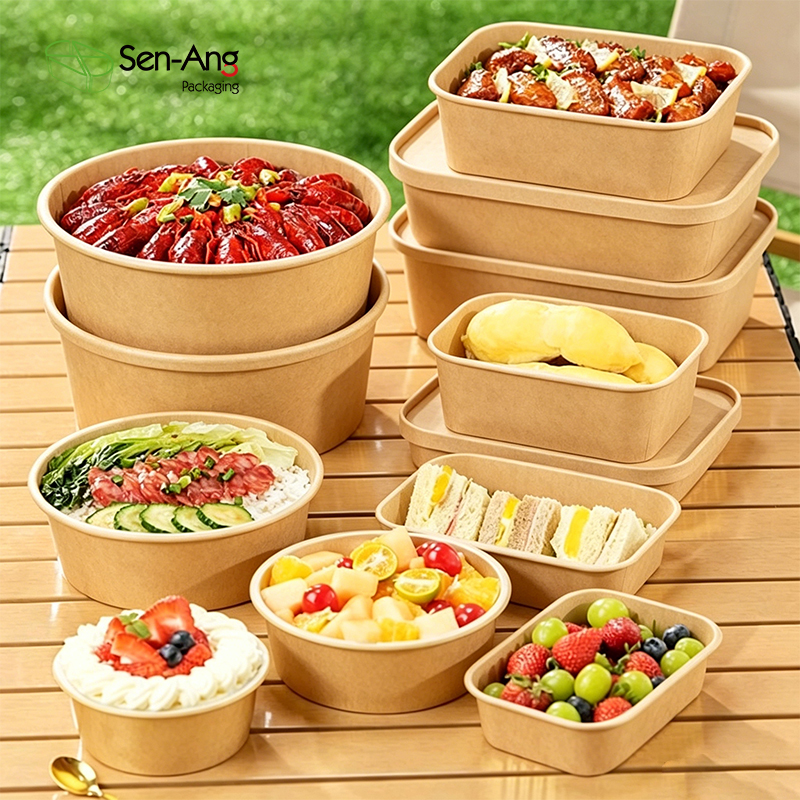
When businesses and consumers look for sustainable food packaging alternatives, kraft paper bowls consistently rise to the top of the conversation. Their natural brown appearance, sturdy construction and eco-friendly image make kraft paper bowls a popular choice for restaurants, food courts, catering services and meal prep businesses. But procurement managers and conscientious consumers keep asking one important question: can kraft paper bowls actually be composted?
The short answer is yes, but the full picture is more nuanced. Compostability depends on the construction of the bowl, the coating or lining on its interior, and whether composting happens industrially or at home. This article explains when kraft paper bowls break down, what makes some compostable and others not, and how to choose the right kraft paper bowls for your sustainability goals.
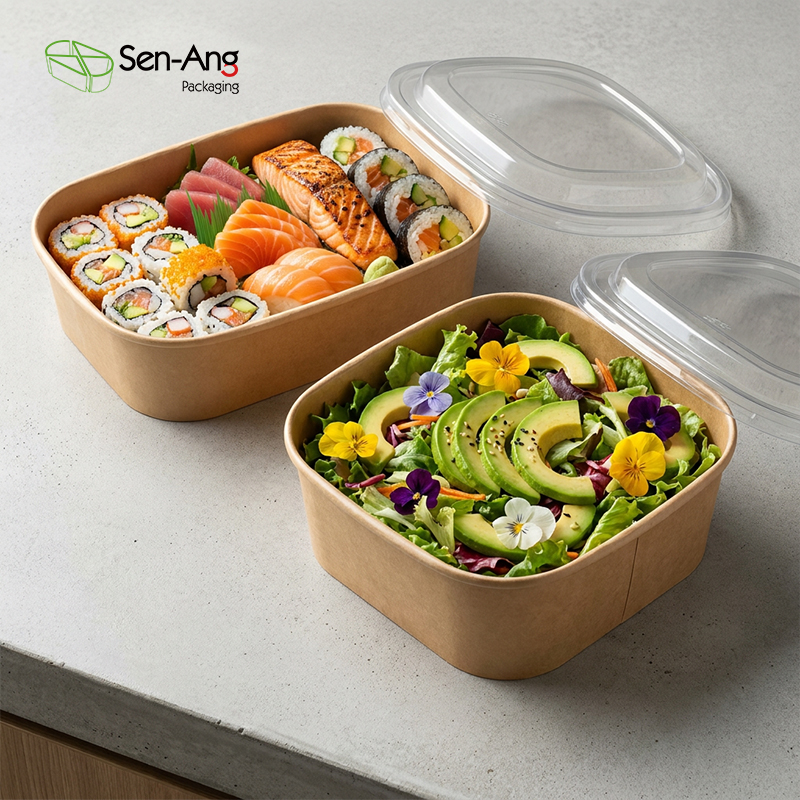
The Basics of Composting and Paper-Based Packaging
What Composting Actually Means for Food Packaging
Composting is a biological process in which microorganisms, heat and moisture turn organic material into nutrient-rich compost. To qualify as compostable, packaging must degrade within a defined timeframe and leave no toxic residue or microplastics. Industrial standards such as EN 13432 test for disintegration within about 12 weeks and biodegradation within six months, while home composting is slower and certified separately. This is a higher bar than biodegradability, which only means a material will break down eventually.
Kraft paper bowls start from kraft pulp, a wood-derived material that is organic and biodegradable. Its cellulose fibers feed microorganisms, so uncoated kraft paper breaks down readily in composting. The challenge is that most food-contact kraft paper bowls are not made from paper alone. A completely uncoated bowl would fall apart when filled with hot soup or oily food, so kraft paper bowls need a moisture and grease barrier.
How Kraft Paper's Natural Properties Support Compostability
The long cellulose fibers in kraft paper give strength, and the same carbon-based fibers are exactly what composting microbes consume. From a chemistry standpoint, the base material of kraft paper bowls already fits compostability requirements. Still, the base is only one part of the equation. The coating on the inside is equally important, and sometimes more important, in deciding whether the finished kraft paper bowls pass composting standards.
Coatings and Linings: The Key Variable in Compostability
PE-Coated Kraft Paper Bowls and Why They Are Not Truly Compostable
Many kraft paper bowls on the market use a polyethylene coating inside for moisture and grease resistance. PE is a petroleum-based plastic that does not biodegrade in a meaningful timeframe, and composting systems do not accept it. Even if the paper layer breaks down, a thin plastic film remains and can contaminate the compost.
This is a common source of confusion, because PE-lined kraft paper bowls look the same as compostable ones from the outside. They can be recycled only where facilities are able to separate the film from the fiber, which many municipal systems cannot do, so these kraft paper bowls often end up in landfill. Businesses that market PE-lined kraft paper bowls as eco-friendly risk greenwashing accusations, so buyers should ask suppliers whether the lining is PE-based or plant-based.
PLA and Aqueous Coatings: The Compostable Alternatives
The packaging industry has developed coatings that keep the performance of kraft paper bowls while enabling real compostability. Polylactic acid, or PLA, is a bioplastic made from plant starches such as corn or sugarcane, and it breaks down in industrial composting facilities under the right temperature and humidity. Kraft paper bowls lined with PLA can earn industrial compostability certifications such as EN 13432 or ASTM D6400.
Aqueous coatings, which are water-based barrier layers, are another option. They provide enough moisture resistance for many foods and are thinner and lighter than PLA linings. SenangPak develops water-based, PLA and PHA coatings for paper packaging, and our factory holds COMPOST TÜV certification among its credentials. When evaluating kraft paper bowls, buyers should look for certification on the product specification rather than relying on appearance, since certification confirms testing by an accredited third party and supports environmental claims.
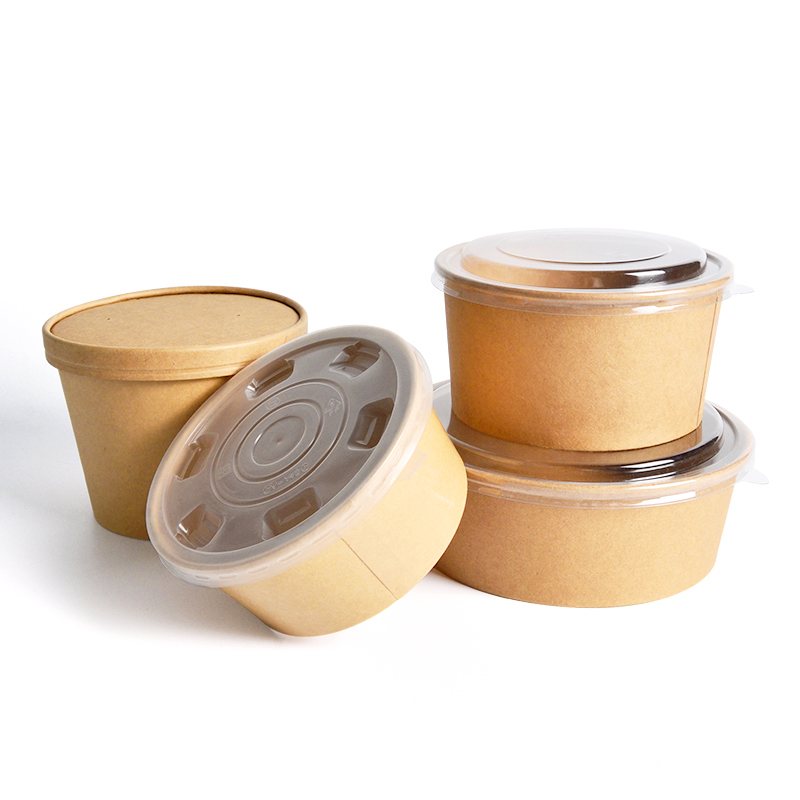
Industrial Composting vs. Home Composting: Practical Implications
Why Industrial Composting Is More Commonly Applicable
Most certified compostable kraft paper bowls are certified for industrial composting. Industrial facilities run at sustained high temperatures, often between 55 and 70 degrees Celsius, which speeds microbial activity and allows materials such as PLA to decompose where a backyard pile would not. So the compostability benefit of kraft paper bowls depends on access to industrial infrastructure.
In cities with organic waste collection, certified kraft paper bowls are a practical choice, since food waste and packaging can be collected together and processed into finished compost. Where such infrastructure is missing, even certified kraft paper bowls may end up in general waste, so businesses should assess both the certification and the local waste system before setting end-of-life expectations.
Home Composting Certifications and What They Mean
Some kraft paper bowls with specific plant-based or aqueous coatings can qualify for home composting certification, which applies to cooler, slower systems and is more demanding. Products certified for both industrial and home composting offer the most end-of-life flexibility, and for meal kit and takeaway brands, home compostable kraft paper bowls can be a real selling point.
Compostable does not mean landfill-friendly. Landfills lack the oxygen, moisture and microbial diversity needed for composting, so kraft paper bowls degrade very slowly there. The environmental benefit appears only when the bowls actually reach a composting system, which makes consumer education and waste infrastructure important.
How to Select Genuinely Compostable Kraft Paper Bowls
Certifications and Standards to Look For
Certification is the most reliable way to verify compostability. Widely recognized marks include EN 13432 for industrial composting in Europe, ASTM D6400 for industrial composting in the United States, and OK Compost HOME for home composting. For food contact, buyers should also confirm compliance such as FDA or EU food contact regulations, because kraft paper bowls that are both food-safe and compostable set the standard for sustainable packaging.
When reviewing documents, ask for the coating type, paper grammage and certificates covering the finished product, not just the raw materials. Some suppliers certify only components, which leaves gaps in the compliance picture.
Matching Product Specifications to Application Requirements
Not all kraft paper bowls are built the same. Hot soups and stews call for a stronger barrier coating, while dry or lightly oily foods may need only a thin aqueous layer that breaks down more easily. Capacity and wall strength matter too, since heavier meals need rigid kraft paper bowls that will not collapse on the go. Building compostability certification into supplier requirements ensures the kraft paper bowls you buy deliver the environmental benefit you promise.
Conclusion
Kraft paper bowls can be composted when they use compostable coatings and carry credible certification, while PE-lined kraft paper bowls cannot. SenangPak offers OEM and ODM services for eco-friendly paper bowls, with options in coatings, sizes and printing to fit your market.
FAQ
Are all kraft paper bowls compostable?
No. Many kraft paper bowls are lined with PE, which does not compost and can contaminate compost. Only kraft paper bowls with certified compostable coatings, such as PLA or approved aqueous coatings, can be genuinely composted.
Can kraft paper bowls be composted at home?
Some can, if they carry a recognized home composting certification such as OK Compost HOME. Many compostable kraft paper bowls are certified only for industrial composting, so check the certificate first.
How long does it take for kraft paper bowls to break down in compost?
Certified kraft paper bowls meet industrial standards that call for disintegration within about 12 weeks. Home composting takes longer and depends on temperature, moisture and coating thickness, and kraft paper bowls with PE linings will not break down at all.
What certifications should I look for when buying compostable kraft paper bowls?
Look for EN 13432, ASTM D6400 and OK Compost HOME, issued by accredited third parties for the finished product. Food safety compliance such as FDA or EU food contact rules should also be confirmed.