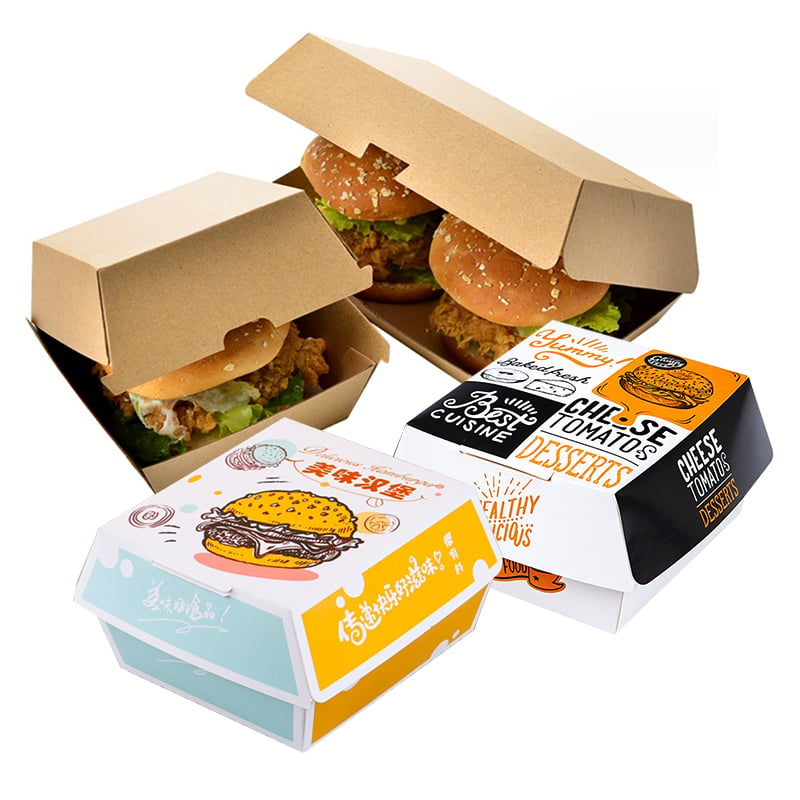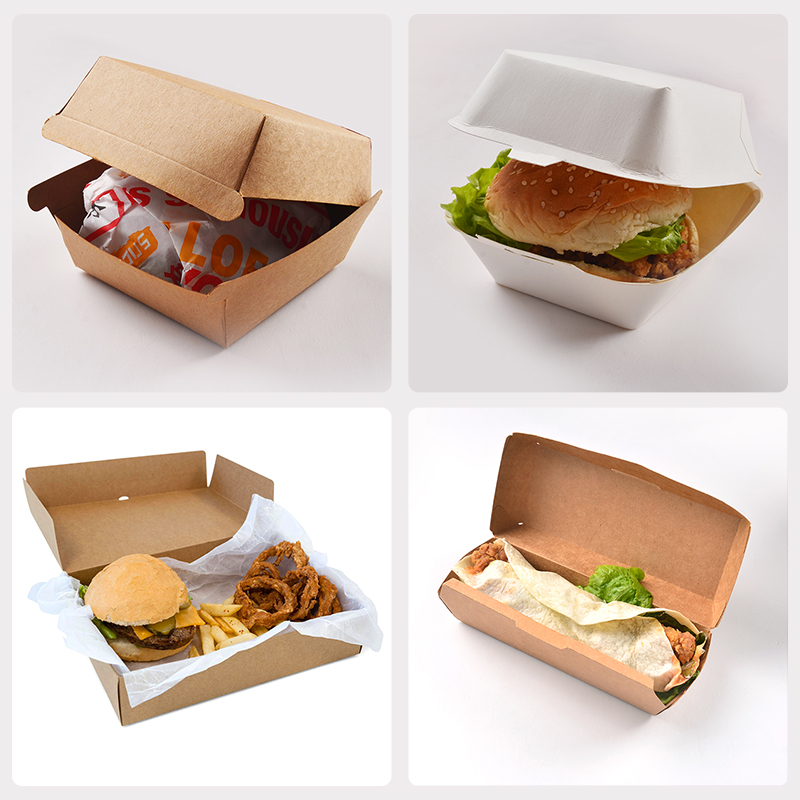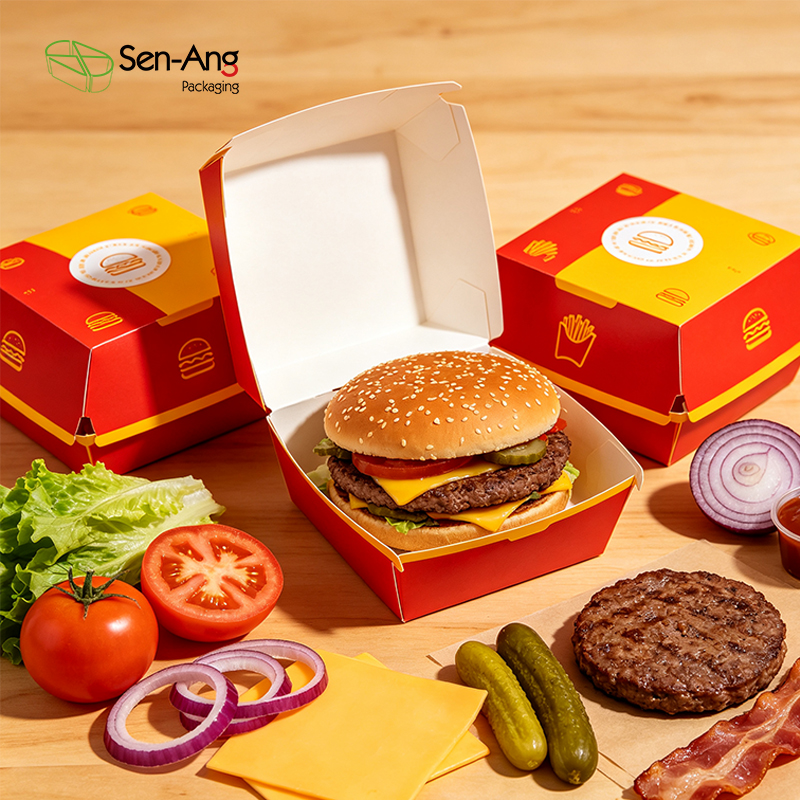
The food service industry has evolved dramatically over the past decade, with packaging playing an increasingly crucial role in customer satisfaction and brand differentiation. Hamburger boxes have transformed from simple functional containers into powerful marketing tools that significantly impact the overall dining experience. Modern consumers expect more than just a meal; they seek memorable experiences that reflect quality, sustainability, and brand values. Custom packaging solutions address these expectations while providing practical benefits that extend far beyond basic food protection.

Food packaging directly influences customer perception before the first bite is taken. The visual appeal, structural integrity, and environmental considerations of hamburger boxes create lasting impressions that drive repeat business. Professional establishments recognize that investing in quality packaging solutions demonstrates commitment to excellence across every aspect of their operation. This comprehensive approach to customer experience creates competitive advantages that translate into measurable business growth and enhanced brand loyalty.
Brand Identity and Visual Impact
Creating Memorable First Impressions
Custom hamburger boxes serve as mobile billboards that extend brand visibility beyond the restaurant walls. When customers carry branded packaging through public spaces, they inadvertently promote the establishment to potential new customers. The visual elements incorporated into packaging design create immediate brand recognition and reinforce corporate identity. High-quality printing techniques allow for vibrant colors, crisp logos, and detailed graphics that capture attention and convey professionalism.
The psychological impact of well-designed packaging cannot be underestimated in today's competitive marketplace. Customers often share their dining experiences on social media platforms, and attractive packaging increases the likelihood of positive online exposure. Professional hamburger boxes photograph well and encourage customer-generated content that provides valuable word-of-mouth marketing. This organic promotion reaches extended social networks and influences purchasing decisions among potential customers who value peer recommendations.
Consistency Across Multiple Touchpoints
Effective branding requires consistency across all customer interaction points, and packaging represents a critical touchpoint that reinforces brand values. Custom hamburger boxes allow businesses to maintain visual coherence with other marketing materials, creating a unified brand experience. This consistency builds trust and recognition, making customers more likely to remember and recommend the establishment to others. Professional design elements communicate attention to detail and quality standards that customers associate with superior products and services.
Strategic color choices, typography, and imagery work together to communicate brand personality and target specific customer demographics. Premium establishments might choose elegant, minimalist designs that suggest sophistication, while family-friendly restaurants might opt for colorful, playful graphics that appeal to children and parents alike. The flexibility of custom packaging solutions enables businesses to align their physical presentation with their intended market positioning and customer expectations.
Functional Benefits and Food Safety
Temperature Retention and Freshness
Advanced materials used in modern hamburger boxes provide superior insulation properties that maintain optimal food temperatures during transport and consumption. Proper temperature control prevents condensation buildup that can compromise food quality and customer satisfaction. Specialized coatings and construction techniques create barriers against moisture and grease while maintaining structural integrity under various conditions. These functional improvements directly impact food safety standards and reduce the risk of customer complaints related to soggy or cold products.
Ventilation features incorporated into custom packaging designs prevent steam accumulation that can make crispy elements soggy during delivery or takeout scenarios. Strategic placement of air vents maintains food quality while preventing packaging failure due to pressure buildup. Quality hamburger boxes protect food integrity from preparation through consumption, ensuring that customers receive products that meet or exceed their expectations. This attention to functional details demonstrates professional standards that customers recognize and appreciate.

Structural Integrity and Convenience
Robust construction methods ensure that packaging maintains its shape and protective qualities throughout handling, transport, and storage. Reinforced corners and secure closure systems prevent accidental opening and food spillage that could create negative customer experiences. Ergonomic design considerations make packages easy to carry and open, reducing frustration and enhancing convenience for busy customers. These practical benefits contribute significantly to overall customer satisfaction and likelihood of repeat business.
Stackable designs optimize storage space in commercial kitchens and delivery vehicles while maintaining package integrity. Efficient space utilization reduces operational costs and improves workflow efficiency during peak service periods. Custom hamburger boxes can be engineered to meet specific dimensional requirements that accommodate unique menu items while maintaining cost-effectiveness. This customization capability allows businesses to optimize their packaging solutions for maximum operational efficiency and customer convenience.
Environmental Responsibility and Sustainability
Eco-Friendly Materials and Manufacturing
Consumer awareness of environmental issues has created demand for sustainable packaging solutions that minimize ecological impact. Modern hamburger boxes utilize recycled materials and biodegradable components that align with corporate social responsibility initiatives. Sustainable packaging choices demonstrate environmental stewardship that resonates with environmentally conscious customers and enhances brand reputation. These materials maintain performance standards while reducing carbon footprint and waste generation associated with food service operations.
Water-based inks and non-toxic coatings ensure that packaging materials can be safely recycled or composted after use. Manufacturing processes that minimize energy consumption and waste production further enhance the environmental benefits of sustainable packaging choices. Businesses that prioritize environmental responsibility often discover that these values attract like-minded customers who become loyal advocates for the brand. This alignment between corporate values and customer values creates powerful emotional connections that drive long-term business success.
Waste Reduction and Circular Economy
Optimized packaging designs minimize material usage while maintaining structural integrity and protective qualities. Right-sizing packaging reduces unnecessary waste and transportation costs while improving storage efficiency. Custom hamburger boxes can be designed for specific menu items to eliminate excess material usage and reduce overall environmental impact. This precision approach to packaging design demonstrates commitment to sustainability while controlling operational costs.
Compostable materials enable customers to dispose of packaging responsibly through municipal composting programs or home composting systems. Clear labeling and disposal instructions help customers make informed choices about waste management and reinforce the establishment's commitment to environmental responsibility. These sustainable practices often generate positive publicity and customer goodwill that translates into competitive advantages in environmentally conscious markets.
Customer Convenience and Satisfaction
Enhanced Portability and Ease of Use
Thoughtful design features make hamburger boxes more convenient for customers to handle in various situations. Integrated carrying handles, secure closure mechanisms, and spill-resistant construction reduce the likelihood of accidents and frustration during transport. These convenience features are particularly important for delivery services and takeout orders where customers may be eating in cars, offices, or outdoor settings. Improved functionality directly contributes to positive customer experiences and encourages repeat business.
One-handed opening mechanisms allow customers to access their food easily while multitasking or in confined spaces. Perforated tear strips and intuitive closure systems make packaging user-friendly for customers of all ages and physical abilities. These accessibility considerations demonstrate inclusive design principles that welcome diverse customer populations. Universal design features ensure that packaging enhances rather than hinders the dining experience for all customers.
Information Communication and Transparency
Custom packaging provides valuable real estate for communicating important information about ingredients, nutritional content, and allergen warnings. Clear labeling helps customers make informed choices and demonstrates transparency that builds trust. QR codes and website URLs printed on hamburger boxes can direct customers to additional information, promotional offers, or feedback opportunities. This digital integration extends the customer relationship beyond the immediate transaction and creates opportunities for ongoing engagement.
Promotional messages and special offers printed on packaging can drive repeat visits and increase customer lifetime value. Limited-time offers and loyalty program information reach customers when they are most engaged with the brand experience. Strategic messaging on packaging materials creates additional marketing touchpoints that complement other promotional channels. This multi-channel approach to customer communication maximizes marketing effectiveness while providing added value to customers.
Cost-Effectiveness and Operational Efficiency
Inventory Management and Storage Solutions
Standardized packaging dimensions simplify inventory management and reduce storage space requirements in commercial kitchens. Efficient nesting and stacking capabilities maximize storage density while maintaining easy access for kitchen staff during busy service periods. Predictable packaging specifications enable accurate cost planning and purchasing decisions that support profitable operations. These operational efficiencies compound over time to generate significant cost savings and improved workflow management.
Bulk purchasing opportunities for custom hamburger boxes often result in lower per-unit costs compared to generic alternatives. Long-term supplier relationships and volume commitments can secure favorable pricing structures that improve profit margins. Quality packaging reduces food waste and customer complaints that can be costly to resolve. This investment in superior packaging materials often pays for itself through improved operational efficiency and customer satisfaction scores.
Staff Training and Workflow Optimization
Intuitive packaging designs reduce training time required for kitchen staff to properly package orders. Standardized assembly procedures minimize errors and increase packaging speed during peak service periods. Color-coded systems and visual cues can help staff quickly identify appropriate packaging for different menu items. These efficiency improvements contribute to faster service times and improved customer satisfaction while reducing labor costs associated with packaging operations.
Pre-folded packaging solutions eliminate assembly time and reduce the risk of incorrect folding that could compromise food safety or presentation. Ready-to-use hamburger boxes streamline kitchen operations and allow staff to focus on food preparation rather than packaging assembly. This operational efficiency becomes particularly valuable during high-volume periods when every second counts toward maintaining service quality standards. Improved workflow management contributes to staff satisfaction and reduces turnover in high-stress kitchen environments.
Marketing and Customer Engagement
Social Media and Digital Marketing Integration
Instagram-worthy packaging designs encourage customers to photograph and share their dining experiences on social media platforms. Hashtag campaigns and social media contests can leverage custom packaging as entry requirements or promotional tools. User-generated content featuring branded hamburger boxes provides authentic marketing materials that resonate with potential customers more effectively than traditional advertising. This organic promotion extends marketing reach without additional advertising costs while building community engagement around the brand.
QR codes integrated into packaging designs can direct customers to exclusive online content, promotional videos, or virtual experiences that extend engagement beyond the physical meal. Augmented reality features accessed through smartphone apps can create interactive experiences that differentiate the brand from competitors. These digital integration opportunities transform simple packaging into gateway experiences that create deeper customer connections and memorable brand interactions.
Seasonal Campaigns and Limited Editions
Holiday-themed hamburger boxes create opportunities for seasonal marketing campaigns that generate excitement and drive traffic during specific periods. Limited-edition packaging designs can create urgency and encourage customers to visit more frequently to collect different designs. Collaborative designs featuring local artists or community themes can strengthen ties with the local customer base while generating positive publicity. These special packaging initiatives create talking points that extend word-of-mouth marketing and social media engagement.
Anniversary celebrations, grand openings, and milestone events can be commemorated through special packaging designs that become collectible items for loyal customers. These memorable keepsakes create emotional connections that extend far beyond the immediate dining experience. Special edition packaging often generates media coverage and social media buzz that provides valuable marketing exposure at relatively low cost compared to traditional advertising campaigns.
FAQ
What materials are commonly used for custom hamburger boxes
Custom hamburger boxes are typically manufactured from food-grade cardboard, corrugated materials, or sustainable alternatives like bamboo fiber and recycled paper products. These materials must meet food safety regulations while providing adequate grease resistance and structural integrity. Modern manufacturing techniques allow for various coatings and treatments that enhance performance characteristics while maintaining environmental sustainability. The choice of material depends on specific requirements such as temperature resistance, moisture protection, and biodegradability preferences.
How do custom hamburger boxes impact food delivery services
Custom packaging significantly enhances delivery service quality by maintaining food temperature and preventing spillage during transport. Branded packaging creates professional presentation that builds customer confidence in delivery quality. Secure closure systems and leak-resistant construction reduce the risk of delivery accidents that could damage customer property or create negative experiences. These quality improvements often result in higher customer ratings and increased delivery order frequency.
What design considerations are important for hamburger box customization
Effective hamburger box design must balance visual appeal with functional requirements such as grease resistance, stackability, and ease of assembly. Brand colors, logos, and messaging should be prominently featured while ensuring adequate contrast for readability. Ventilation requirements must be considered to prevent condensation while maintaining structural integrity. Size optimization ensures efficient material usage while accommodating specific menu items without excess space that could allow food movement during transport.
How can businesses measure the ROI of custom packaging investments
Return on investment for custom hamburger boxes can be measured through various metrics including customer satisfaction scores, repeat purchase rates, and social media engagement levels. Brand recognition improvements and word-of-mouth marketing value can be quantified through customer surveys and referral tracking. Operational efficiency gains from reduced waste, faster packaging times, and fewer customer complaints contribute to measurable cost savings. Long-term benefits include enhanced brand value and customer loyalty that drive sustained revenue growth.