 EN
EN

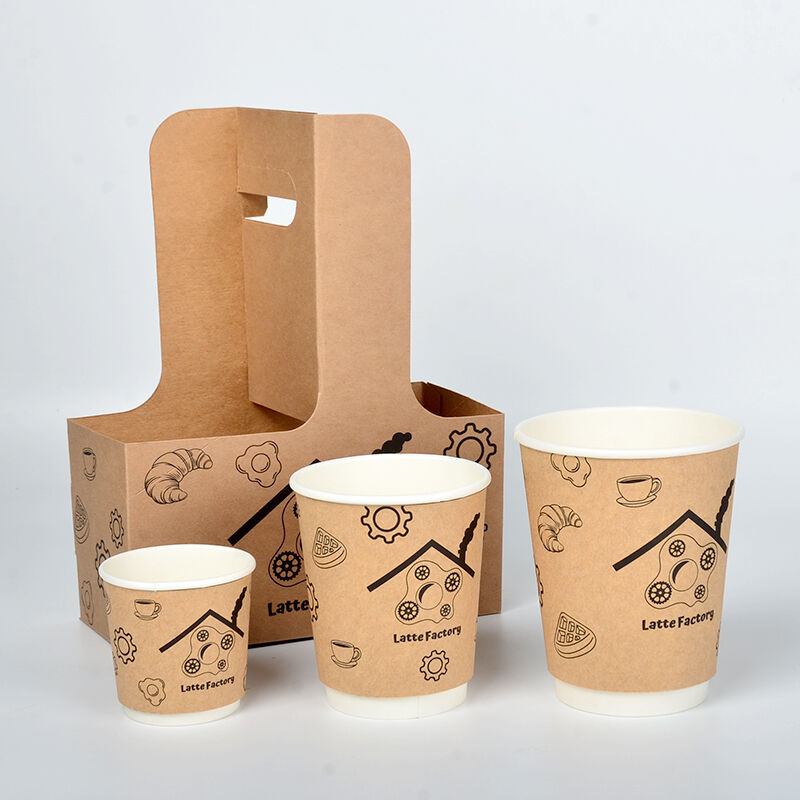
The growing demand for sustainable packaging solutions has transformed how businesses approach disposable drinkware, making eco-friendly paper cups an essential consideration for environmentally conscious establishments. Understanding what features truly define a high-quality eco-friendly paper cup requires examining both environmental credentials and functional performance characteristics that meet commercial standards. Modern businesses need comprehensive insights into the specific attributes that differentiate superior sustainable paper cups from conventional alternatives, ensuring their choices align with both environmental goals and operational requirements.
The evaluation of quality features in an eco-friendly paper cup encompasses multiple dimensions that extend beyond surface-level environmental claims. Professional foodservice operators must consider material composition, manufacturing processes, performance capabilities, and end-of-life disposal characteristics to make informed purchasing decisions. Each feature contributes to the overall sustainability profile while maintaining the functional integrity required for commercial beverage service applications.
Core Material Composition and Sourcing Standards
Certified Sustainable Fiber Content
The foundation of any high-quality eco-friendly paper cup begins with responsibly sourced fiber materials that demonstrate verified sustainability credentials. Premium eco-friendly paper cups utilize virgin fibers from Forest Stewardship Council certified forests or recycled content that meets stringent quality standards for food contact applications. The paper base typically contains a minimum of 70-80% certified sustainable fibers, ensuring the primary material component supports responsible forest management practices.
Fiber quality directly impacts the structural integrity and environmental performance of the finished eco-friendly paper cup. High-grade sustainable fibers provide superior strength characteristics while maintaining biodegradability properties essential for composting applications. The fiber processing methods employed must also align with environmental standards, avoiding chlorine bleaching and other harmful chemical treatments that compromise the eco-friendly designation.
Water-Based Barrier Coating Technology
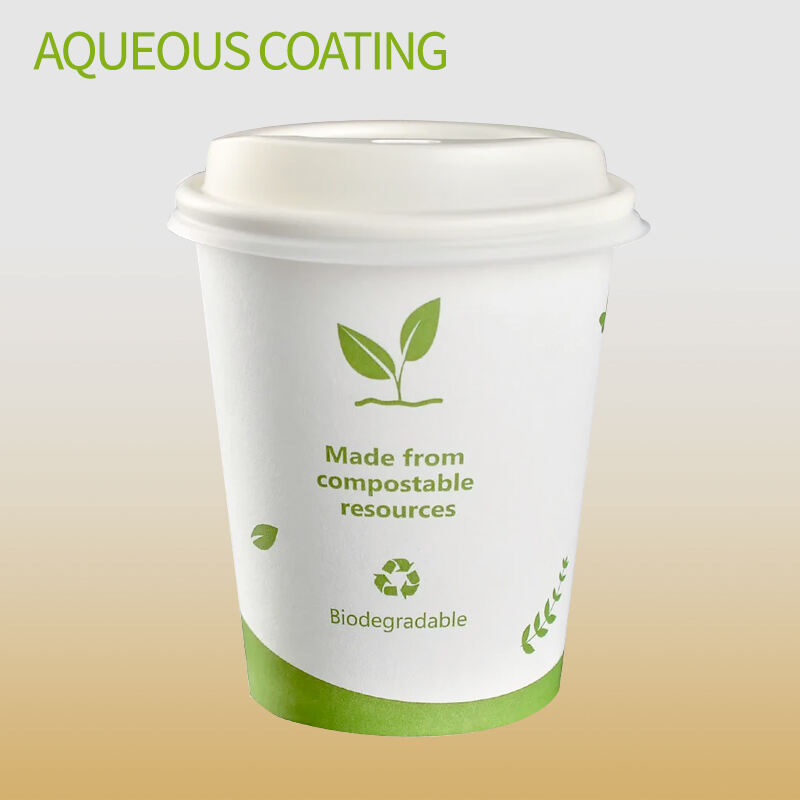
Traditional paper cups rely on polyethylene plastic linings that prevent recycling and composting, but advanced eco-friendly paper cup designs incorporate water-based barrier coatings that maintain liquid resistance while preserving environmental compatibility. These innovative coatings create effective moisture barriers without introducing petroleum-based plastics that interfere with waste processing systems. Water-based coating technology represents a significant advancement in sustainable paper cup manufacturing.
The application precision of water-based coatings determines both performance reliability and environmental impact characteristics. Quality eco-friendly paper cup manufacturers employ controlled coating processes that ensure complete coverage without excessive material usage. This balance optimizes both liquid containment properties and biodegradation rates in appropriate composting environments.
Performance and Functionality Characteristics
Heat Resistance and Insulation Properties
Professional-grade eco-friendly paper cups must deliver consistent thermal performance across various beverage temperatures without compromising structural integrity or user safety. Quality eco-friendly paper cup designs incorporate multi-layer construction techniques that provide adequate insulation for hot beverages while maintaining cool-touch exterior surfaces. The thermal stability characteristics ensure reliable performance during extended holding periods typical in commercial foodservice operations.
Heat resistance testing validates the performance capabilities of eco-friendly paper cup products under real-world usage conditions. Superior products maintain dimensional stability and barrier properties when exposed to beverages at temperatures up to 85-90°C for extended periods. This thermal reliability ensures customer satisfaction while supporting the operational efficiency required in high-volume service environments.
Liquid Containment and Leak Prevention
Effective liquid containment represents a fundamental quality requirement for any eco-friendly paper cup designed for commercial applications. Advanced barrier coating technologies must provide reliable leak prevention while maintaining the environmental compatibility that distinguishes eco-friendly options from conventional plastic-lined alternatives. The seam construction and bottom bonding methods employed significantly impact long-term containment reliability.
Quality eco-friendly paper cup manufacturers implement rigorous testing protocols to validate liquid containment performance across various beverage types and storage conditions. These assessments evaluate resistance to oils, acids, and other challenging liquid compositions that could compromise barrier effectiveness. Consistent performance across diverse beverage applications ensures the eco-friendly paper cup meets professional foodservice standards.
Manufacturing Process and Environmental Impact
Energy-Efficient Production Methods
The manufacturing processes employed in eco-friendly paper cup production significantly influence the overall environmental impact and sustainability credentials of the finished products. Leading manufacturers implement energy-efficient production technologies that minimize carbon footprint while maintaining consistent quality standards. These processes often utilize renewable energy sources and optimize material usage to reduce waste generation throughout the manufacturing cycle.
Water consumption and chemical usage during eco-friendly paper cup manufacturing require careful management to maintain environmental performance standards. Quality producers employ closed-loop water systems and non-toxic processing chemicals that support worker safety and environmental protection objectives. The integration of clean production technologies distinguishes premium eco-friendly paper cup suppliers from conventional manufacturers focused solely on cost minimization.
Quality Control and Consistency Standards
Consistent quality delivery requires comprehensive testing and monitoring systems that validate every aspect of eco-friendly paper cup performance and environmental characteristics. Professional manufacturers implement multi-stage quality control procedures that assess material properties, dimensional accuracy, barrier effectiveness, and environmental compliance throughout the production process. These systems ensure each eco-friendly paper cup meets established specifications for both functionality and sustainability.
Traceability systems enable quality eco-friendly paper cup suppliers to document material origins, processing methods, and performance validation for each production batch. This documentation supports certification requirements and provides customers with verification of environmental claims. Comprehensive quality management systems demonstrate the manufacturer's commitment to delivering reliable eco-friendly paper cup products that meet professional standards.
End-of-Life Disposal and Composting Characteristics
Biodegradation Performance Standards
The end-of-life characteristics of an eco-friendly paper cup determine its true environmental impact and distinguish quality products from those that simply carry environmental marketing claims. Genuine eco-friendly paper cups demonstrate verified biodegradation performance under both commercial composting conditions and appropriate natural environments. Industry-standard testing protocols such as ASTM D6868 and EN 13432 provide objective validation of composting performance.
Biodegradation timeframes for quality eco-friendly paper cup products typically range from 60-180 days under optimal composting conditions, depending on material composition and coating technologies employed. The complete breakdown must occur without leaving harmful residues that could impact soil quality or plant growth. This performance level ensures the eco-friendly paper cup contributes positively to waste management systems designed to support circular economy principles.
Recycling Infrastructure Compatibility
While composting represents the preferred end-of-life pathway for most eco-friendly paper cup designs, compatibility with existing recycling infrastructure provides additional disposal flexibility for businesses and consumers. Quality eco-friendly paper cups utilize materials and construction methods that support processing through standard paper recycling systems where appropriate facilities exist. This compatibility expands the sustainable disposal options available to end users.
Regional variations in waste management infrastructure influence the practical disposal options for eco-friendly paper cup products. Premium suppliers provide clear guidance on appropriate disposal methods for different geographic markets, supporting customer education initiatives that maximize environmental benefits. Understanding local waste processing capabilities helps businesses select eco-friendly paper cup products that align with available disposal infrastructure.
Certification and Compliance Verification
Third-Party Environmental Certifications
Credible environmental certifications provide objective validation of eco-friendly paper cup sustainability claims and help businesses identify products that deliver genuine environmental benefits. Recognized certification programs such as BPI (Biodegradable Products Institute), ASTM International standards, and FSC (Forest Stewardship Council) chain-of-custody documentation establish verification frameworks for environmental performance claims.
The certification process for eco-friendly paper cup products involves comprehensive testing and documentation of materials, manufacturing processes, and performance characteristics. These assessments validate everything from fiber sourcing practices to biodegradation performance under controlled conditions. Third-party certification eliminates uncertainty about environmental claims and supports informed purchasing decisions based on verified performance data.
Food Safety and Regulatory Compliance
Food contact regulations establish safety requirements that all eco-friendly paper cup products must meet regardless of their environmental characteristics. Quality eco-friendly paper cups comply with FDA regulations for food contact materials and demonstrate migration testing results that confirm the safety of barrier coatings and adhesives used in construction. These safety validations ensure environmental benefits do not compromise consumer health protection.
International food safety standards create additional compliance requirements for eco-friendly paper cup products destined for global markets. Leading manufacturers maintain certifications that demonstrate compliance with European Union regulations, Japanese food contact standards, and other regional requirements. This comprehensive regulatory compliance supports market access while maintaining the safety and environmental performance characteristics that define quality eco-friendly paper cup products.
FAQ
How can businesses verify the authenticity of eco-friendly paper cup environmental claims?
Businesses should look for third-party certifications such as BPI compostability certification, FSC chain-of-custody documentation, and ASTM testing results that validate biodegradation performance. Request detailed material composition information and manufacturing process documentation from suppliers. Legitimate eco-friendly paper cup manufacturers provide transparent information about fiber sourcing, coating technologies, and end-of-life performance characteristics supported by independent testing data.
What performance differences exist between water-based coatings and traditional plastic linings in paper cups?
Water-based coatings in eco-friendly paper cup designs provide comparable liquid barrier performance to plastic linings while maintaining compostability and recyclability characteristics. The heat resistance and durability may differ slightly, with water-based coatings typically performing well up to 85-90°C for extended periods. Traditional plastic linings offer slightly superior heat resistance but prevent composting and recycling, making water-based alternatives preferable for sustainability-focused applications.
Do eco-friendly paper cups cost significantly more than conventional alternatives?
Quality eco-friendly paper cup products typically cost 10-25% more than conventional plastic-lined alternatives, reflecting the advanced materials and manufacturing processes required for environmental performance. However, the price differential continues to decrease as production volumes increase and technology improvements reduce manufacturing costs. Many businesses find the modest price premium justified by customer preference trends, regulatory compliance advantages, and corporate sustainability objectives.
What disposal infrastructure is required to realize the environmental benefits of eco-friendly paper cups?
Eco-friendly paper cups require access to commercial composting facilities that accept food service packaging or appropriate recycling infrastructure depending on the specific product design. Businesses should verify local waste management capabilities before implementing eco-friendly paper cup programs. Some products offer dual-stream compatibility, allowing disposal through either composting or recycling channels depending on regional infrastructure availability and local waste management policies.
Table of Contents
- Core Material Composition and Sourcing Standards
- Performance and Functionality Characteristics
- Manufacturing Process and Environmental Impact
- End-of-Life Disposal and Composting Characteristics
- Certification and Compliance Verification
-
FAQ
- How can businesses verify the authenticity of eco-friendly paper cup environmental claims?
- What performance differences exist between water-based coatings and traditional plastic linings in paper cups?
- Do eco-friendly paper cups cost significantly more than conventional alternatives?
- What disposal infrastructure is required to realize the environmental benefits of eco-friendly paper cups?