 EN
EN

The global shift toward environmental consciousness has revolutionized the foodservice industry, with eco-friendly coffee cups emerging as a cornerstone of sustainable business practices. Modern cafés and restaurant chains face increasing pressure from environmentally aware consumers who prioritize brands demonstrating genuine commitment to reducing their ecological footprint. These sustainable alternatives to traditional disposable cups offer compelling advantages that extend far beyond environmental benefits, encompassing cost efficiency, brand enhancement, and regulatory compliance.
Contemporary eco-friendly coffee cups incorporate advanced materials and manufacturing processes that deliver exceptional performance while maintaining environmental integrity. The transition from petroleum-based plastics to renewable resources represents a fundamental shift in how foodservice establishments approach their packaging strategies. Smart business owners recognize that adopting sustainable cup solutions positions their establishments as forward-thinking leaders in an increasingly competitive marketplace.
Material Innovation and Construction Quality
Advanced Biodegradable Materials
The foundation of superior eco-friendly coffee cups lies in their sophisticated material composition, featuring plant-based polymers and certified compostable fibers. These innovative materials undergo rigorous testing to ensure they maintain structural integrity while decomposing naturally within industrial composting facilities. Modern biodegradable cups utilize renewable resources such as cornstarch, sugarcane bagasse, and wheat straw, creating products that perform identically to traditional petroleum-based alternatives.
Manufacturing processes for eco-friendly coffee cups have evolved to incorporate water-based barriers and natural wax coatings that provide excellent moisture resistance without compromising compostability. These technological advances enable cafés to serve hot beverages confidently while knowing their packaging choices support circular economy principles. The durability of contemporary sustainable cups matches or exceeds conventional options, eliminating concerns about product performance during peak service periods.
Thermal Performance and Insulation
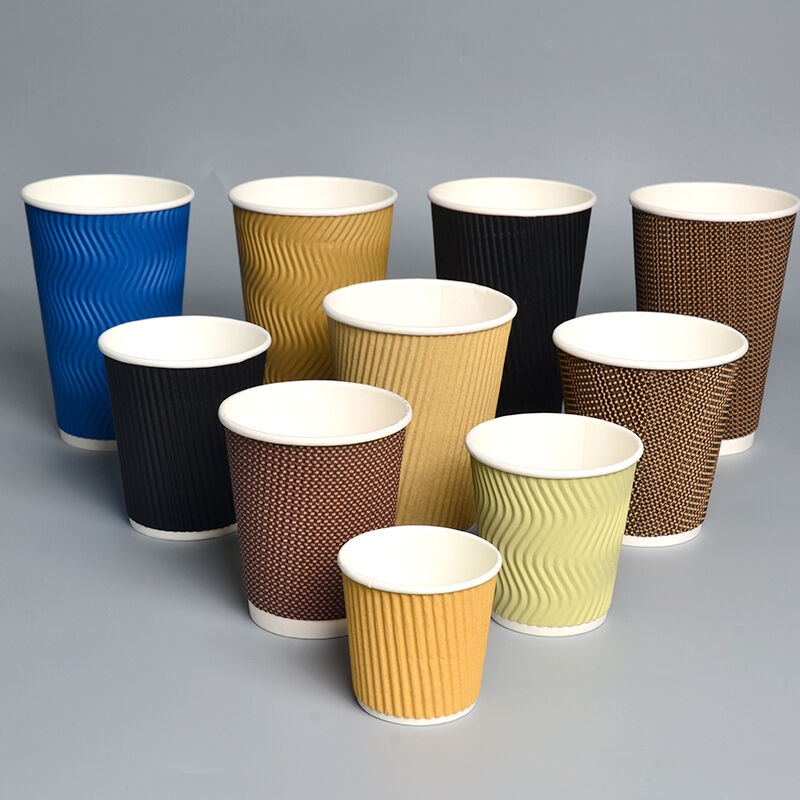
Professional-grade eco-friendly coffee cups feature engineered thermal properties that protect customers from heat while maintaining beverage temperature for extended periods. Double-wall construction techniques create insulating air pockets that enhance comfort and safety during consumption. The thermal efficiency of these cups reduces the need for additional sleeves or secondary packaging, streamlining service operations while minimizing waste generation.
Heat retention capabilities of premium sustainable cups ensure customer satisfaction by delivering consistent temperature profiles throughout the drinking experience. Advanced material formulations resist temperature-induced warping or structural failure, maintaining cup integrity even when filled with beverages exceeding 200 degrees Fahrenheit. This reliability proves essential for high-volume establishments serving hundreds of customers daily during peak hours.
Environmental Impact and Sustainability Benefits
Carbon Footprint Reduction
Implementing eco-friendly coffee cups significantly reduces establishment carbon footprints through lower manufacturing energy requirements and renewable resource utilization. Life cycle assessments demonstrate that plant-based cups generate substantially fewer greenhouse gas emissions compared to traditional petroleum-derived alternatives. The cultivation of raw materials for sustainable cups often involves carbon sequestration processes that partially offset manufacturing emissions.
Transportation efficiencies emerge from the lightweight construction of modern eco-friendly coffee cups, reducing fuel consumption during distribution and delivery. Many sustainable cup manufacturers prioritize local sourcing strategies that minimize shipping distances while supporting regional agricultural communities. These combined factors create measurable environmental improvements that align with corporate sustainability reporting requirements and consumer expectations.
Waste Management Solutions
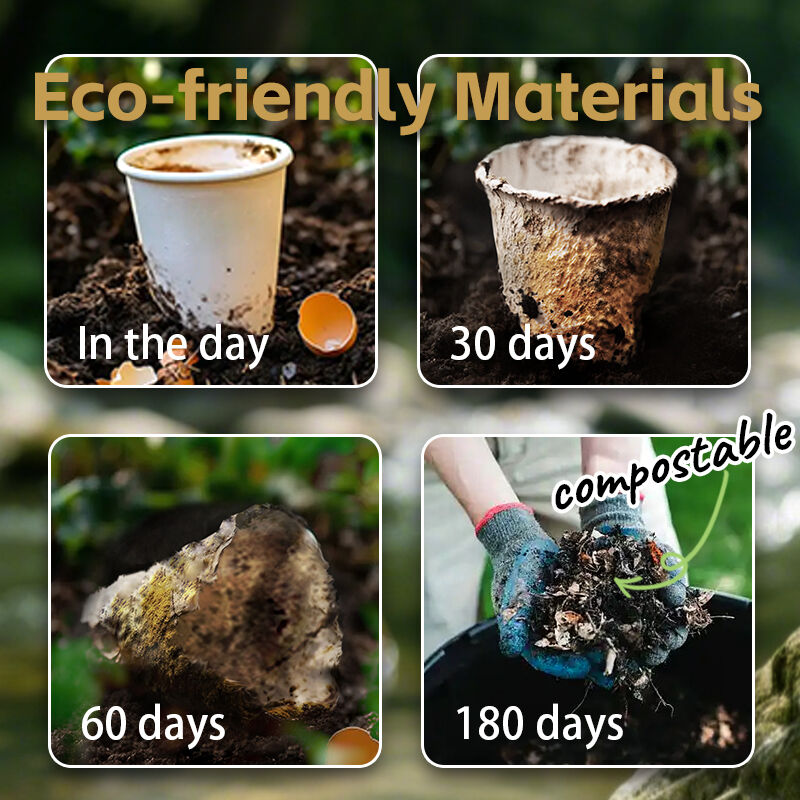
The composting characteristics of quality eco-friendly coffee cups provide practical solutions for waste management challenges facing modern foodservice operations. Industrial composting facilities can process these cups within 60-90 days under controlled conditions, transforming waste into valuable soil amendments. Some advanced formulations support home composting systems, enabling customers to participate directly in the circular economy process.
Waste stream simplification occurs when establishments adopt comprehensive sustainable packaging programs centered around eco-friendly coffee cups and coordinated accessories. Single-stream composting reduces sorting requirements and contamination risks while improving overall waste diversion rates. Progressive municipalities increasingly offer commercial composting services that create seamless disposal pathways for businesses prioritizing environmental responsibility.
Customer Perception and Brand Enhancement
Consumer Preference Trends
Market research consistently demonstrates that consumers actively seek establishments demonstrating authentic environmental stewardship through choices like eco-friendly coffee cups. Millennial and Generation Z customers particularly value brands that align with their sustainability priorities, often willing to pay premium prices for environmentally responsible products and services. This demographic shift creates competitive advantages for early adopters of sustainable packaging solutions.
Social media engagement increases significantly when customers can showcase their support for environmentally conscious businesses through photographing eco-friendly coffee cups and related packaging. The visual appeal of sustainable cups often incorporates natural textures and earth-tone colorations that photograph beautifully while communicating environmental values. User-generated content featuring sustainable packaging extends brand reach organically while reinforcing positive brand associations.
Marketing and Communication Opportunities
Strategic communication about eco-friendly coffee cups creates authentic storytelling opportunities that resonate with environmentally conscious consumers. Establishments can leverage their sustainable packaging choices to demonstrate corporate values while educating customers about environmental benefits. Clear labeling and informational materials help customers understand proper disposal methods while reinforcing brand commitment to sustainability.
Partnership opportunities emerge when cafés collaborate with local environmental organizations or composting facilities to create comprehensive sustainability narratives. These relationships provide credible third-party validation of environmental claims while supporting community-based environmental initiatives. Educational campaigns featuring eco-friendly coffee cups can position establishments as thought leaders in sustainable business practices.
Operational Efficiency and Cost Considerations
Supply Chain Management
Modern eco-friendly coffee cups benefit from increasingly sophisticated supply chains that ensure consistent availability and competitive pricing. Established manufacturers maintain robust inventory systems that prevent stockouts while offering flexible ordering quantities to accommodate varying business needs. Supply chain transparency enables establishments to verify environmental claims and ensure alignment with sustainability goals.
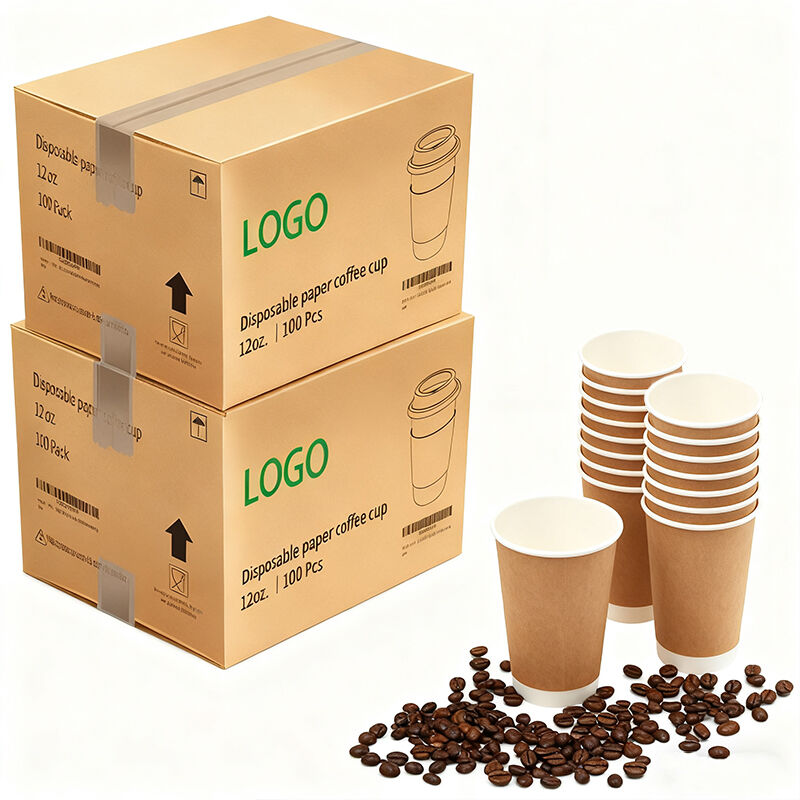
Bulk purchasing programs for eco-friendly coffee cups often provide substantial cost savings while simplifying procurement processes. Many suppliers offer comprehensive packaging solutions that include coordinated lids, sleeves, and accessories designed to work seamlessly together. These integrated approaches reduce complexity while ensuring visual consistency across all customer touchpoints.
Storage and Handling Requirements
Contemporary eco-friendly coffee cups feature compact packaging designs that optimize storage space while protecting product integrity during handling. Moisture-resistant packaging protects cups from humidity damage while stackable configurations maximize storage efficiency in limited space environments. Proper storage protocols ensure cups maintain their structural properties and visual appeal until point of use.
Training requirements for eco-friendly coffee cups remain minimal due to their similarity to traditional alternatives in terms of handling and preparation procedures. Staff adaptation occurs quickly as sustainable cups integrate seamlessly into existing workflows without requiring significant operational modifications. Clear identification systems help prevent mixing of different cup types while ensuring proper usage protocols.
Regulatory Compliance and Future Preparation
Legislative Trends and Requirements
Regulatory environments increasingly favor establishments utilizing eco-friendly coffee cups as governments implement single-use plastic restrictions and waste reduction mandates. Proactive adoption of sustainable packaging solutions positions businesses ahead of regulatory requirements while avoiding potential compliance costs or operational disruptions. Many jurisdictions offer incentives or tax advantages for businesses demonstrating measurable environmental improvements.
International standards for compostable packaging continue evolving, with eco-friendly coffee cups meeting or exceeding current certification requirements. Established certification programs provide clear guidelines for product selection while ensuring compatibility with local waste management infrastructure. These standards create confidence for both businesses and consumers regarding environmental claims and disposal procedures.
Industry Standards and Certifications
Third-party certifications for eco-friendly coffee cups provide objective verification of environmental claims while supporting procurement decision-making processes. Organizations like the Biodegradable Products Institute and ASTM International establish rigorous testing protocols that ensure product performance meets industry expectations. These certifications create credibility with customers while supporting sustainability reporting requirements.
Quality assurance programs monitor eco-friendly coffee cups throughout their lifecycle to ensure consistent performance and environmental benefits. Regular testing verifies compostability timelines, structural integrity, and safety standards while maintaining product reliability. Continuous improvement processes incorporate user feedback and technological advances to enhance product offerings over time.
Implementation Strategies for Different Business Types
Small Independent Cafés
Independent café operators can leverage eco-friendly coffee cups as powerful differentiation tools that attract environmentally conscious customers while supporting local community values. Small-scale implementation allows for careful testing and customer feedback collection before committing to large inventory investments. Many customers appreciate direct communication about sustainability choices and willingly support businesses demonstrating authentic environmental commitment.
Cost management strategies for smaller establishments include gradual transition approaches that phase in eco-friendly coffee cups alongside existing inventory depletion. Group purchasing cooperatives enable independent operators to access volume pricing typically reserved for larger chains. Educational partnerships with environmental organizations create marketing opportunities while demonstrating community engagement beyond profit motives.
Large Chain Operations
Multi-location chains benefit from standardized eco-friendly coffee cups implementation that creates consistent brand messaging while achieving significant environmental impact at scale. Corporate sustainability reporting becomes more compelling when supported by quantifiable metrics from sustainable packaging programs. Centralized procurement enables negotiation of favorable terms while ensuring quality consistency across all locations.
Training program development for large chains ensures consistent implementation of eco-friendly coffee cups while maintaining service quality standards. Digital platforms facilitate communication about sustainability initiatives while collecting performance data from individual locations. Franchise systems can leverage corporate sustainability leadership to attract environmentally conscious franchisees and customers.
FAQ
How do eco-friendly coffee cups compare in cost to traditional options
Eco-friendly coffee cups typically cost 10-25% more than conventional petroleum-based alternatives, but this premium continues decreasing as production scales increase and technology advances. Many establishments find that customer willingness to pay slightly higher prices for sustainable options offset the additional product costs. Long-term cost considerations include potential regulatory compliance expenses and brand value enhancement that justify initial investments.
What certifications should businesses look for when selecting sustainable cups
Key certifications for eco-friendly coffee cups include BPI (Biodegradable Products Institute) certification, ASTM D6400 and D6868 standards for compostability, and FDA approval for food contact safety. These certifications ensure products meet rigorous testing requirements for biodegradation, safety, and performance. Additional certifications like FSC (Forest Stewardship Council) may apply to fiber-based components and demonstrate responsible sourcing practices.
Can eco-friendly coffee cups handle the same temperature ranges as traditional cups
Modern eco-friendly coffee cups are engineered to withstand identical temperature ranges as conventional alternatives, typically handling liquids up to 200-220 degrees Fahrenheit safely. Advanced material formulations and barrier coatings provide excellent heat resistance while maintaining structural integrity throughout normal use. Double-wall construction options offer superior insulation properties that often exceed traditional single-wall cup performance.
How should establishments educate customers about proper disposal methods
Effective customer education combines clear labeling on eco-friendly coffee cups with informational signage near disposal areas and staff training to answer questions. Many successful establishments create simple visual guides showing proper composting procedures while providing information about local composting facilities. Social media campaigns and website content can reinforce disposal education while demonstrating ongoing commitment to environmental responsibility.
Table of Contents
- Material Innovation and Construction Quality
- Environmental Impact and Sustainability Benefits
- Customer Perception and Brand Enhancement
- Operational Efficiency and Cost Considerations
- Regulatory Compliance and Future Preparation
- Implementation Strategies for Different Business Types
-
FAQ
- How do eco-friendly coffee cups compare in cost to traditional options
- What certifications should businesses look for when selecting sustainable cups
- Can eco-friendly coffee cups handle the same temperature ranges as traditional cups
- How should establishments educate customers about proper disposal methods