Versatile Customization and Branding Opportunities
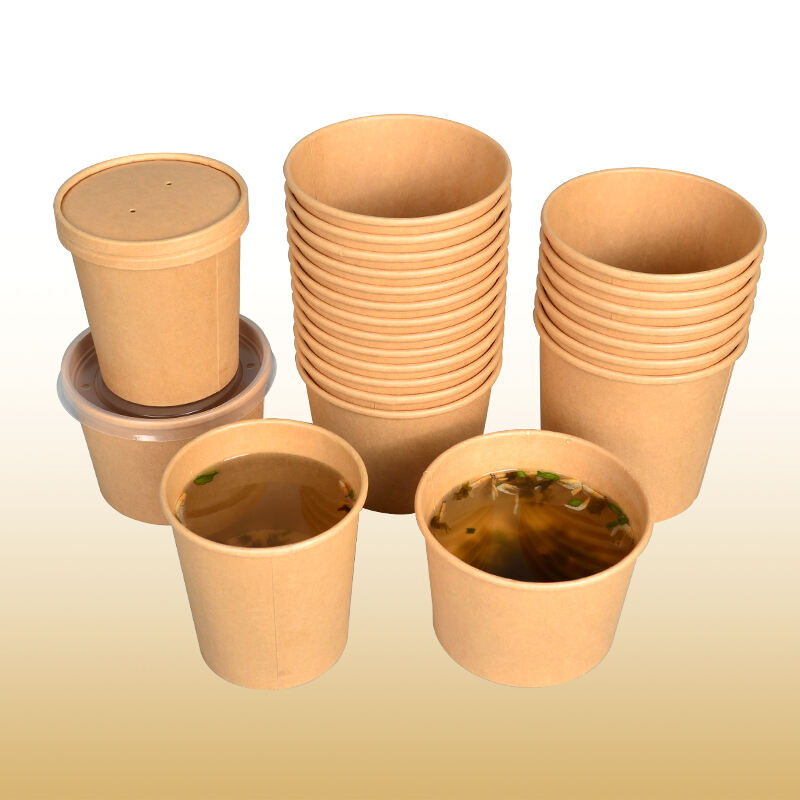
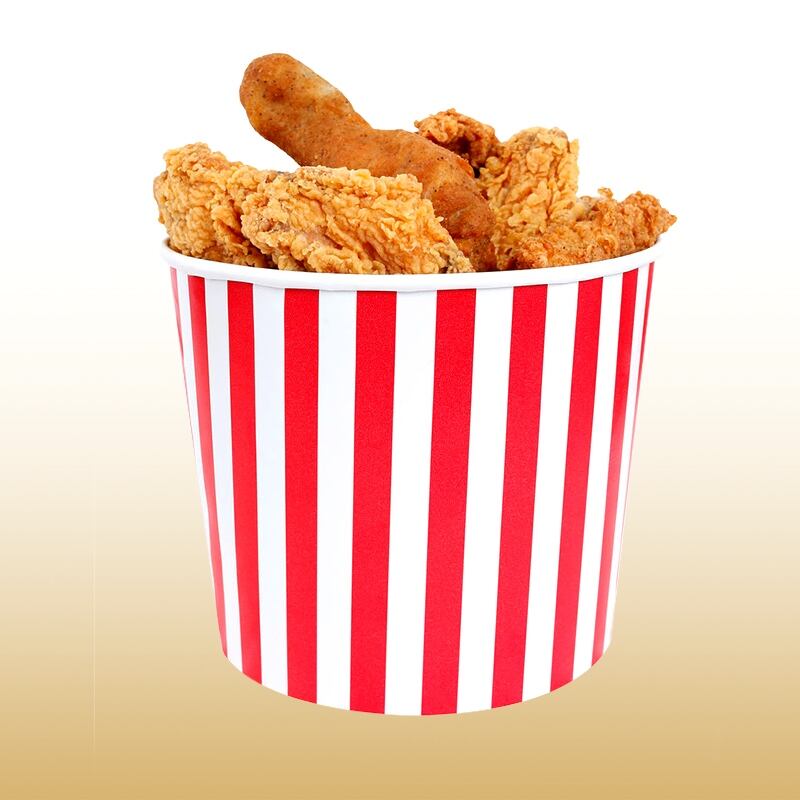
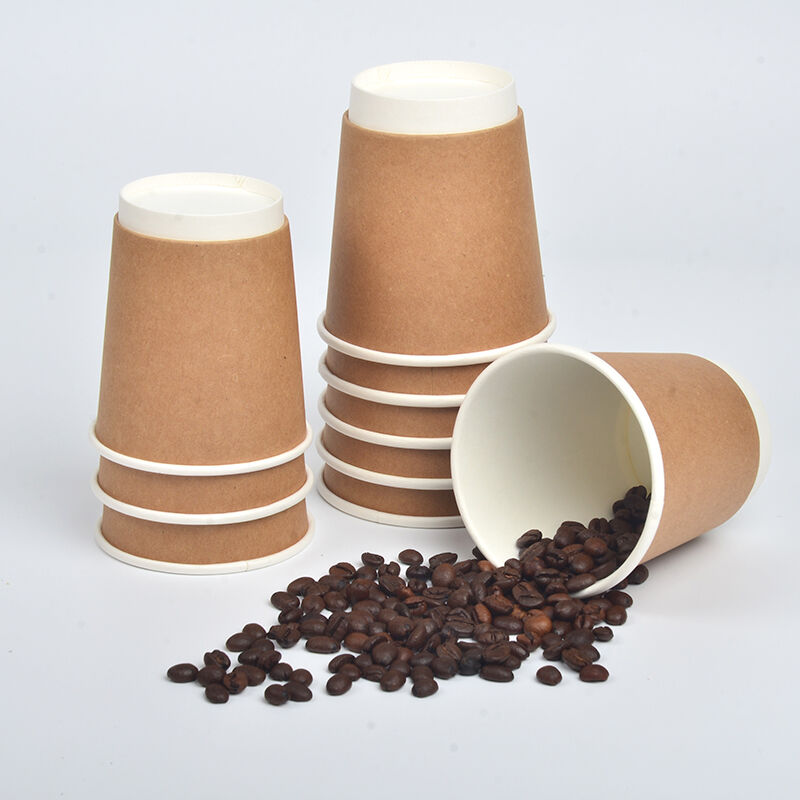
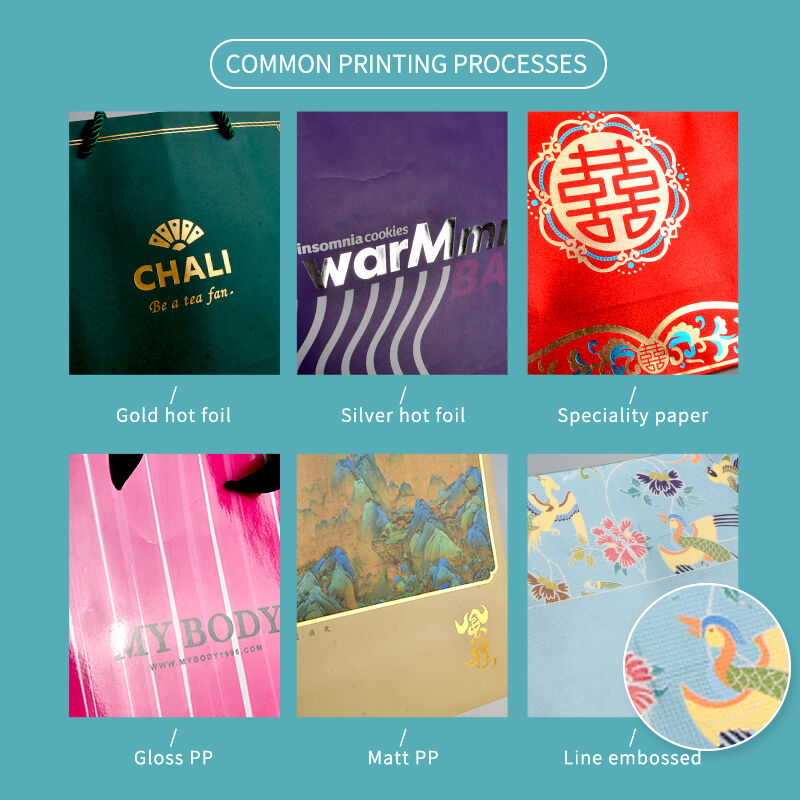
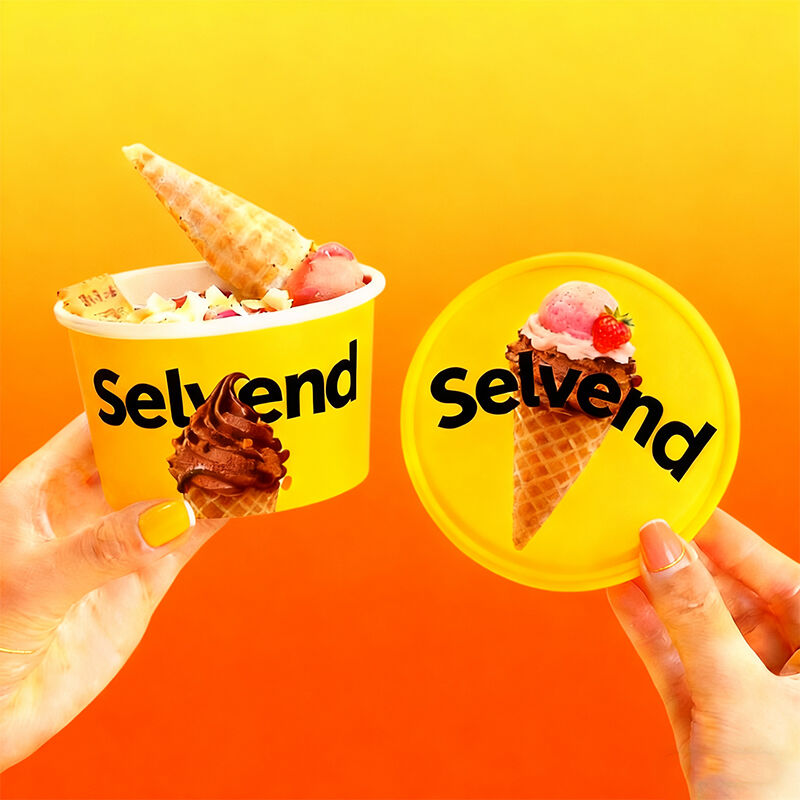
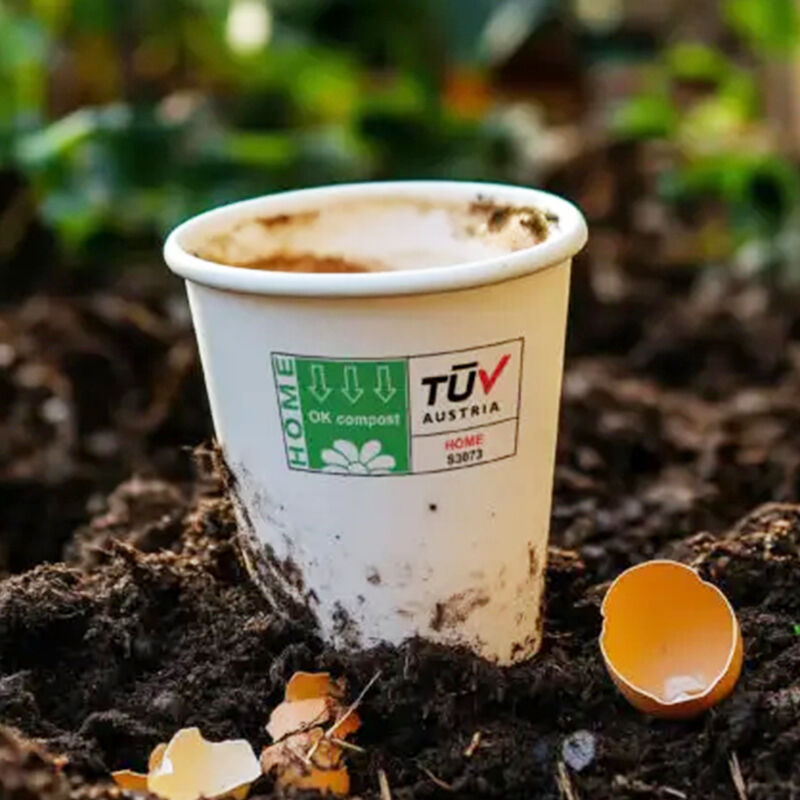
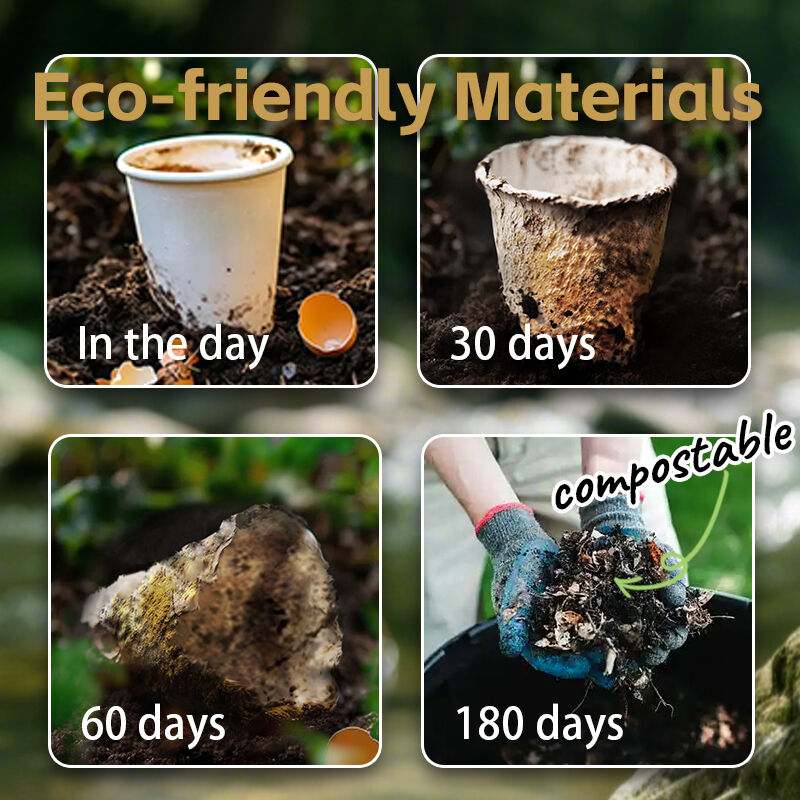
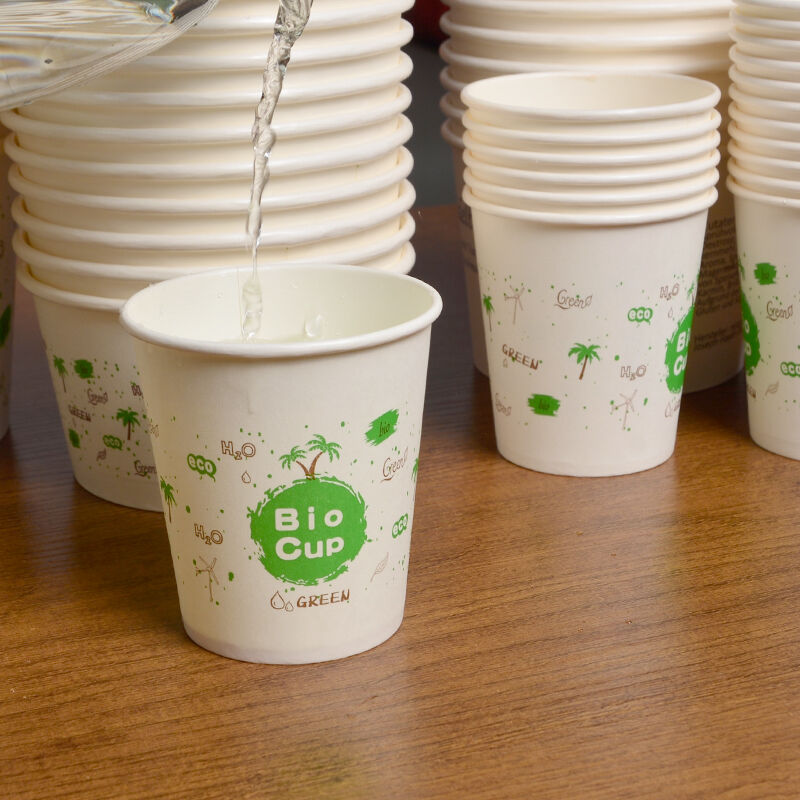
The biodegradable paper cup offers extensive personalization capabilities that transform functional containers into powerful marketing assets while maintaining environmental credentials. Manufacturers accommodate full-color printing using soy-based or water-based inks that biodegrade along with the cup material, enabling businesses to display logos, promotional messages, seasonal designs, or artistic patterns across the entire exterior surface. This customization creates mobile advertisements as customers carry branded cups through public spaces, generating visibility that extends marketing reach beyond physical premises. The printing quality rivals traditional cups with sharp resolution and vibrant colors that resist fading during normal handling and temperature exposure. Size flexibility allows businesses to order the biodegradable paper cup in dimensions matching specific menu offerings, from compact 4-ounce espresso servings to generous 24-ounce cold beverage formats, ensuring optimal presentation and portion control. Texture options include matte finishes that communicate natural authenticity or subtle gloss treatments that enhance visual appeal. Businesses can coordinate cup designs with lids, sleeves, and carriers to create cohesive branded experiences that reinforce company identity. This customization differentiates the biodegradable paper cup from generic alternatives while communicating sustainability values directly through product appearance, helping environmentally conscious businesses attract aligned customer demographics and justify premium pricing through perceived value that combines functionality with environmental responsibility.
 EN
EN