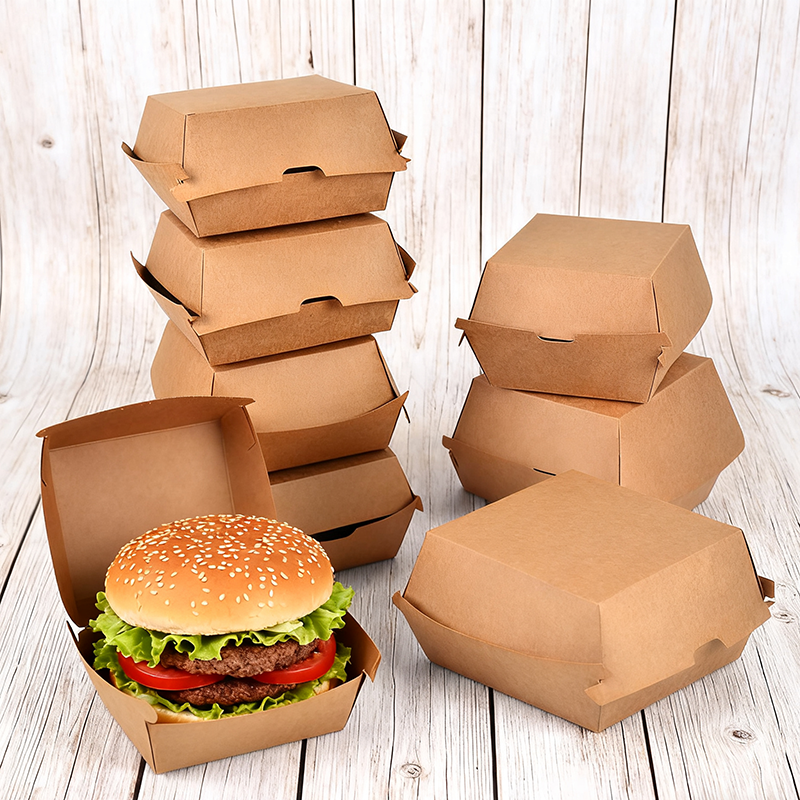
Premium Hamburger Packaging Solutions: Advanced Food Storage Technology

Get a Free Quote

Our representative will contact you soon.
Email
Phone/WhatsApp
Name
Company Name
Message
0/1000

hamburger packaging

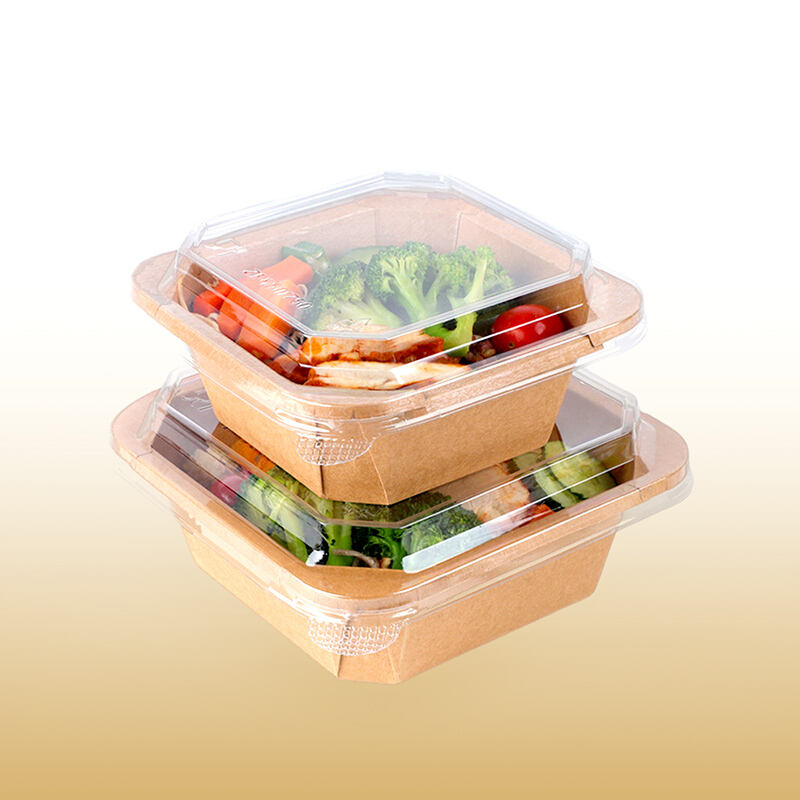
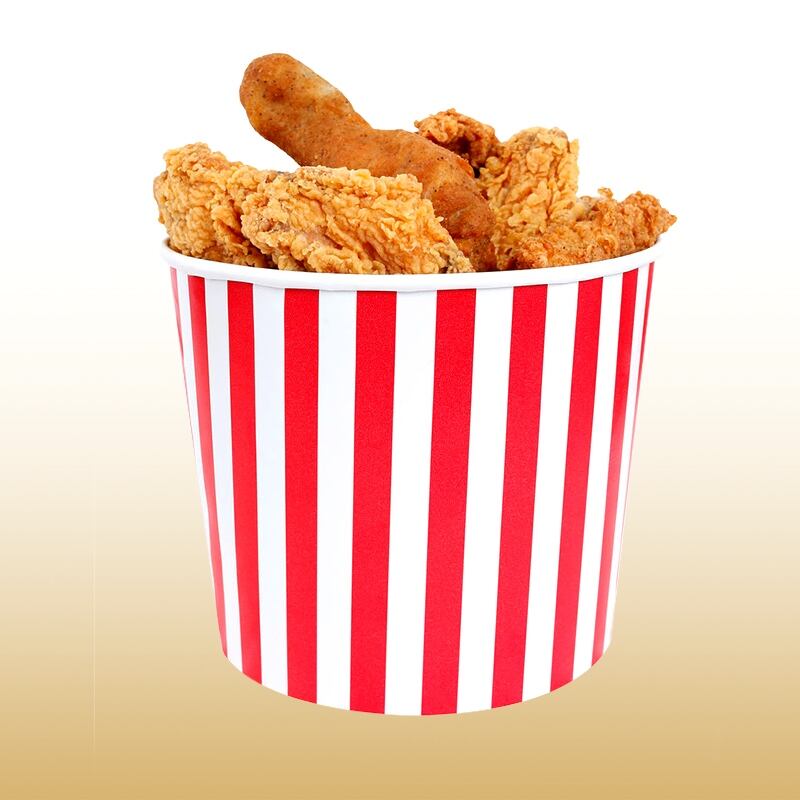
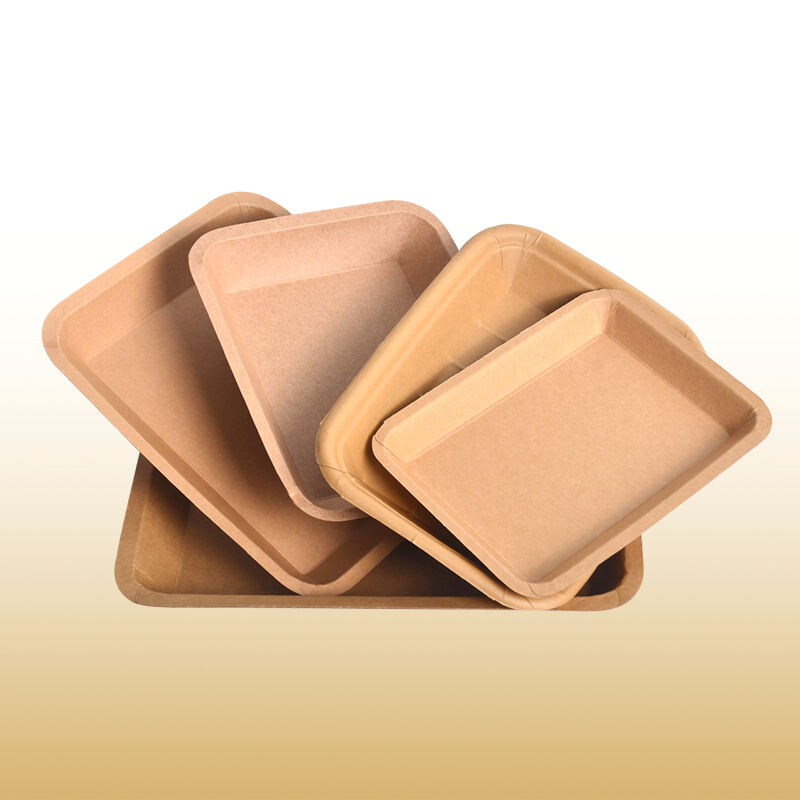
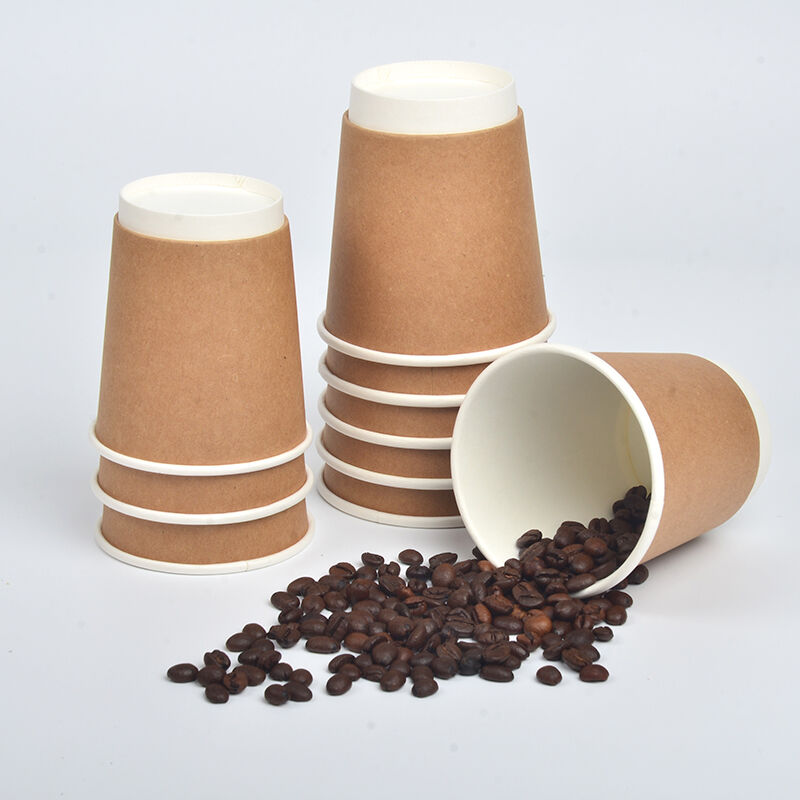
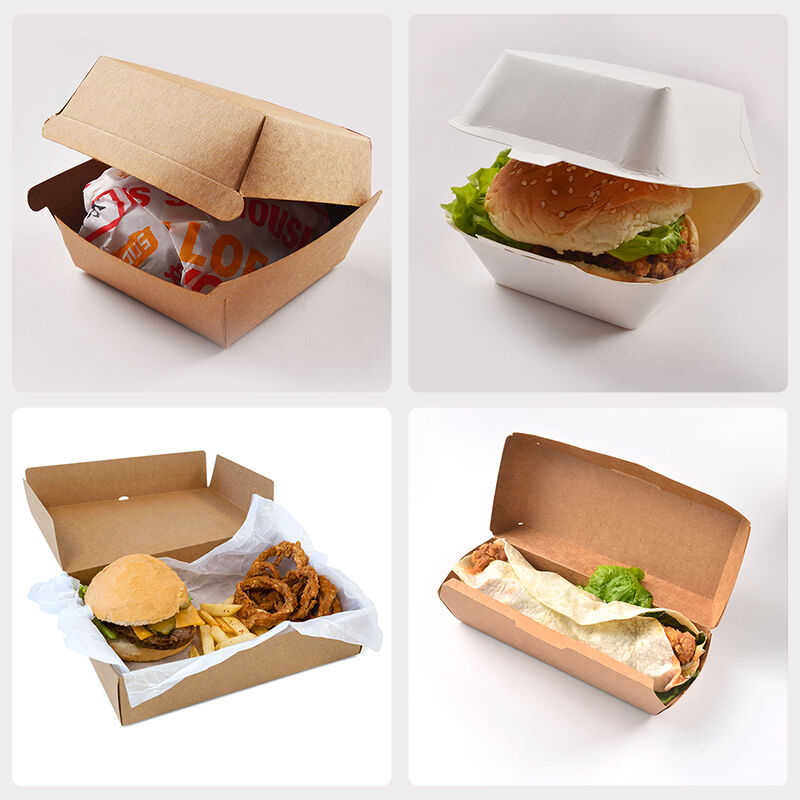
Hamburger packaging represents a critical component in the fast food and restaurant industry, serving as the protective barrier between freshly prepared burgers and the external environment. This specialized packaging solution encompasses various materials and designs, including paper wraps, cardboard boxes, clamshell containers, and foil-lined pouches, each engineered to maintain food quality during transport and storage. The primary functions of hamburger packaging extend beyond simple containment, incorporating heat retention capabilities that keep burgers warm for extended periods, moisture control systems that prevent sogginess while maintaining optimal texture, and grease resistance properties that prevent oil penetration and maintain structural integrity. Technological advancements in hamburger packaging have introduced innovative features such as ventilation systems that regulate steam buildup, antimicrobial coatings that enhance food safety, and biodegradable materials that address environmental concerns. Modern hamburger packaging utilizes food-grade materials that comply with strict safety regulations, ensuring direct food contact remains safe for consumers. The applications of hamburger packaging span multiple sectors, from fast-food chains and casual dining restaurants to food trucks, delivery services, and catering operations. Each application demands specific packaging characteristics, whether prioritizing heat retention for delivery services, stackability for high-volume operations, or visual appeal for premium dining establishments. The design considerations for hamburger packaging include size compatibility with various burger dimensions, ease of opening mechanisms for customer convenience, and branding opportunities through customizable printing surfaces. Sustainability has become increasingly important in hamburger packaging development, leading to innovations in recyclable materials, compostable alternatives, and reduced packaging waste initiatives that align with environmental responsibility goals while maintaining functional performance standards.

New Products

Hamburger packaging delivers substantial benefits that directly impact restaurant operations, customer satisfaction, and overall business success. The most significant advantage lies in food preservation capabilities, where quality hamburger packaging maintains optimal temperature levels for up to thirty minutes, ensuring customers receive hot, fresh-tasting burgers regardless of delivery distance or wait times. This temperature retention translates into enhanced customer experience and reduced food waste, as establishments can confidently prepare orders in advance without compromising quality standards. Grease and moisture management represents another crucial advantage, as effective hamburger packaging prevents oil seepage that could damage delivery bags, car interiors, or customer clothing while simultaneously controlling moisture levels to maintain bun texture and prevent sogginess. The structural protection offered by well-designed hamburger packaging prevents crushing during transport, maintains burger assembly integrity, and ensures visual appeal upon presentation to customers. Cost efficiency emerges as a significant benefit, where bulk purchasing of standardized hamburger packaging reduces per-unit costs while streamlining inventory management and storage requirements. Operational efficiency gains occur through packaging designs that facilitate quick assembly, easy handling by staff members, and compatibility with existing kitchen workflows, ultimately reducing preparation time and labor costs. Brand recognition opportunities through customized hamburger packaging enable businesses to reinforce their identity, communicate promotional messages, and create memorable customer experiences that encourage repeat visits and word-of-mouth marketing. Safety compliance advantages include meeting health department regulations, reducing contamination risks through sealed packaging systems, and providing traceable packaging solutions that support food safety protocols. Environmental benefits of modern hamburger packaging include recyclable materials that appeal to environmentally conscious consumers, reduced packaging waste through optimized designs, and compostable options that align with sustainability initiatives. Customer convenience features such as easy-open tabs, secure closure systems, and ergonomic designs enhance user experience while reducing spillage incidents and customer complaints, contributing to positive brand perception and customer loyalty.

Tips And Tricks

What Features Make Eco-Friendly Coffee Cups Ideal for Cafés and Chains

22

Jan

What Features Make Eco-Friendly Coffee Cups Ideal for Cafés and Chains

The global shift toward environmental consciousness has revolutionized the foodservice industry, with eco-friendly coffee cups emerging as a cornerstone of sustainable business practices. Modern cafés and restaurant chains face increasing pres...
View More
How Does an Eco Paper Bucket Enhance the Customer Dining Experience?

21

Jan

How Does an Eco Paper Bucket Enhance the Customer Dining Experience?

In today's competitive food service industry, restaurants and food vendors are constantly seeking innovative ways to enhance customer satisfaction while maintaining sustainable practices. The eco paper bucket has emerged as a game-changing solution t...
View More
Could Fried Chicken Boxes Enhance Takeaway Experience for Customers?

06

Mar

Could Fried Chicken Boxes Enhance Takeaway Experience for Customers?

The restaurant industry has experienced unprecedented growth in takeaway and delivery services, making packaging solutions more critical than ever before. Among various food packaging options, fried chicken boxes have emerged as a game-changing solut...
View More
How Do Paper Food Containers Support Eco-Friendly Practices2

06

Mar

How Do Paper Food Containers Support Eco-Friendly Practices2

In today's environmentally conscious world, businesses and consumers are increasingly seeking sustainable alternatives to traditional packaging solutions. Paper food containers have emerged as a leading choice for restaurants, food service establishm...
View More

Get a Free Quote

Our representative will contact you soon.
Email
Phone/WhatsApp
Name
Company Name
Message
0/1000

hamburger packaging

Advanced Heat Retention Technology

Advanced Heat Retention Technology

The sophisticated heat retention technology integrated into modern hamburger packaging represents a revolutionary advancement that addresses one of the most critical challenges in food service delivery and takeout operations. This innovative system utilizes multi-layer insulation materials, including aluminum foil barriers, thermal-reflective coatings, and specially designed air pocket structures that work synergistically to maintain optimal burger temperature for extended periods. The technology employs scientific principles of thermal dynamics, where reflective surfaces redirect heat back toward the food while insulation layers minimize heat transfer to the external environment. Premium hamburger packaging incorporating this technology can maintain internal temperatures above 140 degrees Fahrenheit for up to forty-five minutes, ensuring food safety compliance while delivering exceptional customer satisfaction. The heat retention system proves particularly valuable for delivery services, where transport times vary significantly, and for busy restaurants during peak hours when orders may experience delays. Implementation of this technology eliminates the need for additional heating equipment, reduces energy consumption, and minimizes food waste associated with temperature degradation. Restaurant operators benefit from increased operational flexibility, as they can prepare orders more efficiently without constantly monitoring temperature requirements. Customer satisfaction metrics consistently show significant improvement when establishments utilize advanced heat retention hamburger packaging, leading to increased repeat business and positive reviews. The technology also supports compliance with health department regulations regarding food temperature maintenance during service, reducing liability risks and potential violations. Economic benefits include reduced remake costs, decreased customer complaints, and improved delivery service ratings that directly impact revenue generation. The advanced materials used in heat retention hamburger packaging undergo rigorous testing to ensure food safety compatibility, structural integrity under varying conditions, and consistent performance across different environmental factors. This technology represents a significant competitive advantage for businesses prioritizing food quality and customer experience in an increasingly demanding marketplace.
Sustainable Environmental Design

Sustainable Environmental Design

Environmental sustainability in hamburger packaging has evolved from a peripheral consideration to a central design philosophy that addresses growing consumer consciousness about ecological impact while maintaining superior functional performance. Contemporary sustainable hamburger packaging utilizes renewable resources, biodegradable materials, and innovative manufacturing processes that significantly reduce environmental footprint without compromising food safety or customer satisfaction. The development of plant-based packaging materials, including bamboo fiber composites, corn starch derivatives, and recycled paper products, demonstrates the industry's commitment to environmental responsibility while providing comparable performance to traditional petroleum-based alternatives. These eco-friendly hamburger packaging solutions decompose naturally within composting systems, typically breaking down completely within sixty to ninety days under proper conditions, compared to traditional packaging that may persist in landfills for decades. The sustainable design philosophy extends beyond material selection to encompass manufacturing efficiency, where reduced energy consumption during production, minimized waste generation, and streamlined distribution networks contribute to overall environmental benefit. Life cycle assessments of sustainable hamburger packaging reveal substantial reductions in carbon footprint, water usage, and resource depletion compared to conventional packaging options. Consumer preference studies consistently demonstrate strong support for businesses utilizing environmentally responsible packaging, with many customers willing to pay premium prices for sustainably packaged food items. Restaurant operators adopting sustainable hamburger packaging often experience enhanced brand reputation, improved customer loyalty, and alignment with corporate social responsibility objectives that attract environmentally conscious consumers. Regulatory trends increasingly favor sustainable packaging solutions, with many jurisdictions implementing restrictions on single-use plastics and incentivizing biodegradable alternatives, making early adoption a strategic business advantage. Cost considerations for sustainable hamburger packaging have become increasingly favorable as production volumes scale up and manufacturing efficiencies improve, making environmental responsibility economically viable for businesses of all sizes. The innovation in sustainable materials continues advancing, with emerging technologies promising even better performance characteristics while maintaining environmental benefits, ensuring long-term viability of eco-friendly packaging solutions.
Customizable Branding Integration

Customizable Branding Integration

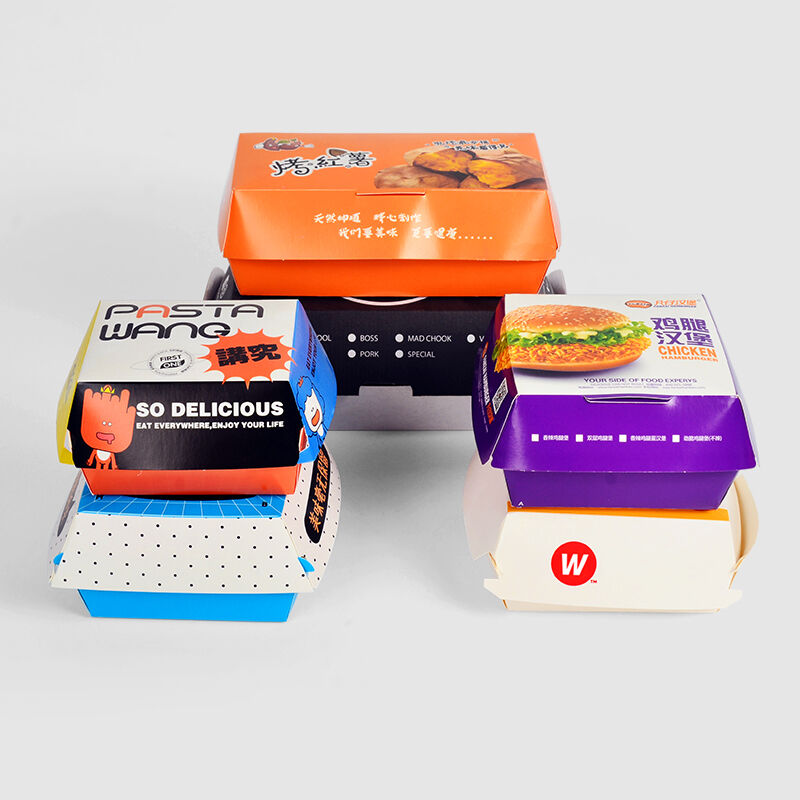
Customizable branding integration in hamburger packaging transforms functional food containers into powerful marketing tools that reinforce brand identity, communicate value propositions, and create memorable customer experiences that drive business growth and market differentiation. This comprehensive branding capability encompasses high-resolution printing technologies, diverse color options, custom sizing configurations, and innovative design elements that align perfectly with brand aesthetics and marketing objectives. Advanced printing techniques, including offset lithography, flexographic printing, and digital printing technologies, enable reproduction of complex logos, detailed graphics, and vibrant color schemes directly onto hamburger packaging surfaces with exceptional clarity and durability. The customization process accommodates various brand requirements, from minimalist designs emphasizing elegance and sophistication to bold, eye-catching graphics targeting younger demographics or promotional campaigns. Strategic branding integration extends beyond visual elements to include tactile features such as embossed logos, textured surfaces, and premium finishing options that enhance perceived value and create distinctive sensory experiences for customers. Color psychology principles guide effective branding integration, where specific color combinations trigger emotional responses, reinforce brand recognition, and influence purchase decisions, making hamburger packaging a crucial component of comprehensive marketing strategies. Seasonal branding capabilities allow businesses to update packaging designs for holidays, special events, or limited-time promotions without requiring entirely new packaging inventory, providing marketing flexibility and cost efficiency. The branding integration process includes consultation services where packaging specialists collaborate with marketing teams to develop designs that maximize visual impact while maintaining functional performance standards. Quality control measures ensure consistent brand representation across all packaging units, preventing color variations or printing defects that could negatively impact brand perception. Market research demonstrates that customers retain brand impressions from packaging experiences significantly longer than traditional advertising exposures, making customized hamburger packaging a valuable investment in long-term brand building. Social media marketing benefits emerge naturally from distinctive packaging designs, as customers frequently photograph and share uniquely branded food packaging, generating organic marketing exposure and viral potential. The return on investment for customizable branding integration typically exceeds expectations, with businesses reporting increased customer recognition, improved purchase frequency, and enhanced competitive positioning in crowded markets.
Premium Hamburger Packaging Solutions: Advanced Food Storage Technology

Get a Free Quote

Our representative will contact you soon.
Email
Phone/WhatsApp
Name
Company Name
Message
0/1000