 EN
EN

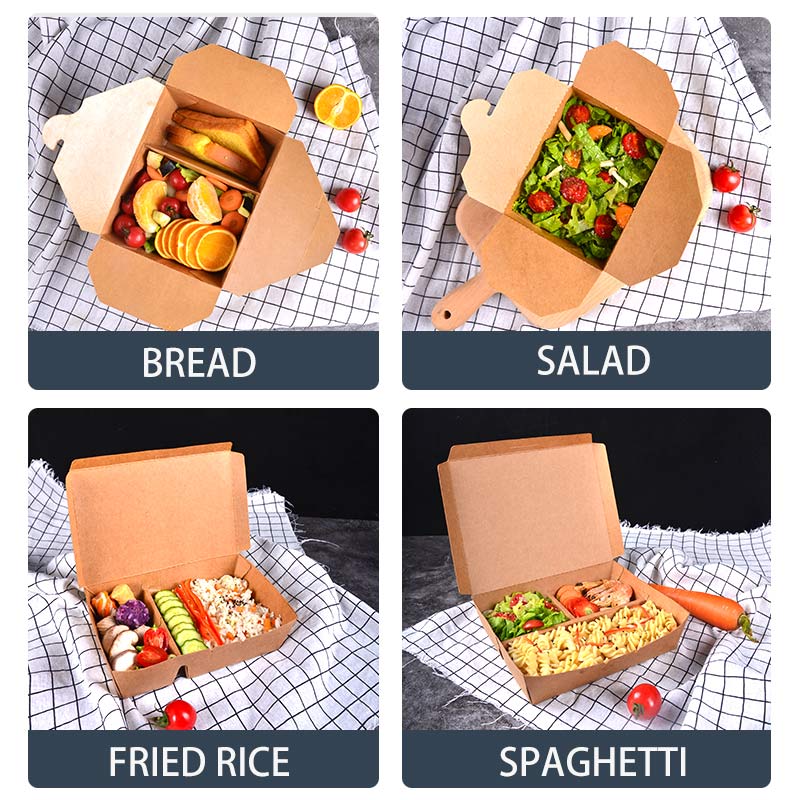
The food service industry has undergone a remarkable transformation in recent years, and with the explosive growth of takeaway and delivery platforms, the packaging decisions that operators make have never mattered more. At the center of this shift, paper boxes have emerged as a trusted, practical, and commercially sound solution for restaurants, cloud kitchens, and catering businesses of all sizes. Their rise is not simply a trend driven by aesthetics — it reflects a genuine alignment between operational needs, consumer expectations, and sustainability goals that are now reshaping how food is packaged and transported.
Understanding why paper boxes are ideal for takeaway and delivery services requires looking beyond surface-level convenience. These containers offer a combination of structural integrity, heat retention, food safety compliance, and branding flexibility that few other materials can match at scale. Whether a business is packaging a single-serving meal or a multi-compartment combination platter, paper boxes provide the reliability that both operators and end consumers depend on from the moment food leaves the kitchen to the moment it arrives at the door.
The Structural Advantages of Paper Boxes in Food Delivery
Durability That Protects Food During Transit
One of the most critical requirements for delivery packaging is structural durability. Paper boxes are engineered to withstand the mechanical stresses of being carried, stacked, and transported in courier bags or vehicle compartments. Unlike thin plastic containers that can crack under pressure or foam boxes that deform when compressed, well-constructed paper boxes maintain their shape through the entire delivery journey.
The rigidity of paper boxes also protects the presentation of food inside. Meals that arrive with sauces spilled, components mixed together, or structures collapsed reflect poorly on a restaurant brand regardless of how well the food was prepared. A sturdy paper box prevents this kind of presentation damage, helping food businesses protect the dining experience even when it happens miles away from their kitchen.
Many modern paper boxes also feature interlocking flap closures or tuck-in designs that hold securely without tape or adhesives, making them both reliable during transit and easy for the consumer to open cleanly. This functional engineering is a key reason why delivery-focused operators consistently choose paper boxes over other container types.
Ventilation and Moisture Management
Food quality during delivery is not solely about physical protection — it is also about managing heat, steam, and moisture. Paper boxes possess natural breathability that allows excess steam to escape without causing sogginess, which is a common problem with fully sealed plastic containers. This is especially important for fried foods, grilled meats, and baked items where a crispy texture is expected.
At the same time, paper boxes provide sufficient insulation to retain warmth over the typical delivery window. The paper material acts as a mild thermal barrier, slowing the rate at which heat escapes from the food. This balance between ventilation and insulation is one of the reasons paper boxes perform so consistently well across a wide variety of food categories.
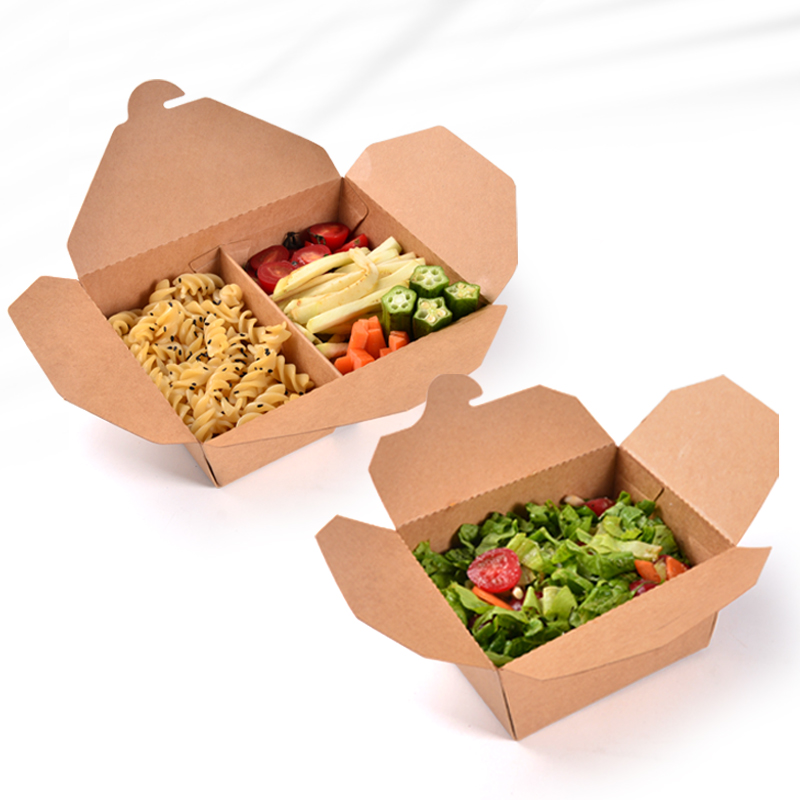
For operators using combination-style paper boxes with multiple compartments, the advantage is even more pronounced. Different food components — such as rice, protein, and side dishes — can be kept separated while benefiting from the same ventilation and insulation properties throughout the delivery journey.
Why Paper Boxes Align with Consumer and Regulatory Sustainability Demands
The Environmental Case for Choosing Paper Boxes
Consumer attitudes toward packaging have shifted significantly over the past decade. Today's delivery customers are increasingly aware of the environmental impact of single-use packaging, and many actively prefer or seek out restaurants that use eco-friendly materials. Paper boxes, particularly those made from responsibly sourced or recycled paper, represent a credible and visible commitment to reducing environmental harm.
Unlike expanded polystyrene or single-use plastic containers, paper boxes are biodegradable and can be recycled in most municipal waste systems when not heavily contaminated with food residue. This end-of-life advantage is a significant differentiator for businesses that want to position themselves as environmentally responsible. For cloud kitchens and delivery-first brands that lack a physical dining space to build customer loyalty, packaging sustainability becomes one of the few tangible ways to communicate brand values directly to the consumer.
Regulatory trends are also accelerating the shift toward paper boxes. Many cities and countries are introducing restrictions or outright bans on non-recyclable food containers, particularly in the single-use plastic category. Businesses that have already transitioned to paper boxes are not only compliant with current standards but also positioned ahead of future regulatory requirements, avoiding costly and disruptive packaging overhauls down the line.
Certifications and Food Safety Standards
Paper boxes used in food delivery must meet specific food safety standards to ensure that no harmful substances migrate from the packaging material into the food. Reputable paper boxes are manufactured from food-grade materials, free from toxic inks, bleaching agents, or coatings that could pose health risks during contact with hot or moist food.
For food businesses operating under health department regulations or seeking third-party food safety certifications, the traceability and standardized manufacturing of paper boxes provides a level of compliance assurance that is harder to guarantee with informal or unregulated packaging alternatives. This is especially relevant for businesses operating at scale or supplying to institutional clients such as hospitals, schools, or corporate catering contracts.
Choosing paper boxes from suppliers who can provide material certifications and production documentation is a meaningful step in building a responsible and legally defensible supply chain for any food delivery operation.
Branding and Customization Potential of Paper Boxes
Turning Packaging Into a Marketing Asset
For delivery-first food businesses, the paper box is often the only physical touchpoint between the brand and the customer. This makes packaging an extraordinarily valuable marketing opportunity that many operators underutilize. Paper boxes offer exceptional print compatibility, accepting high-quality graphic designs, brand logos, slogans, and color schemes with remarkable clarity and consistency.
A well-branded paper box creates a memorable unboxing moment that reinforces brand identity and encourages repeat ordering. When customers photograph their meals for social media — a behavior that has become extremely common — a distinctive and attractive paper box becomes a piece of organic marketing content that the brand did not have to pay for directly. This amplification effect makes investment in custom-printed paper boxes a strategically sound decision for growing delivery brands.
Even for smaller operators who cannot justify fully custom printing runs, paper boxes can be personalized cost-effectively through branded stickers, stamps, or inserts. The surface of a paper box is flexible in more ways than one — it accommodates both high-volume print runs for larger brands and low-cost personalization strategies for independent restaurants and food startups.
Size Variety and Combination Formats
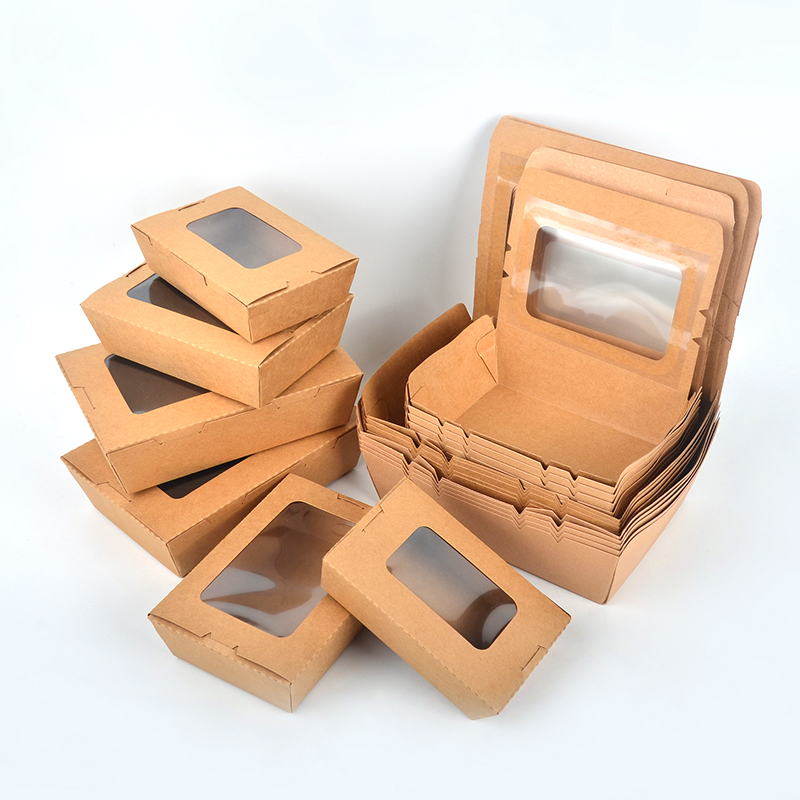
Modern food delivery menus are more varied and complex than ever, and packaging must be able to accommodate that diversity. Paper boxes are available in an extensive range of sizes and formats, from small snack containers to large family-meal boxes and multi-compartment combination designs. This versatility means a single packaging supplier can often meet the full range of a restaurant's container needs.
The paper boxes designed specifically for combination meals are particularly valuable for Asian cuisine operators, meal-prep delivery businesses, and healthy eating brands where different food components need to be kept separate while traveling together in the same container. These formats eliminate the need to use multiple containers for a single order, reducing material cost, packaging waste, and the complexity of assembly at the kitchen station.
The adaptability of paper boxes to different food categories — from dry dishes to sauced preparations, from hot entrees to chilled desserts — makes them a genuinely versatile foundation for any delivery packaging strategy. Operators rarely need to compromise on menu design because of packaging limitations when paper boxes are the chosen format.
Cost Efficiency and Operational Practicality of Paper Boxes
Managing Packaging Costs at Scale
Cost management is a constant pressure in the food delivery industry, where margins are typically thin and operational expenses are numerous. Paper boxes offer a favorable cost profile relative to their performance, particularly when purchased in bulk. The per-unit cost of paper boxes scales down meaningfully with volume, making them accessible even for businesses that are still in a growth phase and watching their expenditure closely.
Because paper boxes are lightweight, they also contribute to lower shipping costs when ordering supplies and take up less storage space in the kitchen or warehouse compared to rigid plastic or foam alternatives. This logistical efficiency compounds over time and is often underestimated when operators first evaluate packaging options purely on unit price. The total cost of ownership for paper boxes, when all factors are considered, is frequently more competitive than it initially appears.
Paper boxes are also less susceptible to the kind of extreme price volatility that affects petroleum-based packaging materials. As plastic raw material costs fluctuate with oil markets, paper-based packaging tends to remain more stable in price, providing food businesses with greater budgeting predictability across their supply chain.
Speed and Ease of Assembly in a Busy Kitchen
Operational speed matters enormously in a takeaway or delivery environment where food must be packaged quickly to maintain quality and meet promised delivery windows. Paper boxes are designed for fast assembly, with fold-and-lock mechanisms that experienced kitchen staff can execute in seconds without the need for tools, heat, or adhesives. This speed directly translates to throughput capacity and order fulfillment efficiency.
Paper boxes also stack flat for storage, allowing large quantities to be stored compactly without consuming excessive counter or shelf space. When a kitchen experiences a sudden surge in delivery orders — which is common during meal peak hours or promotional periods — the ability to rapidly access and assemble packaging without delays or complications is a meaningful operational advantage.
Training new kitchen staff to use paper boxes is minimal compared to more complex packaging formats. This ease of use reduces errors, waste from misassembled containers, and the time supervisors need to spend on packaging quality control during busy service periods.
FAQ
Are paper boxes suitable for all types of takeaway food?
Paper boxes are suitable for a very wide range of takeaway foods, including rice dishes, noodles, grilled meats, sandwiches, salads, and pastries. For very liquid-heavy dishes such as soups or heavily sauced preparations, it is advisable to choose paper boxes with a food-grade moisture-resistant lining or to use an additional inner liner. Most reputable suppliers offer coated versions of paper boxes specifically designed for high-moisture food content.
How do paper boxes perform during long-distance deliveries?
Paper boxes perform well during typical delivery windows of 20 to 45 minutes, maintaining structural integrity and adequate food temperature throughout. For longer delivery distances, additional measures such as insulated delivery bags or heat-retention liners can be used in conjunction with paper boxes to extend performance. The natural insulation properties of paper boxes provide a solid baseline that works effectively within standard urban delivery timeframes.
Can paper boxes be recycled after use?
Most paper boxes can be recycled if they are not heavily soiled with grease or food residue. Lightly used paper boxes are accepted by most standard paper recycling programs. For boxes with food-grade coatings, recyclability may vary depending on the local recycling infrastructure. Businesses concerned about recyclability should look for paper boxes certified under recognized environmental standards and communicate disposal guidance to their customers as part of their sustainability messaging.
What makes combination paper boxes different from standard single-compartment boxes?
Combination paper boxes feature internal dividers or segmented compartments that keep different food components separated within a single container. This design is particularly valuable for set meals, bento-style servings, and multi-component dishes where mixing flavors or textures during transit would diminish food quality. Combination paper boxes reduce the need for multiple separate containers per order, improving cost efficiency, reducing packaging waste, and simplifying the assembly process at the kitchen level.