 EN
EN

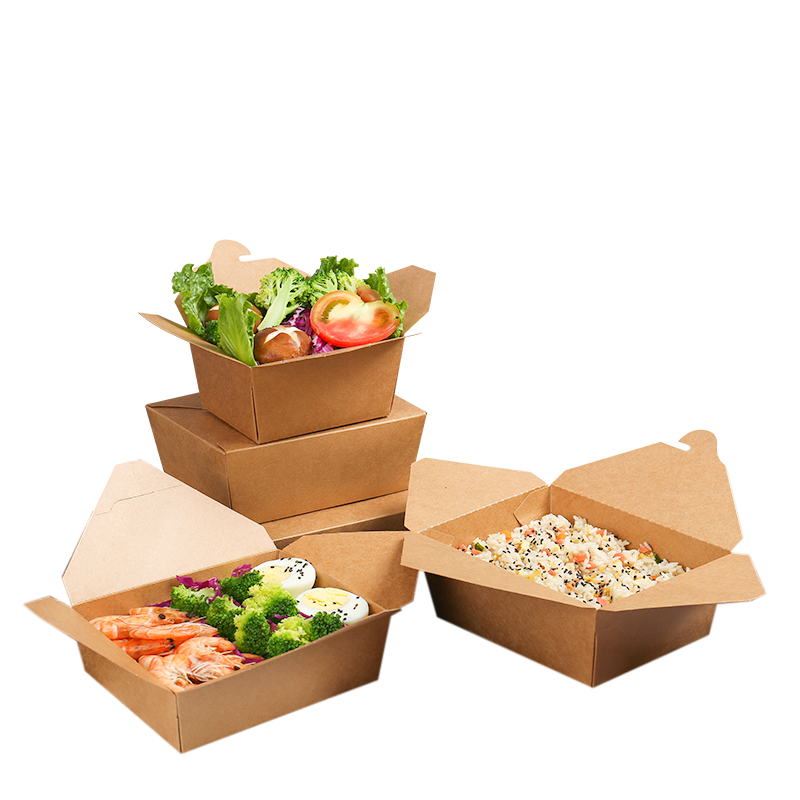
When choosing packaging for goods that must survive handling, storage and changing environmental conditions, a paper box needs far more than good looks. Durability and moisture resistance are two of the most important performance benchmarks that decide whether a box can protect its contents across the whole supply chain. From our factory floor in China, where SenangPak produces custom paper packaging for food brands and retailers in over 40 countries, we know that a truly reliable paper box is built from the right board, the right barrier coating and precision structural design.
A well-engineered paper box performs under demanding conditions when the right materials, coatings and construction methods work together. This article explains the specific features that make a paper box genuinely durable and moisture-resistant, giving procurement teams and packaging engineers a clear framework to evaluate options before committing to a production run or supplier agreement.
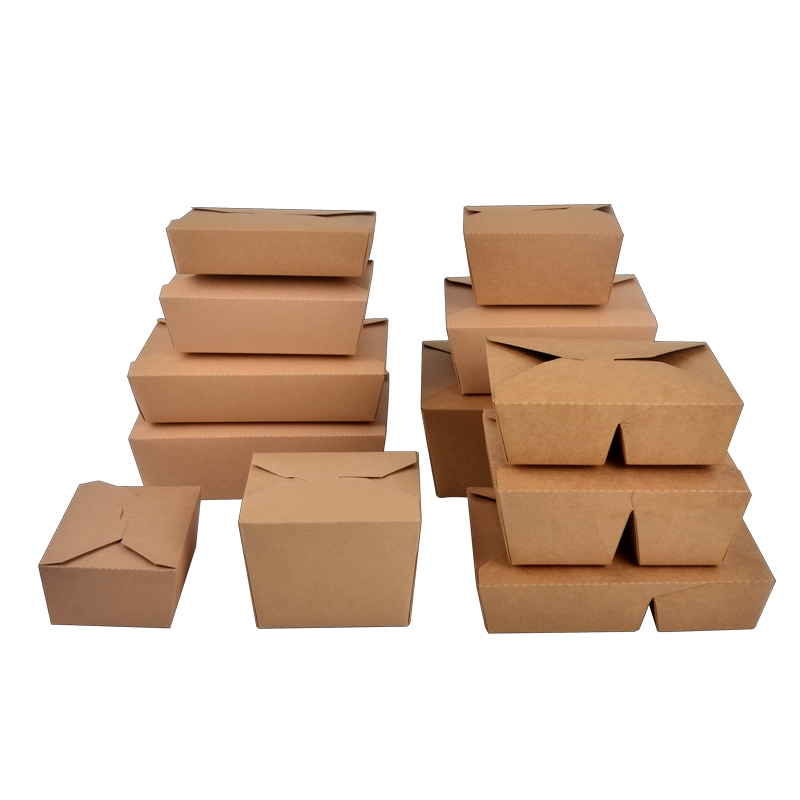
Material Composition and Board Selection
The Role of Paper Grade in Structural Strength
A durable paper box starts with the right paperboard grade and weight. Higher GSM boards resist compression, tearing and deformation under load, which is why packaging engineers usually specify 300–450 GSM for products that need substantial structural integrity. Board weight matters not only for rigidity; it also determines whether the paper box holds its shape when stacked in a warehouse or shipping container.
Solid bleached sulphate (SBS), folding boxboard (FBB) and coated unbleached kraft (CUK) are the most widely used board types. Each offers a different balance of stiffness, surface quality and moisture behaviour. For a paper box that must endure rough handling or heavy contents, kraft-based board with high burst strength is often preferred because of its long, interlocked paper fibres.
Fibre density and orientation also prevent creasing and buckling. Boards with uniform fibre distribution resist warping when humidity changes, which matters for a paper box stored in warehouses, retail back rooms or trucks crossing different climate zones.
Multi-Layer and Combination Board Structures
One of the most effective ways to strengthen a paper box is multi-layer or combination board construction, where different paper plies are laminated into a composite structure that spreads mechanical stress better than a single ply. Each layer is optimised for a different job: the outer ply for print quality, inner plies for rigidity, and a barrier layer for moisture control.
A paper box built with this combination approach benefits from the strengths of all its layers together. The structural core resists compression while the outer shell keeps branding crisp. This construction is especially valuable for food packaging, cosmetics and electronics, where the paper box must protect, present and preserve its contents at the same time.
Lamination also lets manufacturers build an aluminium foil or PE film directly into the board stack, creating a moisture barrier embedded in the material instead of only on the surface. This gives longer-lasting protection because it does not depend on a surface coating staying intact for the box's whole life.
Moisture-Resistant Coatings and Surface Treatments
Clay Coating and Calendering for Surface Density
The outer surface is a paper box's first line of defence against moisture. Clay coating applies mineral pigments and binders to the board, creating a smooth, dense layer that sharply reduces natural porosity. This limits how much water vapour can pass through the outer face, helping the structure stay stable in humid environments.
Calendering, where the coated board is pressed through heavy rollers, further densifies the surface and removes micro-pores, improving moisture resistance and ink acceptance in one step. That is why clay coating and calendering are standard specifications in high-quality paper packaging production.
It is important to note that clay coating alone does not make a paper box waterproof. It slows moisture penetration enough for normal retail and distribution, and applications needing stronger protection require additional barrier treatments on top of or within the base board.
PE Lamination, Varnish and Water-Based Barrier Coatings
Structural Design Features That Enhance Durability
Box Style, Geometry and Load Distribution
The geometry of a paper box directly affects how much compression it can take before deforming. Rectangular designs with scored corners and interlocking flaps spread stacking loads across several structural elements instead of concentrating stress at one point. The depth-to-width ratio also influences resistance to side-wall collapse, a common failure in stacked storage.
Double-wall and triple-wall configurations, common in corrugated paper box designs, create an internal airspace that cushions and reinforces. The fluted medium contributes strongly to compressive strength, allowing heavy loads without buckling. For solid folding cartons, reverse-tuck, auto-bottom and crash-lock base styles improve base strength compared with simple tuck-in designs.
Scored fold lines must be precise. If scoring is too deep or misaligned, the paper box develops weakened folds that become entry points for moisture and mechanical failure. Precision die-cutting and scoring are therefore as important to durability as the material itself.
Sealing Methods and Adhesive Quality
Even the best-engineered paper box can fail if its seams are not sealed well. Hot melt adhesives give fast, strong bonding that resists shock and vibration, ideal for high-speed production lines, but some formulations soften at high temperature. Water-based adhesives, when properly cured, bond strongly and suit a wide range of boards.
For moisture-resistant applications, specify adhesives that keep their bond even when the surrounding board is humid. A paper box that opens at its glued seam under humid conditions offers no protection, regardless of how good its board or coating is. In high-performance formats, ultrasonic or heat-seal joining creates joints nearly impermeable to moisture, increasingly used in premium dry-goods packaging.
Design Considerations for Specific Environments
Cold Chain and Refrigerated Storage Requirements
High-Humidity and Tropical Climate Packaging
In tropical markets, humidity stays high for long periods. A paper box there must resist not just water splash but prolonged exposure to high relative humidity. Even well-coated boards can absorb moisture through cut edges, unsealed flaps or micro-cracks.
Edge sealing is often overlooked but greatly improves moisture resistance. Cut edges expose raw board cross-section that wicks water directly into the core. Folding edges inward, hiding raw cuts or using full-overlap construction all reduce edge moisture uptake.
Designers for humid climates often choose stronger barrier systems and more aggressive adhesives. A paper box's performance in a tropical setting depends on its weakest element, whether board, coating, adhesive or geometry. A holistic approach across all elements is the only reliable way to ensure consistent performance.
FAQ
What is the most important feature that makes a paper box moisture-resistant?
The most important feature is the combination of a quality barrier coating, such as PE lamination or a water-based barrier coat, applied to a dense, clay-coated board. Board porosity must be reduced by surface treatment, and all seams and edges sealed to stop moisture ingress. No single feature alone gives complete moisture resistance; board selection, surface treatment and sealing quality together determine overall performance.
Does a higher GSM paper box always mean better durability?
Higher GSM boards generally offer more stiffness and compressive strength, but durability is not only about weight. Fibre quality, board uniformity and manufacturing precision all matter. A well-engineered lighter board can outperform a heavier one with inconsistent fibre distribution or poor moisture management.
Can a paper box be both moisture-resistant and recyclable?
Yes. Water-based and fibre-based barrier coatings can replace traditional PE lamination in many applications, letting the box process in standard paper recycling streams. The key is specifying barrier systems that meet the application's performance needs and the recyclability standards of the target market's waste infrastructure.
How does structural design affect the moisture resistance of a paper box?
Structural design decides how moisture enters and builds up inside the paper box. Designs that expose raw cut edges, leave open flap gaps or use minimal gluing create pathways for moisture. Designs that fold edges inward, maximise glued areas and use tight closures cut the number of vulnerable entry points, extending the box's effective life in challenging environments.