 EN
EN

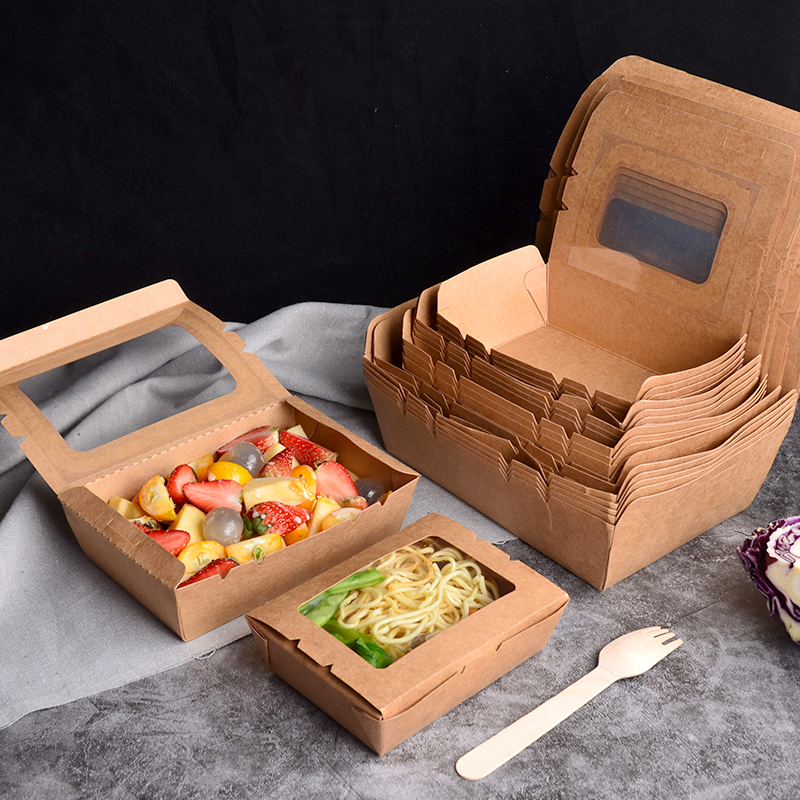
For food businesses operating in competitive markets, packaging costs represent one of the most controllable line items in the budget. Whether you run a restaurant, a catering service, a school canteen, or a meal prep delivery operation, the choice of packaging material directly affects your margins. paper lunch boxes have emerged as a practical, cost-efficient alternative to plastic and foam containers, offering a compelling combination of affordability, functionality, and supply chain flexibility that directly supports cost reduction goals.
The shift toward paper lunch boxes is not purely driven by sustainability trends. It is increasingly driven by hard numbers. Procurement managers and business owners who have made the switch often report measurable reductions in packaging spend without sacrificing the presentation quality or structural performance their customers expect. Understanding how this cost reduction works in practice requires looking at several interconnected factors, from material pricing and storage efficiency to waste reduction and supplier negotiation leverage.
Understanding Why Paper Lunch Boxes Offer a Cost Advantage
Raw Material Economics Compared to Plastic and Foam
The cost advantage of paper lunch boxes begins at the material level. Paperboard and kraft paper, the primary raw materials used in manufacturing these containers, are globally abundant and produced at industrial scale. This broad supply base creates natural price competition among manufacturers, which tends to keep unit costs stable and accessible even during periods of broader commodity inflation.
In contrast, plastic and foam containers are petroleum-derived products. Their pricing is directly linked to crude oil market fluctuations, making them highly vulnerable to supply chain disruptions and geopolitical pricing pressures. Businesses relying on plastic containers have experienced significant cost spikes in recent years, while paper lunch boxes have maintained more predictable pricing structures.
For high-volume buyers, this pricing stability translates into more reliable budget forecasting. When you can predict your packaging costs with greater accuracy, you gain better control over your overall food cost model, which is a critical advantage in the food service industry.
Bulk Purchasing and Volume Discount Structures
Paper lunch boxes are manufactured in enormous quantities globally, which means suppliers are well-positioned to offer tiered volume pricing. The per-unit cost reduction when ordering at bulk scale is typically more significant for paper containers than for comparable plastic options, because the manufacturing process for paperboard containers is more scalable.
Businesses that consolidate their packaging procurement around a standardized range of paper lunch boxes can unlock meaningful volume discounts. Rather than splitting orders across multiple container types and materials, focusing on a core set of paper box dimensions allows for larger single orders, stronger negotiating positions, and lower per-unit costs.
Even mid-sized operations can benefit from this approach. A catering company ordering several thousand units per month is generally well within the range where bulk pricing applies, making paper lunch boxes a cost-effective choice without requiring enterprise-scale volumes.
How Storage and Logistics Efficiency Reduces Total Packaging Costs
Flat-Pack Design and Space Utilization
One often-overlooked dimension of packaging costs is warehousing and storage. Paper lunch boxes are typically designed to ship and store flat or in compressed stacks, which dramatically reduces the storage footprint compared to pre-formed plastic containers of equivalent capacity. When you factor in warehouse rental costs or the cost of back-of-house storage space in a commercial kitchen, the volumetric efficiency of paper containers contributes meaningfully to overall cost savings.
A single pallet of flat-packed paper lunch boxes can hold significantly more units than a pallet of pre-formed plastic trays. This means fewer deliveries, lower freight costs per unit, and more efficient use of available storage space. For businesses operating in high-rent urban environments, this efficiency is financially significant.
The assembly process for flat-packed paper lunch boxes is also fast and requires no specialized equipment. Kitchen staff can assemble boxes during preparation downtime, integrating packaging into the workflow without adding labor costs or bottlenecks.
Reducing Breakage and Damage Loss
Packaging waste due to breakage is a hidden cost that many food businesses underestimate. Rigid plastic containers are prone to cracking during transit and storage, leading to product loss and disposal costs. Paper lunch boxes, by contrast, are flexible enough to absorb minor handling impacts without structural failure, which results in lower rates of packaging waste during storage and distribution.
Reducing the percentage of unusable packaging in every order directly improves your effective cost per usable unit. Even a modest reduction in breakage rates of two to three percent compounds into meaningful savings when you are purchasing tens of thousands of units per year.
Additionally, damaged plastic containers often contaminate surrounding packaging, causing secondary losses. The more forgiving material properties of paper lunch boxes tend to contain damage to individual units, limiting the scope of any loss event during handling or transport.

Aligning Paper Lunch Box Selection With Operational Cost Goals
Choosing the Right Size and Specification to Avoid Over-Packaging
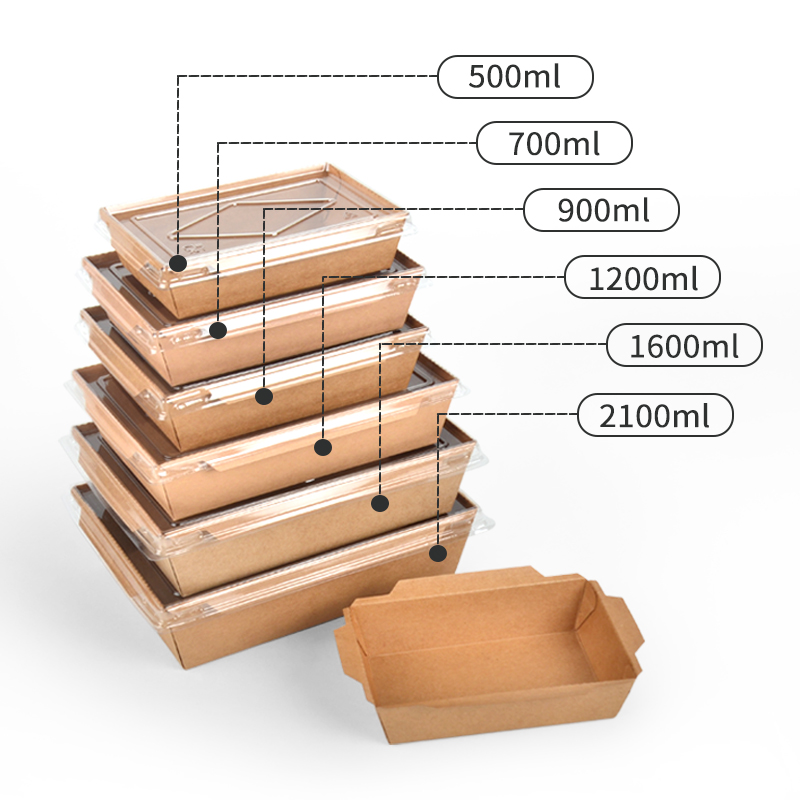
A significant source of unnecessary packaging cost is over-specification. Many businesses use containers that are larger or more feature-rich than the meal format actually requires. Selecting paper lunch boxes that are precisely sized for your most common portion formats eliminates the cost premium associated with excess material and reduces the likelihood of food shifting during delivery, which can compromise customer satisfaction and generate refund costs.
Paper lunch boxes are available in a wide range of sizes and configurations, from compact single-portion boxes for bento-style meals to larger compartmented designs for multi-course takeaway orders. Mapping your menu formats to the right container specification is a practical cost-saving exercise that pays dividends across every order cycle.
Working directly with your packaging supplier to review your current container mix and identify consolidation opportunities is a low-effort, high-return activity. Reducing the number of distinct SKUs you carry in paper lunch boxes simplifies procurement, reduces minimum order complexity, and often unlocks better pricing per unit.
Avoiding Premium Coatings When Not Required
Paper lunch boxes come in a range of coating and lining options, from uncoated kraft designs to PE-lined and wax-coated variants engineered for wet or greasy food applications. Each upgrade in coating specification adds to the unit cost. Understanding which coating level your specific food applications genuinely require prevents unnecessary spending on premium specifications.
For dry or lightly moist meals such as sandwiches, rice dishes, or grain bowls, a standard grease-resistant paper lunch box is typically sufficient. Reserving PE-lined or heavy-duty coated variants for applications involving soups, stews, or high-fat preparations ensures you are only paying for the material performance you actually need.
This specification alignment is a straightforward cost control measure that requires only a brief review of your menu and the moisture or grease profiles of the meals you package most frequently. The savings on high-volume standard orders can offset any cost premium on specialized applications elsewhere in your packaging range.
Reducing Regulatory and Disposal Costs Through Compliant Packaging
Navigating Extended Producer Responsibility and Packaging Levies
Regulatory frameworks around single-use packaging are becoming increasingly stringent in many markets. Plastic and foam containers are subject to bans, levies, and extended producer responsibility schemes in a growing number of jurisdictions. These regulations translate directly into compliance costs and, in some cases, penalties for non-compliant businesses.
Paper lunch boxes are generally exempt from or subject to lower rates under most packaging levy frameworks due to their recyclability and biodegradability. By transitioning to paper lunch boxes, food businesses can reduce their regulatory compliance burden and avoid the administrative costs associated with managing restricted packaging types.
As more municipalities and national governments introduce packaging taxation measures, the cost differential between compliant paper containers and taxed plastic alternatives will widen. Businesses that make the transition to paper lunch boxes proactively are better positioned to absorb future regulatory changes without absorbing sudden cost increases.
Waste Disposal Cost Reduction
Commercial waste disposal costs are calculated on both volume and material type in many markets. Paper lunch boxes are compostable or recyclable under standard waste management streams, which often qualifies businesses for lower disposal rates compared to mixed plastic waste. Over the course of a year, the cumulative savings on commercial waste collection for high-volume food operations can be substantial.
Some local authorities offer preferential waste collection rates or rebates for businesses that demonstrate a commitment to recyclable or compostable packaging. Transitioning to paper lunch boxes can support applications for these programs, creating an additional layer of financial benefit beyond the direct packaging cost savings.
For businesses operating under sustainability reporting requirements or working toward environmental certification, using paper lunch boxes also reduces the administrative complexity of documenting packaging material streams, which saves time and reduces reporting overhead costs.
Supplier Strategy and Procurement Practices for Maximum Savings
Building a Long-Term Supplier Relationship for Consistent Pricing
One of the most effective ways to reduce packaging costs using paper lunch boxes is to develop a structured, long-term relationship with a reliable supplier. Spot purchasing at variable prices is inherently more expensive than negotiating forward contracts or blanket purchase orders with agreed pricing for defined volumes over a set period.
Suppliers of paper lunch boxes are generally open to pricing agreements with committed buyers because it provides them with production planning certainty. In exchange for volume commitment, buyers can typically secure lower per-unit prices, priority fulfillment during high-demand periods, and sometimes customized specifications without minimum order surcharges.
Developing this relationship also reduces the transaction costs associated with repeated procurement cycles. Fewer purchase orders, less time spent evaluating alternative suppliers, and lower risk of supply disruption all contribute to the total cost of ownership for your packaging program.
Standardizing Specifications Across Multiple Business Units or Locations
For food businesses operating multiple locations or brands under a common ownership structure, standardizing paper lunch box specifications across all sites is a powerful cost lever. When each location independently selects its own packaging, the group loses the purchasing power that consolidated volumes would generate.
A centralized procurement approach for paper lunch boxes, even if delivery is fulfilled to individual sites, concentrates negotiating leverage and enables the organization to qualify for the highest volume pricing tiers. The operational investment in establishing a standardized specification set is typically recovered within one or two purchase cycles through unit cost savings.
Standardization also reduces quality variability across locations, which has indirect cost benefits in terms of consistent customer experience, fewer customer complaints, and lower rates of food waste attributable to container failures.
FAQ
Are paper lunch boxes more expensive than plastic containers upfront?
At very small order quantities, paper lunch boxes can sometimes carry a slightly higher unit price than basic plastic alternatives. However, at the volumes typical of commercial food service operations, the per-unit pricing becomes highly competitive. When total cost of ownership is considered, including storage efficiency, disposal costs, and regulatory compliance savings, paper lunch boxes generally deliver equal or lower total cost compared to plastic containers.
Do paper lunch boxes perform well enough for hot and wet food applications?
Yes, paper lunch boxes are available in specifications engineered for hot and moist food applications. Variants with grease-resistant coatings, PE linings, or moisture barriers maintain structural integrity with soups, stews, rice dishes, and other high-moisture meals. Selecting the appropriate specification for your food application is essential to ensure performance without over-specifying and incurring unnecessary cost.
How much can a food business realistically save by switching to paper lunch boxes?
The savings vary depending on current packaging spend, order volumes, and the specific materials being replaced. Businesses that transition from premium plastic or foam containers and adopt a consolidated, bulk purchasing approach for paper lunch boxes commonly report cost reductions of ten to twenty-five percent on their packaging line when all direct and indirect cost factors are accounted for. The largest savings tend to come from volume pricing, reduced storage costs, and lower disposal expenses.
Can small food businesses also benefit from switching to paper lunch boxes?
Absolutely. While the per-unit savings are more pronounced at higher volumes, small food businesses benefit from the pricing stability, storage efficiency, and regulatory alignment that paper lunch boxes offer. Additionally, the sustainability profile of paper lunch boxes supports marketing and brand positioning efforts that can attract environmentally conscious customers, generating indirect revenue benefits that complement the direct cost savings.
Table of Contents
- Understanding Why Paper Lunch Boxes Offer a Cost Advantage
- How Storage and Logistics Efficiency Reduces Total Packaging Costs
- Aligning Paper Lunch Box Selection With Operational Cost Goals
- Reducing Regulatory and Disposal Costs Through Compliant Packaging
- Supplier Strategy and Procurement Practices for Maximum Savings
-
FAQ
- Are paper lunch boxes more expensive than plastic containers upfront?
- Do paper lunch boxes perform well enough for hot and wet food applications?
- How much can a food business realistically save by switching to paper lunch boxes?
- Can small food businesses also benefit from switching to paper lunch boxes?