 EN
EN

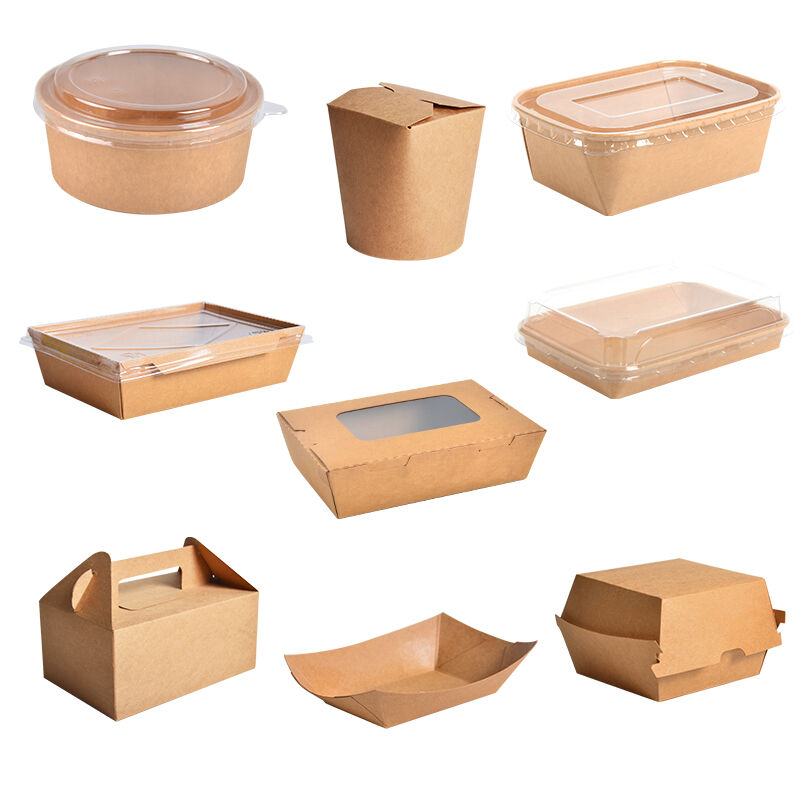
The food service industry is undergoing a quiet but significant transformation in how meals are packaged and delivered to customers. Across casual dining establishments, fast-casual chains, and independent eateries alike, operators are moving away from flimsy, unreliable containers in favor of more durable, professional-grade solutions. At the heart of this shift is a growing demand for high-quality paper lunch boxes that meet the evolving expectations of modern diners, food delivery platforms, and sustainability-conscious consumers. This upgrade is not merely aesthetic — it reflects a deeper strategic rethinking of how packaging contributes to brand perception, operational efficiency, and environmental responsibility.
For restaurant owners and food service managers, the decision to upgrade packaging is rarely made in isolation. It is driven by a convergence of market pressures, customer feedback, regulatory trends, and a sharper understanding of what packaging communicates about a brand. Paper lunch boxes, in particular, have matured considerably as a product category — offering structural integrity, heat retention, grease resistance, and printability that simply was not available in earlier generations of disposable food containers. Understanding why restaurants are making this upgrade requires a closer look at the functional, commercial, and environmental drivers shaping this decision.
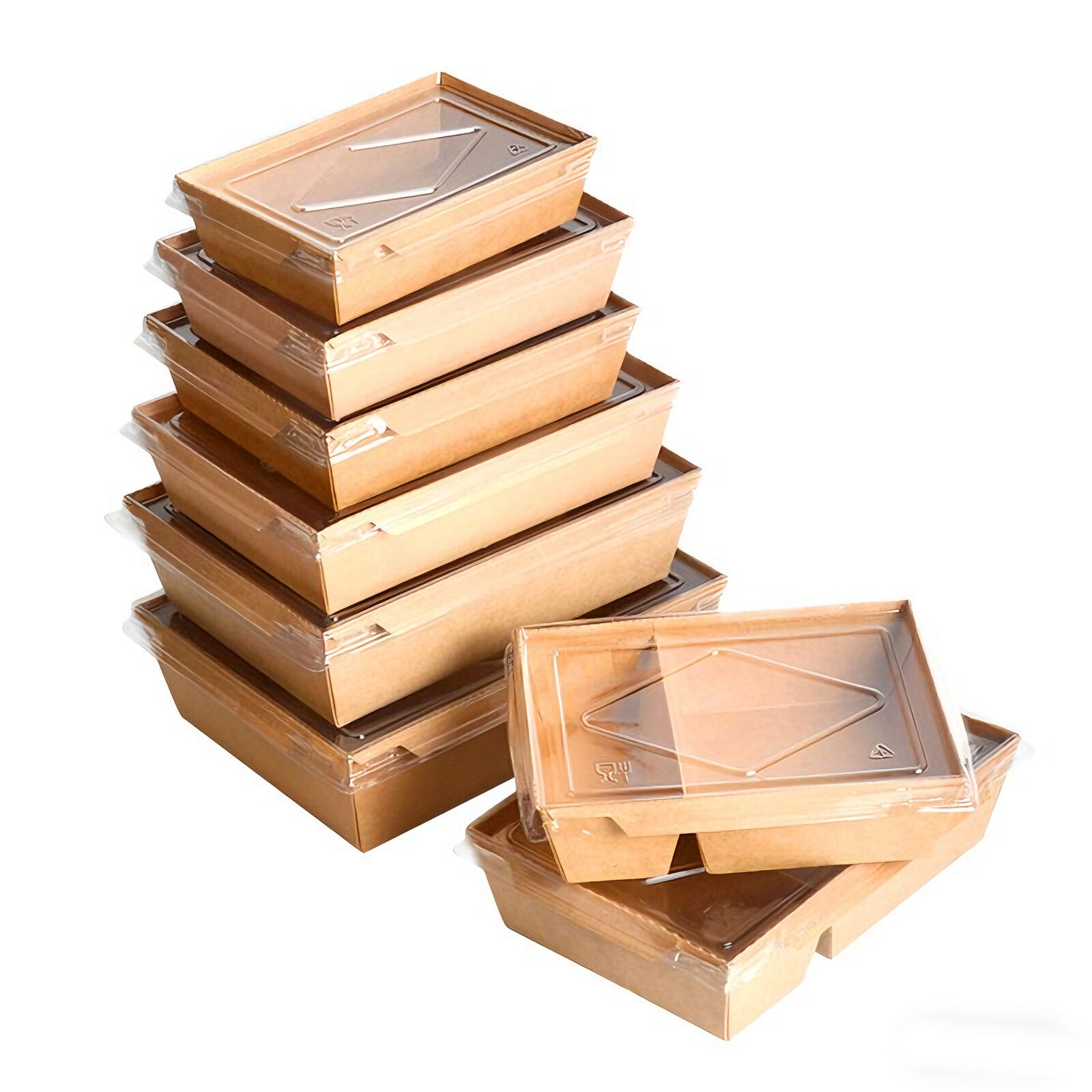
The Functional Case for Upgrading Paper Lunch Boxes
Structural Integrity and Food Protection
One of the most immediate reasons restaurants are switching to premium paper lunch boxes is the superior structural performance they offer compared to budget alternatives. Thin-walled or poorly laminated containers are prone to collapsing under the weight of hot food, leaking sauces along the seams, or deforming during transit. High-quality paper lunch boxes are engineered with reinforced corners, food-grade inner coatings, and heavier-gauge board that maintains shape even when filled with dense or moisture-rich meals.
This structural reliability is especially critical in the delivery segment, where food must survive handling by multiple parties before reaching the customer. A collapsed box or a leaking container creates a negative first impression that can translate directly into poor online reviews. By investing in paper lunch boxes with better structural specs, restaurants reduce the risk of presentation failures that undermine the quality of the food inside. The packaging becomes a protective layer for the restaurant's reputation as much as for the meal itself.
Heat retention is another functional dimension that premium paper lunch boxes address more effectively. Thicker walls and better-fitting lids help maintain food temperature during transit, which is a measurable factor in customer satisfaction ratings on delivery platforms. Restaurants that have made the switch report fewer complaints about food arriving cold or soggy, which supports higher average ratings and repeat order rates. The functional upgrade, in this sense, has a quantifiable commercial return.
Grease Resistance and Moisture Barriers
Food service operators deal with a wide range of meal types that challenge standard packaging — from fried rice and noodle dishes to sauced proteins and steamed vegetables. Standard paper containers without adequate moisture barriers absorb grease and liquid rapidly, causing the box to weaken, stain through, or become unpleasant to handle. High-quality paper lunch boxes incorporate food-safe PE lining or water-based barrier coatings that resist both oil and moisture without compromising the recyclability of the material.
This technical advancement allows restaurants to package a broader range of menu items confidently in paper lunch boxes without worrying about structural compromise. Operators no longer need to default to plastic containers simply because the food is oily or wet. The grease-resistant properties of modern paper lunch boxes make them a genuinely versatile solution across diverse cuisine types and meal formats, giving kitchens the flexibility to standardize on a single packaging format rather than maintaining multiple container types.
Brand Perception and the Customer Experience
Packaging as a Brand Statement
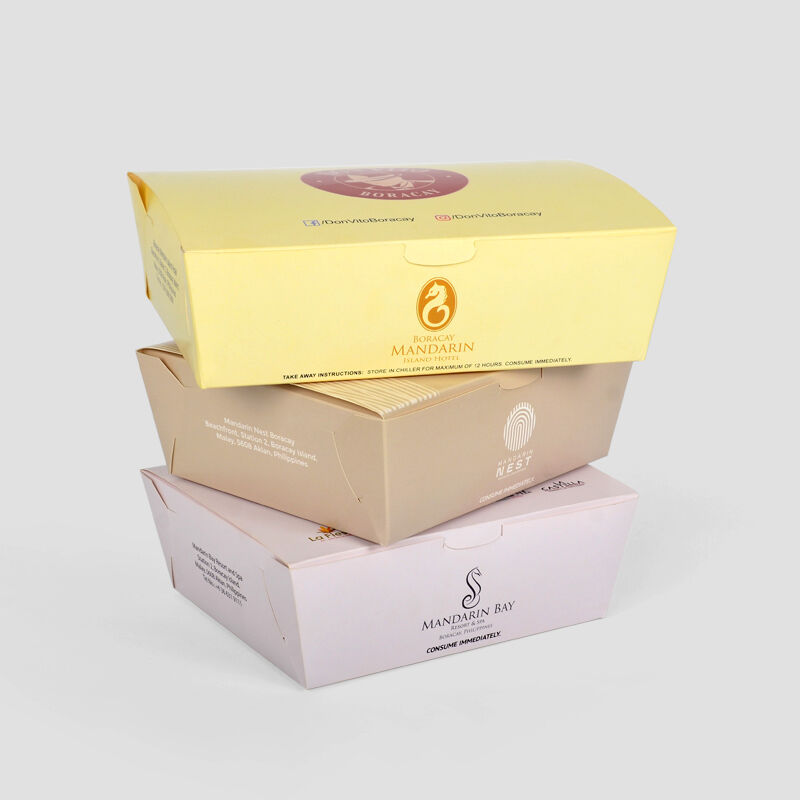
In today's highly visual food culture, packaging is an extension of the dining experience. When a customer receives their meal in a well-constructed, attractively finished paper lunch box, it signals that the restaurant takes quality seriously at every touchpoint. Premium paper lunch boxes can be custom printed with logos, brand colors, and messaging, turning every delivery into a brand interaction. This matters enormously in an era when unboxing moments are shared on social media and packaging photos appear routinely in customer reviews.
Restaurants that previously used generic white or brown containers report a noticeable improvement in customer perception after switching to branded, high-quality paper lunch boxes. The investment in better packaging communicates care and professionalism, which reinforces the perceived value of the food. For mid-to-premium segment restaurants in particular, using low-grade containers creates a disconnect between the quality of the cooking and the quality of the presentation — a gap that high-grade paper lunch boxes can close.
Even without custom printing, the tactile and visual qualities of a premium paper lunch box — clean edges, uniform construction, a well-fitted lid — convey a level of quality that budget containers simply cannot match. In competitive food markets, these sensory details contribute to customer loyalty and word-of-mouth recommendation. Paper lunch boxes are no longer just a functional necessity; they are a deliberate brand asset.
Consistency Across Channels
Restaurants operating across dine-in, takeaway, and delivery channels face the challenge of maintaining a consistent brand experience regardless of how the food reaches the customer. High-quality paper lunch boxes support this consistency by providing a standardized, professional packaging format that travels well and presents uniformly across all service modes. A customer who orders for delivery should receive the same quality of presentation as one who picks up at the counter.
This channel consistency is increasingly important as restaurants rely more heavily on third-party delivery platforms where they have limited control over other aspects of the customer experience. The paper lunch box becomes one of the few brand touchpoints the restaurant fully controls in the delivery journey. Investing in quality packaging is therefore a strategic decision to preserve brand standards even when the food is out of the kitchen's hands.
Sustainability as a Business Driver
Responding to Consumer and Regulatory Pressure
Environmental sustainability has moved from a peripheral concern to a central business consideration for restaurants. Consumer surveys consistently show that a significant proportion of diners prefer to patronize businesses that use eco-friendly packaging. Single-use plastic containers, once the default for takeaway and delivery, are facing increasing regulatory restrictions in many markets, with outright bans already in effect in several regions. Paper lunch boxes made from responsibly sourced materials and featuring recyclable or compostable construction offer a compliant, credible alternative.
High-quality paper lunch boxes are typically certified under recognized standards for sustainable forestry and food safety, giving restaurants a verifiable sustainability claim they can communicate to customers. This is not greenwashing — it is a genuine operational adjustment that aligns with where both regulation and consumer preference are heading. Restaurants that make the upgrade now are better positioned for future compliance requirements and can benefit from the positive brand association of being environmentally responsible.
The sustainability story around paper lunch boxes also resonates with corporate clients and catering customers who may have their own environmental commitments. B2B food service clients are increasingly asking suppliers and restaurant partners to demonstrate responsible sourcing and packaging practices. Upgrading to high-quality, certified paper lunch boxes strengthens a restaurant's pitch to these clients and can open doors to contracts that require environmental compliance.
Reducing Waste Through Better Design
Beyond recyclability, premium paper lunch boxes are designed with portion accuracy and waste reduction in mind. Well-sized containers reduce the need for excessive secondary packaging such as additional bags or wrapping to stabilize a poorly fitting lid. Efficient, right-sized paper lunch boxes minimize material use while maximizing containment — a dual benefit for both the environment and the restaurant's packaging budget over time.
Flat-pack designs that assemble quickly reduce storage space in busy kitchen environments and lower transportation costs for bulk orders. High-quality paper lunch boxes from reputable sources often feature smarter structural engineering that delivers both performance and material efficiency, meaning restaurants do not have to choose between sustainability and functionality. The best products in this category demonstrate that environmental responsibility and operational excellence can be achieved simultaneously.
Operational and Commercial Considerations
Cost Efficiency at Scale
A common concern among restaurant operators considering an upgrade is cost. Premium paper lunch boxes do carry a higher unit price than the cheapest available alternatives. However, the total cost picture changes significantly when operational factors are accounted for. Fewer leaks and structural failures mean less food waste and fewer replacement meals, which are costs that quietly erode margins when low-quality packaging is used at scale. High-quality paper lunch boxes reduce these hidden costs and the customer service burden associated with packaging complaints.
When purchased in volume, the price difference between standard and premium paper lunch boxes narrows considerably. Restaurants and food service operators that consolidate their packaging procurement and order at scale often find that the incremental cost of high-quality paper lunch boxes is offset within weeks by the reduction in complaint handling, remade orders, and packaging failures. The upgrade becomes a financially rational decision when the full cost model is evaluated rather than unit price alone.
Supply Chain Reliability and Sourcing Strategy
Restaurants also upgrade their paper lunch boxes to gain access to more reliable supply chains. Budget packaging is often sourced through intermediaries with limited quality control, resulting in inconsistent batch quality that creates operational headaches. When a delivery of paper lunch boxes arrives with inconsistent dimensions or substandard coatings, kitchen operations are disrupted and staff must improvise — a costly disruption in high-volume environments.
Premium paper lunch boxes sourced from established suppliers come with consistent quality specifications, predictable lead times, and often customization options that allow restaurants to align packaging with their evolving menu and brand needs. Building a reliable sourcing relationship for paper lunch boxes is part of a broader operational maturity that growing restaurant businesses need to develop. The upgrade in packaging quality often reflects and reinforces an upgrade in overall procurement discipline.
FAQ
What makes a paper lunch box considered high quality?
A high-quality paper lunch box is typically characterized by its board weight, inner coating integrity, grease resistance, structural stability when filled, and lid fit. Premium paper lunch boxes use food-safe barrier coatings that prevent oil and moisture from weakening the material while maintaining recyclability. Consistent dimensions, clean construction, and the ability to hold shape under thermal stress are also hallmarks of superior quality in this product category.
Are paper lunch boxes suitable for hot food and delivery?
Yes, high-quality paper lunch boxes are well suited for hot food and delivery applications. Modern paper lunch boxes feature thermally resistant constructions and well-sealed lids that help retain heat during transit. Their grease-resistant inner linings prevent soaking and structural failure even with oily or sauced dishes. For delivery specifically, the structural robustness of premium paper lunch boxes ensures that food arrives presentable and intact, which is critical for customer satisfaction.
How do paper lunch boxes support a restaurant's sustainability goals?
Paper lunch boxes made from certified sustainable materials are recyclable and, in many cases, compostable, making them a significantly more environmentally responsible choice than single-use plastic containers. By switching to high-quality paper lunch boxes, restaurants reduce their contribution to plastic waste, align with emerging packaging regulations, and communicate a genuine environmental commitment to customers. Certifications from recognized forestry and food safety bodies provide verifiable proof of these sustainability claims.
Is it cost-effective for small restaurants to upgrade to premium paper lunch boxes?
For small restaurants, the decision depends on volume and the true cost of packaging failures. Even at modest order volumes, premium paper lunch boxes can deliver cost savings by reducing food waste caused by leaks, minimizing customer complaints requiring costly resolution, and improving brand perception which drives repeat business. As order volumes grow, bulk purchasing reduces the unit price gap further, making the upgrade increasingly cost-effective as the restaurant scales its operations.