lunch box packaging
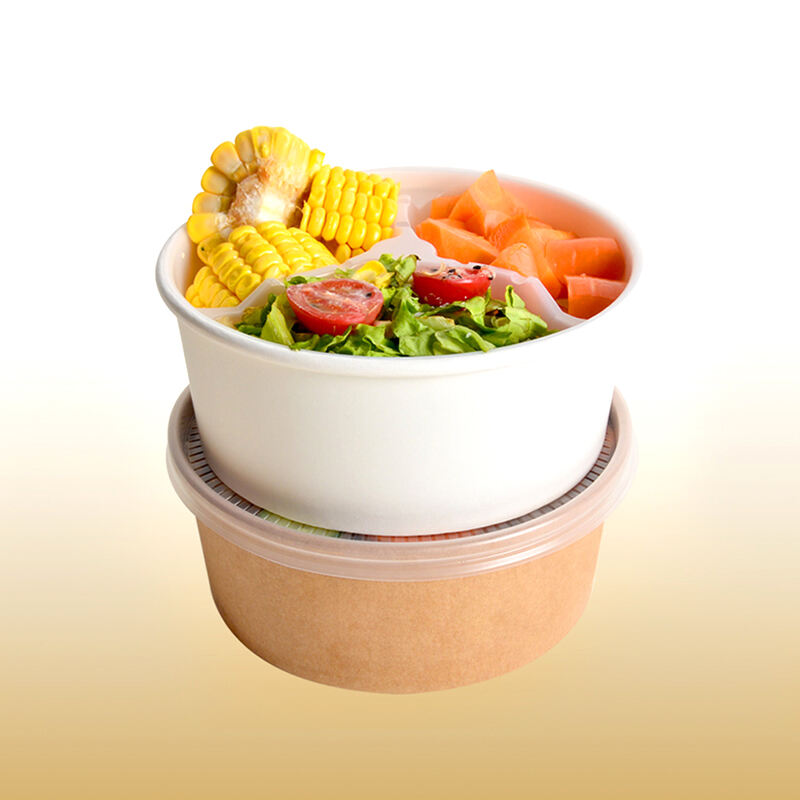
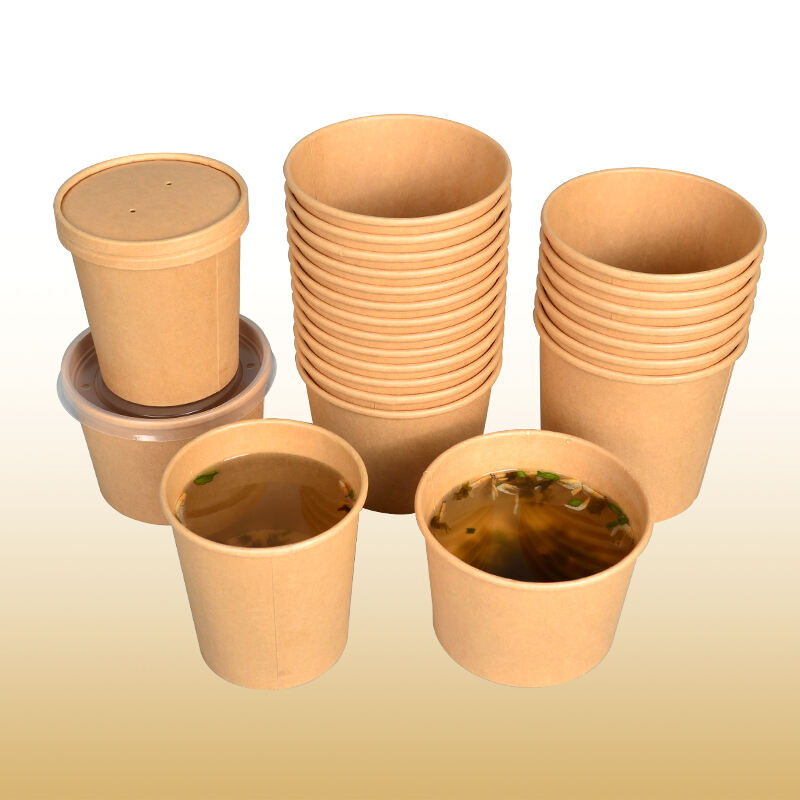
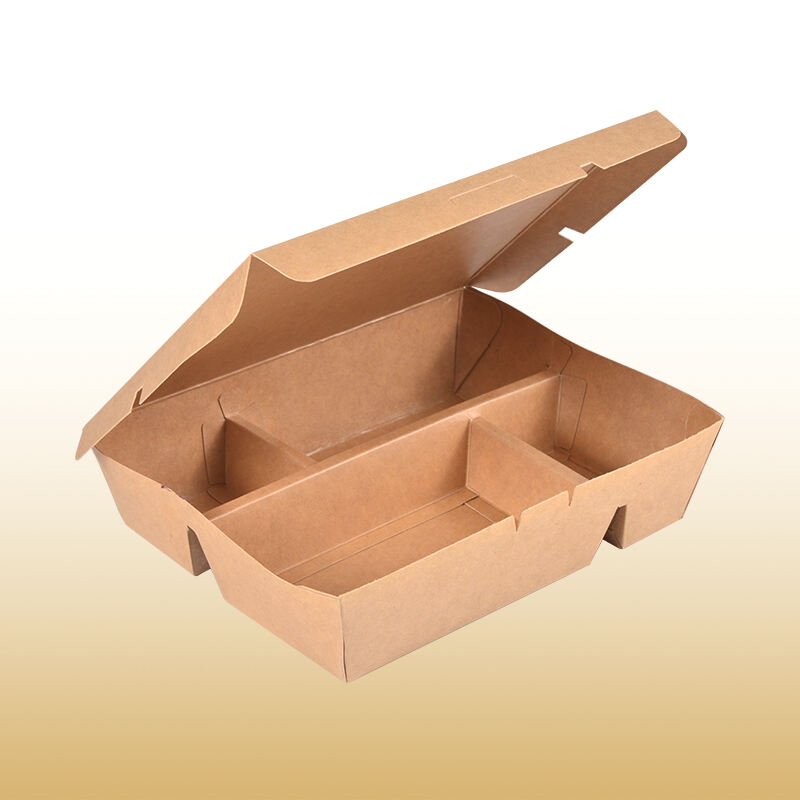
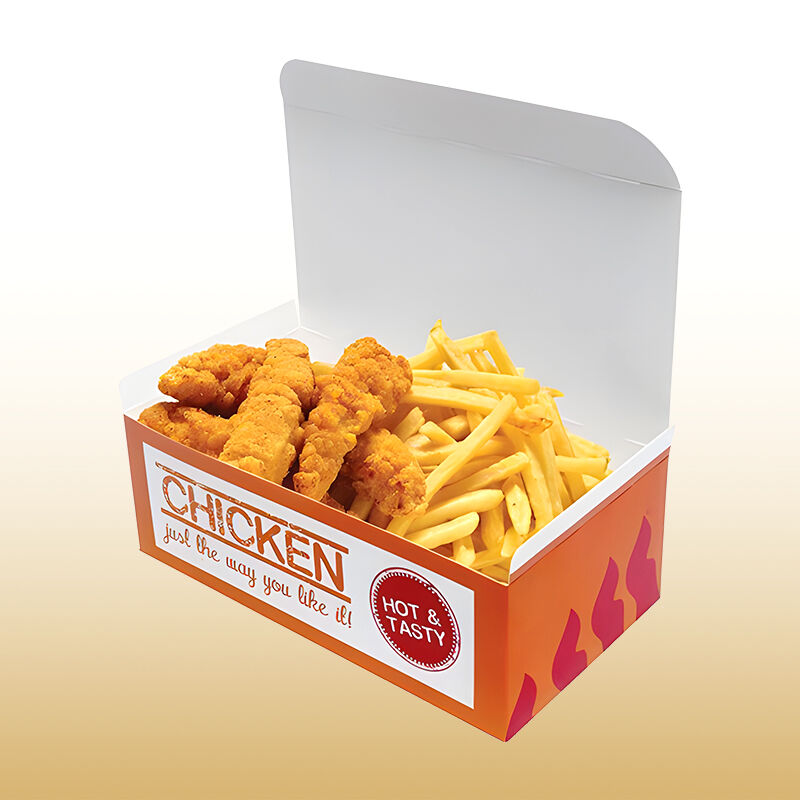
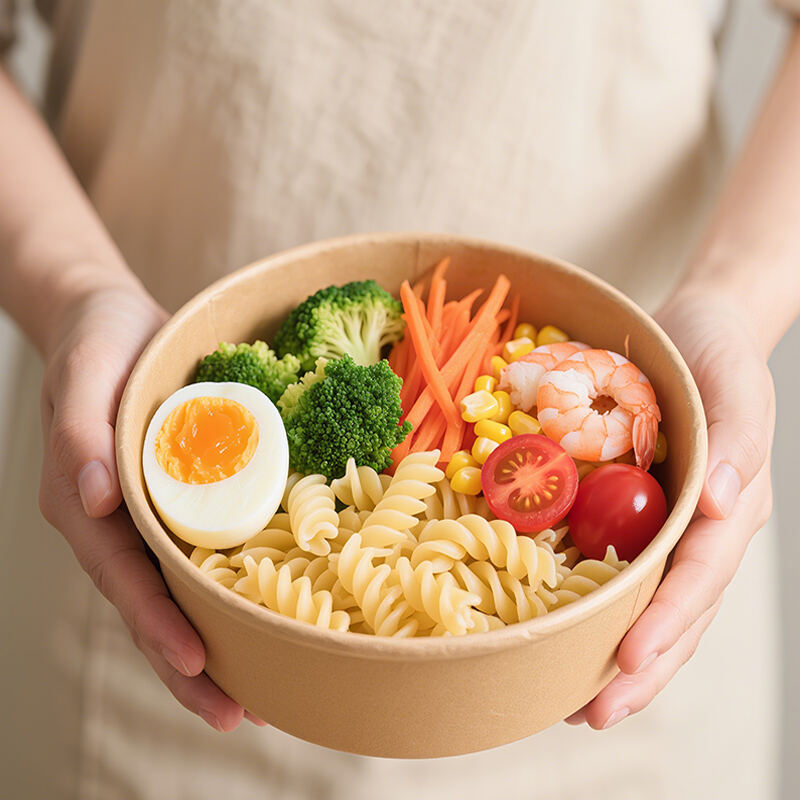
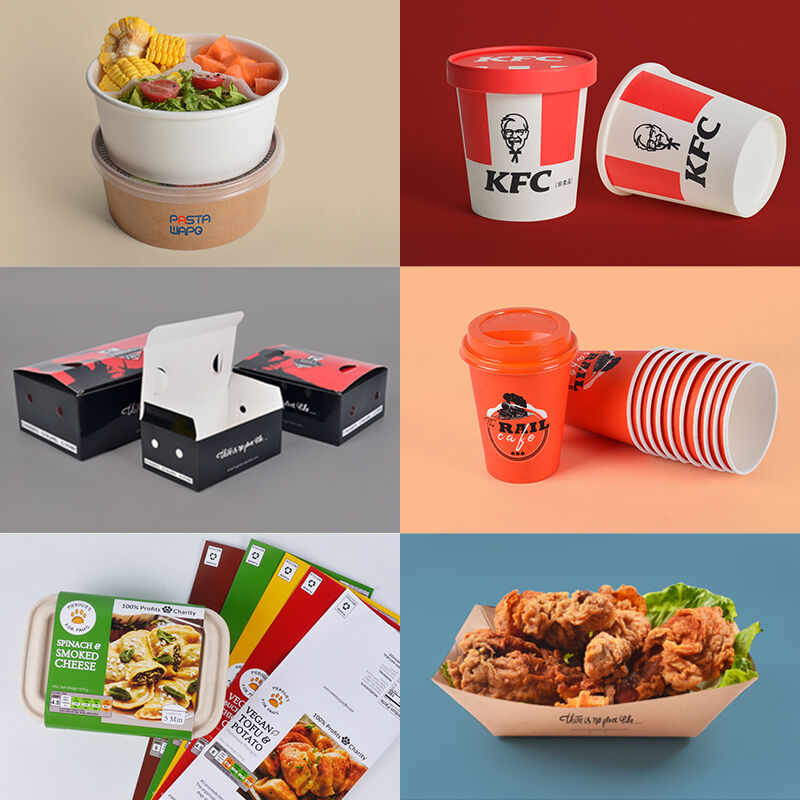
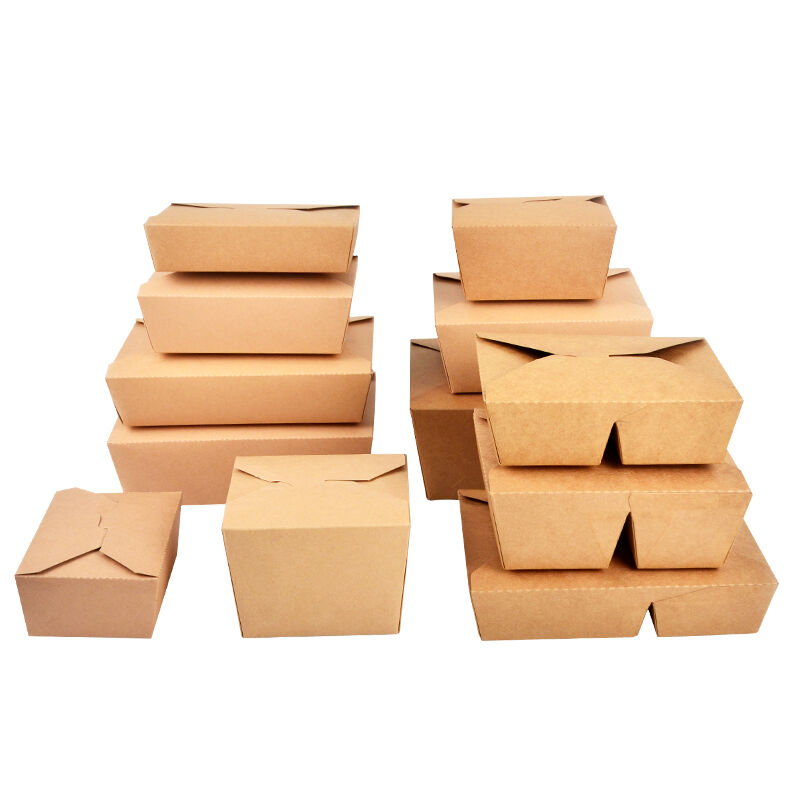
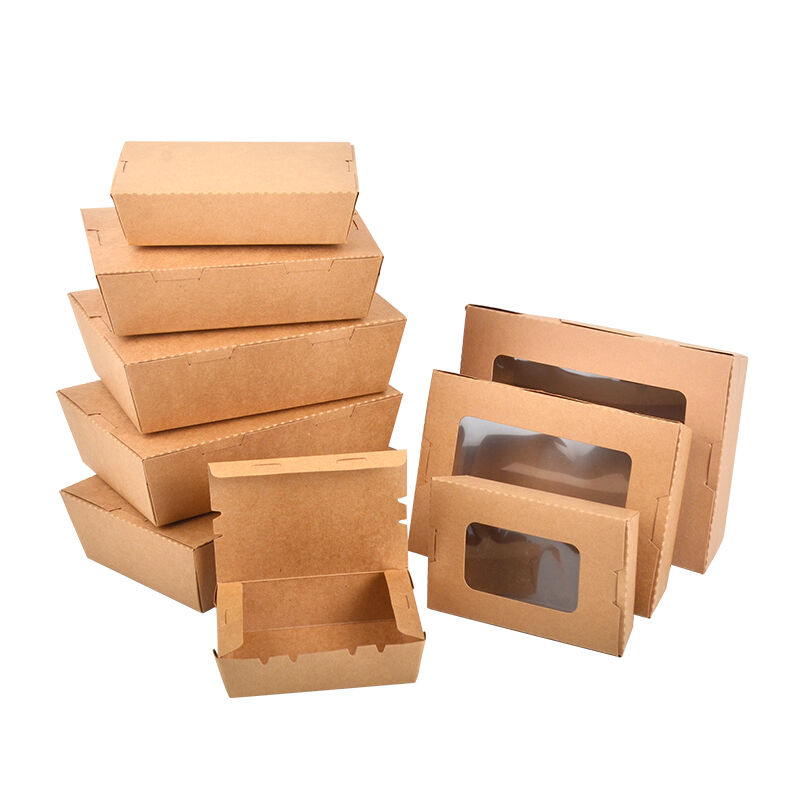
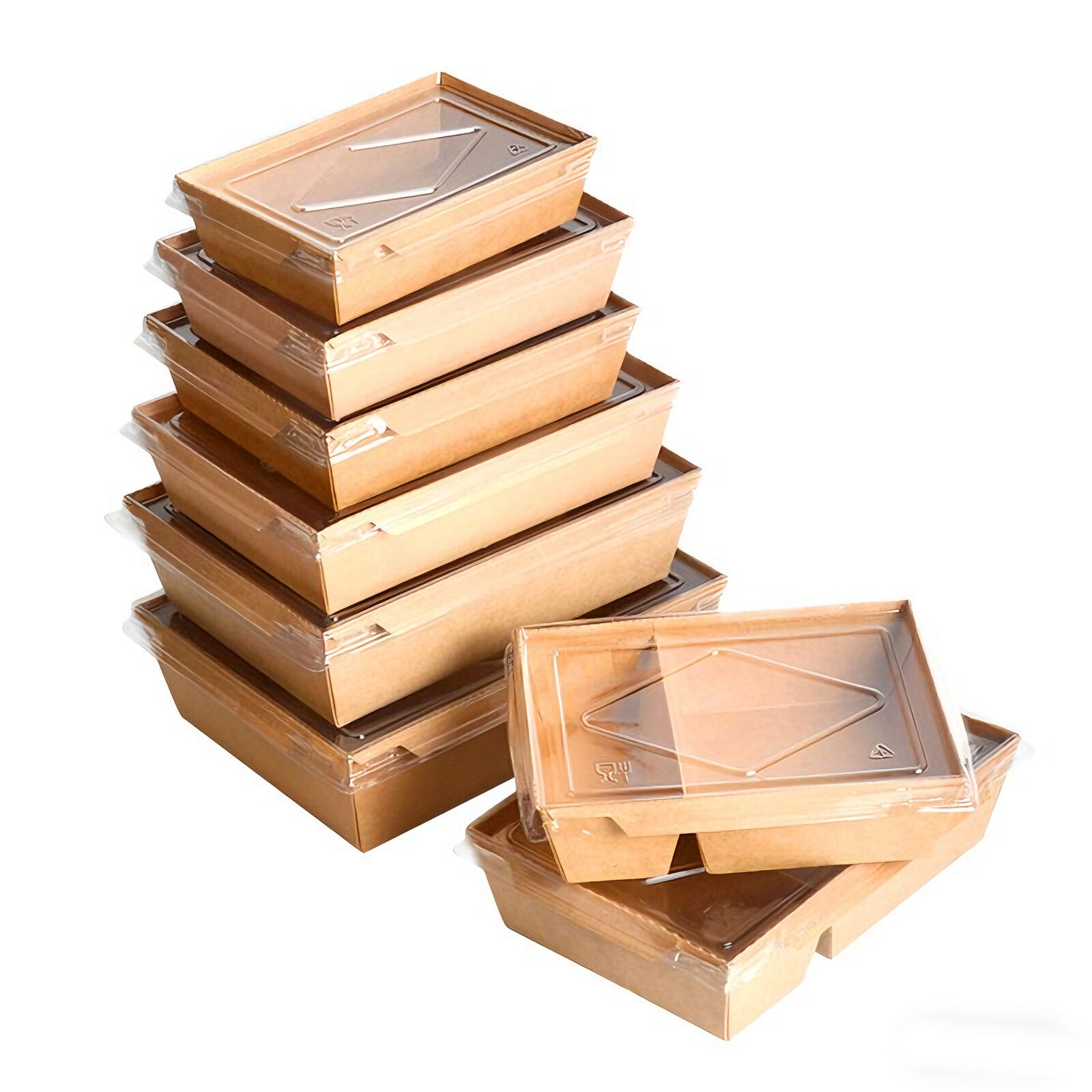
Lunch box packaging serves as a protective and functional solution designed to safely contain, transport, and preserve meals for various consumption scenarios. This specialized packaging category encompasses diverse materials and designs engineered to maintain food freshness, prevent contamination, and ensure convenient portability. Modern lunch box packaging combines structural integrity with thermal insulation properties, creating barriers against external elements while maintaining optimal internal temperatures. The primary functions include secure food containment, leak prevention, temperature retention, and hygienic protection during storage and transportation. Technological features integrated into contemporary lunch box packaging include multi-layer barrier materials, microwave-safe components, stackable designs for efficient storage, and eco-friendly biodegradable options. Advanced sealing mechanisms prevent spills and maintain freshness, while ventilation features control moisture levels to preserve food quality. Applications span across multiple sectors including educational institutions, corporate environments, healthcare facilities, outdoor recreation, and food delivery services. Commercial food service providers utilize lunch box packaging for meal prep services, catering operations, and takeaway offerings. The versatility of lunch box packaging accommodates various food types from hot entrees to cold salads, sandwiches, and complete multi-compartment meals. Material innovations range from traditional plastics and metals to sustainable alternatives like bamboo fiber, recycled paperboard, and plant-based polymers, addressing environmental concerns while delivering functional performance.
 EN
EN