 EN

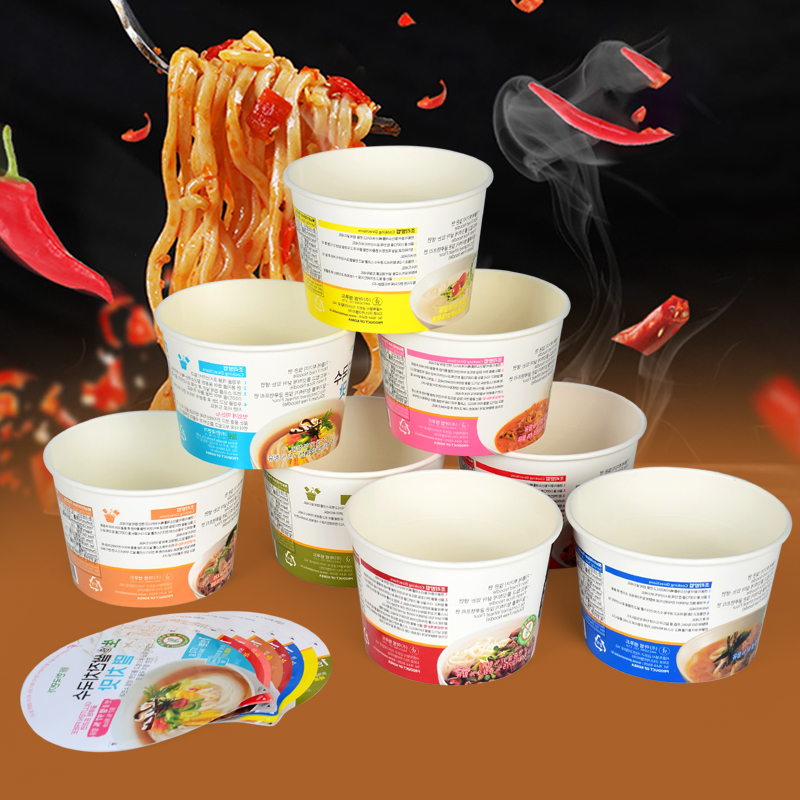
"Custom" means two very different things in packaging, and the price reflects which one you asked for. Printing a logo on an existing bowl is a print job. Changing the diameter, the depth or the rim is a mould, a die and a minimum quantity. custom paper bowls are worth the second version only when the menu cannot fit a stock size — otherwise the first version buys most of the benefit for a fraction of the commitment.
This article separates the two, explains where a bespoke bowl earns back its tooling, and covers the performance limits that no amount of customisation removes.
What Customisation Actually Changes
Print, Shape or Structure
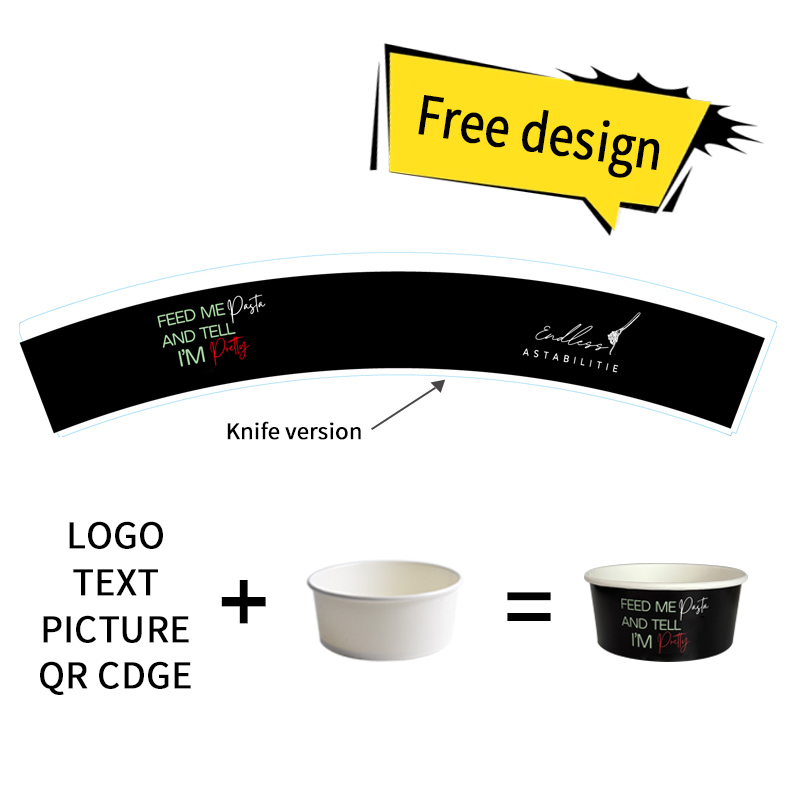
For custom paper bowls, print is the cheapest layer: artwork on a stock bowl, one setup per run, no tooling. Shape is the middle layer: a new die for a folded bowl, or a new mould for a moulded one, with a minimum run to amortise it. Structure is the expensive layer: a different depth, rim or compartment layout, which changes how the product stacks, lids and fills.
Most buyers who ask for custom paper bowls need the print layer plus one structural tweak — usually depth. That combination is where the economics still work for a mid-sized operator.
MOQ and the Setup Maths
A bespoke mould or die carries a one-off charge, and the factory needs a run long enough to make the setup worthwhile. That is why custom paper bowls are quoted with a minimum quantity rather than a simple price break.
The useful calculation is cost per bowl including the tooling, spread over the realistic annual volume. If the tooling adds a meaningful amount to a year's usage, the honest answer is a stock size with better print; if the volume is there, the bespoke bowl usually pays back within the first season.
Where a Bespoke Bowl Earns Its Cost
Menu Fit and Portion Control
With custom paper bowls, a size that matches the portion makes the food look generous, and that is a design decision worth paying for. A standard size with spare volume makes the same weight look mean; a bowl with the wrong depth lets components slide or makes a saucy dish overflow.
Depth is the specification most worth customising. Wide and shallow suits grain bowls and salads; deeper walls carry sauce and noodles without the risk of a rim overflow. Getting that single dimension right usually removes a complaint the kitchen has been managing by hand.
Shape as a Differentiator
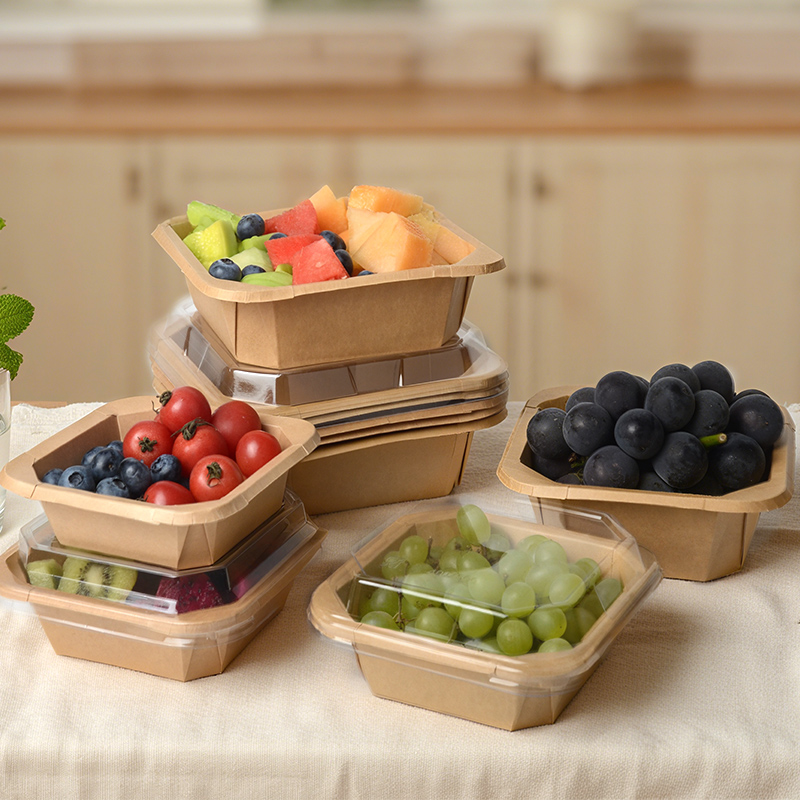
A non-round format — octagonal, square, oval — is the cheapest way to look unlike a competitor, because the shape is visible before any print is read. It also changes packing: square footprints use carton space better than round ones, and a stacked octagon resists rolling in a delivery bag.
The trade-off is tooling and lid availability. An unusual shape needs its own lid, and a lid that is not yet tooled can add more cost than the bowl itself. Confirm the lid before the bowl is approved.
Performance You Cannot Customise Away
Coating and Hot Fill
Custom paper bowls still need a barrier, and the barrier still decides the disposal story. Polyethylene gives the strongest hold and rules out composting in most systems; water-based coatings keep the bowl compatible with organic waste where a facility accepts food-soiled packaging; PLA sits between the two. No amount of design work changes that trade-off.
Test custom paper bowls with the real dish at service temperature. A bowl that passes a dry inspection can still soften at the base under a hot, wet portion, and the corner or the base seam is where it goes first.
Rim, Base and Lid Fit
The rim is the interface with the lid and with the customer's hands. A rolled rim resists crushing and keeps a lid engaged; a flat cut rim is cheaper and leaks sooner. The base matters just as much, because a bowl is carried from below and the load concentrates at its corners.
Approve custom paper bowls and their lids as one system. A bespoke bowl with a stock lid is the most common source of leaks in a custom programme, and it is entirely avoidable.
Applications
Food Service and Delivery
Custom paper bowls earn their place where the menu is built around a bowl: grain bowls, poke, noodles, salads, dessert. In those formats the container is part of the product, and a bowl that matches the portion reduces waste, improves presentation and shortens the packing step.
Events and Catering
Event work rewards customisation differently: a printed bowl for a single event is a print job, not a mould. The economics only justify a bespoke shape when the same client returns, or when the shape is shared across a season of events.
| Customisation lever | Cost impact | What it buys |
|---|---|---|
| Print only | Setup per run, no tooling | Brand recognition at low commitment |
| New depth | Die or mould plus MOQ | Portion fit, fewer overflows |
| New shape | Tooling for bowl and lid | Shelf differentiation, better cube |
| Compartment insert | Die plus assembly step | Set meals in one container |
FAQ
Are custom paper bowls suitable for hot food?
Yes, with a barrier rated for hot fill and a base that is properly sealed. Soup and very wet dishes still need a format designed for liquid, not simply a heavier bowl.
How long do they take to break down?
It depends on the coating and the facility, and a supplier quoting a single figure without a standard is guessing. Ask for certification naming the finished bowl and check that a local facility accepts food-soiled packaging.
What can be customised?
Print, depth, diameter, shape, rim profile, compartment layout and lid. Print is cheap; structure carries tooling. Decide which layer you actually need before requesting quotes.
How do costs compare with plastic?
At volume, piece prices are often close, and the difference is usually in freight and tooling rather than material. Compare landed cost per order, with the tooling spread across the annual quantity.
Custom paper bowls make sense when the menu needs a specific depth or shape, not when the brand simply wants its logo on a bowl. Separate those two requests and the programme becomes both cheaper and easier to run.