 EN
EN

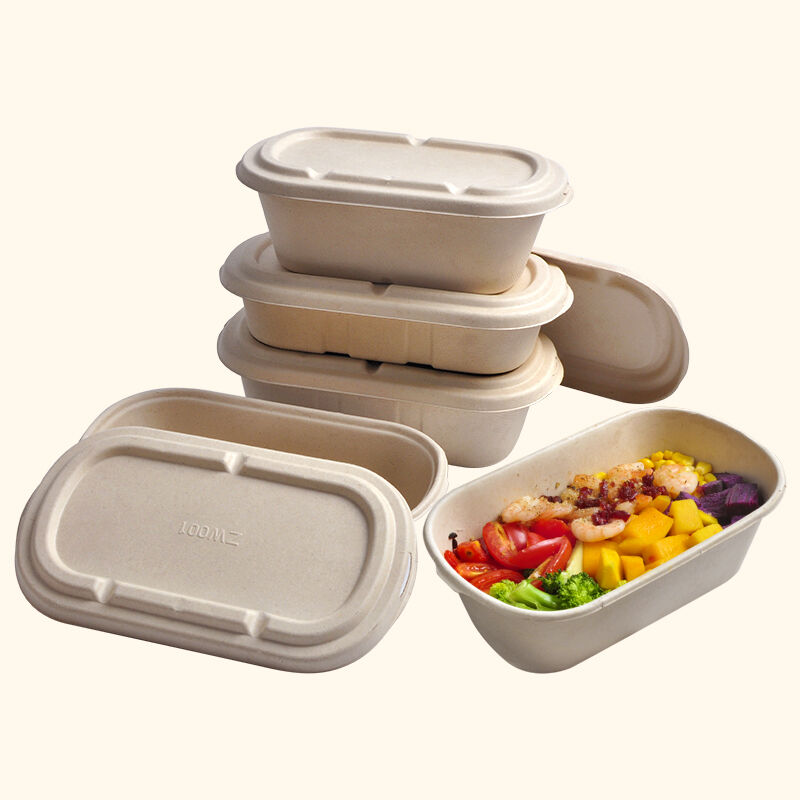
Companies across industries are increasingly turning to bagasse packaging as a strategic solution to enhance their sustainability credentials and meet growing consumer demand for eco-friendly alternatives. This natural fiber packaging material, derived from sugarcane pulp waste, offers businesses a powerful way to demonstrate environmental responsibility while maintaining product quality and functionality. The shift toward bagasse packaging represents more than just a trend—it reflects a fundamental transformation in how companies approach their environmental impact and brand positioning in an increasingly conscious marketplace.
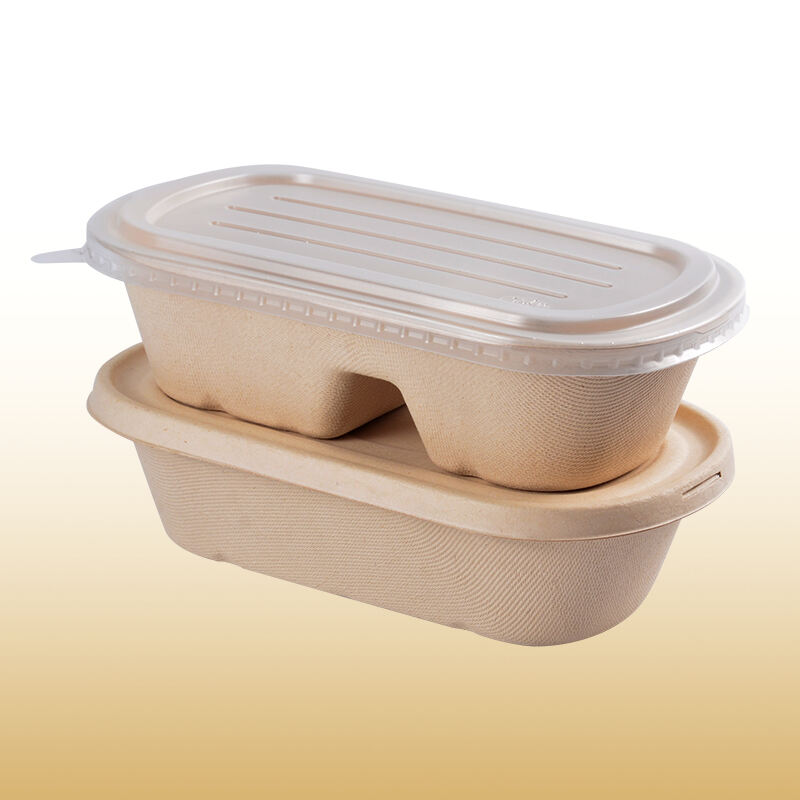
Understanding the Environmental Benefits of Bagasse Packaging
Waste Reduction and Circular Economy Principles
The adoption of bagasse packaging directly supports waste reduction initiatives by transforming agricultural byproducts into valuable packaging materials. When sugarcane is processed for sugar production, the fibrous pulp that remains would traditionally be discarded or burned, contributing to environmental pollution. Companies utilizing bagasse packaging are effectively participating in a circular economy model where waste becomes a resource, creating value from materials that would otherwise burden landfills or contribute to air pollution through incineration.
This transformation process not only reduces agricultural waste but also decreases the demand for virgin materials in packaging production. Organizations implementing bagasse packaging solutions can quantify their environmental impact by measuring the volume of agricultural waste diverted from disposal and the corresponding reduction in their packaging carbon footprint. This measurable impact provides concrete data that companies can use in sustainability reports and marketing communications to demonstrate tangible environmental benefits.
Biodegradability and Compostability Advantages
The natural biodegradability of bagasse packaging offers companies a significant advantage in addressing plastic pollution concerns and meeting increasingly stringent environmental regulations. Unlike traditional plastic packaging that can persist in the environment for hundreds of years, bagasse packaging decomposes naturally within 30 to 90 days under appropriate composting conditions. This rapid biodegradation timeline allows companies to market their products as truly sustainable alternatives that align with zero-waste initiatives and environmental stewardship goals.
Companies leveraging bagasse packaging can position themselves as leaders in the fight against plastic pollution while providing customers with guilt-free disposal options. The compostability factor enables businesses to support their customers' personal sustainability goals, creating a positive feedback loop that strengthens brand loyalty and customer satisfaction. This alignment between corporate environmental responsibility and consumer values creates a powerful marketing narrative that resonates across diverse demographic segments.
Strategic Brand Positioning Through Sustainable Packaging Choices
Consumer Perception and Market Differentiation
The strategic implementation of bagasse packaging creates immediate visual and tactile differentiation in competitive markets where sustainability has become a key purchasing factor. Companies utilizing this eco-friendly packaging material can leverage the natural appearance and texture of bagasse to communicate authenticity and environmental consciousness at the point of sale. The distinctive look and feel of bagasse packaging serves as an immediate indicator of a company's commitment to sustainable practices, often influencing purchase decisions before customers even examine product details or pricing.
Market research consistently demonstrates that consumers are willing to pay premium prices for products packaged in sustainable materials, with bagasse packaging frequently cited as a preferred alternative to plastic containers. Companies can capitalize on this consumer preference by highlighting the natural origins and environmental benefits of their packaging choice in marketing materials, product descriptions, and point-of-sale displays. This positioning strategy not only justifies premium pricing but also builds long-term customer relationships based on shared environmental values.
Corporate Social Responsibility Integration
The adoption of bagasse packaging aligns seamlessly with comprehensive corporate social responsibility programs, providing tangible evidence of a company's commitment to environmental stewardship. Organizations can integrate their packaging choices into broader sustainability narratives that encompass carbon footprint reduction, waste minimization, and support for sustainable agriculture. This holistic approach to environmental responsibility creates authentic stories that resonate with stakeholders, investors, and consumers who increasingly evaluate companies based on their environmental and social impact.
Companies implementing bagasse packaging solutions often find that this choice facilitates partnerships with like-minded organizations and opens opportunities for collaborative sustainability initiatives. The decision to use bagasse packaging can serve as a catalyst for broader environmental improvements throughout the supply chain, encouraging suppliers and partners to adopt similar sustainable practices. This ripple effect amplifies the environmental impact beyond individual company operations and contributes to industry-wide transformation toward more sustainable business practices.
Industry Applications and Implementation Success Stories
Food Service and Restaurant Industry Adoption
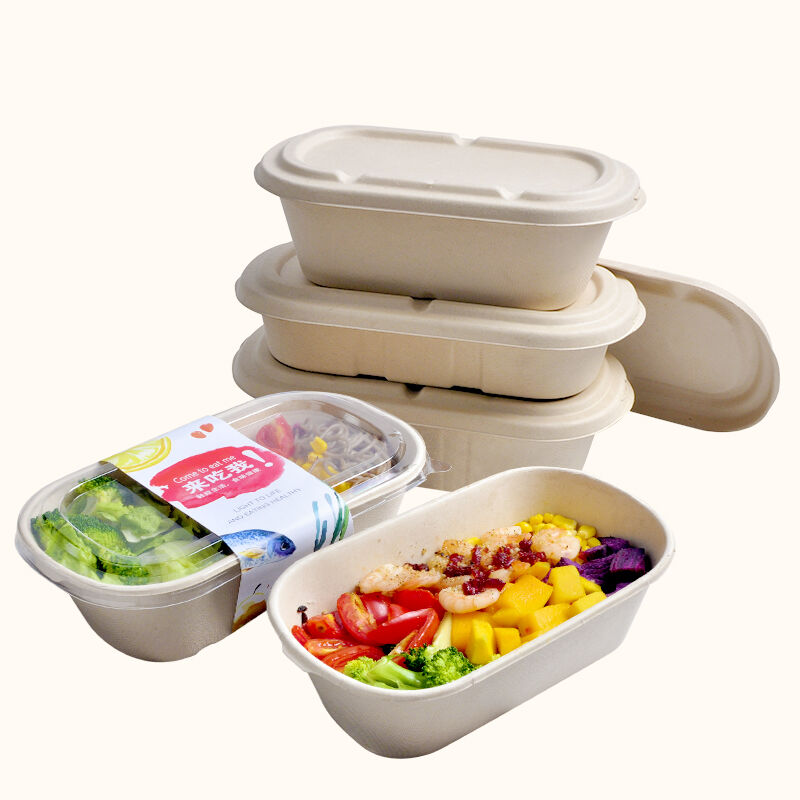
The food service industry has emerged as a leading adopter of bagasse packaging, with restaurants, cafeterias, and catering companies using these sustainable containers to address customer environmental concerns while maintaining food safety standards. Quick-service restaurants have found that bagasse packaging performs exceptionally well for hot foods, offering heat resistance and structural integrity comparable to traditional plastic containers. The natural insulation properties of bagasse help maintain food temperature while preventing condensation buildup that can compromise food quality during transport and storage.
Many restaurant chains have reported positive customer feedback and increased brand loyalty following their transition to bagasse packaging, with customers appreciating both the environmental benefits and the premium feel of the natural fiber containers. The visual appeal of bagasse packaging has also enhanced food presentation, with the natural texture and color providing an organic aesthetic that complements fresh, healthy menu items. This packaging choice has enabled restaurants to communicate their commitment to sustainability without compromising operational efficiency or food safety requirements.
Retail and E-commerce Applications
Retail businesses and e-commerce companies have successfully integrated bagasse packaging into their operations to reduce environmental impact while enhancing customer unboxing experiences. The durability and protective qualities of bagasse packaging make it suitable for shipping various product categories, from cosmetics and personal care items to small electronics and artisanal goods. Online retailers have discovered that bagasse packaging often generates positive social media attention, with customers sharing unboxing videos that highlight the sustainable packaging choice and contribute to organic brand promotion.
E-commerce businesses utilizing bagasse packaging report improved customer retention rates and increased positive reviews that specifically mention the company's environmental consciousness. The packaging choice has become a differentiating factor in competitive markets, with many companies featuring their sustainable packaging prominently in product listings and marketing materials. This strategic use of bagasse packaging has enabled retailers to build emotional connections with environmentally conscious consumers while supporting broader sustainability marketing campaigns.
Economic Benefits and Cost Considerations
Long-term Financial Advantages
While the initial cost of bagasse packaging may be higher than conventional plastic alternatives, companies are discovering significant long-term financial benefits that justify the investment in sustainable packaging solutions. The premium pricing opportunities enabled by eco-friendly packaging often offset the additional material costs, while the positive brand impact contributes to increased customer lifetime value and market share growth. Companies report that the investment in bagasse packaging pays dividends through improved customer loyalty, positive word-of-mouth marketing, and enhanced brand reputation that drives sustainable business growth.
The economic benefits extend beyond direct revenue impacts to include cost savings from improved operational efficiency and reduced waste management expenses. Bagasse packaging often requires less storage space than bulky plastic alternatives, reducing warehouse costs and improving inventory management efficiency. Additionally, companies implementing bagasse packaging solutions may qualify for environmental incentives, tax benefits, or preferential treatment from environmentally conscious business partners and customers.
Supply Chain Optimization and Procurement Strategies
Strategic procurement of bagasse packaging requires careful consideration of supplier relationships, quality standards, and volume requirements to maximize both environmental and economic benefits. Companies have found success by establishing long-term partnerships with bagasse packaging suppliers, enabling better pricing negotiations and ensuring consistent supply availability. These partnerships often include collaborative product development opportunities that allow companies to customize bagasse packaging solutions to meet specific operational requirements while maintaining environmental benefits.
The integration of bagasse packaging into supply chain operations has prompted many companies to reevaluate their entire packaging strategy, leading to comprehensive optimization initiatives that reduce overall packaging costs and environmental impact. This holistic approach to packaging procurement has enabled businesses to achieve greater sustainability goals while improving operational efficiency and reducing total cost of ownership across their packaging portfolio.
Marketing and Communication Strategies
Storytelling and Brand Narrative Development
Companies successfully leveraging bagasse packaging understand the importance of crafting compelling narratives that connect their packaging choice to broader brand values and customer aspirations. The story of transforming agricultural waste into functional packaging materials resonates strongly with consumers who appreciate innovation and environmental responsibility. Effective marketing campaigns highlight the journey from sugarcane fields to finished packaging, creating emotional connections that transcend traditional product features and pricing considerations.
The authenticity inherent in bagasse packaging stories provides companies with powerful content for social media, website copy, and traditional advertising campaigns. These narratives often feature the farmers and communities involved in sugarcane production, creating human connections that enhance brand authenticity and social impact messaging. Companies report that bagasse packaging stories generate higher engagement rates and more meaningful customer interactions compared to traditional product-focused marketing content.
Digital Marketing and Social Media Engagement
The visual appeal and environmental story of bagasse packaging create excellent opportunities for digital marketing campaigns that showcase corporate sustainability commitments. Companies utilize high-quality photography and video content to demonstrate the natural texture and appearance of bagasse packaging while explaining the environmental benefits and production process. These materials perform well across social media platforms, generating organic shares and comments that amplify brand messaging without additional advertising investment.
Social media campaigns featuring bagasse packaging often achieve viral potential when they combine environmental education with visually appealing content that encourages user-generated content and community engagement. Companies encourage customers to share photos of products in bagasse packaging, creating authentic testimonials and expanding brand reach through organic social media activity. This approach builds community around shared environmental values while generating cost-effective marketing content that supports broader sustainability messaging.
Regulatory Compliance and Future Considerations
Environmental Regulations and Policy Alignment
The proactive adoption of bagasse packaging positions companies advantageously as governments worldwide implement stricter regulations on single-use plastics and packaging waste. Many jurisdictions are introducing legislation that restricts or taxes plastic packaging while providing incentives for biodegradable alternatives, making bagasse packaging an increasingly attractive option from both environmental and regulatory perspectives. Companies implementing bagasse packaging solutions today are preparing for future regulatory requirements while avoiding potential compliance costs and operational disruptions.
Regulatory trends consistently favor biodegradable packaging materials, with bagasse packaging meeting or exceeding most current and proposed environmental standards. This compliance advantage enables companies to expand into new markets and maintain operational flexibility as regulations evolve. The investment in bagasse packaging infrastructure and supplier relationships provides competitive advantages as regulatory pressure increases on companies still relying on traditional plastic packaging solutions.
Innovation and Technology Development
Ongoing research and development in bagasse packaging technology continue to improve performance characteristics while reducing production costs, making this sustainable alternative increasingly competitive with traditional packaging materials. Innovations in bagasse processing and manufacturing are expanding the range of applications and improving barrier properties, moisture resistance, and structural integrity. Companies investing in bagasse packaging solutions today benefit from continuous technological improvements that enhance packaging performance while maintaining environmental benefits.
The collaborative nature of bagasse packaging development creates opportunities for companies to participate in innovation initiatives and influence product development to meet specific industry requirements. These partnerships often result in customized solutions that provide competitive advantages while advancing the overall sustainability of packaging technologies. The investment in bagasse packaging innovation supports long-term business sustainability while contributing to broader environmental goals and industry transformation.
FAQ
What makes bagasse packaging more sustainable than traditional packaging materials
Bagasse packaging offers superior sustainability compared to traditional materials because it utilizes agricultural waste that would otherwise be discarded or burned, creating value from sugarcane processing byproducts. Unlike plastic packaging that persists in the environment for centuries, bagasse packaging naturally biodegrades within 30-90 days under composting conditions, eliminating long-term environmental impact and supporting circular economy principles.
How does bagasse packaging performance compare to plastic containers
Modern bagasse packaging delivers comparable performance to plastic containers in terms of structural integrity, heat resistance, and food safety while offering additional benefits like natural insulation properties and moisture management. The material performs exceptionally well for hot foods and provides adequate protection for various product categories during storage and transport, making it a viable replacement for most plastic packaging applications.
What are the cost implications of switching to bagasse packaging
While bagasse packaging typically involves higher initial material costs compared to conventional plastic alternatives, companies often achieve positive return on investment through premium pricing opportunities, improved customer loyalty, and enhanced brand reputation. Long-term economic benefits include reduced waste management costs, potential regulatory compliance advantages, and access to environmentally conscious market segments willing to pay premium prices for sustainable products.
Can bagasse packaging be customized for specific industry requirements
Yes, bagasse packaging can be extensively customized to meet specific industry requirements through various manufacturing techniques and treatments that modify barrier properties, structural characteristics, and appearance. Companies can work with suppliers to develop custom sizes, shapes, and performance specifications while maintaining the environmental benefits of bagasse materials, enabling industry-specific solutions that support both operational needs and sustainability goals.
Table of Contents
- Understanding the Environmental Benefits of Bagasse Packaging
- Strategic Brand Positioning Through Sustainable Packaging Choices
- Industry Applications and Implementation Success Stories
- Economic Benefits and Cost Considerations
- Marketing and Communication Strategies
- Regulatory Compliance and Future Considerations
- FAQ