 EN
EN

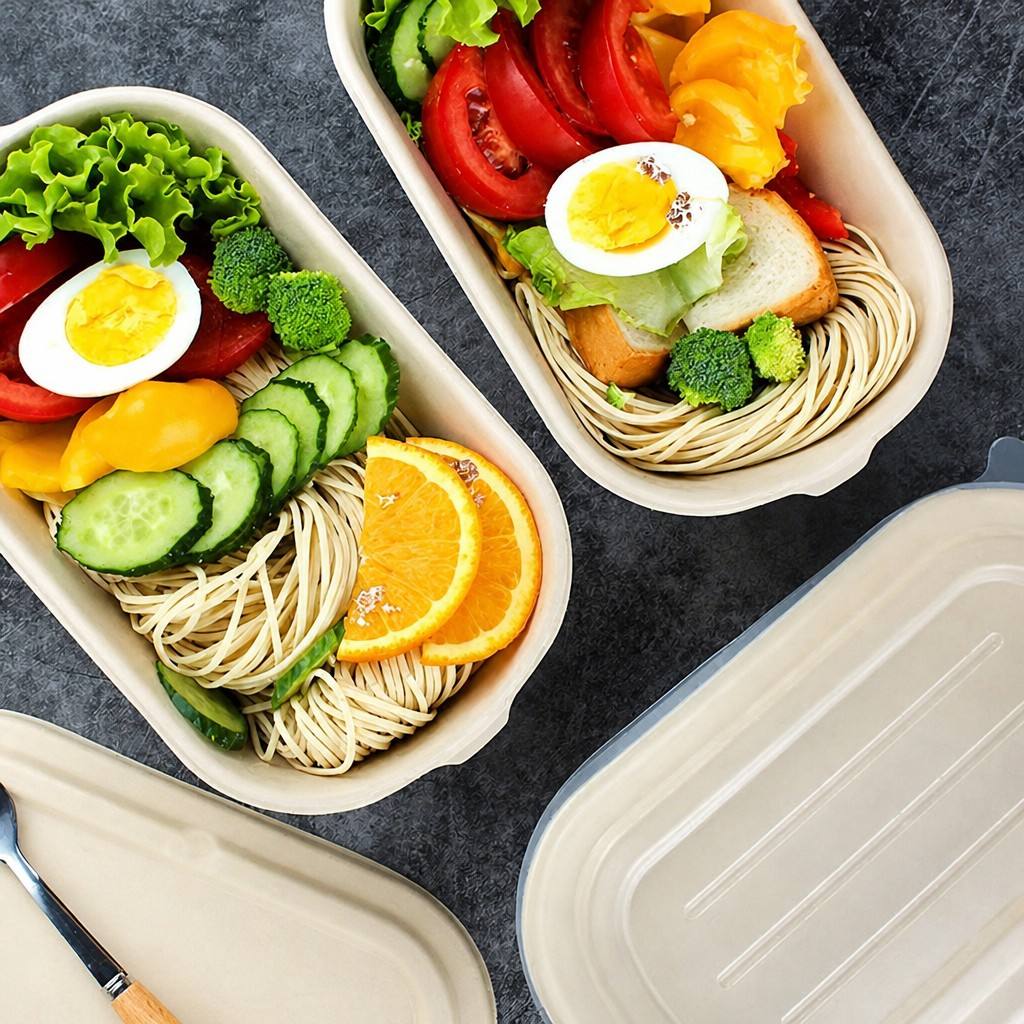
Bagasse packaging fails for reasons that are rarely visible in a sample. A container that feels rigid on the day it is approved can soften in a humid warehouse, crack at the rim under a stacked carton, or leak at the corner after twenty minutes under a hot, oily meal. The difference is not the material category — it is how the pulp, the forming cycle, the barrier and the geometry were specified.
This article walks through the variables that decide how long bagasse packaging holds its shape and strength, and what a buyer can put in a specification to control them.
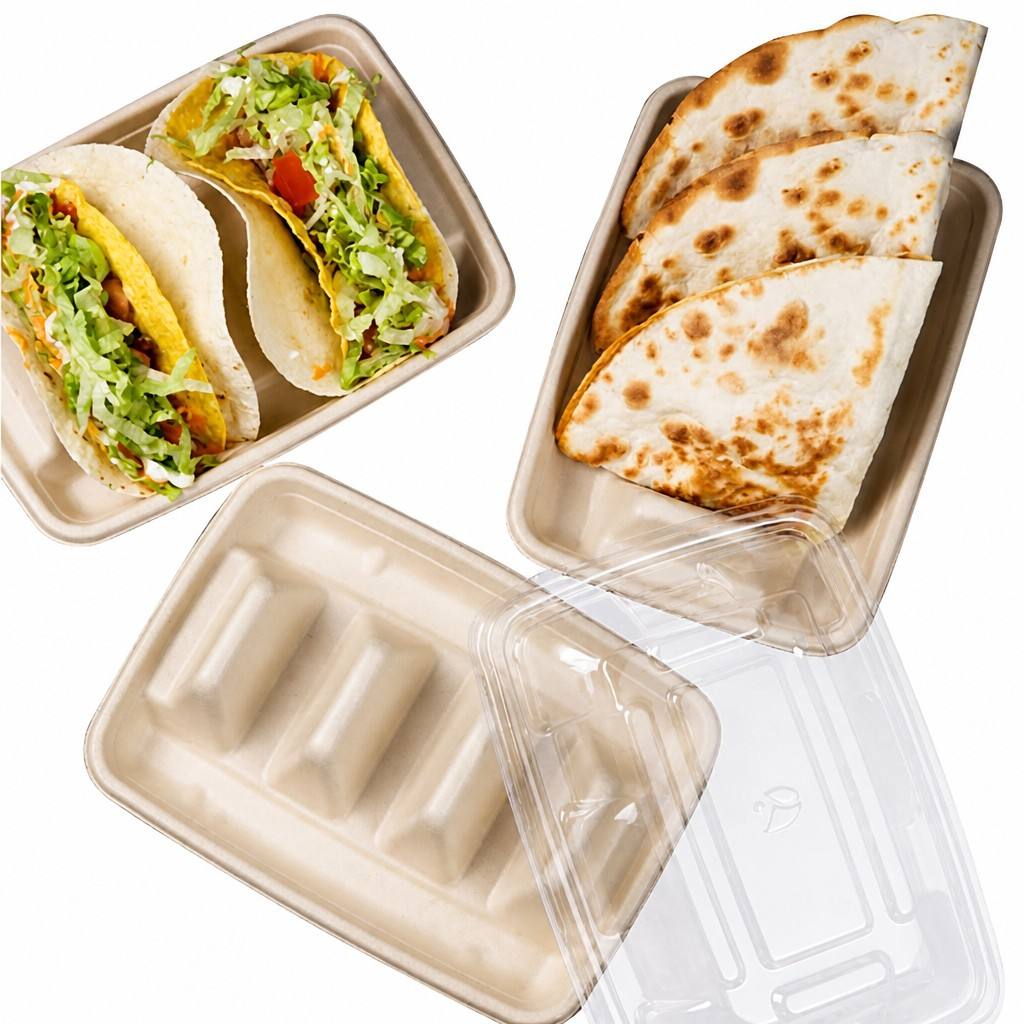
Pulp Quality Sets the Ceiling for Bagasse Packaging
Fibre Length and Freeness
Durability in bagasse packaging starts in the pulp. Longer sugarcane fibres interlock into a denser mat and give the finished part its bending strength; over-refined or short fibre produces a part that feels chalky and fails at the edge. Freeness and fibre length distribution therefore matter more than the nominal grade printed on the pulp bag.
Consistency between batches matters as much as absolute quality. A supplier that blends pulp from different sources without testing will deliver containers whose stiffness drifts from order to order, which shows up as customer complaints about flimsy lids long after the first shipment was approved.
Contaminants and Washing
Residual sugar, pith and sand interfere with fibre bonding and create weak points that only appear under load. Washing and mechanical separation remove them, but the process costs water and time, which is exactly where low-cost producers cut corners. A buyer who never asks about pulp preparation is trusting a variable they cannot see.
Forming: Where Bagasse Packaging Gains Its Strength
Press Pressure and Density
Moulding pressure compresses the fibre mat into its final density. Higher pressure generally produces a stiffer wall and a smoother surface, but pushing too far crushes fibres and leaves internal stress that turns into cracking at the corners. The workable window is narrow, and it shifts with fibre length and pulp consistency.
Density also decides how the part behaves in the hand. A dense wall resists hot food and stacking loads; a light wall saves material and freight but flexes. Neither is wrong, provided the specification states which one the product is meant to be.
Temperature, Dwell Time and Residual Moisture
Heat drives off water and sets the fibre bonds. Too little energy leaves residual moisture inside the wall, and that moisture becomes the starting point for mould, softening and dimensional change in storage. Too much heat for too long makes the surface brittle and yellowed.
Residual moisture at packing is the single most overlooked number in bagasse packaging. A container that leaves the press wet will pass a visual inspection and still fail three weeks later inside a sealed carton. Modern bagasse packaging lines control press temperature, dwell time and drying in one cycle for that reason.
Barrier, Coating and Food Contact
Water-Based and Plastic-Free Barriers
Uncoated bagasse packaging absorbs liquid quickly, so most foodservice formats carry a barrier. Water-based coatings keep the product compostable and handle short contact well; PLA and similar films give stronger grease hold but change the disposal story. The right choice depends on holding time, temperature and what the customer will do with the box afterwards.
Grease, Hot Fill and Edge Wicking
Most bagasse packaging failures start at an edge. Cut rims and folded corners expose fibre that has no coating, and oil wicks along it until the wall softens. A rolled rim, a sealed edge and a barrier that wraps the corner rather than stopping short of it separate a container that survives delivery from one that does not.
| Failure seen by the customer | Root cause | What to specify |
|---|---|---|
| Soft base under a hot meal | Low density, thin wall | Higher press pressure, stated wall thickness |
| Mould or smell in the carton | Residual moisture at packing | Drying spec, sealed carton, humidity-controlled storage |
| Cracks at the corner | Over-pressed fibres, sharp radius | Larger corner radius, adjusted pressure |
| Oil leaking through the rim | Uncoated cut edge, edge wicking | Rolled rim, full-wrap coating |
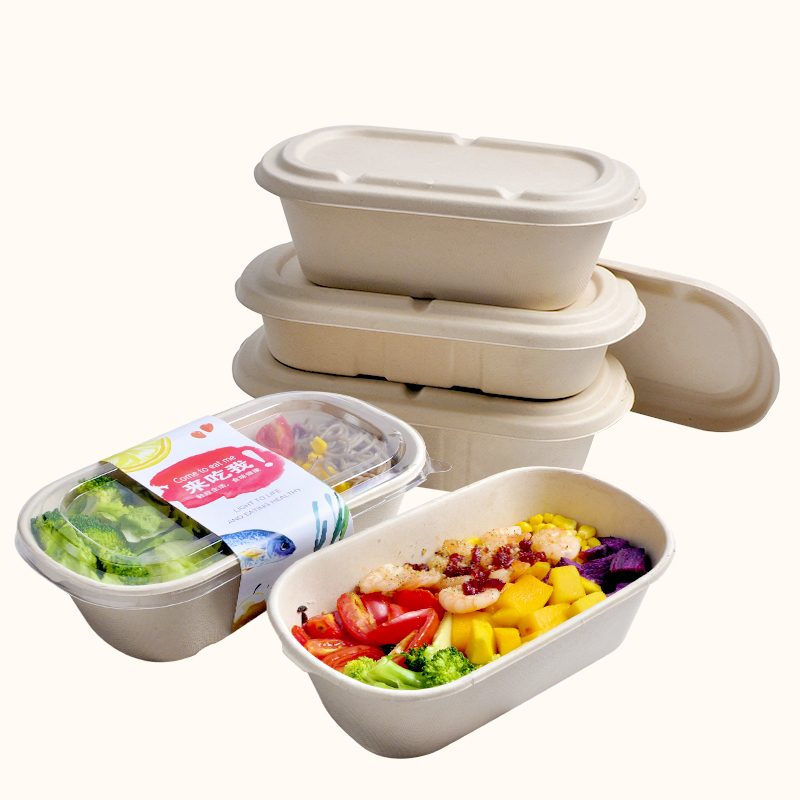
Geometry, Storage and Handling
Wall Thickness, Ribs and Rim Design
Geometry decides how bagasse packaging spreads load. Ribs, tapered walls and a rolled rim move stress away from corners, and a slight draft angle lets containers nest and de-nest without jamming. Thickening a wall is the expensive way to add strength; changing the shape is usually the cheaper one.
Depth matters too. A deep, narrow bagasse packaging format carries load down its walls, while a wide, shallow tray puts the same weight into the base. Matching the shape to the menu item is a durability decision as much as a presentation one.
Humidity, Stacking and Transit
Bagasse packaging is hygroscopic: it takes moisture from the air and loses strength as it does. Warehouses that hold cartons on a concrete floor, near a loading door or in an unventilated container expose the product to exactly the conditions it handles worst. Controlled humidity, pallets and shrink wrap are inexpensive insurance.
Stack height does the rest for bagasse packaging. Cartons crushed at the bottom of a container produce oval lids and cracked rims that only appear on arrival, so compression strength and container loading plan belong in the same conversation.
Testing Bagasse Packaging Before You Commit
What to Verify on Samples
A useful approval process for bagasse packaging tests the container, not the photo. Fill it with the real product at the real temperature, hold it for the real delivery time, stack cartons to the planned height, and drop a filled box from counter height. Then leave a sample in a humid room for two weeks and repeat the stack test.
Documented quality control matters here. A supplier running incoming-material checks, in-process press monitoring and batch traceability can explain a failure; one that only inspects the finished pallet can only apologise. Certification for compostability and food contact supports the claim, but it does not replace a fill test on the actual SKU.
FAQ
How long do bagasse packaging products hold their strength?
In dry storage, well-made bagasse packaging keeps its shape for months, but the practical limit is moisture, not time. Once a carton absorbs humidity or the wall takes on liquid, strength drops quickly. Buyers should specify storage conditions and a shelf-life expectation rather than assume an open-ended one.
Which conditions damage bagasse packaging fastest?
Sustained humidity, direct water contact and hot oil at an uncoated edge. Repeated temperature swings add stress because the fibre expands and contracts, and prolonged sunlight degrades the surface. Transit in an unventilated container during a wet season is the most common real-world cause of arrival damage.
Can bagasse packaging be made more durable without losing compostability?
Yes. Denser forming, better fibre selection, rolled rims and water-based barriers all raise performance without adding plastic. The limit is usually the coating: heavier grease barriers tend to move the product away from home compostability, so the specification should state which disposal route the customer expects.
How does bagasse packaging compare with plastic or paperboard?
Bagasse holds hot, oily food better than plain paperboard and carries a stronger sustainability story than moulded plastic, but it is more moisture-sensitive than either. For delivery within an hour it performs well; for long storage in humid conditions it needs the right barrier and packing.
Durability in bagasse packaging is engineered, not inherited from the material name. Fibre, press cycle, moisture at packing, edge treatment and storage conditions each set a limit, and the specification is the only place a buyer can control all five.