 EN
EN


The global shift toward environmentally conscious consumption has revolutionized the food service industry, with businesses and consumers increasingly demanding sustainable alternatives to traditional packaging. Among the most significant developments in this movement are PLA-coated paper cups, which represent a groundbreaking advancement in eco-friendly beverage containers. These innovative cups combine the practical functionality of conventional paper cups with the environmental benefits of plant-based coating materials, creating a solution that addresses both operational needs and sustainability goals. As environmental regulations tighten and consumer awareness grows, PLA-coated paper cups are emerging as the preferred choice for forward-thinking businesses seeking to reduce their environmental impact while maintaining product quality and customer satisfaction.
Understanding PLA Technology and Its Environmental Impact
The Science Behind PLA Coating Materials
Polylactic acid (PLA) represents a revolutionary breakthrough in sustainable packaging technology, derived entirely from renewable plant resources such as corn starch, sugarcane, and other agricultural byproducts. Unlike traditional petroleum-based coatings that dominate the conventional paper cup market, PLA-coated paper cups utilize this biodegradable polymer to create an effective moisture barrier while maintaining complete environmental compatibility. The manufacturing process involves converting plant sugars into lactic acid through fermentation, which is then polymerized to form the PLA coating that provides essential liquid resistance properties. This innovative approach ensures that PLA-coated paper cups deliver the same functional performance as their traditional counterparts while offering superior environmental benefits that align with modern sustainability standards.
Biodegradability and Compostability Advantages
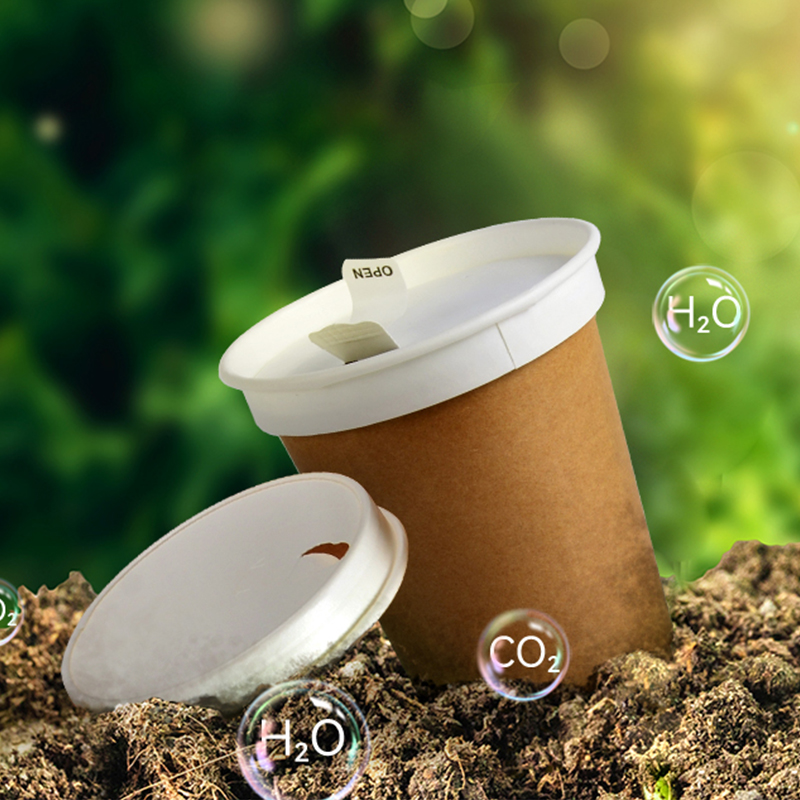
The most significant advantage of PLA-coated paper cups lies in their exceptional biodegradability under proper composting conditions, breaking down completely within 90 to 180 days in commercial composting facilities. This rapid decomposition process stands in stark contrast to conventional plastic-lined cups, which can persist in landfills for hundreds of years while releasing harmful chemicals into soil and groundwater systems. When disposed of correctly, PLA-coated paper cups contribute to nutrient-rich compost that can enhance soil quality and support sustainable agriculture practices. The composting process transforms these cups into organic matter that supports plant growth, creating a circular economy model that benefits both businesses and the environment. This closed-loop system demonstrates how PLA-coated paper cups can contribute to regenerative practices rather than simply reducing environmental harm.
Market Trends Driving PLA Adoption in Food Service
Consumer Demand for Sustainable Packaging Solutions
Today's environmentally conscious consumers are actively seeking businesses that demonstrate genuine commitment to sustainability, with packaging choices serving as a visible indicator of corporate environmental responsibility. Market research consistently shows that consumers are willing to pay premium prices for products packaged in environmentally friendly materials, creating strong economic incentives for businesses to adopt PLA-coated paper cups. Social media amplification of sustainability messages means that businesses using eco-friendly packaging can leverage their choices for positive brand positioning and customer loyalty building. The younger demographic, particularly millennials and Generation Z consumers, prioritize environmental considerations in their purchasing decisions, making PLA-coated paper cups an essential component of customer retention strategies. This consumer-driven demand creates a competitive advantage for businesses that proactively adopt sustainable packaging solutions before they become industry standards.
Regulatory Pressure and Environmental Legislation
Government regulations worldwide are increasingly restricting single-use plastic items, creating mandatory compliance requirements that make PLA-coated paper cups not just preferable but legally necessary in many jurisdictions. The European Union's Single-Use Plastics Directive, various state-level bans in the United States, and similar legislation in countries like Canada and Australia are driving rapid adoption of biodegradable alternatives. These regulatory frameworks often include specific timelines for phasing out conventional plastic-lined cups, creating urgent business needs for sustainable replacements that meet both environmental and functional requirements. Businesses that proactively adopt PLA-coated paper cups position themselves ahead of regulatory curves while avoiding potential compliance costs and operational disruptions. The regulatory landscape suggests that sustainable packaging will transition from optional corporate responsibility initiatives to mandatory business requirements within the next decade.
Performance Characteristics and Functional Benefits
Thermal Insulation and Temperature Resistance
Advanced PLA coating formulations provide excellent thermal insulation properties that maintain beverage temperatures while protecting users from heat transfer, ensuring comfortable handling of both hot and cold drinks. The molecular structure of PLA creates an effective barrier against temperature transmission, allowing PLA-coated paper cups to perform comparably to traditional options in demanding food service environments. These cups maintain structural integrity across a wide temperature range, from frozen beverages to hot coffee and tea, without compromising the coating's environmental benefits or functional performance. Temperature resistance testing demonstrates that PLA-coated paper cups retain their shape and barrier properties under thermal stress conditions typical in commercial food service operations. The superior thermal management capabilities ensure customer satisfaction while supporting operational efficiency in high-volume serving environments.
Moisture Barrier and Liquid Containment Properties
The sophisticated PLA coating technology creates an impermeable moisture barrier that prevents liquid seepage and maintains cup structural integrity throughout extended use periods. Unlike some biodegradable alternatives that may compromise on functionality, PLA-coated paper cups deliver reliable liquid containment that meets the demanding requirements of busy food service establishments. The coating's molecular density prevents flavor transfer and maintains beverage quality, ensuring that drinks taste as intended while the cup performs its containment function flawlessly. Extended contact testing shows that PLA-coated paper cups maintain their barrier properties even when holding acidic beverages or oils that might degrade lesser coating materials. This robust performance profile makes these cups suitable for diverse beverage types while maintaining the environmental benefits that drive their adoption.
Economic Considerations and Cost-Benefit Analysis
Initial Investment and Long-Term Savings
While PLA-coated paper cups may require higher upfront investment compared to conventional alternatives, the total cost of ownership often favors sustainable options when considering waste management savings, regulatory compliance costs, and brand value enhancement. Businesses adopting PLA-coated paper cups frequently report reduced waste disposal fees due to composting partnerships and diversion from traditional waste streams that incur higher landfill charges. The marketing value of sustainable packaging choices can generate increased customer traffic and loyalty, creating revenue benefits that offset initial premium costs associated with eco-friendly materials. Long-term supply chain stability favors PLA-coated paper cups as petroleum price volatility affects conventional coating materials while plant-based PLA sources provide more predictable pricing structures. Forward-thinking businesses recognize that early adoption of sustainable packaging positions them competitively as market preferences and regulations continue evolving toward environmental responsibility.
Supply Chain Reliability and Scaling Benefits
The expanding manufacturing capacity for PLA-coated paper cups is driving economies of scale that progressively reduce unit costs while improving availability and delivery consistency. Major packaging manufacturers are investing heavily in PLA production capabilities, creating competitive supplier markets that benefit businesses through improved pricing and service options. Supply chain diversification through multiple PLA sources reduces dependency on single suppliers while supporting business continuity and competitive procurement strategies. The agricultural basis of PLA raw materials provides supply chain resilience compared to petroleum-dependent alternatives that face geopolitical and market volatility challenges. Businesses establishing relationships with PLA-coated paper cup suppliers today position themselves advantageously as demand growth drives continued capacity expansion and cost optimization.
Implementation Strategies for Business Adoption
Transitioning from Conventional to PLA-Coated Solutions
Successful implementation of PLA-coated paper cups requires strategic planning that addresses staff training, customer communication, and operational workflow adjustments to maximize benefits while minimizing disruption. Businesses should develop comprehensive transition timelines that allow for supplier evaluation, product testing, and gradual rollout phases that ensure smooth operational continuity. Staff education programs help employees understand the environmental benefits and proper disposal methods for PLA-coated paper cups, enabling them to communicate effectively with environmentally conscious customers. Pilot testing in limited locations or product lines allows businesses to refine processes and address operational challenges before full-scale implementation of sustainable packaging solutions. Clear communication strategies help customers understand and appreciate the environmental benefits of PLA-coated paper cups while reinforcing brand commitment to sustainability.
Marketing and Customer Communication Benefits
The adoption of PLA-coated paper cups provides powerful marketing opportunities that can differentiate businesses in competitive markets while attracting environmentally conscious consumers. Social media campaigns highlighting sustainable packaging choices generate organic engagement and positive brand associations that extend beyond immediate customers to broader community audiences. Point-of-sale messaging about PLA-coated paper cups educates customers about environmental benefits while reinforcing purchase decisions and encouraging repeat business from sustainability-minded consumers. Partnerships with environmental organizations and participation in green business directories become possible when businesses demonstrate concrete sustainability commitments through packaging choices. The authentic environmental story behind PLA-coated paper cups provides marketing content that resonates with target audiences while supporting broader corporate sustainability narratives.
Future Innovations and Industry Development
Technological Advancements in PLA Coating Methods
Ongoing research and development in PLA coating technology continues improving performance characteristics while reducing production costs and environmental impact of manufacturing processes. Advanced PLA formulations incorporate additives that enhance heat resistance, barrier properties, and coating adhesion without compromising biodegradability or compostability characteristics. Nanotechnology applications in PLA coating development promise enhanced functionality that could exceed conventional coating performance while maintaining complete environmental compatibility. Manufacturing process innovations are reducing energy requirements and waste generation during PLA-coated paper cup production, further improving their environmental profile. These technological improvements ensure that PLA-coated paper cups will continue evolving to meet increasingly demanding performance requirements while advancing sustainability goals.
Market Expansion and Global Adoption Trends
International market expansion for PLA-coated paper cups is accelerating as environmental awareness grows globally and regulatory frameworks increasingly favor sustainable packaging solutions. Emerging markets are adopting PLA technology as they develop food service infrastructure, avoiding the environmental legacy issues associated with conventional plastic-lined packaging systems. Corporate sustainability commitments by multinational food service companies are driving standardization around PLA-coated paper cups across global operations and supply chains. The expanding availability of composting infrastructure in urban areas worldwide supports the practical benefits of PLA-coated paper cups by providing proper disposal pathways. Industry analysts project continued growth in PLA-coated paper cup adoption as cost competitiveness improves and environmental regulations become more stringent globally.
FAQ
How long do PLA-coated paper cups take to decompose in commercial composting facilities
PLA-coated paper cups typically decompose completely within 90 to 180 days in commercial composting facilities that maintain proper temperature, moisture, and oxygen conditions. The decomposition timeline depends on specific composting facility operations and environmental conditions, but certified compostable PLA-coated paper cups meet international standards for biodegradability. Home composting may require longer periods due to lower temperatures and less controlled conditions, though the cups will still break down naturally over time.
Are PLA-coated paper cups suitable for both hot and cold beverages
Yes, PLA-coated paper cups are engineered to handle both hot and cold beverages effectively, with thermal resistance properties that maintain structural integrity across typical food service temperature ranges. The PLA coating provides excellent moisture barriers for cold drinks while offering heat resistance suitable for coffee, tea, and other hot beverages. Advanced PLA formulations ensure that the cups maintain their performance characteristics without compromising environmental benefits regardless of beverage temperature.
What disposal infrastructure is required for PLA-coated paper cups
Proper disposal of PLA-coated paper cups requires access to commercial composting facilities that can process biodegradable materials at appropriate temperatures and conditions. Many municipalities are expanding composting programs to include PLA products, though businesses should verify local composting capabilities before implementation. Alternative disposal methods include specialized waste management services that collect compostable materials for processing at certified facilities.
How do the costs of PLA-coated paper cups compare to traditional alternatives
While PLA-coated paper cups may have higher initial purchase costs compared to conventional plastic-lined cups, total ownership costs often favor sustainable options when considering waste disposal savings, marketing benefits, and regulatory compliance advantages. Economies of scale in PLA production are steadily reducing price premiums, making these cups increasingly cost-competitive. Businesses frequently find that customer loyalty improvements and brand value enhancement from sustainable packaging choices offset any initial cost differences.
Table of Contents
- Understanding PLA Technology and Its Environmental Impact
- Market Trends Driving PLA Adoption in Food Service
- Performance Characteristics and Functional Benefits
- Economic Considerations and Cost-Benefit Analysis
- Implementation Strategies for Business Adoption
- Future Innovations and Industry Development
- FAQ