Get a Free Quote

Our representative will contact you soon.
Email
Phone/WhatsApp
Name
Company Name
Message
0/1000

Why Are Kraft Bowls Favored by Eco-Conscious Restaurants?

2026-01-29 10:00:00
Why Are Kraft Bowls Favored by Eco-Conscious Restaurants?

The restaurant industry has witnessed a remarkable shift toward sustainable dining solutions, with kraft bowls emerging as the preferred choice for environmentally conscious establishments. These versatile containers represent more than just serving vessels; they embody a commitment to reducing environmental impact while maintaining operational efficiency. Modern restaurants increasingly recognize that kraft bowls offer the perfect balance between functionality, sustainability, and cost-effectiveness that today's eco-aware consumers demand.

kraft bowls

Environmental Benefits Driving Restaurant Adoption

Biodegradable Material Composition

Kraft bowls are manufactured from natural kraft paper, which decomposes significantly faster than traditional plastic alternatives. This biodegradable composition means that kraft bowls break down completely within 30 to 90 days under proper composting conditions. Restaurant owners appreciate that these containers don't contribute to the growing plastic waste crisis that has become a major environmental concern. The natural fibers used in kraft bowls return to the earth without leaving harmful residues or microplastics that can contaminate soil and water systems.

The production process of kraft bowls requires fewer harmful chemicals compared to plastic manufacturing, resulting in lower toxic emissions during production. Many kraft bowls are also made from recycled paper content, further reducing the demand for virgin materials. This circular approach to manufacturing aligns perfectly with the sustainability goals that forward-thinking restaurants are actively pursuing. The environmental impact assessment shows that kraft bowls generate approximately 75% less carbon footprint than comparable plastic containers throughout their lifecycle.

Compostable Waste Management Solutions

Restaurants utilizing kraft bowls can implement comprehensive composting programs that transform food waste and packaging into valuable organic matter. These bowls integrate seamlessly into commercial composting systems, eliminating the need for separate waste sorting processes. Food service establishments report significant reductions in landfill-bound waste when switching to kraft bowls, with some locations achieving waste diversion rates exceeding 80%. The composting compatibility of kraft bowls enables restaurants to market themselves as zero-waste or near-zero-waste establishments.

Municipal composting facilities readily accept kraft bowls, making waste management more straightforward for restaurant operators. The decomposition timeline aligns perfectly with standard composting cycles, ensuring that kraft bowls don't create bottlenecks in the composting process. Restaurant chains have documented substantial cost savings in waste management fees when transitioning to kraft bowls, as composting typically costs less than traditional waste disposal methods. These savings often offset the slightly higher initial cost of sustainable packaging materials.

Operational Advantages for Food Service

Temperature Resistance and Food Safety

Modern kraft bowls feature advanced coating technologies that provide excellent resistance to both hot and cold foods without compromising their structural integrity. These containers maintain their shape and strength even when filled with soups, stews, or frozen desserts, ensuring reliable performance across diverse menu applications. The food-grade coatings used in quality kraft bowls prevent grease and moisture penetration while remaining completely safe for direct food contact. Restaurant staff appreciate that kraft bowls don't become soggy or weak during typical service periods, maintaining professional presentation standards.

The thermal properties of kraft bowls provide adequate insulation for hot foods while remaining comfortable for customers to handle. Unlike some plastic alternatives, kraft bowls don't release concerning odors when heated, maintaining the intended flavor profiles of served dishes. Food safety certifications for kraft bowls meet or exceed industry standards, giving restaurant operators confidence in their compliance with health regulations. The natural antimicrobial properties of kraft paper provide an additional layer of food safety protection.

Versatile Menu Application

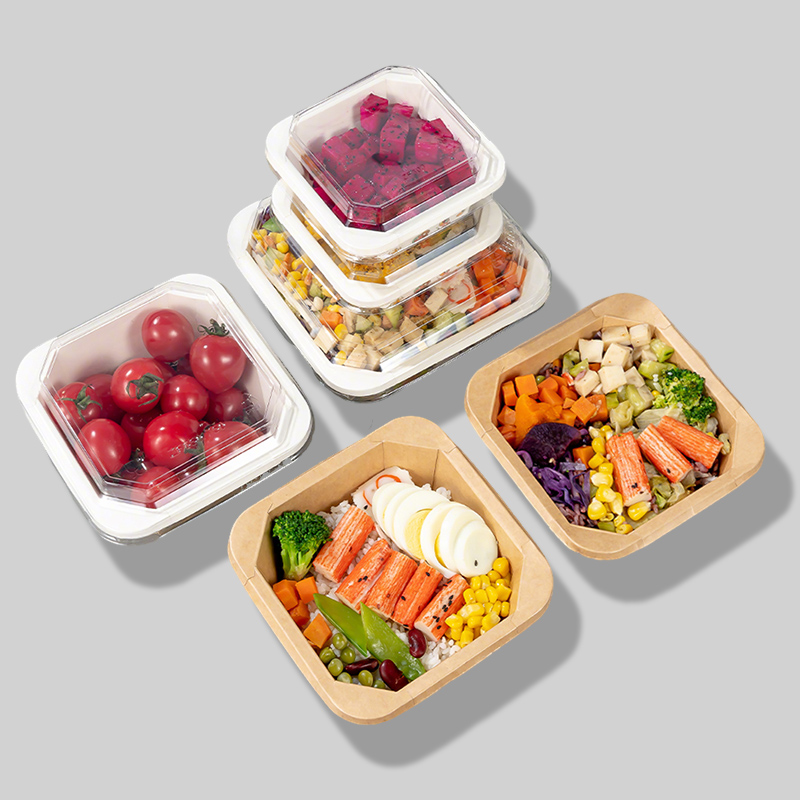
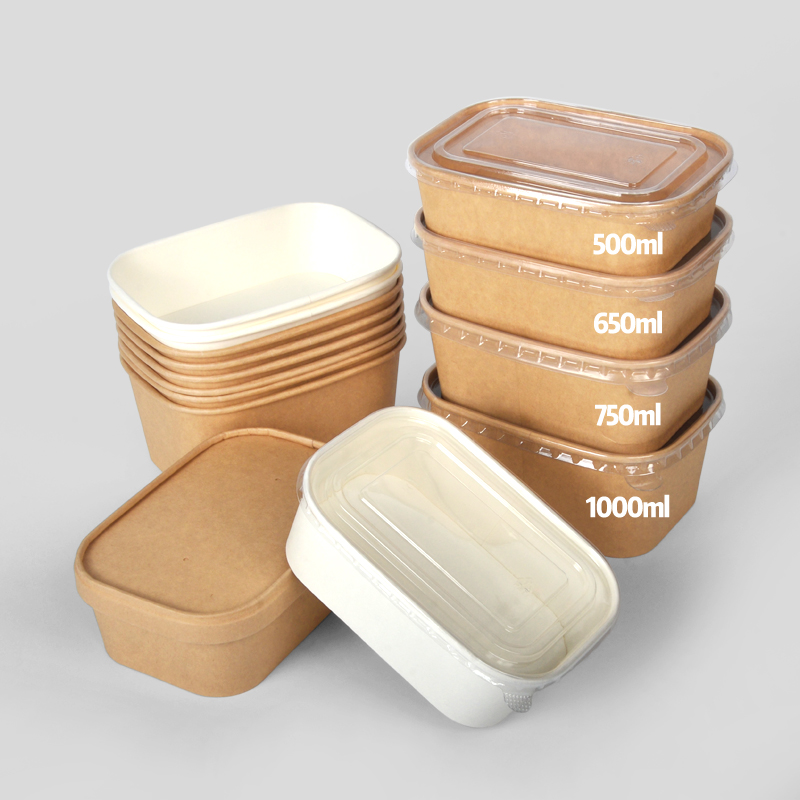
Kraft bowls accommodate an impressive range of food types, from liquid-based dishes to dry snacks and everything in between. Their neutral appearance complements virtually any cuisine style, making them ideal for diverse restaurant concepts and catering operations. The standardized sizing options available for kraft bowls enable efficient inventory management and consistent portion control across menu items. Restaurant kitchens benefit from the stackable design of kraft bowls, which optimizes storage space in often cramped prep areas.

The customization potential of kraft bowls allows restaurants to maintain brand consistency through printed logos, colors, and messaging. Many establishments use custom kraft bowls as marketing tools that reinforce their environmental commitment to customers. The printing process for kraft bowls uses eco-friendly inks that don't compromise the compostable nature of the packaging. Restaurant chains report improved brand recognition and customer loyalty when using distinctive kraft bowl designs.

Consumer Preference and Market Demand

Environmental Consciousness Among Diners

Contemporary consumers increasingly base dining decisions on restaurants' environmental practices, with sustainable packaging playing a crucial role in establishment selection. Market research indicates that 73% of diners prefer restaurants that use environmentally friendly packaging materials like kraft bowls over those using traditional plastic containers. Social media engagement around sustainable dining experiences has amplified the importance of eco-friendly packaging choices, with kraft bowls frequently featured in positive customer reviews and posts.

Millennial and Generation Z consumers, who represent significant purchasing power in the restaurant market, actively seek out establishments that align with their environmental values. These demographics often photograph their meals for social sharing, and kraft bowls contribute to the aesthetic appeal while reinforcing the sustainable message. Customer surveys consistently show higher satisfaction scores for restaurants using kraft bowls compared to those relying on conventional plastic packaging. The visual appeal of kraft bowls enhances the overall dining experience, contributing to positive customer perceptions.

Corporate Social Responsibility Alignment

Large restaurant chains and corporate dining programs increasingly adopt kraft bowls to demonstrate measurable progress toward sustainability goals. These containers provide tangible evidence of environmental commitment that can be quantified and reported in corporate sustainability reports. Kraft bowls help restaurants achieve certifications from environmental organizations, enhancing their reputation and potentially qualifying them for green business incentives. The adoption of kraft bowls often represents a visible first step in comprehensive sustainability initiatives that encompass multiple aspects of restaurant operations.

Institutional clients, including schools, hospitals, and corporate cafeterias, specifically request kraft bowls to meet their own environmental standards and policies. The ripple effect of these institutional requirements drives broader market adoption and helps establish kraft bowls as the new industry standard. Restaurant suppliers report increasing demand for kraft bowls from clients seeking to improve their environmental performance metrics. The measurable impact of switching to kraft bowls provides concrete data for sustainability reporting and stakeholder communication.

kraft paper bowl (1).jpg

Economic Considerations and Cost Analysis

Total Cost of Ownership Benefits

While kraft bowls may have slightly higher upfront costs compared to basic plastic alternatives, the total cost of ownership often favors the sustainable option when all factors are considered. Restaurants benefit from reduced waste disposal fees, potential tax incentives for sustainable business practices, and decreased risk of environmental compliance penalties. The durability of quality kraft bowls reduces replacement costs and customer complaints related to packaging failures. Many establishments find that the premium price of kraft bowls is offset by improved customer retention and positive word-of-mouth marketing.

Energy costs associated with kraft bowls are typically lower than plastic alternatives because they require less energy-intensive manufacturing processes. The local sourcing potential for kraft bowls can reduce transportation costs while supporting regional suppliers and reducing carbon footprints. Bulk purchasing agreements for kraft bowls often include volume discounts that make them competitive with conventional packaging options. Restaurant operators report that the perceived value increase from using kraft bowls allows for modest price adjustments that more than compensate for any additional packaging costs.

Market Positioning and Competitive Advantage

Restaurants using kraft bowls can differentiate themselves in crowded markets by appealing to the growing segment of environmentally conscious consumers. This positioning advantage is particularly valuable in urban areas where competition is intense and customer loyalty is challenging to maintain. The use of kraft bowls becomes a key selling point for catering services, delivery platforms, and takeout operations where packaging is highly visible to customers. Marketing materials highlighting kraft bowl usage resonate strongly with target demographics and help establish brand identity.

Corporate accounts and event planners increasingly specify sustainable packaging requirements, creating new business opportunities for restaurants using kraft bowls. The premium positioning enabled by kraft bowls often allows restaurants to command higher prices while maintaining strong value perception among customers. Restaurant locations in environmentally progressive communities find that kraft bowls are essential for market acceptance and regulatory compliance. The competitive advantage gained from early adoption of kraft bowls continues to strengthen as sustainability becomes increasingly important to consumers.

Implementation Strategies for Restaurants

Transition Planning and Staff Training

Successful implementation of kraft bowls requires comprehensive planning that addresses inventory management, storage requirements, and staff training protocols. Restaurant managers must evaluate current packaging workflows and identify necessary adjustments to accommodate kraft bowl specifications and handling requirements. Staff training programs should emphasize the proper handling, storage, and presentation techniques specific to kraft bowls to maintain quality standards. The transition period requires careful monitoring to ensure that kraft bowls meet operational needs without compromising service efficiency or food quality.

Inventory management systems may require updates to track kraft bowl usage patterns and optimize ordering schedules based on actual consumption data. Storage protocols must account for the moisture sensitivity of kraft bowls, ensuring they remain in optimal condition until use. Kitchen staff training should include proper filling techniques and portion control methods specific to kraft bowl configurations. Front-of-house staff benefit from education about the environmental benefits of kraft bowls to effectively communicate with customers who inquire about sustainable packaging choices.

Supplier Relationships and Quality Assurance

Establishing relationships with reliable kraft bowl suppliers requires evaluation of product quality, delivery consistency, and technical support capabilities. Restaurant operators should request samples and conduct thorough testing to ensure kraft bowls meet specific operational requirements and food safety standards. Quality assurance protocols must include regular inspections of kraft bowl shipments to maintain consistent standards and identify potential issues before they impact customer service. Supplier partnerships should include provisions for product customization, volume pricing, and technical support for any operational challenges.

Long-term supplier relationships for kraft bowls often include collaborative development opportunities for customized solutions and improved sustainability metrics. Regular communication with suppliers ensures access to innovations in kraft bowl technology and manufacturing processes that could benefit restaurant operations. Quality control procedures should include random testing of kraft bowl performance under typical service conditions to maintain confidence in product reliability. Backup supplier relationships help ensure continuity of kraft bowl availability during peak demand periods or supply chain disruptions.

FAQ

Are kraft bowls safe for hot foods and liquids

Yes, quality kraft bowls are specifically designed to handle hot foods and liquids safely. They feature food-grade coatings that provide heat resistance up to typical serving temperatures while maintaining structural integrity. The natural insulating properties of kraft paper help protect customers' hands from excessive heat while keeping foods at optimal serving temperatures. These bowls meet all relevant food safety standards and regulations for hot food service applications.

How long do kraft bowls take to decompose in composting facilities

Kraft bowls typically decompose within 30 to 90 days in commercial composting facilities under optimal conditions. The exact decomposition timeline depends on factors such as temperature, moisture levels, oxygen availability, and the specific composting process used. Home composting systems may require longer periods, typically 3 to 6 months, depending on maintenance and environmental conditions. The natural kraft paper material breaks down completely without leaving harmful residues or microplastics.

Can kraft bowls be customized with restaurant branding and logos

Absolutely, kraft bowls offer excellent customization opportunities for restaurant branding and marketing purposes. Printing techniques using eco-friendly, soy-based inks can apply logos, colors, and messaging without compromising the compostable nature of the packaging. Custom designs can include full-color graphics, text, and even QR codes for digital engagement while maintaining the sustainable characteristics that make kraft bowls attractive to eco-conscious consumers. Minimum order quantities for custom printing vary by supplier but are typically reasonable for most restaurant operations.

What is the cost difference between kraft bowls and plastic containers

Kraft bowls typically cost 10-30% more than basic plastic containers initially, but the total cost of ownership often favors kraft bowls when considering waste disposal savings, marketing benefits, and customer satisfaction improvements. The price differential continues to decrease as demand grows and manufacturing efficiency improves. Many restaurants find that the premium positioning enabled by kraft bowls allows for price adjustments that more than offset the additional packaging costs. Volume purchasing and long-term supplier relationships can significantly reduce the cost gap between kraft bowls and plastic alternatives.