 EN
EN


Selecting the appropriate paper bowl size is a critical decision that impacts both customer satisfaction and operational efficiency in takeaway and catering businesses. The right paper bowl size ensures optimal food presentation, prevents waste, maintains cost-effectiveness, and enhances the overall dining experience for customers. Understanding the various factors that influence this choice can significantly improve your service quality and bottom line.
Understanding Standard Paper Bowl Dimensions
Common Size Categories
Paper bowls typically fall into several standard categories that cater to different serving needs. Small bowls, ranging from 500~750ml , are perfect for appetizers, sauces, and side dishes. Medium bowls, typically 900~1100ml , serve well for soups, salads, and individual portions of rice or pasta. Large bowls, spanning 1300~1500ml , accommodate hearty meals, family-style servings, and substantial entrees that require generous portions.
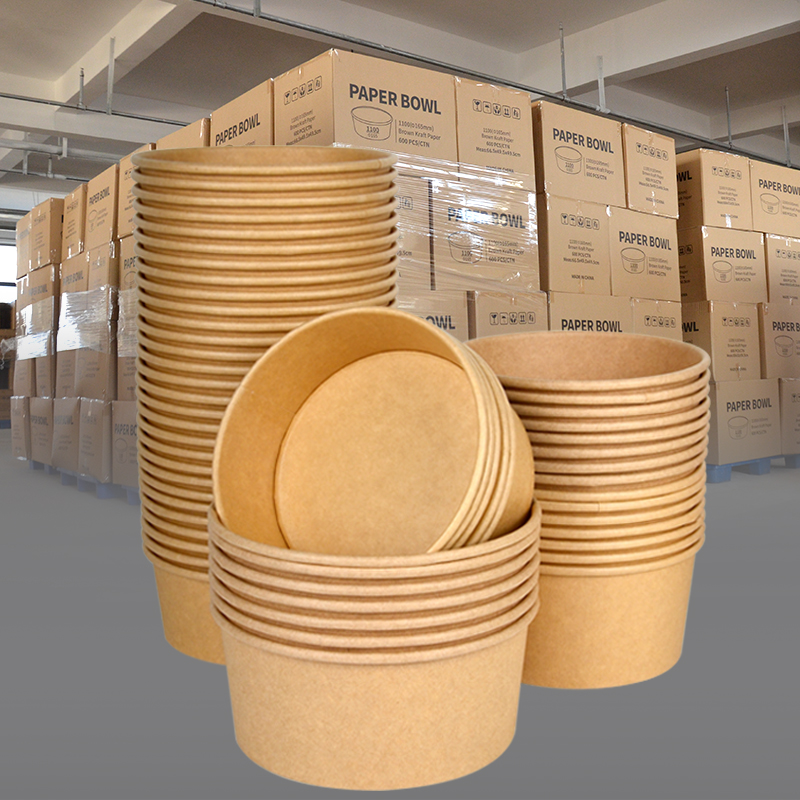
The paper bowl size you choose directly affects portion control and customer perception of value. Restaurants often use multiple sizes strategically to create menu tiers and maximize profitability. Understanding these categories helps establish consistency across your food service operation and ensures customers receive appropriate portions for their expectations.
Measurement Standards and Specifications
Accurate measurement is essential when determining the ideal paper bowl size for your specific needs. Bowl capacity is typically measured in fluid ounces or milliliters, but the actual usable space may differ from the stated capacity due to bowl shape and rim design. Consider both the diameter and depth when evaluating options, as these dimensions affect how food appears and how easily customers can consume their meals.
Professional food service operations benefit from understanding that paper bowl size specifications can vary between manufacturers. Always verify actual measurements and conduct testing with your specific food items before making large purchases. This ensures the chosen size accommodates your typical serving portions while maintaining an attractive presentation.
Menu Item Compatibility Analysis
Hot Food Considerations
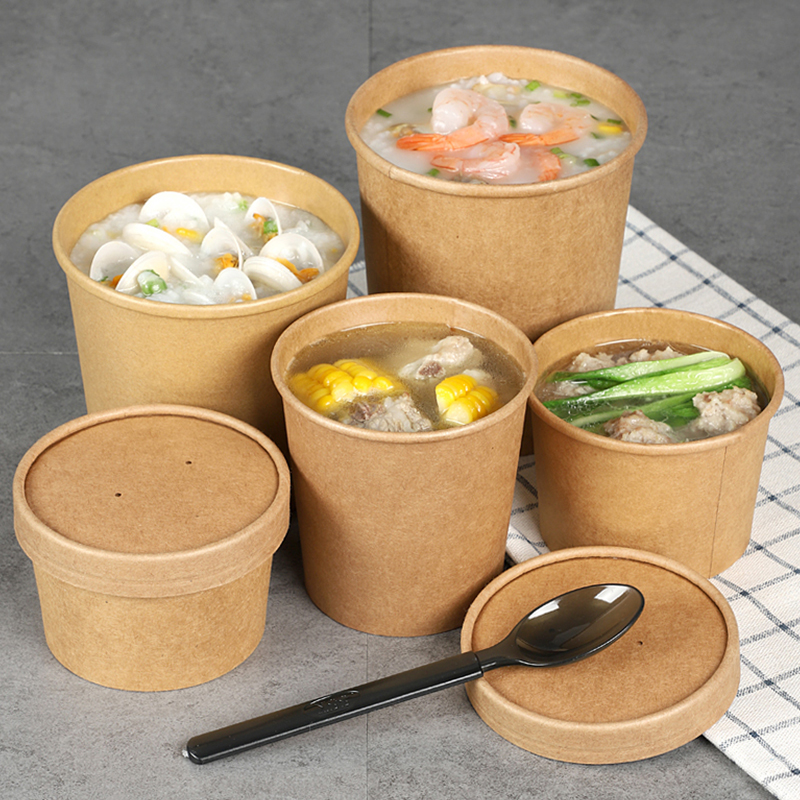
Hot food items require careful consideration when selecting paper bowl size, as thermal expansion and steam generation can affect both container performance and food quality. Soups, stews, and hot cereals need adequate space to prevent spillage while maintaining proper temperature. The paper bowl size should allow for appropriate headspace to accommodate steam without causing overflow during transport.
Additionally, consider how different hot foods settle in containers over time. Rice dishes may compact, while pasta with sauce might expand slightly. Choosing the right paper bowl size ensures your hot foods maintain their intended appearance and temperature throughout the delivery or service process.
Cold Food Applications
Cold food items present different challenges for paper bowl size selection. Salads require sufficient space for ingredients without appearing sparse, while desserts need appropriate proportions to create visual appeal. Ice cream and frozen yogurt have specific volume requirements that change as they soften, making proper sizing crucial for maintaining product integrity.
Fresh fruit bowls, grain salads, and cold appetizers each have unique space requirements that affect customer satisfaction. The correct paper bowl size enhances the visual presentation of colorful ingredients while providing practical benefits like easy mixing and consumption.
Cost-Effectiveness and Portion Control
Economic Impact of Size Selection
The relationship between paper bowl size and cost efficiency extends beyond the initial purchase price of containers. Larger bowls may seem more expensive per unit, but they can reduce overall costs when they eliminate the need for multiple smaller containers or prevent food waste from inadequate sizing. Conversely, oversized containers for small portions create unnecessary expense and environmental impact.
Calculate the total cost per serving, including food, container, and labor, to determine the most economical paper bowl size for each menu item. Consider factors like storage space, shipping costs, and inventory management when evaluating different size options. This comprehensive approach ensures optimal resource allocation across your operation.
Portion Control Strategies
Effective portion control through strategic paper bowl size selection helps maintain consistency and profitability. Standardized container sizes naturally regulate serving amounts, reducing variance between different staff members and service periods. This consistency builds customer trust and simplifies inventory management and cost calculations.
Train staff to understand how paper bowl size relates to proper portioning for each menu item. Visual guidelines and portion charts help maintain standards while reducing food costs and ensuring customer satisfaction. Regular monitoring of actual serving sizes versus intended portions helps identify areas for improvement.
Customer Experience and Satisfaction
Visual Presentation Impact
The chosen paper bowl size significantly influences how customers perceive food quality and value. Appropriately sized containers create attractive presentations that enhance appetite appeal and perceived freshness. Oversized bowls can make portions appear inadequate, while undersized containers may create messy, overfilled appearances that detract from the dining experience.
Consider how different paper bowl size options affect the visual hierarchy of your food presentation. The container should complement the food rather than overwhelm or diminish its impact. Professional food styling principles apply even to takeaway and catering services, making size selection a crucial element of brand presentation.
Practical Usability Factors
Customer convenience depends heavily on selecting the appropriate paper bowl size for practical consumption needs. Bowls that are too small create difficulty when mixing ingredients or using utensils, while excessively large containers become unwieldy and difficult to handle. Consider the typical eating environment and customer demographics when making size decisions.
Evaluate how the paper bowl size performs during transport, storage, and consumption. Factors like stackability, lid compatibility, and ease of handling all contribute to overall customer satisfaction. Conducting customer feedback surveys can provide valuable insights into optimal sizing preferences for your specific market.
Environmental and Storage Considerations
Sustainability and Waste Reduction
Environmental responsibility increasingly influences business decisions, making paper bowl size selection an important sustainability consideration. Right-sized containers minimize material waste while maintaining functionality, supporting eco-friendly business practices that appeal to environmentally conscious customers. Avoiding oversized packaging reduces the overall environmental footprint of your operation.
Consider the recyclability and compostability of different paper bowl size options when making purchasing decisions. Some eco-friendly materials perform better in specific size ranges, making environmental goals compatible with practical operational needs. Communicate your sustainable packaging choices to customers who value environmental responsibility.
Storage and Inventory Management
Efficient storage requires careful consideration of paper bowl size impact on warehouse and kitchen space utilization. Standardizing on fewer size options reduces inventory complexity while potentially increasing purchasing power through volume discounts. However, this must be balanced against the need for appropriate sizing across diverse menu items.
Evaluate how different paper bowl size configurations affect storage efficiency, considering both vertical stacking and horizontal space requirements. Efficient inventory management systems can accommodate multiple sizes while maintaining organization and accessibility. Regular inventory turnover analysis helps optimize size selection based on actual usage patterns.
Industry-Specific Requirements
Catering Service Considerations
Catering operations have unique paper bowl size requirements that differ from standard restaurant service. Large-scale events often require standardized sizing for efficient service and consistent presentation across hundreds or thousands of servings. The chosen size must accommodate portion requirements while enabling quick, uniform plating by catering staff.
Consider how paper bowl size affects catering setup and breakdown efficiency. Containers that stack well and store compactly simplify transportation and on-site logistics. The size should also accommodate various serving utensils and allow for easy access during buffet-style service situations.
Takeaway and Delivery Optimization
Takeaway and delivery services require paper bowl size selection that prioritizes transport stability and customer convenience. Containers must maintain food quality during extended transport periods while fitting efficiently in delivery bags and vehicle storage systems. The size should minimize movement and spillage while preserving food temperature and presentation.
Evaluate how different paper bowl size options perform with various lid systems and sealing mechanisms. Secure closure is essential for delivery success, and some sizes may offer better sealing performance than others. Consider customer feedback regarding spillage, temperature retention, and overall delivery experience when optimizing size selection.
FAQ
What is the most versatile paper bowl size for mixed menu items
The 12-ounce paper bowl size typically offers the best versatility for restaurants serving diverse menu items. This size accommodates most soup portions, salad servings, and side dishes while providing enough space for proper presentation without appearing oversized for smaller portions.
How do I determine the right paper bowl size for new menu items
Test potential paper bowl size options by preparing typical portions of new menu items and evaluating visual appeal, practical usability, and cost-effectiveness. Consider customer feedback and observe consumption patterns to optimize sizing decisions based on actual usage rather than theoretical requirements.
Can using multiple paper bowl size options increase operational complexity
While multiple paper bowl size options may increase initial inventory complexity, they often improve overall efficiency by optimizing portion control and customer satisfaction. Proper staff training and clear size guidelines minimize operational confusion while maximizing the benefits of appropriate sizing.
How does paper bowl size affect food photography for marketing purposes
The selected paper bowl size significantly impacts food photography by influencing portion perception and visual composition. Choose sizes that create attractive food-to-container ratios for marketing images, ensuring the container enhances rather than detracts from the food's visual appeal in promotional materials.