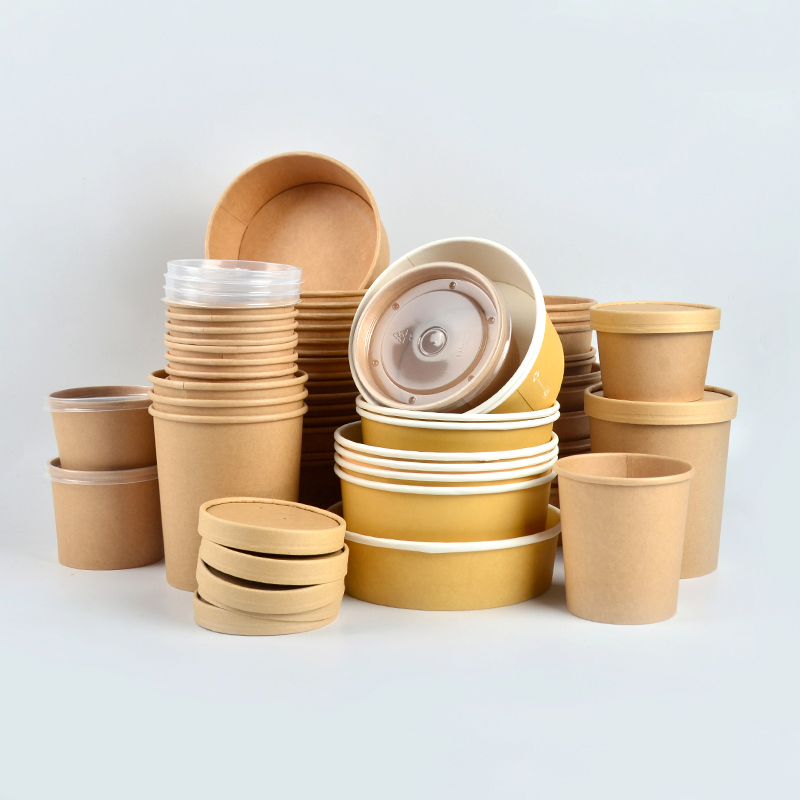
In today's environmentally conscious world, businesses and consumers are increasingly seeking sustainable alternatives to traditional packaging solutions. Paper food containers have emerged as a leading choice for restaurants, food service establishments, and eco-minded individuals looking to reduce their environmental footprint. These versatile packaging options offer numerous benefits that align with sustainable practices while maintaining functionality and food safety standards. As the demand for environmentally responsible packaging continues to grow, paper food containers represent a practical step toward a more sustainable future in the food service industry.
Environmental Benefits of Paper Food Containers
Biodegradability and Decomposition Rates
One of the most significant advantages of paper food containers lies in their natural biodegradability. Unlike plastic alternatives that can persist in the environment for hundreds of years, paper food containers typically decompose within weeks to months when exposed to proper environmental conditions. This rapid breakdown process significantly reduces the accumulation of waste in landfills and natural ecosystems. The decomposition timeline varies depending on factors such as moisture, temperature, and the presence of microorganisms, but even under less-than-ideal conditions, paper materials break down far more quickly than synthetic alternatives.

The biodegradation process of paper food containers follows natural cycles, returning organic matter to the soil and supporting ecosystem health. When these containers decompose, they release nutrients that can enrich the soil, unlike plastic containers that fragment into microplastics and persist as pollutants. This natural integration into environmental cycles makes paper food containers an environmentally responsible choice for businesses committed to reducing their ecological impact. The ability to return to natural elements without leaving harmful residues represents a fundamental advantage in sustainable packaging solutions.
Reduced Carbon Footprint in Production
The manufacturing process of paper food containers generally produces lower carbon emissions compared to plastic alternatives. Paper production utilizes renewable resources and established recycling systems that have been refined over decades. The energy requirements for producing paper food containers are typically lower than those needed for plastic manufacturing, particularly when considering the entire lifecycle from raw material extraction to final disposal. Modern paper mills increasingly utilize renewable energy sources and implement energy-efficient technologies that further reduce the carbon footprint of paper food containers.
Additionally, the transportation impact of paper food containers is often lower due to their lightweight nature and efficient packaging designs. The reduced weight translates to lower fuel consumption during shipping and distribution, contributing to overall carbon emission reductions. Many manufacturers of paper food containers are also implementing sustainable forestry practices and supporting reforestation efforts, creating a positive environmental cycle that goes beyond just the packaging itself. These comprehensive approaches to sustainability make paper food containers an attractive option for environmentally conscious businesses.
Renewable Resource Utilization
Sustainable Forestry and Material Sourcing
Modern paper food containers are increasingly manufactured using materials sourced from sustainably managed forests and recycled content. Responsible forestry practices ensure that tree harvesting is balanced with replanting efforts, maintaining forest ecosystems while providing renewable raw materials. Many manufacturers of paper food containers now hold certifications from organizations such as the Forest Stewardship Council (FSC) or the Programme for the Endorsement of Forest Certification (PEFC), guaranteeing that their products come from responsibly managed sources.
The use of recycled content in paper food containers further enhances their environmental credentials. Post-consumer recycled fibers can constitute a significant portion of the material composition, reducing the demand for virgin wood pulp and extending the lifecycle of existing paper materials. This circular approach to resource utilization maximizes the value extracted from each tree harvested and minimizes waste generation. The integration of recycled materials in paper food containers demonstrates how sustainable practices can be economically viable while supporting environmental goals.
Agricultural Waste and Alternative Fibers
Innovation in paper food containers has led to the incorporation of alternative fiber sources beyond traditional wood pulp. Agricultural residues such as wheat straw, sugarcane bagasse, and bamboo fibers are increasingly being used to create high-quality paper food containers. These alternative materials often represent waste products from agricultural processes, transforming what would otherwise be discarded into valuable packaging materials. The utilization of agricultural waste for paper food containers creates additional revenue streams for farmers while reducing the environmental impact of agricultural operations.
Bamboo-based paper food containers, in particular, offer exceptional sustainability advantages due to bamboo's rapid growth rate and minimal resource requirements. Bamboo can be harvested multiple times from the same plant without killing it, making it one of the most renewable materials available for paper food containers. The incorporation of these alternative fibers diversifies the raw material base for paper food containers while reducing pressure on traditional forest resources and supporting agricultural sustainability initiatives.

Waste Reduction and Circular Economy Integration
Compostability and Organic Waste Management
Many paper food containers are designed to be compostable, allowing them to be processed through organic waste management systems alongside food scraps. This compostability feature enables businesses and consumers to divert waste from traditional landfills and contribute to the creation of valuable compost materials. Commercial composting facilities can efficiently process paper food containers along with organic waste, creating nutrient-rich soil amendments that support agricultural and landscaping applications.
The integration of compostable paper food containers into organic waste streams represents a significant step toward circular economy principles. Rather than following a linear take-make-dispose model, these containers become part of a regenerative cycle that creates value from waste materials. Home composting is also possible with many paper food containers, empowering individual consumers to participate in sustainable waste management practices. The ability to transform used packaging into beneficial soil amendments demonstrates the potential for packaging to contribute positively to environmental systems.
Recycling Infrastructure and Material Recovery
The established recycling infrastructure for paper materials provides multiple end-of-life options for paper food containers. Most communities have well-developed paper recycling programs that can accommodate clean paper food containers, allowing the materials to be recovered and reprocessed into new products. The recycling process for paper food containers is well-understood and can be integrated into existing waste management systems without requiring significant infrastructure investments.
However, the recyclability of paper food containers depends on factors such as food contamination and coating materials. Manufacturers are developing innovative solutions to improve recyclability, including water-based barriers and easily separable coatings that don't interfere with the recycling process. The development of recycling-friendly paper food containers demonstrates the industry's commitment to supporting circular economy principles and maximizing material recovery rates. These advances ensure that paper food containers can participate effectively in established recycling systems while maintaining their functional properties.
Business and Consumer Adoption Benefits
Brand Image and Market Positioning
Businesses that adopt paper food containers often experience positive brand perception benefits as consumers increasingly value environmental responsibility. The visible use of sustainable packaging communicates a company's commitment to environmental stewardship and can differentiate brands in competitive markets. Consumer surveys consistently show growing preference for businesses that demonstrate environmental consciousness through their packaging choices, making paper food containers a strategic investment in brand reputation.
The marketing advantages of paper food containers extend beyond environmental messaging to include associations with natural, wholesome, and quality-focused brand positioning. The natural appearance and texture of paper food containers can enhance the perceived value of food products and create positive emotional connections with consumers. This alignment between packaging choice and brand values helps businesses build stronger relationships with environmentally conscious customers while attracting new market segments that prioritize sustainability.
Regulatory Compliance and Future-Proofing
As governments worldwide implement stricter regulations on single-use plastics and packaging waste, paper food containers provide businesses with compliance solutions that anticipate future regulatory requirements. Many jurisdictions are introducing bans or restrictions on certain plastic packaging types, making paper food containers a proactive choice for businesses seeking to avoid compliance issues. The regulatory trend toward sustainable packaging is expected to continue, making early adoption of paper food containers a strategic advantage.
Investment in paper food containers also positions businesses for potential incentives and benefits that governments may offer to encourage sustainable packaging adoption. Tax credits, grants, and other financial incentives for sustainable business practices are becoming more common, and businesses using paper food containers may be eligible for these programs. The long-term cost benefits of avoiding potential plastic packaging taxes or fees can make paper food containers economically advantageous beyond their immediate environmental benefits.
Innovation and Technology Advancement
Barrier Technology and Performance Enhancement
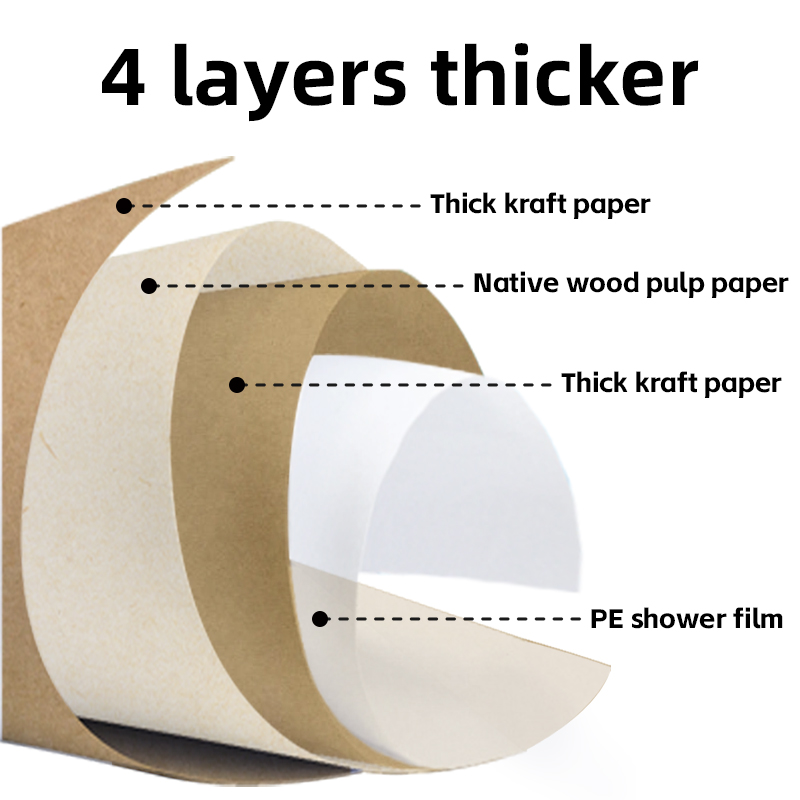
Recent technological advances have significantly improved the performance characteristics of paper food containers, addressing previous limitations in moisture resistance, grease barrier properties, and structural integrity. New coating technologies and manufacturing processes have enabled paper food containers to compete directly with plastic alternatives in terms of functionality while maintaining their environmental advantages. These innovations include plant-based barriers, nanotechnology applications, and advanced fiber treatments that enhance the protective properties of paper food containers.
The development of high-performance paper food containers has expanded their applications to include hot foods, liquid-containing items, and extended shelf-life products. These technological improvements have eliminated many of the traditional barriers to adoption, making paper food containers suitable for a wider range of food service applications. The continued investment in research and development ensures that paper food containers will continue to improve in performance while maintaining their environmental benefits.
Smart Packaging Integration
Emerging technologies are enabling the integration of smart features into paper food containers, including temperature indicators, freshness sensors, and interactive elements that enhance user experience. These innovations demonstrate that sustainable packaging doesn't require sacrificing technological advancement or consumer convenience. The development of smart paper food containers shows how environmental responsibility and technological innovation can complement each other to create superior packaging solutions.
The incorporation of digital technologies into paper food containers also opens new possibilities for supply chain tracking, consumer engagement, and waste management optimization. QR codes, NFC chips, and other digital elements can be integrated into paper food containers to provide information about sustainability credentials, disposal instructions, and brand messaging. These technological enhancements add value for both businesses and consumers while supporting the broader adoption of sustainable packaging solutions.
FAQ
Are paper food containers safe for all types of food
Paper food containers are safe for most food types when properly manufactured and used according to guidelines. Modern paper food containers undergo rigorous testing to ensure they meet food safety standards and don't transfer harmful substances to food. However, the suitability depends on factors such as food temperature, moisture content, and storage duration. Hot, greasy, or acidic foods may require specially treated paper food containers with appropriate barrier coatings to maintain food safety and container integrity.
How do paper food containers compare in cost to plastic alternatives
The cost comparison between paper food containers and plastic alternatives varies depending on volume, specifications, and market conditions. While paper food containers may have higher upfront costs in some cases, the total cost of ownership often favors paper when considering factors such as regulatory compliance, brand benefits, and waste management costs. Additionally, increasing economies of scale and technological improvements are making paper food containers more cost-competitive with traditional packaging options.
Can paper food containers be used for hot beverages and soups
Yes, specially designed paper food containers can safely hold hot beverages and soups. These containers feature heat-resistant coatings and structural designs that maintain integrity at high temperatures. The key is selecting paper food containers specifically rated for hot liquid applications and ensuring proper handling procedures are followed. Many paper food containers designed for hot foods can withstand temperatures up to 200°F while maintaining their structural properties and food safety characteristics.
What happens to paper food containers in home composting systems
Many paper food containers can be successfully composted in home systems, though the timeline and conditions may vary from commercial composting. Uncoated or naturally coated paper food containers typically break down within 3-6 months in active home compost systems with proper moisture, aeration, and temperature management. However, paper food containers with certain coatings may require commercial composting facilities with higher temperatures and controlled conditions for optimal decomposition.