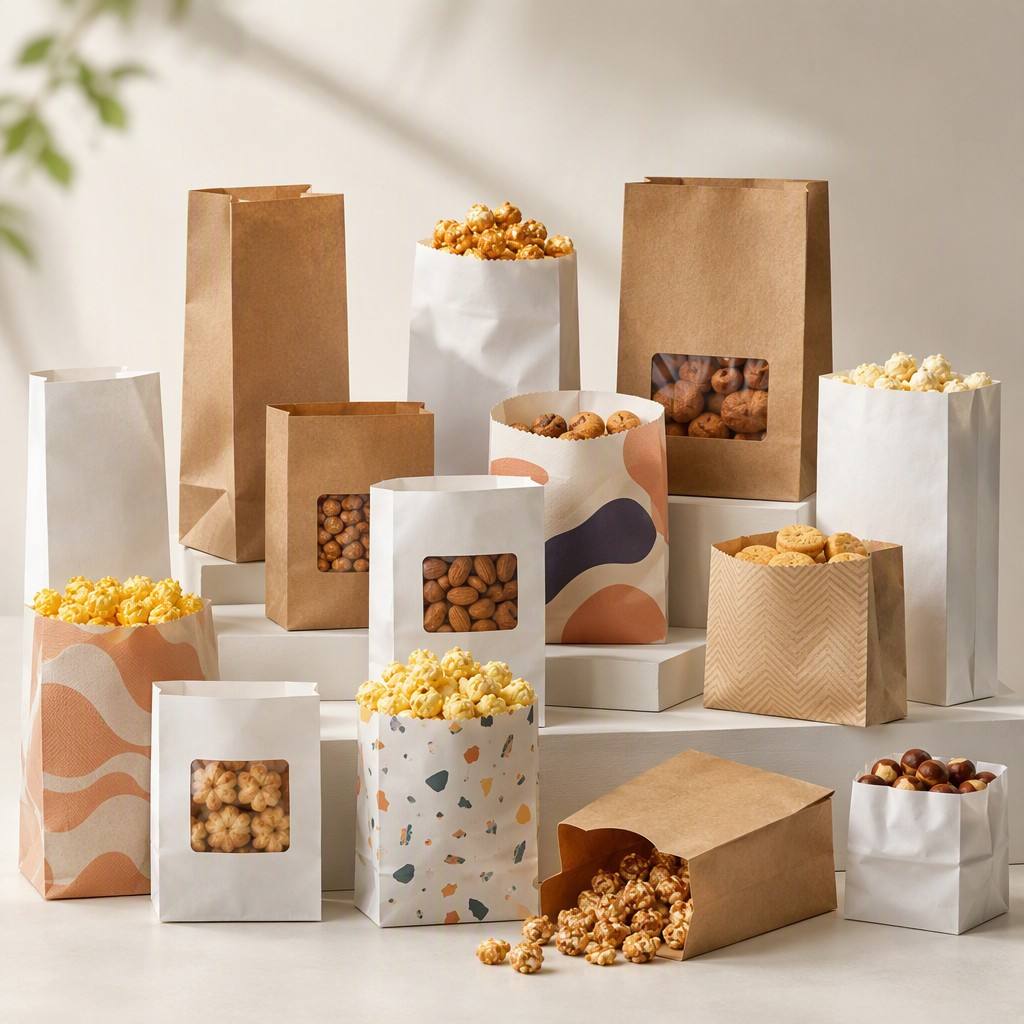
The food packaging industry is experiencing a significant shift toward sustainable solutions, with paper snack bags emerging as a compelling alternative to traditional plastic packaging. This transformation is driven by growing consumer awareness of environmental issues and regulatory pressures that favor eco-friendly packaging materials. Paper snack bags offer a unique combination of functionality, sustainability, and cost-effectiveness that makes them increasingly attractive to food businesses seeking to align with modern packaging trends.
The decision to adopt paper snack bags involves multiple considerations that extend beyond simple environmental benefits. Food service providers, retail outlets, and manufacturing companies must evaluate factors including product protection capabilities, brand presentation opportunities, regulatory compliance, and long-term cost implications. Understanding these multifaceted advantages helps businesses make informed decisions about integrating paper snack bags into their packaging strategies while maintaining product quality and customer satisfaction.
Environmental Sustainability and Ecological Impact
Biodegradability and Waste Reduction
Paper snack bags demonstrate superior environmental performance through their natural biodegradability and minimal ecological footprint. Unlike plastic alternatives that persist in landfills for hundreds of years, paper snack bags decompose naturally within months under appropriate conditions. This characteristic significantly reduces long-term waste accumulation and supports circular economy principles that many businesses are adopting to meet sustainability goals.
The manufacturing process of paper snack bags typically involves renewable wood fiber sources that can be responsibly harvested and replanted. Many paper manufacturers now utilize certified sustainable forestry practices, ensuring that raw material procurement does not contribute to deforestation or habitat destruction. This renewable resource foundation contrasts sharply with petroleum-based plastic packaging that depletes finite fossil fuel reserves.
Furthermore, paper snack bags can be effectively composted in both industrial and home composting systems, transforming from packaging waste into valuable organic matter. This end-of-life advantage creates positive environmental outcomes while reducing disposal costs for businesses and consumers who prioritize sustainable waste management practices.
Carbon Footprint and Energy Efficiency
The production of paper snack bags generally requires less energy than comparable plastic packaging manufacturing processes. Paper mills have increasingly adopted energy-efficient technologies and renewable energy sources, further reducing the carbon intensity of paper production. Many facilities now use biomass energy generated from wood processing byproducts, creating closed-loop energy systems that minimize external energy dependencies.
Transportation efficiency also favors paper snack bags due to their lightweight properties and ability to be shipped in compressed bundles. This packaging density advantage reduces shipping volumes, fuel consumption, and associated greenhouse gas emissions throughout the supply chain. The cumulative effect of these transportation efficiencies becomes particularly significant for businesses with high-volume packaging requirements.
Additionally, paper snack bags support recycling infrastructure that is already well-established in most markets. The existing paper recycling systems can effectively process used paper snack bags, converting them into new paper products and extending their useful lifecycle. This recycling compatibility provides businesses with clear waste management pathways that align with corporate sustainability commitments.
Functional Performance and Product Protection
Moisture and Grease Resistance
Modern paper snack bags incorporate advanced barrier technologies that provide excellent protection against moisture and grease penetration. Food-grade barrier coatings and specialized paper treatments enable these bags to maintain structural integrity even when containing oily or moist snack products. This performance capability ensures that paper snack bags can effectively replace plastic alternatives without compromising product quality or consumer experience.
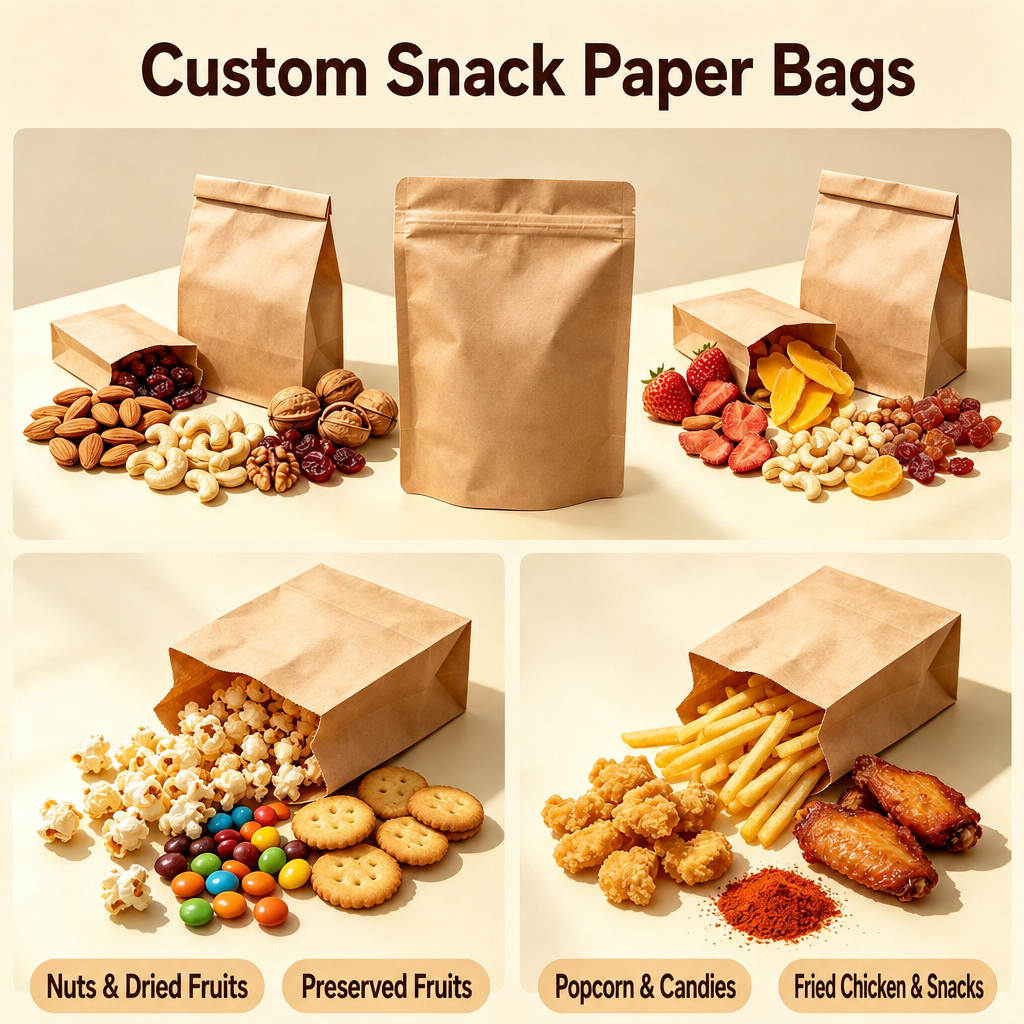
The grease resistance properties of quality paper snack bags prevent oil seepage that could create messy handling situations or damage secondary packaging. This characteristic is particularly important for products like nuts, chips, pastries, and fried snacks that contain significant oil content. Proper barrier performance maintains the bag's structural strength and appearance throughout the product's shelf life and consumption period.
Moisture control capabilities of paper snack bags help preserve product freshness and prevent spoilage that could result from humidity exposure. The breathable nature of paper allows controlled moisture exchange while preventing excessive moisture accumulation that might compromise product texture or taste. This balance between protection and breathability optimizes product preservation for many snack categories.
Strength and Durability Characteristics
Contemporary paper snack bags utilize high-strength paper grades and reinforcement techniques that provide reliable structural performance under normal handling conditions. Multi-layer construction and strategic fiber orientation enhance tear resistance and load-bearing capacity, enabling these bags to safely contain various snack products without failure during transportation or consumer use.
The puncture resistance of quality paper snack bags has improved significantly through advances in paper manufacturing technology. Specialized fiber treatments and controlled paper density create bags that can withstand sharp or angular food items without tearing or compromising package integrity. This durability ensures consistent product protection and maintains professional appearance standards.
Heat resistance properties of paper snack bags make them suitable for products that require warm serving temperatures or brief heating applications. Unlike some plastic alternatives that may deform or release harmful compounds when heated, paper snack bags maintain their structural properties and safety characteristics across typical food service temperature ranges.
Brand Presentation and Marketing Advantages
Customization and Visual Appeal
Paper snack bags offer exceptional customization opportunities that enable businesses to create distinctive brand presentations and memorable customer experiences. The printable surface of paper accommodates high-quality graphics, logos, and messaging that can effectively communicate brand identity and product information. This customization capability transforms basic packaging into powerful marketing tools that enhance brand recognition and customer engagement.
The natural texture and appearance of paper snack bags convey quality and authenticity that resonates with consumers who value artisanal or premium food products. This aesthetic advantage helps differentiate products in competitive markets while supporting premium positioning strategies. The tactile experience of paper packaging also creates positive sensory associations that can influence purchasing decisions and brand loyalty.
Color printing capabilities on paper snack bags enable vibrant and accurate reproduction of brand colors and complex graphics. Advanced printing techniques can achieve photographic quality images and intricate design details that maintain consistency across large production runs. This visual fidelity ensures that brand presentation standards are maintained regardless of packaging volume requirements.
Consumer Perception and Market Positioning
Consumer research consistently demonstrates positive associations between paper packaging and product quality, freshness, and environmental responsibility. Paper snack bags leverage these perceptions to enhance overall brand image and align with consumer values that increasingly prioritize sustainability. This alignment can translate into competitive advantages in markets where environmental considerations influence purchasing decisions.
The premium perception of paper snack bags supports value-oriented positioning strategies that can justify higher product pricing and improve profit margins. Consumers often associate paper packaging with artisanal quality, natural ingredients, and careful production methods. This perception creates opportunities for brands to communicate quality messages and differentiate their products from mass-market alternatives.
Market research indicates that paper snack bags appeal particularly strongly to demographic segments with higher disposable income and education levels. These consumer groups typically demonstrate greater willingness to pay premium prices for products that align with their environmental and quality values. Targeting these segments with paper packaging can optimize marketing efficiency and customer acquisition costs.
Economic Benefits and Cost Considerations
Production and Sourcing Economics
The economics of paper snack bags have become increasingly favorable as production volumes have scaled and manufacturing efficiencies have improved. Large-scale paper production benefits from established supply chains, mature manufacturing technologies, and competitive raw material markets that help control production costs. These economic advantages make paper snack bags cost-competitive with plastic alternatives across many application scenarios.
Raw material costs for paper snack bags remain relatively stable due to the renewable nature of wood fiber resources and well-developed forestry management practices. This stability contrasts with petroleum-based packaging materials that experience price volatility linked to oil market fluctuations. Predictable raw material costs enable more accurate long-term budgeting and pricing strategies for businesses adopting paper packaging.
Manufacturing flexibility in paper production allows for efficient customization and smaller minimum order quantities compared to many plastic packaging alternatives. This flexibility reduces inventory requirements and enables businesses to respond quickly to market changes or seasonal demand variations. The ability to produce customized paper snack bags economically supports agile business strategies and market responsiveness.
Total Cost of Ownership Analysis
A comprehensive total cost analysis of paper snack bags must consider factors beyond initial purchase price, including storage efficiency, handling requirements, disposal costs, and potential brand value benefits. Paper snack bags often demonstrate favorable total cost profiles when these broader factors are evaluated systematically. Storage efficiency improvements and reduced disposal costs can offset higher initial material costs in many applications.
The lightweight nature of paper snack bags reduces shipping costs and storage space requirements compared to heavier packaging alternatives. These logistical advantages become particularly significant for businesses with high packaging volumes or extensive distribution networks. Reduced transportation costs and warehouse space requirements contribute to improved overall supply chain economics.
Potential cost savings from improved brand positioning and premium pricing capabilities should be factored into economic evaluations of paper snack bags. The ability to command higher product prices due to enhanced brand perception can generate revenue increases that exceed any additional packaging costs. This value creation potential makes paper snack bags attractive investments for brands seeking to optimize profitability while meeting sustainability goals.
Regulatory Compliance and Food Safety
Food Contact Safety Standards
Paper snack bags manufactured for food contact applications must comply with stringent safety regulations that govern materials, additives, and migration limits. Reputable manufacturers ensure their paper snack bags meet or exceed FDA requirements for food contact surfaces, including limits on chemical migration and heavy metal content. This regulatory compliance provides businesses with confidence that their packaging choices support food safety objectives.
The use of food-grade inks, adhesives, and barrier coatings in paper snack bags ensures that all packaging components are safe for direct food contact. Manufacturers typically provide documentation and certificates confirming compliance with relevant food safety standards. This documentation supports regulatory audits and helps businesses maintain compliance with food safety management systems.
Traceability requirements for food packaging are generally well-supported by paper snack bag supply chains that maintain detailed records of raw material sources and manufacturing processes. This traceability capability helps businesses respond effectively to regulatory inquiries and supports rapid response in the unlikely event of safety concerns. Clear supply chain documentation also facilitates compliance with organic certification requirements where applicable.
Environmental Regulations and Compliance
Increasing environmental regulations targeting single-use plastics create compliance advantages for businesses using paper snack bags. Many jurisdictions have implemented or are considering restrictions on plastic packaging that specifically exempt paper-based alternatives. Early adoption of paper snack bags positions businesses ahead of regulatory changes while avoiding potential compliance costs and transition disruptions.
Extended producer responsibility regulations that require manufacturers to manage packaging waste throughout its lifecycle generally favor paper snack bags due to their recyclability and biodegradability. These regulatory frameworks often impose lower fees or compliance costs for paper packaging compared to plastic alternatives. Understanding these regulatory trends helps businesses make informed long-term packaging decisions.
International trade considerations also favor paper snack bags as environmental regulations become more harmonized across global markets. Products packaged in paper materials typically face fewer import restrictions and regulatory barriers compared to plastic packaging. This regulatory advantage can be particularly important for businesses with international distribution strategies or export ambitions.
FAQ
How do paper snack bags compare to plastic bags in terms of cost?
Paper snack bags typically have higher initial material costs compared to basic plastic bags, but the total cost difference is often minimal when considering storage efficiency, disposal costs, and potential brand value benefits. Many businesses find that the premium positioning enabled by paper packaging can justify any additional costs through higher product pricing and improved customer perception.
Can paper snack bags effectively protect greasy or oily food products?
Yes, modern paper snack bags incorporate advanced barrier technologies including food-grade coatings and treatments that provide excellent grease resistance. These barriers prevent oil penetration while maintaining the bag's structural integrity and appearance. Quality paper snack bags can effectively contain nuts, chips, pastries, and other oily snacks without seepage or structural failure.
Are paper snack bags suitable for automated packaging equipment?
Paper snack bags are designed to be compatible with most standard automated packaging equipment. Their consistent dimensions, proper stiffness characteristics, and reliable opening behavior enable smooth operation on filling and sealing machines. Manufacturers can provide technical specifications and compatibility guidance to ensure optimal performance with specific packaging equipment models.
What shelf life considerations apply to products packaged in paper snack bags?
Paper snack bags with appropriate barrier properties can maintain product freshness for timeframes comparable to other packaging materials for most snack applications. The breathable nature of paper can actually benefit certain products by preventing moisture buildup while maintaining optimal texture. Proper storage conditions and package design optimization help maximize shelf life performance for specific product requirements.