 EN
EN

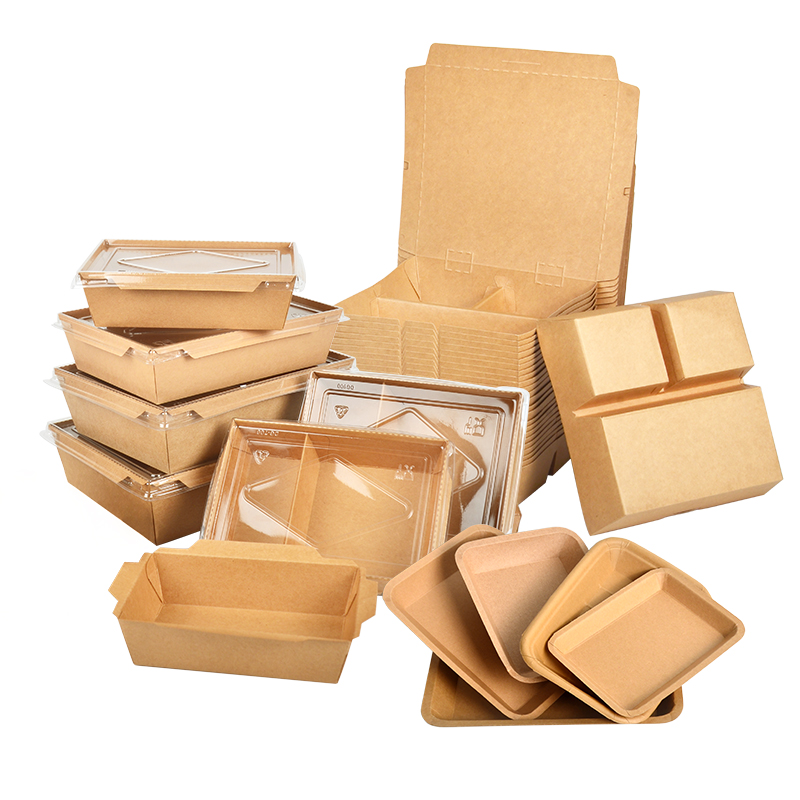
Paper food containers have become a core sustainable option for foodservice businesses, offering a practical replacement for single-use plastic packaging. They help brands cut waste, lower carbon output and build circular workflows across restaurants, catering and food delivery. At SenangPak, we have manufactured eco-friendly paper packaging since 2009, using water-based, PLA and PHA coatings for customers in more than 40 countries. This guide explains how paper food containers support eco-friendly practices, from material sourcing and end-of-life disposal to brand value and regulatory compliance, so buyers can make confident packaging decisions.
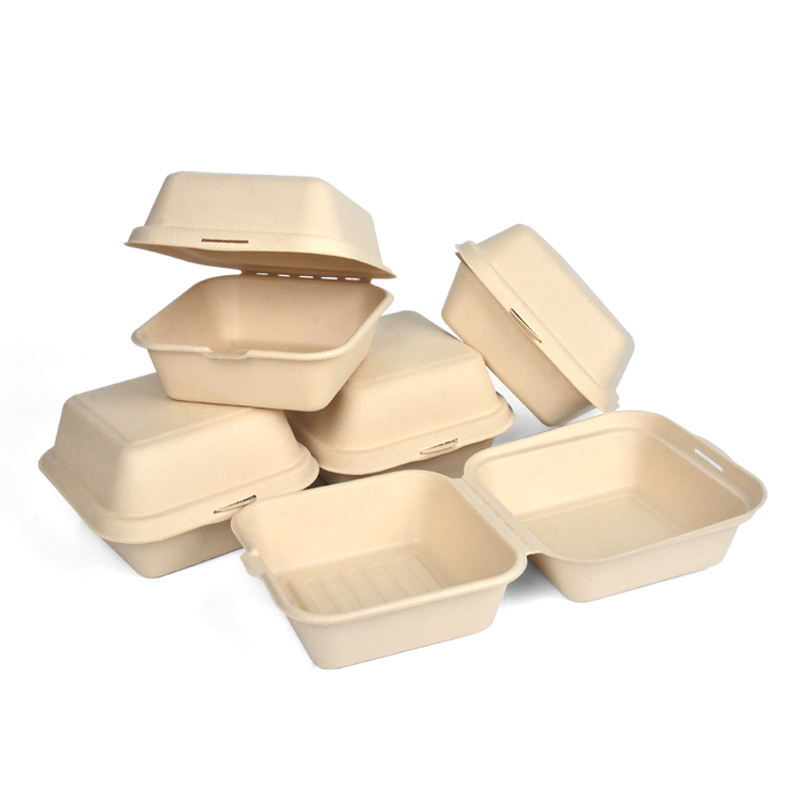
Biodegradability and Waste Reduction
Natural Decomposition Process
Unlike plastic packaging that lingers in nature for centuries, properly certified compostable paper food containers can break down in roughly 30 to 90 days under industrial composting conditions. Cellulose fibers in the paper feed microbes, turning the packaging into nutrient-rich compost instead of persistent litter. This cycle reduces plastic buildup in landfills, oceans and natural habitats, tackling one of the biggest environmental pain points for takeaway businesses. Actual decomposition time depends on temperature, moisture and the coating used, which is why material choice matters.
Landfill Diversion Impact
Paper packaging fits well into organic waste streams, making it easier for cities and restaurants to divert waste away from landfills. Mixed food scraps and certified compostable packaging can go straight to compost facilities, rather than sitting in landfill where organic matter releases methane. Swapping plastic for paper foodservice packaging can noticeably shrink non-recyclable waste volume and reduce long-term pollution risks for operators. For high-volume kitchens, even a small shift in packaging material adds up to a meaningful drop in monthly waste.
Renewable Resources and Lower Carbon Footprint
Sustainable Fiber Sourcing
Paper containers rely on renewable plant fibers, including sugarcane bagasse, wheat straw and responsibly sourced pulp, instead of the finite fossil fuels used for plastic. Many of our bagasse products use agricultural byproducts that would otherwise be discarded, easing pressure on virgin timber. For buyers who want to go further, our biobased materials range explores plant-derived options beyond conventional paperboard. This kind of sourcing supports regenerative cycles and aligns with the standards of eco-friendly brands.
Carbon Footprint Reduction
Paper packaging generally produces lower greenhouse emissions over its life cycle than comparable petroleum-based plastic containers. The raw plant materials absorb carbon as they grow, creating a carbon advantage that fossil-based alternatives cannot match. Lightweight paper food containers also reduce shipping weight, lowering fuel consumption and emissions during transit across a global supply chain. Combined with efficient production lines, these gains help brands report real progress against their carbon goals.
Circular Economy Integration
Composting Infrastructure Support
Certified compostable containers work alongside food waste in commercial compost systems. Together they transform into a soil amendment that cuts reliance on synthetic fertilizer. This closed-loop model turns used packaging into a resource instead of trash, helping local compost programs expand and become more cost-effective. Restaurants that collect food scraps and packaging in one bin also simplify staff training and reduce sorting errors.
Alternative Waste Processing Routes
When composting is unavailable, clean paper containers can go into recycling or anaerobic digestion systems that generate biogas for energy. This flexibility means the packaging still delivers environmental benefits even where compost collection is limited, a key advantage for brands selling into multiple international regions. Because infrastructure differs from country to country, paper offers a more adaptable end-of-life path than many plastic formats.
Safe and Functional Materials for Real Foodservice Use
Water-Based, PLA and PHA Barrier Coatings
Eco-friendly packaging only works if it performs in a busy kitchen. Plain paper cannot hold soup, sauce or fried food, so a barrier is essential. SenangPak develops water-based coatings, PLA and PHA layers that resist grease and moisture while keeping the container compatible with composting systems. These coatings replace the traditional polyethylene lining that blocks recycling and composting, letting operators serve hot and oily dishes without compromising sustainability goals.
Certifications That Build Buyer Confidence
Importers and chain restaurants need proof, not promises. Our factory works under a full-process quality system, and our certifications include BRC, BRCGS, FDA, COMPOST TÜV and ISO 9001. We also hold patents covering paper boxes and waterproof tableware. These credentials help buyers clear customs checks, satisfy retailer audits and answer customer questions about food safety and environmental claims.
Choosing the Right Paper Packaging for Every Menu
Sustainable packaging should match the food it carries. Paper take out boxes suit rice dishes, noodles and mixed meals, while fast food boxes keep burgers, fries and fried chicken crisp and easy to carry. For soups, salads and desserts, paper bowls and plates offer sturdy walls and secure lids. Coffee shops and tea bars can pair paper cups and accessories with matching sleeves and lids for a consistent green look. Choosing the right format reduces food spoilage, prevents leaks and improves the customer experience.
Consumer Demand and Brand Sustainability
Today’s diners actively favor restaurants and retailers that use eco-friendly packaging. Paper food containers act as a visible signal of a brand’s green commitments, helping attract eco-conscious buyers and build loyalty. For foodservice operators, sustainable packaging also simplifies compliance with plastic bans and green labeling rules in Europe, North America and other key export markets. Acting early on these rules protects margins, because last-minute switches are usually more expensive and disruptive.
Custom Branding That Reinforces Sustainability
Eco-friendly packaging can also be a branding tool. Through our customization service, we support both OEM production from your own designs and ODM development from concept to mass production. Printing options include flexo and high-speed four-color printing, with finishes such as UV, hot stamping, embossing and laminating. Spot products can be delivered within 24 hours, and customized orders can ship in as fast as three days, helping importers and restaurant groups keep launches on schedule.
Conclusion
Paper food containers support eco-friendly practices at every stage, from renewable fiber sourcing and lower transport emissions to compostable end-of-life options and stronger brand trust. By choosing certified materials and coatings, foodservice businesses can reduce plastic dependence without sacrificing performance. If you are planning a packaging upgrade, our team can recommend suitable materials, sizes and printing options for your market. Contact SenangPak to request a quote or discuss a custom project.
FAQ
How quickly do paper food containers decompose compared to plastic alternatives?
Compostable paper food containers can break down in 30 to 90 days at industrial compost facilities, while common plastic food packaging can persist for hundreds of years in the environment.
Can paper food containers hold hot, oily food without losing compostability?
Yes. SenangPak uses plant-derived water-based, PLA or PHA barrier coatings. These resist grease and moisture for hot food while remaining compostable, unlike traditional plastic liners.
Are all paper food containers compostable?
Not all. Products with non-compostable plastic lining cannot go into compost. Always check relevant compost certifications before purchase, especially for export markets.
Can I print my own logo on eco-friendly paper food containers?
Yes. We offer OEM and ODM services with flexo and four-color printing, plus UV, hot stamping, embossing and laminating finishes, so your logo and brand colors can appear on boxes, bowls, cups and bags.
Which markets do SenangPak paper food containers serve?
We export to more than 40 countries across North America, Europe, Australia, South America, Southeast Asia, the Middle East and Africa, with sea, air, overland and multimodal shipping options.
Table of Contents
- Biodegradability and Waste Reduction
- Renewable Resources and Lower Carbon Footprint
- Circular Economy Integration
- Safe and Functional Materials for Real Foodservice Use
- Choosing the Right Paper Packaging for Every Menu
- Consumer Demand and Brand Sustainability
- Custom Branding That Reinforces Sustainability
- Conclusion
-
FAQ
- How quickly do paper food containers decompose compared to plastic alternatives?
- Can paper food containers hold hot, oily food without losing compostability?
- Are all paper food containers compostable?
- Can I print my own logo on eco-friendly paper food containers?
- Which markets do SenangPak paper food containers serve?