 EN
EN

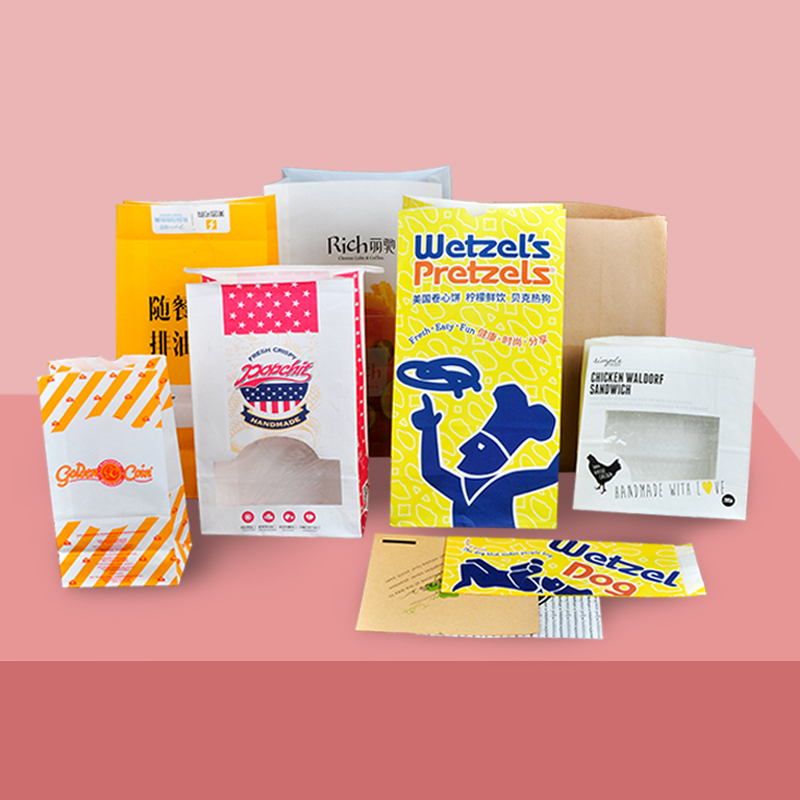
The shift from plastic to paper packaging has become more than just an environmental trend — it represents a fundamental change in how businesses approach sustainable operations and consumer expectations. As companies across industries face mounting pressure to reduce their plastic footprint, adopting paper snack bags has become a strategic decision that balances environmental responsibility with practical business needs.
The reasons to switch to paper snack bags are closely connected. They affect regulatory compliance, brand perception, operating costs and market positioning. Modern consumers scrutinize packaging, so paper snack bags are no longer just environmentally beneficial but commercially important. Understanding these driving forces helps businesses make informed, long-term packaging decisions.
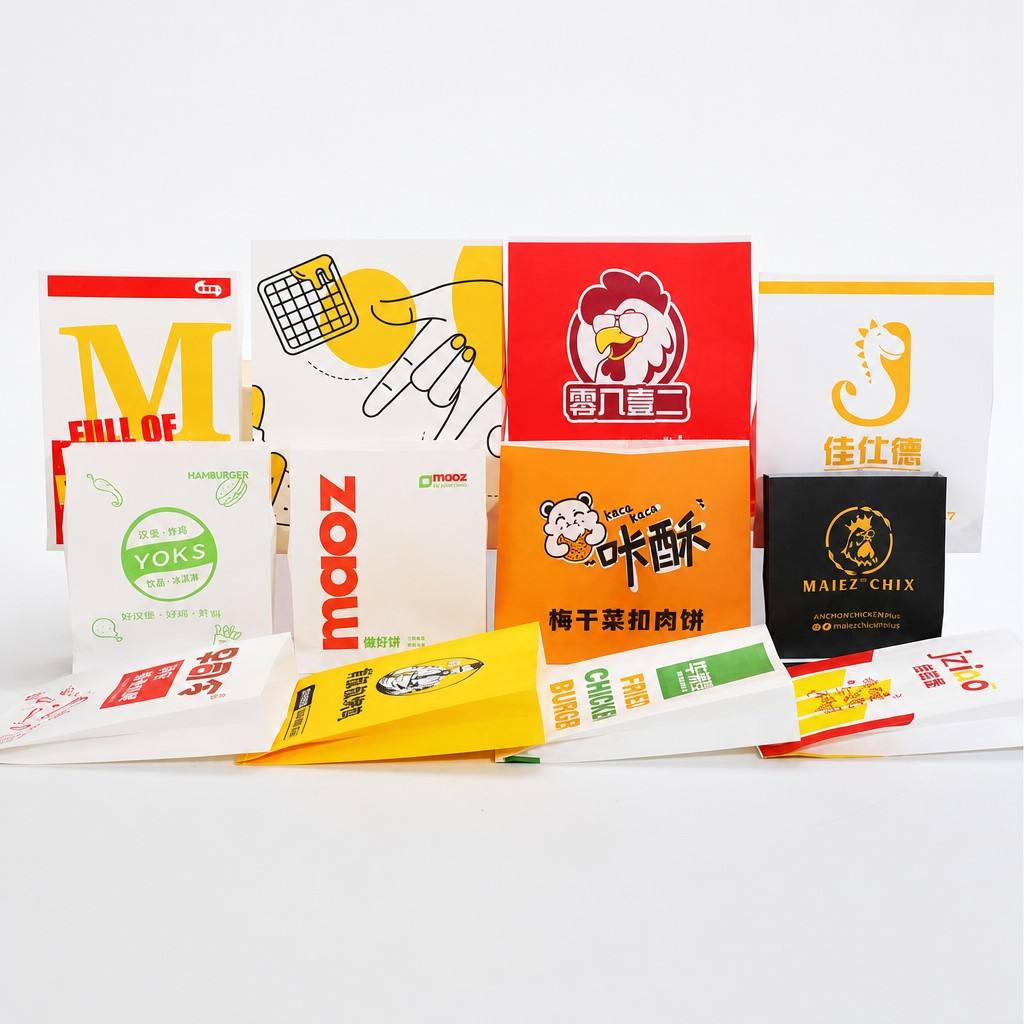
Environmental Imperatives Driving the Switch to Paper Snack Bags
Plastic Pollution Crisis and Business Responsibility
Single-use plastic packaging contributes significantly to global pollution, and businesses that rely on it face growing scrutiny from environmental groups, regulators and conscious consumers. This pressure creates real risks, including negative publicity, lost customers and regulatory penalties. Paper snack bags offer a direct way to cut plastic waste while showing genuine commitment to environmental stewardship.
Corporate responsibility has moved from optional initiative to business imperative, especially in the snack industry. Paper snack bags also support circular economy principles, because they can be recycled, composted or broken down naturally, a closed-loop approach that resonates with eco-minded buyers.
Regulatory Compliance and Future-Proofing
Governments worldwide are tightening rules on single-use plastics. Many regions now impose taxes, restrictions or outright bans on certain plastic packaging, which makes paper snack bags not only preferable but, in some markets, necessary. Early adoption of paper snack bags helps businesses stay ahead of new laws and avoid the cost of emergency packaging changes.
Compliance can also open doors. Many organizations favor suppliers that show environmental responsibility, so paper snack bags can become an advantage in competitive bidding.
Consumer Demand and Market Positioning Benefits
Growing Consumer Environmental Awareness
Today's shoppers actively look for brands that match their sustainability values. Surveys regularly show that younger consumers in particular prefer environmentally friendly packaging, and many are willing to pay more for it. Paper snack bags let a snack brand reach this growing segment directly. Shoppers also share their support for responsible brands on social media, so paper snack bags can generate word-of-mouth exposure that would be costly to buy through traditional advertising.
Premium Brand Positioning and Differentiation
Paper snack bags help position snacks as premium, artisanal or craft products rather than mass-market items. This supports higher price points while appealing to buyers who link sustainable packaging with quality.
The look and feel of paper also create a more memorable experience. Unlike plastic, paper snack bags can be printed, embossed and finished in many ways, which strengthens brand identity and builds emotional connections. In a crowded market, paper snack bags become part of the brand story and of customer loyalty strategy.
Operational and Economic Advantages of Paper Snack Bags
Cost-Effectiveness and Supply Chain Benefits
Paper is often assumed to cost more than plastic, but a full analysis shows offsetting advantages. Avoiding plastic taxes and fines, lowering waste management costs and gaining access to recycling programs can balance higher material prices. Growing demand has created economies of scale that narrow the price gap for paper snack bags, especially for buyers who commit to larger orders or longer contracts.
Supply chain resilience improves as well. Plastic prices follow oil market swings, while paper snack bags offer more stable pricing and less dependence on fossil fuels, which makes packaging budgets easier to predict.
Logistics and Storage Efficiency
Paper snack bags can be flat-packed, stacked neatly and stored efficiently in warehouses, which helps reduce handling costs. Their light weight keeps shipping charges under control, a real advantage for e-commerce brands. They also avoid concerns about plastic restrictions on certain shipping routes and international markets.
Brand Image and Marketing Opportunities
Sustainability Storytelling and Brand Narrative
Switching to paper snack bags gives a business an authentic sustainability story. Customers can see and touch the evidence with every purchase, which separates genuine commitment from greenwashing. Campaigns that announce the change often attract media attention, especially when the brand can quantify the plastic it has removed. Paper snack bags also photograph well, giving social media teams more attractive content.
Customer Loyalty and Retention
Brands that show environmental leadership tend to earn stronger loyalty. Customers who care about sustainability often become advocates, bringing repeat purchases and referrals. Brands using paper snack bags are less likely to lose these customers to a competitor on price alone.
Conclusion
Businesses should switch from plastic to paper snack bags because the change addresses regulation, consumer demand, brand value and operating stability at the same time. Companies that adopt paper snack bags early gain a stronger market position and avoid rushed transitions later. For tailored options in size, material and printing, SenangPak offers OEM and ODM services for eco-friendly paper snack bags and other paper packaging.
FAQ
Are paper snack bags more expensive than plastic alternatives?
Paper snack bags may cost more per unit, but total cost is often competitive once compliance savings, lower waste costs and brand benefits are included.
How do paper snack bags perform in terms of product protection?
Modern paper snack bags use barrier coatings or linings that resist moisture and grease, keeping snacks fresh. Test samples before placing a large order.
Can businesses customize paper snack bags for branding purposes?
Yes. Paper snack bags support high-quality printing, embossing and many finishing options, so brands can create distinctive colors, textures and designs.
What are the main challenges of switching to paper snack bags?
The main challenges are cost adjustments, finding a reliable supplier and possible changes to filling or sealing equipment. Careful planning and a phased rollout keep disruption low.