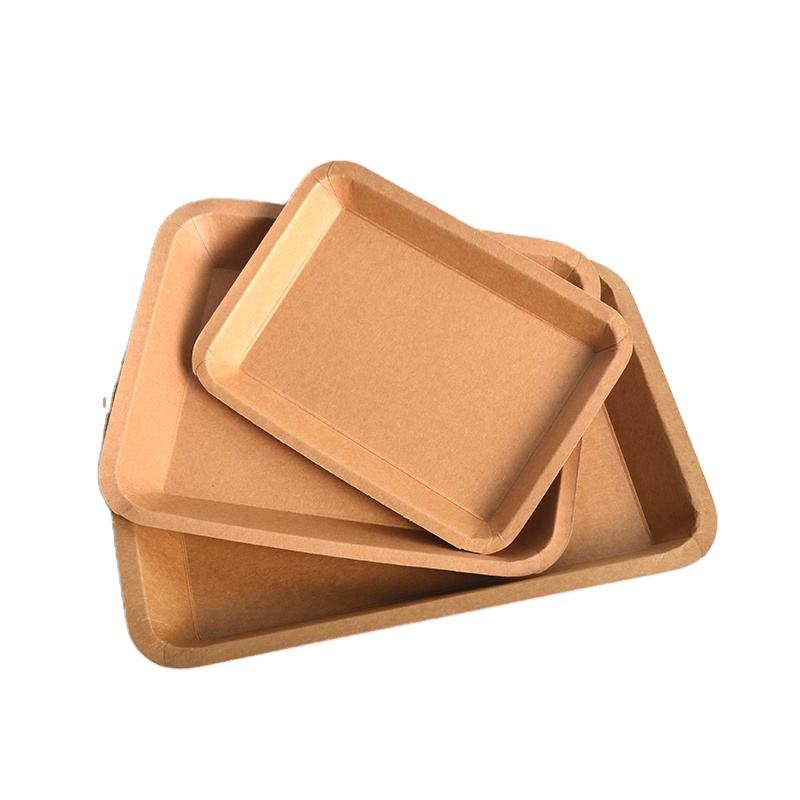
Paper trays have revolutionized the way food service businesses present their offerings, transforming ordinary meals into visually appealing experiences that captivate customers from the first glance. These versatile serving solutions go far beyond simple functionality, serving as crucial tools that enhance both the aesthetic appeal of food items and the overall dining experience. When food service establishments understand how paper trays can elevate their presentation standards, they unlock significant opportunities to increase customer satisfaction, boost perceived value, and create memorable interactions that drive repeat business and positive word-of-mouth recommendations.
The strategic implementation of paper trays creates an immediate visual impact that influences customer perception before they even taste the food. This enhanced presentation approach addresses multiple customer experience touchpoints simultaneously, from initial visual appeal to practical convenience during consumption. Food service operators who leverage paper trays effectively discover that these simple tools can significantly differentiate their offerings in competitive markets, creating a professional appearance that communicates quality, cleanliness, and attention to detail that modern consumers increasingly expect from their dining experiences.

Visual Appeal Enhancement Through Strategic Paper Tray Implementation
Color Psychology and Brand Consistency
Paper trays serve as powerful canvases for reinforcing brand identity while simultaneously enhancing food presentation through strategic color selection and design integration. The visual impact of well-chosen paper trays extends beyond simple food containment, creating cohesive brand experiences that resonate with customers on subconscious levels. Food service establishments discover that coordinating paper tray colors with their overall brand palette creates a professional, polished appearance that elevates the perceived value of their offerings while maintaining consistency across all customer touchpoints.
The psychological impact of color choices in paper trays directly influences customer appetite and satisfaction levels. Warm earth tones in paper trays can enhance the appeal of comfort foods, while crisp white or natural kraft colors provide excellent contrast for colorful salads and fresh ingredients. Understanding these color dynamics allows food service operators to strategically select paper trays that complement their menu items, creating harmonious presentations that maximize visual appeal and encourage consumption.
Texture and Material Contrast
The tactile qualities of paper trays contribute significantly to the overall sensory experience of food presentation, creating textural contrasts that enhance both visual interest and practical functionality. Premium paper trays with subtle textures or natural fiber appearances add sophisticated elements to food presentations without overwhelming the primary focus on the culinary offerings. These textural considerations become particularly important in upscale casual dining environments where customers expect elevated presentation standards that justify premium pricing strategies.
Material selection in paper trays also impacts how foods maintain their optimal presentation throughout the service period. Moisture-resistant coatings and sturdy construction ensure that paper trays maintain their structural integrity and visual appeal even when serving items with varying moisture content. This reliability in presentation maintenance directly translates to consistent customer experiences that build trust and encourage repeat visits, as customers can confidently expect the same high-quality presentation standards on each occasion.
Practical Functionality That Elevates Customer Convenience
Portion Control and Visual Organization
Paper trays excel at creating organized, visually appealing food presentations that help customers immediately understand portion sizes and meal components. The defined boundaries provided by paper trays eliminate the guesswork often associated with loose food arrangements, creating clear visual hierarchies that guide customer attention to key menu items. This organizational clarity becomes particularly valuable in fast-casual environments where quick decision-making and efficient service flow are essential for customer satisfaction and operational success.
The structured presentation enabled by paper trays also supports consistent portion control across different service periods and staff members. When food items are properly arranged within paper tray boundaries, customers receive uniform experiences that meet their expectations based on previous visits. This consistency in presentation and portioning builds customer confidence in value delivery while streamlining kitchen operations through standardized plating procedures that reduce waste and improve cost control.
Temperature Retention and Food Safety
Modern paper trays incorporate advanced materials and design features that contribute to optimal food temperature maintenance throughout the service period. The insulating properties of quality paper trays help preserve the intended serving temperatures of both hot and cold items, ensuring that customers receive their meals at optimal conditions that maximize flavor and safety. This temperature control capability becomes increasingly important as delivery and takeout services expand, requiring food presentations that maintain quality during extended transport periods.
Food safety considerations in paper tray selection directly impact customer confidence and regulatory compliance requirements. High-quality paper trays provide barrier protection between food items and external contaminants while maintaining hygiene standards that meet health department requirements. The single-use nature of paper trays eliminates cross-contamination risks associated with reusable serving dishes, creating safer dining environments that protect both customer health and business reputation in increasingly safety-conscious markets.
Customer Experience Enhancement Through Thoughtful Design Integration
Convenience and Portability Features
Paper trays transform the customer dining experience by providing convenient, portable serving solutions that accommodate modern lifestyle demands for flexibility and mobility. The lightweight nature of paper trays makes them ideal for customers who prefer to enjoy their meals in various locations, from outdoor seating areas to office environments. This portability factor significantly expands the potential customer base by attracting busy professionals, families with children, and other demographics that value dining convenience and flexibility in their food service choices.
The ergonomic design considerations built into quality paper trays enhance customer comfort during the consumption process. Well-designed paper trays feature appropriate sizing, comfortable grip areas, and stable base structures that prevent spillage and facilitate easy handling. These practical design elements contribute to positive customer experiences by eliminating common frustrations associated with awkward or unstable serving containers, allowing customers to focus on enjoying their meals rather than managing difficult packaging.
Environmental Responsibility and Brand Values
Contemporary consumers increasingly evaluate food service establishments based on their environmental responsibility practices, making paper tray selection an important component of brand positioning and customer relationship building. Eco-friendly paper trays manufactured from sustainable materials and designed for proper disposal or composting demonstrate commitment to environmental stewardship that resonates with environmentally conscious customers. This alignment between serving choices and customer values creates deeper emotional connections that extend beyond simple transactional relationships.
The sustainability messaging inherent in responsible paper tray usage provides opportunities for food service establishments to communicate their environmental commitments through visible, tangible actions. Customers who observe businesses using recyclable or compostable paper trays receive immediate confirmation that their patronage supports environmentally responsible practices. This visible commitment to sustainability can influence customer loyalty decisions and word-of-mouth recommendations, particularly among demographics that prioritize environmental considerations in their purchasing decisions.
Operational Efficiency and Cost-Effectiveness Through Paper Tray Integration
Staff Training and Service Consistency
Paper trays simplify staff training requirements while ensuring consistent presentation standards across different service periods and employee skill levels. The standardized nature of paper tray presentations reduces the learning curve for new employees while providing clear guidelines for experienced staff members. This consistency in training and execution directly translates to reliable customer experiences that meet established quality expectations, regardless of which team members are preparing or serving the meals.
The efficiency gains achieved through paper tray implementation extend throughout the entire service operation, from kitchen preparation to customer delivery. Streamlined plating procedures using paper trays reduce service times while maintaining presentation quality, allowing food service establishments to serve more customers during peak periods without compromising standards. This operational efficiency creates competitive advantages that support business growth while maintaining the elevated customer experiences that drive customer satisfaction and retention.
Inventory Management and Storage Solutions
Paper trays offer significant advantages in inventory management and storage efficiency compared to traditional reusable serving dishes. The stackable design of paper trays maximizes storage space utilization while simplifying inventory tracking and reordering processes. Food service operators can maintain adequate supplies without dedicating excessive storage space to serving containers, freeing up valuable real estate for food ingredients and other essential supplies that directly impact menu offerings and food quality.
The cost-effectiveness of paper trays extends beyond initial purchase prices to include reduced labor costs associated with washing, sanitizing, and maintaining reusable serving dishes. Elimination of dishwashing requirements for serving containers reduces utility costs, labor expenses, and equipment wear while streamlining kitchen operations. These operational savings can be reinvested in food quality improvements, staff training, or facility enhancements that further improve customer experiences and business competitiveness in challenging market conditions.
FAQ
How do paper trays improve food presentation compared to other serving options?
Paper trays enhance food presentation by providing defined boundaries that create organized, visually appealing arrangements while offering color and texture options that complement specific menu items. Unlike loose arrangements or basic containers, paper trays frame food presentations professionally, creating consistent visual hierarchies that guide customer attention and enhance perceived value through structured, intentional presentation approaches.
What impact do paper trays have on customer satisfaction and repeat business?
Paper trays contribute to customer satisfaction by improving convenience, maintaining food quality, and creating memorable visual experiences that exceed customer expectations. The professional appearance and practical functionality of quality paper trays demonstrate attention to detail and customer care, building positive associations that encourage repeat visits and word-of-mouth recommendations from satisfied customers who appreciate the enhanced dining experience.
Are paper trays cost-effective for food service businesses compared to reusable alternatives?
Paper trays offer excellent cost-effectiveness through elimination of washing and sanitizing expenses, reduced labor requirements, and simplified inventory management processes. While per-unit costs may be higher than reusable options, total operational costs often favor paper trays when considering labor savings, utility reductions, equipment wear prevention, and the ability to maintain consistent presentation standards without extensive staff training or quality control measures.
How do paper trays support food safety and hygiene requirements?
Paper trays enhance food safety through single-use design that eliminates cross-contamination risks, barrier protection between food and external surfaces, and compliance with health department regulations for food service operations. The fresh, clean presentation provided by new paper trays for each customer creates hygienic serving conditions that protect both customer health and business reputation while meeting or exceeding regulatory requirements for food safety practices.
Table of Contents
- Visual Appeal Enhancement Through Strategic Paper Tray Implementation
- Practical Functionality That Elevates Customer Convenience
- Customer Experience Enhancement Through Thoughtful Design Integration
- Operational Efficiency and Cost-Effectiveness Through Paper Tray Integration
-
FAQ
- How do paper trays improve food presentation compared to other serving options?
- What impact do paper trays have on customer satisfaction and repeat business?
- Are paper trays cost-effective for food service businesses compared to reusable alternatives?
- How do paper trays support food safety and hygiene requirements?