 EN
EN

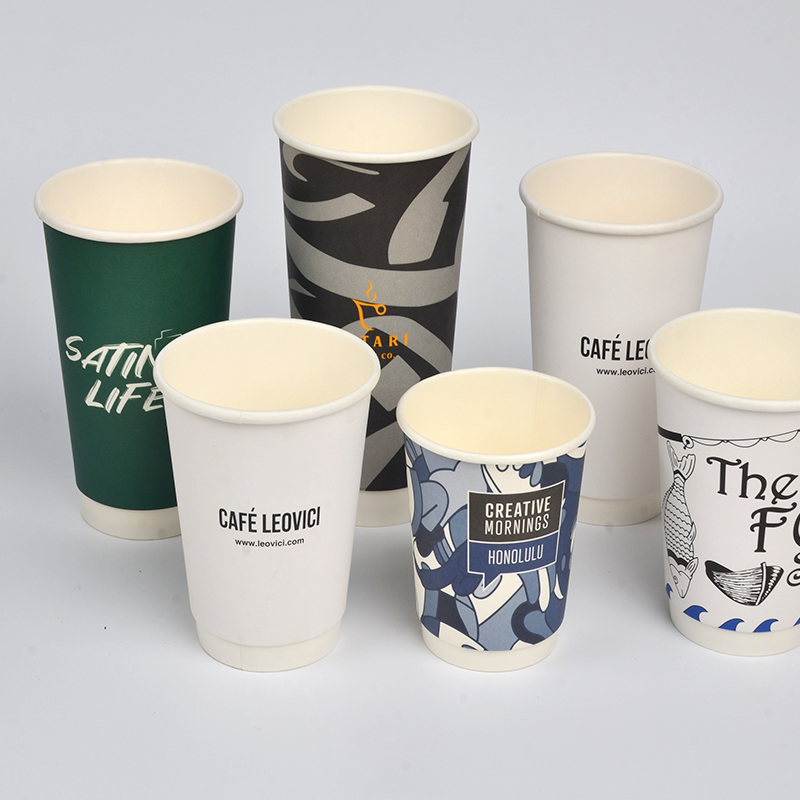
Turning Everyday Drinkware into a Brand Asset
A custom paper cup can do far more than hold coffee, tea, juice, water, or another beverage. It can become a compact marketing surface that places your logo directly in the customer’s hand. Every time a customer carries a paper cup through a café, office, shopping center, event venue, or public street, the brand gains another visible impression.
Why should a business include the paper cup in its marketing plan? Customers may hold a paper cup for several minutes, place it on a desk, photograph it, share it with colleagues, or carry it between locations. That repeated contact gives the paper cup more time to communicate than many short advertising formats.
A well-designed paper cup also strengthens the moment of purchase. The right color, logo placement, material, finish, and lid combination can make an ordinary drink feel more professional and more closely connected to the brand. When the paper cup matches the store, website, menu, uniforms, and other packaging, the complete experience becomes easier to recognize.
Custom printing gives the paper cup space for more than a logo. A business can add a slogan, social account, QR code, campaign message, loyalty reminder, product information, or disposal guidance. The most effective paper cup does not display every possible message; it focuses attention on the action or idea that matters most.
Performance remains essential because weak packaging can damage brand trust. A paper cup should suit the beverage temperature, serving volume, holding time, lid, and customer journey. An attractive paper cup that leaks, softens, smells unusual, or feels uncomfortable will not create the intended marketing value.
Our custom paper cup manufacturing service connects brand communication with practical production. We help clients select the paper cup size, wall structure, paperboard, barrier, printing process, artwork layout, lid, packing, and quality requirements. This complete approach turns each paper cup into a useful product and a consistent brand touchpoint.
Building Brand Recognition with Custom Paper Cups
Creating a Consistent Visual Identity
A custom paper cup should look like a natural extension of the brand rather than an isolated piece of packaging. The logo, color palette, typeface, illustration style, and message should connect with the visual identity customers already see online and in physical locations.
Consistency across every paper cup size is especially important. A small espresso paper cup and a large takeaway paper cup may have different proportions, but both should preserve the same recognizable design system. This allows customers to identify the brand even before they read the full name.
What should a person remember after seeing the paper cup for only a few seconds? The answer may be a signature color, a bold symbol, a clean wordmark, or a short phrase. The paper cup design should make that central element easy to notice.
A paper cup can also coordinate with sleeves, lids, napkins, paper bags, food boxes, and labels. When these items share visual rules, the paper cup becomes part of a complete packaging family instead of competing with other materials.
Color references should be controlled during paper cup production because paper shade, coating, and printing method can change the final appearance. A physical paper cup proof helps confirm whether the printed result matches the intended identity.
Our prepress team reviews each paper cup artwork file on the correct curved template. This process protects logo scale, color consistency, safe areas, and visual balance across the full paper cup range.
Increasing Visibility in Daily Customer Moments
A paper cup travels wherever the customer goes. It may move from a service counter to a meeting room, train platform, university campus, hotel lobby, or outdoor event. Each journey allows the paper cup to place the brand in front of additional people.
The strongest mobile visibility usually comes from simple paper cup artwork. A large logo and clear contrast can be understood quickly, while excessive text may disappear when the paper cup is moving or partly covered by a hand.
Could the paper cup still be recognized from several meters away? This question is useful when choosing logo size and color contrast. The paper cup should communicate its main identity before a viewer needs to study smaller details.
The back or side area of the paper cup can support secondary information. A website, social handle, location, or brief call to action can add value without weakening the main face of the paper cup.
A consistent paper cup can also help customers remember where they purchased the drink. Repeated exposure to the same paper cup design builds familiarity and can support later brand recall when the customer sees an advertisement, storefront, or online post.
Our custom paper cup service considers how artwork appears while the cup is standing, held, stacked, and photographed. This real-use perspective helps the paper cup deliver clearer brand visibility throughout the customer journey.
Supporting a Memorable Service Experience
Packaging influences how customers judge the complete service experience. A clean, comfortable, and attractive paper cup can make the beverage feel more carefully prepared, even when the drink itself has not changed.
The paper cup should match the business position. A minimalist café may prefer a restrained paper cup, while a lively event brand may use brighter graphics and more energetic typography. The paper cup should express a real identity rather than follow decoration without purpose.
Touch also affects perception. The surface of a paper cup, the wall structure, the rim, and the handle-free grip all contribute to the customer’s impression. A paper cup that feels stable and comfortable can support confidence in the product.
What happens when the customer places the paper cup beside a laptop or takes a photo? A well-proportioned paper cup can remain presentable from multiple angles, helping the brand stay visible in both physical and digital settings.
Small details can make the paper cup experience more memorable. A message under the rim, a carefully placed illustration, a coordinated sleeve, or a short thank-you line can make the paper cup feel intentional without becoming crowded.
Our team helps clients connect paper cup appearance with beverage type, service speed, storage, and customer handling. This ensures the paper cup supports both brand presentation and everyday operation.
Designing a Paper Cup That Represents Your Brand
Selecting Colors, Logos, and Typography
Color is often the first feature customers notice on a paper cup. A signature color can make the paper cup recognizable across locations, campaigns, and product sizes, especially when the same tone appears throughout the wider brand system.
The paper cup material influences how that color appears. Bright artwork may look different on white paperboard, natural paper, coated stock, or a textured outer layer. Testing the paper cup on the chosen material is therefore more reliable than judging a screen preview.
Logo placement should remain visible when the paper cup is held. Areas near the side seam, lower curve, and rim can distort artwork, so the paper cup template must guide the final position.
Typography should be readable at the actual paper cup size. Fine lettering may disappear on a small paper cup, while oversized text can wrap awkwardly around the curved surface. The paper cup should be reviewed as a finished object rather than a flat rectangle.
Does every panel need the same message? A paper cup can use one side for the main logo and another for supporting copy. This creates a more natural visual rhythm and allows the paper cup to communicate without excessive repetition.
Our artwork support helps clients test paper cup color, logo scale, type size, and print coverage before mass production. The approved paper cup proof then becomes a reference for quality control.
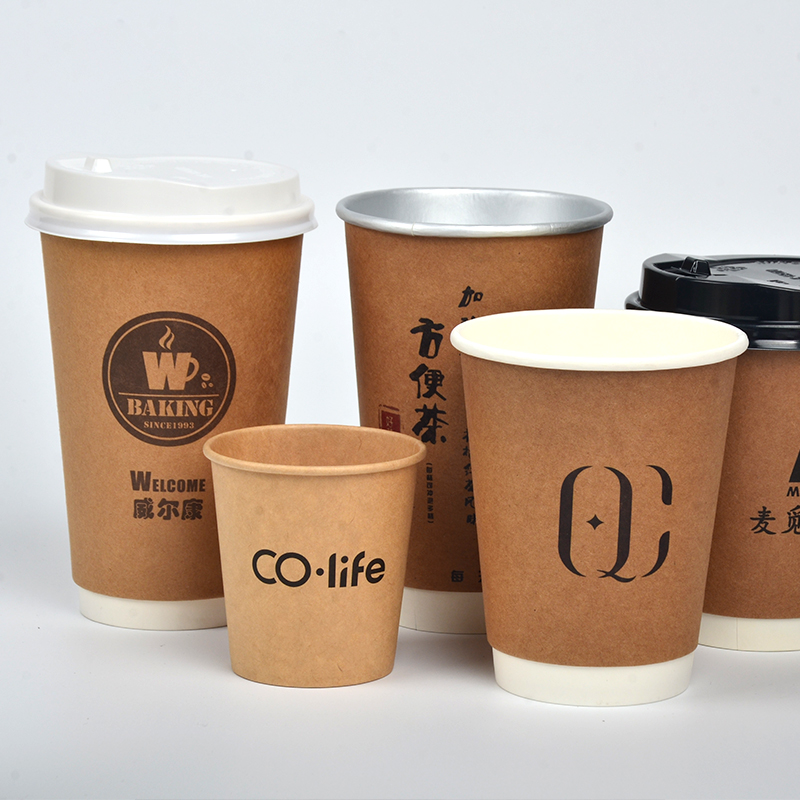
Planning Artwork Around the Cup Shape
A paper cup is tapered, so artwork must be adapted to a curved and narrowing surface. Straight lines, patterns, and text can appear distorted when a flat design is wrapped around the paper cup body.
The side seam should be treated as a structural area. Important names, faces, QR codes, or product claims should not cross the seam because the finished paper cup may interrupt readability.
The top and bottom curves also change the usable print area. A paper cup design that ignores these limits may place critical artwork too close to the rim or hide information near the base.
How will the paper cup look from the customer’s main viewing angle? Designers should identify the front face, secondary face, and hand-contact area. This helps the paper cup maintain a clear hierarchy when it is carried.
Patterns can work well on a paper cup when they are scaled carefully. A large motif may lose its meaning on a small paper cup, while a very fine pattern may become visually noisy after printing and forming.
Our prepress process places the design on a production-ready paper cup template and checks each structural zone. This reduces avoidable distortion and helps the final paper cup match the approved concept.
Choosing Materials and Surface Finishes
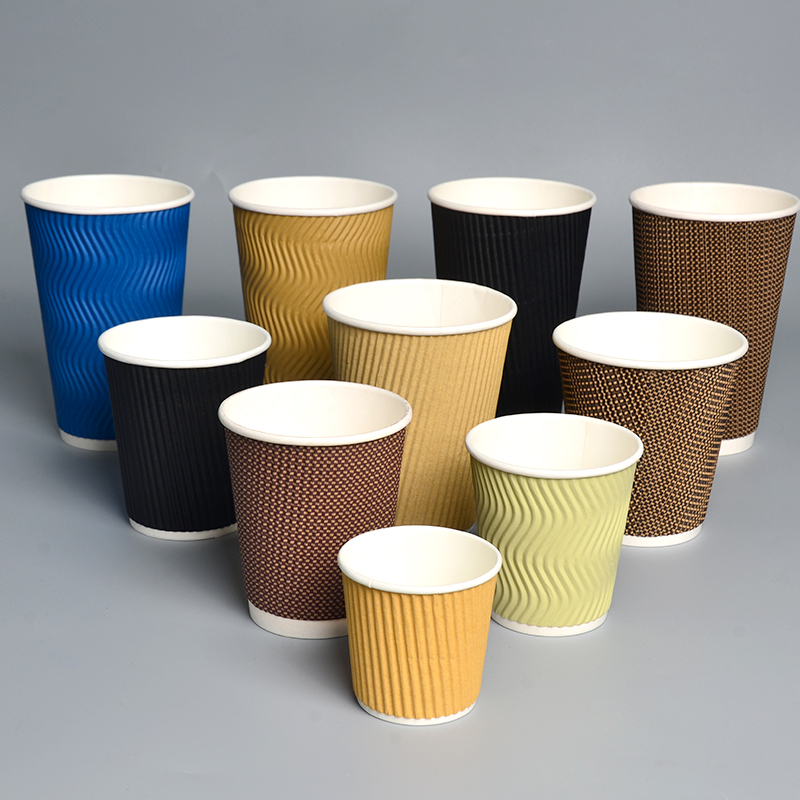
Material choice influences paper cup strength, feel, print appearance, and customer perception. A single-wall paper cup may suit many cold or moderate-temperature drinks, while a double-wall paper cup can provide added insulation and a larger premium surface.
A ripple-wall paper cup can create grip and visual texture. This paper cup structure may support hot beverage service where customers value insulation without a separate sleeve.
Surface finish should support the brand instead of adding decoration without purpose. A smooth paper cup can present detailed graphics clearly, while a matte or textured paper cup may create a more understated tactile experience.
Barrier selection should match the beverage, temperature, and expected holding time. The paper cup must remain functional throughout normal use, because marketing value disappears when the package cannot protect the drink.
Environmental messages on a paper cup should reflect the actual material structure. If the paper cup uses a particular fiber source, barrier, or disposal route, the printed wording should be accurate and easy to understand.
Our material guidance connects paper cup performance with visual goals and market requirements. We help clients choose a paper cup construction that supports printing, comfort, brand position, and realistic use.
Using Custom Paper Cups Across Marketing Channels
Promoting Cafés, Restaurants, and Takeaway Services
A paper cup can make every beverage order part of a local marketing campaign. Customers carry the paper cup outside the café or restaurant, placing the logo in streets, workplaces, schools, and nearby businesses.
The paper cup can include a location, website, ordering channel, or short menu message. Which detail is most likely to bring the customer back? The paper cup should prioritize one useful action instead of filling the surface with unrelated information.
Takeaway businesses can use the paper cup to build consistency across delivery and pickup. When the paper cup matches food packaging and bags, customers receive a more complete brand presentation.
A paper cup can also support daypart promotions. Breakfast, lunch, afternoon, and evening messages can be introduced through selected paper cup artwork while preserving the main logo and color system.
Seasonal designs may refresh the paper cup during holidays or special campaigns. The paper cup should still retain core brand elements so customers recognize the business immediately.
Our paper cup manufacturing service can create coordinated sizes for espresso, coffee, tea, juice, and other menu items. Shared artwork standards help every paper cup support the same foodservice identity.
Activating Events, Pop-Ups, and Product Launches
Events create concentrated opportunities for paper cup visibility. When many guests hold the same paper cup, the repeated design becomes part of the venue and can reinforce the campaign theme.
A paper cup can display an event name, launch message, date, sponsor information, or QR code. The design should remain readable in photographs, because the paper cup may appear in social content after the event ends.
Pop-up locations often need packaging that communicates quickly. A recognizable paper cup can tell visitors who the brand is even when the temporary space has limited signage.
Could the paper cup encourage a specific action during the event? A scan-to-register message, social tag, or product page can turn the paper cup into an interactive campaign tool.
Order planning is important because event paper cup demand is tied to a fixed date. Artwork approval, sampling, production, inspection, packing, and delivery must be coordinated so the paper cup arrives before setup begins.
Our project team manages the custom paper cup process from specification to shipment. This gives event buyers a paper cup that supports the visual concept while meeting practical volume and timing needs.
Connecting Offline Packaging with Digital Campaigns
A paper cup can connect physical service with digital content. A QR code printed on the paper cup may lead to a menu, loyalty page, product story, event registration, survey, offer, or social channel.
The destination should provide a clear benefit. Why would a customer scan the paper cup? Useful content or a simple reward gives the paper cup a stronger role than a code with no obvious purpose.
QR placement must account for curvature and hand position. A code placed near the seam or lower taper may be difficult to scan, so the paper cup should keep it on a flatter, high-contrast area.
Tracking can help measure paper cup engagement. A dedicated landing page or campaign code can show how many customers interact with the paper cup after purchase.
The paper cup can also support user-generated content through a short social prompt. The message should feel natural and should not overwhelm the main identity printed on the paper cup.
Our prepress team tests paper cup QR placement, contrast, and finished readability. This helps the custom paper cup connect offline customer moments with measurable digital activity.
Strengthening Customer Engagement and Loyalty
Encouraging Social Sharing and Customer Content
A photogenic paper cup can appear naturally in customer posts. Strong colors, balanced artwork, a recognizable logo, and a clean overall shape make the paper cup easier to include in lifestyle, food, travel, and workplace images.
The paper cup should look good from more than one angle. Customers rarely position packaging exactly as the designer expects, so repeated or thoughtfully distributed brand elements can keep the paper cup identifiable.
A short social handle or campaign phrase may invite participation. The message on the paper cup should remain easy to remember, type, and understand without requiring lengthy instructions.
Could a limited paper cup design encourage customers to share or collect it? Seasonal illustrations, event artwork, or coordinated sets can create interest while the paper cup still reflects the main brand.
User content should never be treated as guaranteed. The paper cup earns attention by being useful, attractive, and relevant to the customer experience, not by demanding a post.
Our paper cup design support helps brands create clear visual moments that work both in person and on camera. The finished paper cup can then support organic sharing without losing everyday functionality.
Creating Repeat Purchase Opportunities
A paper cup can remind customers to return before the drink is finished. A loyalty message, reorder code, store location, or simple invitation can turn the paper cup into a repeat-purchase prompt.
The call to action should match the business goal. A café may use the paper cup to promote a loyalty program, while a beverage brand may direct customers to a product page or retail location.
Placement influences response. A message near the upper part of the paper cup may be noticed while drinking, while a lower message may become hidden by the hand or a sleeve.
A paper cup can also support cross-selling. A carefully written line may introduce breakfast, dessert, catering, delivery, or another service without turning the paper cup into a crowded menu.
How often should the message change? An evergreen paper cup works well for regular service, while small campaign runs can test new offers. The paper cup strategy should balance consistency with useful variation.
Our custom paper cup service can maintain core artwork while preparing controlled promotional versions. This allows each paper cup campaign to support repeat sales without weakening brand recognition.
Communicating Brand Values Clearly
A paper cup gives businesses a small but visible place to explain what they value. The message may focus on product quality, local service, responsible sourcing, community support, craftsmanship, or customer appreciation.
The statement should be specific and credible. A paper cup with vague claims may create doubt, while a short factual message can help customers understand the brand more clearly.
Environmental wording requires particular care. The paper cup should only display material, recycling, or disposal information that matches its actual construction and the intended market.
The paper cup can also use tone to express values. Friendly copy, restrained typography, playful illustration, or educational content can communicate personality without making unsupported claims.
Would the message still feel appropriate after repeated use? A paper cup should avoid language that conflicts with the actual service experience. Packaging and operations need to support the same promise.
Our team helps clients position verified messages within the paper cup design. This creates a paper cup that communicates brand values while remaining clear, practical, and visually balanced.
Planning a Cost-Effective Paper Cup Campaign
Matching Cup Sizes to Menu and Sales Volume
A cost-effective paper cup program begins with the correct size range. Too many paper cup sizes create additional artwork, inventory, lid, carton, and forecasting requirements.
The business should review actual beverage portions and customer demand. A small, medium, and large paper cup range may cover most needs, but every operation should confirm its own serving volumes.
Rim standardization can simplify the paper cup system. Several paper cup capacities may share one lid diameter, reducing the number of lids stored and making service easier.
The paper cup should also fit dispensers, trays, carriers, and storage shelves. A size that works in isolation may create operational problems when the paper cup enters the full service environment.
Sales data can guide paper cup order allocation. High-volume sizes may justify larger runs, while less common paper cup formats may need more careful quantity planning.
Our team can review product dimensions, serving volumes, and lid families to build an efficient paper cup range. This helps clients avoid unnecessary paper cup SKUs while maintaining menu flexibility.
Balancing Printing Options and Order Quantities
Printing cost depends on paper cup quantity, artwork, color requirements, material, and production method. A simple paper cup design may provide strong recognition without requiring full-surface coverage.
The minimum order quantity should be considered by design and size. Each paper cup artwork version may require its own setup, so too many variations can increase cost and inventory risk.
Larger orders can reduce the unit price of a paper cup, but excess stock may become waste if branding, promotions, or menu requirements change. The right paper cup quantity should reflect realistic consumption.
A standard paper cup with interchangeable sleeves or stickers can support temporary campaigns. This approach may allow the business to preserve the main paper cup while changing selected messages.
Sampling should remain part of the budget. A physical paper cup proof can prevent expensive mistakes in color, artwork placement, lid fit, and structure before mass production.
Our quotation process defines the paper cup size, material, printing, packing, and quantity clearly. This allows clients to compare options and choose a paper cup plan that supports both marketing and cost control.
Measuring Campaign Results and Improving Reorders
A paper cup campaign should begin with a measurable objective. The goal may be brand recognition, QR scans, loyalty registration, repeat sales, social engagement, or event participation.
Trackable elements can connect customer activity to the paper cup. A unique code, landing page, offer, or campaign tag can show whether people respond after seeing the paper cup.
Staff feedback provides another source of information. Teams can report whether the paper cup separates easily, fits the lid, feels comfortable, and supports efficient service.
Customer comments may reveal whether the paper cup design is memorable or useful. A short survey or direct observation can help the business improve the next paper cup order.
Inventory records show which paper cup sizes and designs move fastest. Comparing consumption with campaign results helps the brand adjust paper cup quantities and reduce obsolete stock.
Our service retains approved paper cup specifications, artwork references, and production standards. This makes it easier to improve future paper cup orders while maintaining the identity customers recognize.
Working with Our Custom Paper Cup Manufacturing Service
Building a Clear Product Specification
A reliable custom paper cup project begins with a clear written specification. The brief should include paper cup capacity, dimensions, wall structure, paperboard, barrier, print colors, artwork, lid, quantity, packing, and delivery requirements.
The intended beverage should also be described. Temperature, acidity, oil content, ice, holding time, and customer handling can influence the correct paper cup construction.
The paper cup size should be confirmed with a dimension drawing and sample. Nominal ounce labels do not always provide enough information for lid fit, dispenser use, or practical fill volume.
Artwork files need version control. The approved paper cup design should have a clear file name, color reference, and template so outdated artwork does not enter production.
Quality criteria should be agreed before the paper cup is made. Dimensions, leakage testing, print tolerance, rim formation, stacking, odor, cleanliness, and packing can all be included in the paper cup standard.
Our project team organizes these details into a production-ready paper cup specification. This gives both sides a shared reference for quotation, sampling, manufacturing, inspection, and repeat orders.
Managing Sampling, Production, and Quality Control
A physical paper cup sample allows the client to evaluate appearance and performance together. The paper cup should be tested with the intended beverage, fill temperature, lid, and holding time.
A printed paper cup proof helps confirm color, logo position, fine text, QR readability, and overall visual balance. Screen images alone cannot show every characteristic of the finished paper cup.
Production should follow the approved paper cup sample and written specification. Any change to paperboard, coating, dimensions, artwork, or packing should be recorded before manufacturing continues.
Quality control can include paper cup dimensions, side seam, bottom seal, rim shape, print registration, stacking, separation, cleanliness, and carton quantity.
Leak tests need defined conditions. The paper cup should be evaluated with an agreed liquid, temperature, fill level, and test duration so results remain consistent.
Our manufacturing workflow connects paper cup sampling, material confirmation, production monitoring, inspection, and packing. This integrated process helps the finished paper cup match the approved brand and performance requirements.
Coordinating Packaging, Storage, and Delivery
Paper cup packing should protect rims, print surfaces, hygiene, and stacking during transport. Sleeve quantity and carton arrangement must support both shipping efficiency and warehouse handling.
Carton labels should identify paper cup size, artwork, quantity, batch, and order information. Clear paper cup labels reduce mistakes when several sizes or campaigns arrive together.
Storage conditions matter because paper cup products should remain clean and dry. The buyer should plan suitable warehouse space before the paper cup shipment reaches its destination.
Freight cost is influenced by volume as well as weight. Paper cup carton dimensions and loading plans should be optimized without compressing or damaging the product.
Delivery timing should include artwork review, sampling, production, inspection, packing, export procedures, transport, and local receiving. A paper cup campaign needs a complete schedule rather than only a factory completion date.
Our export support coordinates paper cup packing, shipping marks, production timing, and delivery requirements. This gives clients a more organized path from custom paper cup concept to final use.
FAQ
Marketing Value of a Custom Paper Cup
A custom paper cup gives the brand repeated visibility during purchase, carrying, drinking, and disposal. The customer may interact with the paper cup for several minutes, creating more time for the design to be noticed.
The paper cup can display a logo, signature color, slogan, website, social account, QR code, or loyalty message. Each element should support one clear marketing objective.
A recognizable paper cup also extends brand exposure beyond the store. Customers may carry the paper cup into offices, streets, campuses, stations, or event spaces.
Consistency makes the paper cup more effective. When the paper cup matches menus, interiors, bags, boxes, and digital channels, customers can connect every touchpoint more easily.
Performance remains part of marketing value. A strong, comfortable, and suitable paper cup supports a positive impression, while a weak paper cup can damage trust.
Our custom paper cup service combines design, structure, printing, and quality control so every paper cup can support both beverage service and brand communication.
Effective Design Elements for Brand Promotion
The most effective paper cup design usually includes a clear logo, recognizable color, readable typography, and controlled visual hierarchy. A paper cup does not need excessive detail to attract attention.
Logo size should be tested on the finished paper cup. Curvature, seams, hand position, and sleeves can change how the logo appears during use.
Color contrast helps the paper cup remain visible from a distance and in photographs. The chosen paper cup material should be considered because it affects the printed result.
A short message or call to action can support engagement. The paper cup may invite a scan, follow, visit, or repeat purchase without becoming crowded.
QR codes and fine text should stay away from the seam and strongly curved areas. A physical paper cup proof can confirm readability before production.
Our prepress team adapts artwork to the correct paper cup template and checks the design as a three-dimensional product.
Suitable Order Planning for a Custom Paper Cup
Paper cup order quantity should reflect sales volume, storage space, campaign length, size demand, and artwork stability. Ordering only for a low unit price can create excess paper cup inventory.
Each paper cup size or design may have its own production minimum. Businesses should begin with the paper cup formats that serve the largest share of customers.
A coordinated size range can reduce complexity. Sharing lid diameters, colors, and artwork rules makes the paper cup program easier to manage.
Sampling should be included before mass production. A paper cup sample can reveal issues with dimensions, lid fit, heat, printing, or handling that are not visible in a digital file.
Lead time should cover approval, paper cup production, inspection, packing, and delivery. Campaign dates should be planned backward from the required arrival date.
Our team helps clients organize paper cup quantities, sizes, artwork versions, and delivery schedules according to practical business needs.
Quality Requirements for a Branded Paper Cup
A branded paper cup should be evaluated for both visual quality and functional performance. Important checks include paper cup dimensions, print position, color, seam quality, bottom seal, rim shape, and cleanliness.
The paper cup should be tested with the intended drink and lid. Temperature, fill level, and holding time can influence paper cup strength and leakage performance.
Print quality should match the approved paper cup proof within agreed tolerances. Fine details, barcodes, and QR codes need particular attention.
The paper cup should stack and separate smoothly during service. Poor stacking can slow staff and damage the customer experience even when the paper cup looks attractive.
Packing must protect the paper cup during shipping and storage. Sleeves, cartons, labels, and moisture control all contribute to final paper cup quality.
Our quality process uses the approved paper cup specification and sample as production references, helping each branded paper cup arrive ready for reliable service.
Table of Contents
- Turning Everyday Drinkware into a Brand Asset
- Building Brand Recognition with Custom Paper Cups
- Designing a Paper Cup That Represents Your Brand
- Using Custom Paper Cups Across Marketing Channels
- Strengthening Customer Engagement and Loyalty
- Planning a Cost-Effective Paper Cup Campaign
- Working with Our Custom Paper Cup Manufacturing Service
- FAQ