 EN
EN

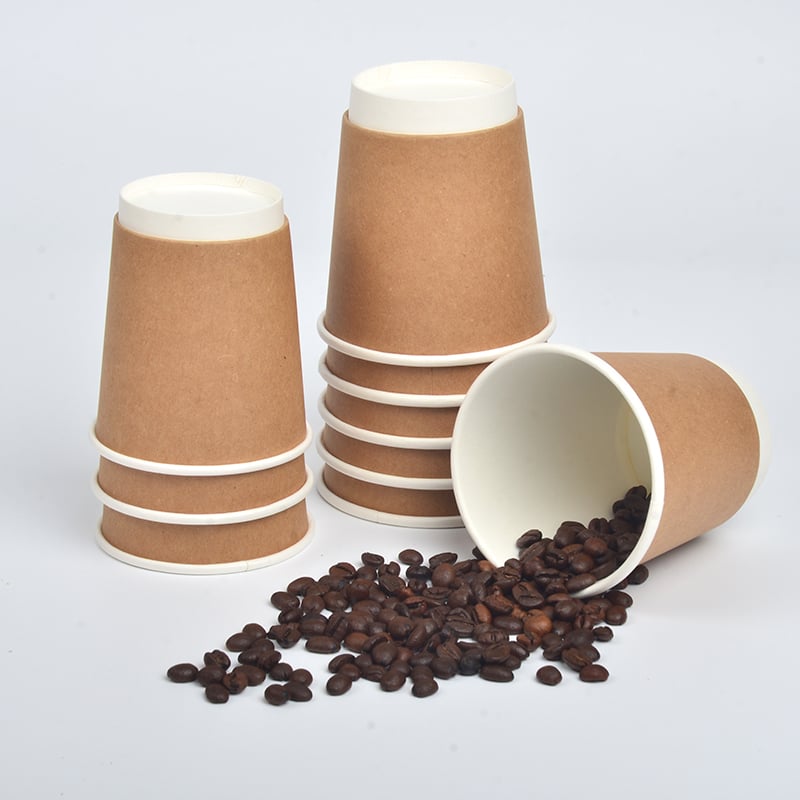
A Practical Foundation for Successful Paper Cup Sourcing
Importing a paper cup from China can create strong opportunities for distributors, foodservice suppliers, café groups, retailers, event companies, and private-label brands. China offers broad manufacturing capacity, flexible customization, multiple paper cup structures, and efficient export support, but a successful purchase depends on far more than comparing a few unit prices.
Before requesting a quotation, an importer should define how the paper cup will be used. Will the paper cup hold hot coffee, cold juice, ice cream, soup, tea, or tasting samples? Will the paper cup be used for takeaway service, vending, catering, retail packs, or promotional events? These practical questions influence the paper, coating, wall structure, rim diameter, print process, lid fit, and carton configuration.
A clear specification also protects the importer from misleading price comparisons. Two suppliers may quote the same paper cup size, but one paper cup may use different paper weight, coating thickness, printing coverage, bottom construction, or packing quantity. Without a detailed paper cup specification, a lower quotation may not represent the same product or performance level.
Food-contact safety must remain central throughout the project. Every paper cup component, including paperboard, barrier coating, ink, adhesive, rim, bottom seal, and optional lid, should be suitable for the intended beverage or food. The importer should also confirm which documents, tests, declarations, and labels are needed in the destination market before approving the paper cup order.
Sampling is another essential step. A digital drawing cannot fully show how a paper cup feels in the hand, fits a lid, handles heat, resists leakage, or displays printed colors. A physical paper cup sample allows the buyer to test the product under realistic filling, holding, stacking, transporting, and serving conditions.
Our custom paper cup manufacturing service is built around these practical needs. We help importers connect cup type, size, material, printing, food-contact requirements, packing, quality control, and shipping into one clear paper cup project. This integrated approach helps buyers reduce sourcing risk while creating a paper cup that supports their product, brand, and market.
Defining the Correct Paper Cup Specification
Intended Use and Beverage Conditions
The first paper cup decision should be based on the product placed inside it. A paper cup for hot espresso faces different heat and holding conditions from a paper cup for cold soda, frozen dessert, soup, or sampling.
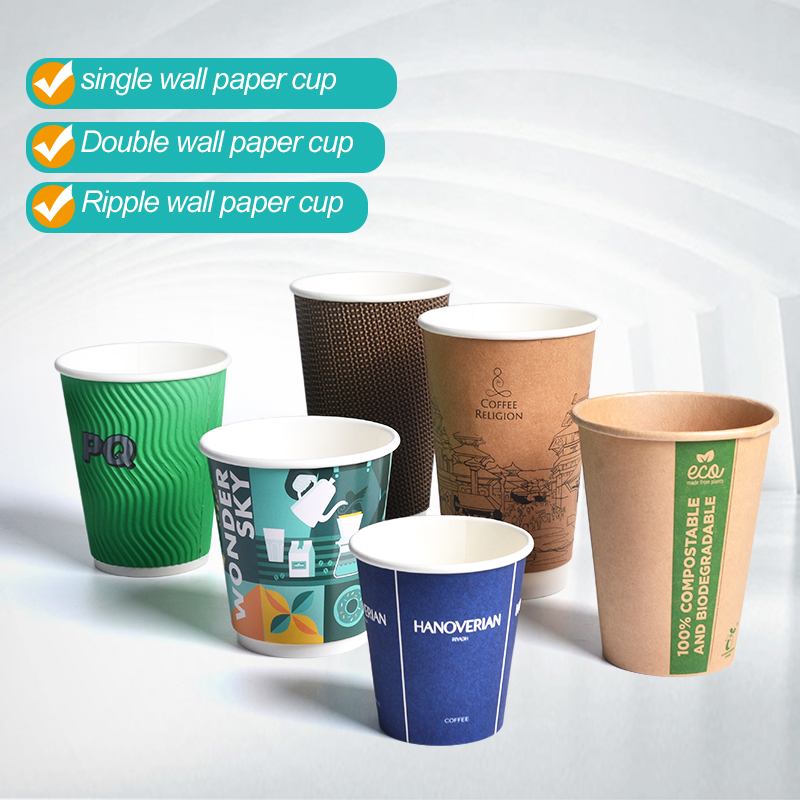
Temperature affects paper cup comfort and structure. A hot paper cup may require a single-wall, double-wall, or ripple-wall design depending on serving temperature, holding time, and whether an outer sleeve will be used.
Cold drinks can create condensation on the outside of a paper cup. The paper cup material and coating should therefore be tested for moisture exposure, especially when the drink contains ice or remains in the paper cup for an extended period.
Oil, acidity, sugar, and dairy content may also influence paper cup performance. Importers should give the manufacturer accurate filling information so the paper cup can be evaluated with a suitable barrier and sealing structure.
The expected customer journey matters as well. A paper cup used at a counter for ten minutes may face less stress than a paper cup placed in delivery bags, vending machines, stadium service, or long events.
Our team reviews the intended content, temperature, volume, and use time before recommending a paper cup structure. This prevents the paper cup from being selected only by appearance or nominal capacity.
Capacity, Dimensions, and Lid Compatibility
Paper cup capacity should be confirmed by more than a simple ounce label. Different markets may describe a paper cup with the same nominal size even when the brim volume, practical fill line, height, and rim diameter are different.
The importer should request a paper cup dimension drawing that shows top diameter, bottom diameter, height, wall angle, and stated capacity. These measurements help confirm whether the paper cup fits dispensers, cup holders, trays, packing equipment, and existing lids.
Lid compatibility requires particular attention. A lid that appears to match a paper cup may still feel loose, split at the rim, leak around the edge, or detach when the customer carries the drink.
A paper cup and lid should be tested as one system. The importer should check application force, removal force, sip opening, venting, stacking, and fit after the paper cup contains a hot or cold beverage.
Standardizing rim diameters can simplify inventory. Several paper cup capacities may share one lid family, allowing the buyer to reduce the number of lid SKUs and improve warehouse efficiency.
Our paper cup development process can match cup dimensions with suitable lids and packing requirements. By confirming the complete paper cup set before production, we help importers avoid costly compatibility problems after arrival.
Wall Structure and User Comfort
A single-wall paper cup is often suitable for cold drinks, moderate-temperature beverages, and applications where a sleeve is available. This paper cup structure can be economical and efficient when the material is matched correctly to the use.
A double-wall paper cup adds an outer layer that can improve insulation and hand comfort. The paper cup may also provide a smoother premium printing surface and reduce the need for a separate sleeve.
A ripple-wall paper cup uses a textured outer layer that creates grip and insulation. This paper cup style can suit coffee, tea, and takeaway service where customers value comfortable handling.
The correct wall structure should reflect actual temperature and holding time. An unnecessarily heavy paper cup may increase cost and shipping volume, while an under-specified paper cup may feel too hot or lose rigidity.
Importers should test the paper cup with the intended fill temperature rather than judging it empty. Heat can change stiffness, seam behavior, grip, and customer perception of the paper cup.
Our manufacturing team can prepare single-wall, double-wall, and textured paper cup options for comparison. A structured sample review helps the buyer choose the paper cup that balances comfort, branding, performance, and cost.
Reviewing Paper Cup Materials and Food Safety
Paperboard Quality and Barrier Selection
Paperboard determines much of the paper cup strength, print result, forming performance, and feel. The importer should confirm the paper grade, weight, stiffness, surface treatment, and suitability for food-contact paper cup production.
A paper cup usually needs a barrier layer to hold liquid. The appropriate paper cup coating depends on the beverage, temperature, required holding time, market expectations, and desired disposal message.
PE-coated paper remains a familiar paper cup option in many applications, while other barrier systems may be considered when they fit the product and destination requirements. The importer should avoid choosing a paper cup coating only from marketing language.
Coating consistency is important because weak areas can affect the paper cup side seam or bottom seal. A reliable paper cup factory should control coating quality and forming parameters during production.
Material claims should be supported by documentation. When the paper cup is described as using recycled, responsibly sourced, bio-based, or compostable content, the importer should request evidence that matches the actual paper cup supplied.
Our paper cup team helps clients compare paperboard and barrier options according to use, printing, performance, and target-market needs. The goal is a paper cup specification that is accurate, practical, and easy to communicate.
Printing Inks, Adhesives, and Contact Areas
A printed paper cup must be planned with food-contact safety in mind. The ink system, printing position, curing, odor, migration risk, and manufacturing controls all influence the suitability of the paper cup.
Artwork should keep unnecessary print away from areas that may contact the mouth or beverage. The paper cup rim, inner surface, bottom, and side seam deserve particular attention during design review.
Low-odor and suitable ink systems can help protect the sensory quality of the drink. An attractive paper cup should never introduce an unwanted smell that affects coffee, tea, water, or another beverage.
Adhesives used in the paper cup structure should also be appropriate for the application. The importer should understand where adhesive is used and how the paper cup factory controls bonding and production cleanliness.
Heavy ink coverage may affect appearance, odor, forming, or recyclability communication. Does the paper cup really need full coverage, or can a simpler design create stronger branding with less ink?
Our prepress and production teams review paper cup artwork together with the forming structure. This helps keep critical information visible while supporting safe and consistent paper cup manufacturing.
Compliance Documents and Buyer Verification
Importers should identify destination-market requirements before the paper cup enters production. Documentation may include material declarations, food-contact test reports, product specifications, production records, or other evidence relevant to the paper cup.
The buyer should check whether reports cover the correct material, coating, ink, and intended use. A general report for paper does not automatically prove that every finished paper cup configuration meets the same requirement.
Document dates, sample descriptions, test conditions, and issuing laboratories should be reviewed carefully. The importer should make sure the tested paper cup or material matches the paper cup being ordered.
Labeling and packaging information may also require review. The paper cup carton, retail pack, or shipping mark should contain the information needed for customs, warehouse handling, and customer use.
A supplier should be willing to explain which paper cup documents are available and which additional testing may be required. Clear communication is more valuable than vague claims about universal compliance.
Our team organizes paper cup specifications, available material documents, sample details, and production references for buyer review. This gives importers a clearer basis for their own compliance checks and market decisions.
Evaluating a Chinese Paper Cup Manufacturer
Production Capability and Factory Experience
A paper cup supplier should have experience with the required cup type, size, material, and printing method. Producing a standard cold paper cup does not always prove capability with a premium double-wall paper cup or a demanding hot-fill application.
Importers should ask about forming equipment, printing processes, mold availability, daily capacity, maintenance, and production scheduling. These details show whether the paper cup factory can support both the first order and repeat demand.
Capacity should be evaluated realistically. A factory may quote high paper cup output, but the buyer should ask how many machines can make the specific paper cup size and how seasonal demand affects lead time.
Tooling and mold requirements may influence cost and schedule. A standard paper cup may use existing tooling, while a custom diameter, shape, or lid fit may require new development.
Experience with export packing is also important. A paper cup must arrive without crushed rims, moisture damage, contamination, or carton failure after a long international journey.
Our company combines paper cup manufacturing, customization support, inspection, and export packing in one workflow. This allows importers to manage the paper cup project through a clear production and delivery process.
Sampling and Customization Process
Sampling should begin after the paper cup specification is confirmed. Otherwise, the buyer may receive a paper cup sample that looks attractive but does not represent the required material, size, or performance.
A plain paper cup sample can confirm dimensions, structure, lid fit, and basic handling. A printed paper cup sample is then useful for reviewing artwork scale, color, registration, surface finish, and overall brand appearance.
The importer should ask whether the sample is machine-made with production materials. A handmade paper cup mock-up may help with visual approval but may not represent final forming, sealing, or stacking performance.
Sample testing should reproduce actual service conditions. The paper cup should be filled, held, tilted, stacked, transported, and used with the intended lid for the expected time.
Any changes after sample approval should be recorded. A revised paper cup should have an updated specification, artwork version, and sample reference so both sides understand what enters mass production.
Our paper cup sampling process separates structural checks, printed proofing, and final approval. This gives the buyer a practical way to confirm the paper cup before committing to a large order.
Quality Control and Batch Traceability
Paper cup quality control should cover incoming materials, printing, forming, packing, and finished goods. A final inspection alone may not reveal every cause of paper cup leakage, odor, weak rims, or poor print registration.
Common checks include paper cup dimensions, capacity, weight, side seam, bottom seal, rim formation, stacking, print position, color tolerance, cleanliness, and carton quantity.
Leak testing should use a defined liquid, temperature, fill level, and holding time. Without a consistent method, two paper cup batches may appear to pass even though their performance differs.
Traceability helps the supplier investigate a problem. The paper cup carton or production record should connect the finished product with the manufacturing date, line, shift, material batch, and inspection information.
Importers may arrange pre-shipment inspection based on agreed criteria. The inspection plan should reflect the paper cup specification and focus on defects that could affect safety, use, branding, or customer satisfaction.
Our quality process uses the approved paper cup specification and sample as production references. This creates a clearer standard for inspection and supports more consistent paper cup repeat orders.
Managing Paper Cup Pricing and Order Quantities
Price Structure and Cost Comparison
A paper cup quotation should state the exact size, material, paper weight, coating, wall structure, printing, quantity, packing, and trade terms. Without these details, paper cup prices cannot be compared fairly.
Material is a major part of paper cup cost. Changes in paperboard, coating, outer layer, rim size, or reinforcement can change the price even when two paper cup products look similar.
Printing coverage and color count may also affect cost. A simple paper cup logo can require less setup and ink than a fully printed paper cup with detailed graphics and tight color control.
Packing influences the landed cost. The number of paper cup units per sleeve and carton affects carton dimensions, container use, handling, warehouse labor, and damage risk.
Tooling, sample fees, plate charges, testing, inspection, freight, duty, and local delivery should be included in the full paper cup budget. The lowest unit quotation may not produce the lowest landed paper cup cost.
Our team provides a paper cup quotation based on a confirmed specification. This allows the importer to understand what is included and make a more accurate paper cup sourcing decision.
Minimum Order Quantity and SKU Planning
Paper cup minimum order quantity is often influenced by paper printing, forming efficiency, cup size, color setup, and packing. A custom printed paper cup normally requires a higher quantity than an unprinted stock paper cup.
Importers should avoid creating too many paper cup sizes or artwork versions at the beginning. Every additional paper cup SKU increases setup, inventory, forecasting, and warehouse complexity.
A practical size family may share lid diameters, printing style, and carton standards. This paper cup strategy can reduce accessory SKUs and make reordering easier.
Demand should be estimated by customer group, season, and sales channel. Ordering a very large paper cup quantity may lower unit cost but can create obsolete stock when artwork or regulations change.
Trial orders can be useful when market demand is uncertain, although the paper cup unit cost may be higher. The importer should compare the value of lower risk with the savings from a larger paper cup run.
Our paper cup project team can help clients organize sizes, artwork, lid families, and order quantities. This supports a more efficient paper cup range without sacrificing important customer needs.
Developing Custom Paper Cup Branding
Artwork Preparation and Print Accuracy
Paper cup artwork must be created on the correct curved template. A flat rectangular design can become distorted when wrapped around the tapered paper cup body.
The artwork file should include bleed, safe areas, color references, fonts, images, barcode requirements, and clear version control. Important elements should remain away from the paper cup seam, rim, and bottom curve.
Logo size should be judged on an assembled paper cup. A logo that looks small on a computer screen may appear well balanced when the paper cup is held in the hand.
Color can change according to paper shade, coating, ink, and printing method. A physical paper cup proof gives a more reliable impression than an uncalibrated screen.
Fine lines and small text should be tested carefully. Curvature, dot gain, registration tolerance, and forming can affect how detailed elements appear on the final paper cup.
Our prepress team reviews paper cup artwork for structure and production suitability. This helps preserve brand clarity while reducing avoidable paper cup printing problems.

Brand Messaging and Customer Experience
A paper cup offers repeated brand visibility during drinking. The customer may hold the paper cup for several minutes, place it on a desk, photograph it, or carry it through a public space.
The main paper cup panel should communicate quickly. A recognizable logo, clear color system, and short message often work better than excessive text.
A paper cup can also include a website, social handle, QR code, recycling instruction, or product message. What action should the customer take after seeing the paper cup?
The QR code should be placed on a relatively flat, high-contrast part of the paper cup. It should be tested after forming because curvature and glossy surfaces can affect scanning.
Seasonal or event artwork can refresh a paper cup while retaining core brand elements. Keeping the logo and main color consistent helps every paper cup remain recognizable.
Our customization service connects paper cup branding with material, print method, forming, and use. The result is a paper cup that supports both visual identity and daily foodservice performance.
Planning Paper Cup Packing and International Shipping
Inner Packing and Carton Protection
Paper cup packing should protect hygiene, rim shape, print surfaces, and stacking. The importer should confirm how many paper cup units are packed per sleeve, how sleeves are sealed, and how they are arranged in each carton.
Rims can deform when a paper cup carton is overfilled or compressed. A damaged paper cup may not separate smoothly from a stack or fit the lid correctly.
Moisture protection is important during sea freight and warehouse storage. Paper cup cartons should be kept dry, and packing materials should suit the expected shipping environment.
Carton strength should reflect stacking height, transit duration, pallet use, and handling. A weak carton can collapse and damage otherwise acceptable paper cup production.
Shipping marks should identify the paper cup size, design, quantity, batch, carton number, and other buyer requirements. Clear labels reduce mistakes during receiving and distribution.
Our export packing process is developed around paper cup protection and warehouse efficiency. We can coordinate sleeve quantity, carton dimensions, labels, and pallet requirements with the importer.
Freight Terms and Container Planning
The importer should understand which trade term is included in the paper cup quotation. Different terms change responsibility for pickup, export clearance, ocean or air freight, insurance, destination charges, and final delivery.
Paper cup products are relatively light but can occupy substantial volume. Freight cost per paper cup therefore depends heavily on carton dimensions, packing density, and container utilization.
A slightly smaller carton may improve container use, but excessive compression can damage the paper cup. Packing optimization should never reduce paper cup quality at arrival.
Mixed paper cup sizes can create loading challenges. The supplier should plan carton dimensions and quantities so the shipment uses space efficiently and remains easy to unload.
The buyer should also allow for port time, customs clearance, inland delivery, and seasonal shipping pressure. The paper cup production completion date is not the same as the final warehouse arrival date.
Our logistics coordination helps importers connect paper cup production, packing, booking, documentation, and shipment timing. This gives the buyer a clearer view of the complete paper cup lead time.
Customs Documents and Receiving Inspection
Commercial invoices, packing lists, shipping documents, product descriptions, origin information, and other import records should match the paper cup order. Inconsistent paper cup descriptions can delay customs processing.
The importer should confirm tariff classification and local import requirements with qualified advisers. The paper cup supplier can provide product details, but the importer remains responsible for destination-market entry decisions.
Carton counts and paper cup quantities should be checked when the shipment arrives. Visible carton damage, moisture, crushing, or contamination should be documented before goods are moved further.
A receiving inspection can compare the delivered paper cup with the approved sample and specification. Checks may include dimensions, print, odor, lid fit, stacking, leakage, and packing quantity.
Any issue should be linked to the paper cup batch and carton numbers. Clear photos, videos, quantities, test conditions, and samples make investigation more effective.
Our team supports paper cup traceability and shipping records so clients can identify production batches and communicate receiving results clearly.
Building a Reliable Paper Cup Supply Program
Communication, Lead Time, and Reordering
Strong paper cup sourcing depends on clear communication. The importer should provide one approved specification, one current artwork file, and written confirmation of every paper cup change.
Lead time should include material preparation, printing, forming, inspection, packing, and shipment. A repeat paper cup order may be faster, but capacity and material availability should still be confirmed.
Forecasts can help the factory reserve production space and paper cup materials. Even a nonbinding estimate gives the supplier better visibility into likely size, design, and timing needs.
Reorder points should reflect ocean transit, customs, warehouse stock, and sales volatility. Waiting until paper cup inventory is almost empty can force expensive air freight or emergency substitutions.
The importer should review whether the same paper cup specification still fits current customers before every reorder. Small updates may improve lid compatibility, carton efficiency, or branding.
Our account and production teams retain approved paper cup references for repeat projects. This supports consistent communication and makes each paper cup reorder easier to manage.
Consistency and Continuous Improvement
The first paper cup order should establish measurable standards for future production. The approved paper cup sample, specification, artwork, test method, and packing plan become the reference.
Importers should record feedback from cafés, distributors, warehouse teams, and end users. Reports about paper cup heat, grip, leakage, lid fit, separation, or print can guide practical improvements.
Changes should be controlled one at a time when possible. When material, coating, ink, dimensions, and packing all change together, it becomes difficult to identify what improved or weakened the paper cup.
Cost reduction should not remove essential paper cup performance. A lower paper weight or simpler packing may create savings, but it should be tested before full production.
Regular order reviews can compare paper cup defects, claims, lead time, freight use, and inventory. These measurements help the importer improve the whole paper cup supply program.
Our manufacturing service supports paper cup specification control, repeat sampling, quality monitoring, and planned updates. This helps importers build a stable paper cup range instead of treating every order as a separate transaction.
FAQ
Recommended Minimum Order Quantity for Paper Cup Imports
The recommended paper cup quantity depends on cup size, material, printing, wall structure, and factory setup. A stock paper cup may be available in smaller quantities than a fully custom paper cup.
Custom printing usually requires a production minimum because the paper cup artwork, plates, material preparation, and forming line must be arranged for the order.
Importers should calculate demand by paper cup size and design rather than combining all cups into one total. Each paper cup SKU may have its own minimum.
A first paper cup order can focus on the most popular sizes and one consistent design. This reduces inventory risk and simplifies paper cup market testing.
Larger paper cup quantities may reduce unit price, but storage, cash flow, artwork changes, and shelf time should also be considered.
Our team can review the planned paper cup range and recommend an order structure that balances production efficiency with the importer’s sales needs.
Essential Documents for Paper Cup Importing
The required paper cup documents depend on the destination market, intended use, material, and customer requirements. Importers should identify these needs before paper cup production.
Common paper cup records may include specifications, material declarations, food-contact reports, packing lists, invoices, shipping documents, and batch information.
The buyer should confirm that each paper cup report matches the ordered material, coating, ink, and application. Generic paperwork may not cover every paper cup configuration.
Customs documents should use consistent paper cup descriptions, quantities, values, weights, and carton details. Inconsistency can create delays or additional questions.
Retail or foodservice customers may request additional paper cup information beyond customs requirements. These expectations should be included in the sourcing plan.
Our paper cup team organizes available product and shipment information for buyer review while supporting any agreed paper cup testing or documentation process.
Reliable Testing Before Paper Cup Mass Production
A paper cup should be tested with the intended beverage, temperature, fill level, lid, and holding time. Empty paper cup inspection alone cannot confirm real performance.
The buyer should check paper cup leakage, seam strength, bottom seal, rim shape, stacking, separation, odor, print, and user comfort.
Hot paper cup testing should include realistic handling because heat can change stiffness and grip. Cold paper cup testing should consider condensation and extended contact with ice.
Lid testing should use the exact paper cup and lid combination planned for production. Small rim differences can create major paper cup service problems.
A printed paper cup sample should also be reviewed for color, artwork position, barcode or QR scanning, and surface quality.
Our sampling process allows the importer to approve the paper cup structure and printed appearance before mass production begins.
Practical Methods for Reducing Paper Cup Sourcing Risk
A clear written paper cup specification is the strongest starting point. It should define size, capacity, material, coating, paper weight, printing, lid, packing, and quality requirements.
Physical paper cup samples should be approved before the main order. The sample gives both sides a shared reference for paper cup appearance and performance.
Importers should compare complete paper cup quotations rather than unit price alone. Tooling, testing, packing, freight, duty, and local delivery affect landed paper cup cost.
Pre-shipment inspection can verify paper cup quantity, workmanship, printing, packing, and selected performance criteria before the goods leave China.
Batch records and carton labels help trace any paper cup issue after delivery. Clear evidence makes problem-solving faster and more accurate.
Our integrated paper cup service supports specification development, sampling, production, inspection, documentation, and export coordination, helping buyers manage the paper cup project with greater confidence.
Table of Contents
- A Practical Foundation for Successful Paper Cup Sourcing
- Defining the Correct Paper Cup Specification
- Reviewing Paper Cup Materials and Food Safety
- Evaluating a Chinese Paper Cup Manufacturer
- Managing Paper Cup Pricing and Order Quantities
- Developing Custom Paper Cup Branding
- Planning Paper Cup Packing and International Shipping
- Building a Reliable Paper Cup Supply Program
- FAQ