 EN
EN

A Stronger Brand Begins with Better Packaging
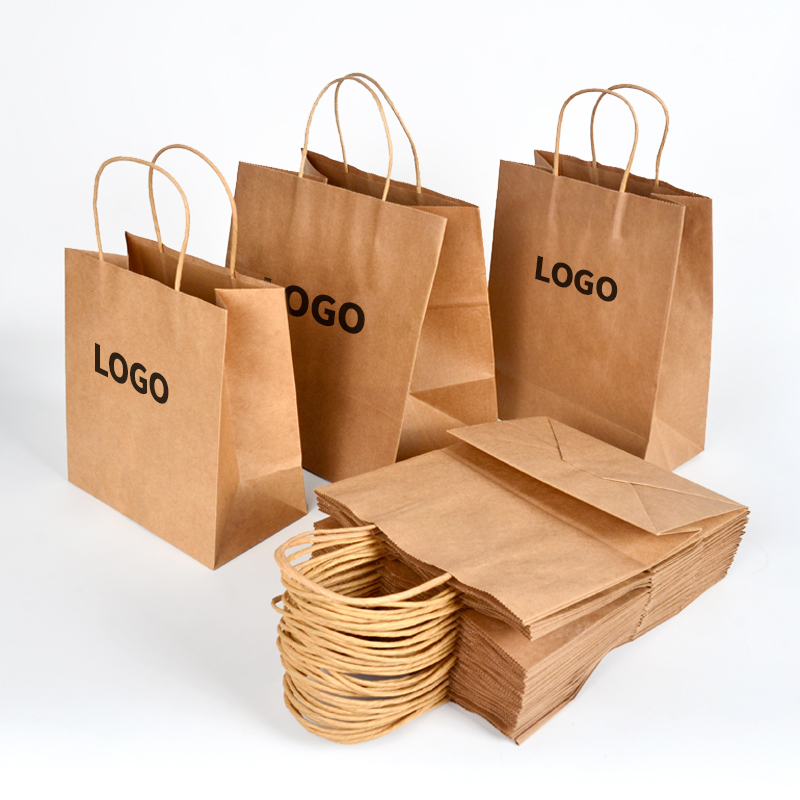
A custom printed paper bag is not simply a container used to carry a purchase. It is a visible part of the customer experience, a practical advertising surface, and a direct reflection of how a brand presents itself. When customers leave a store, restaurant, exhibition, or event with a paper bag in hand, the packaging continues communicating long after the transaction has ended.
Why should businesses invest more attention in a paper bag? Unlike short-lived digital impressions, a well-designed paper bag moves through shopping areas, offices, public transport, hotels, and social gatherings. Each movement gives the paper bag another opportunity to display the brand name, colors, message, and personality to potential customers.
A printed paper bag can also make an ordinary purchase feel more complete. The right paper, structure, handle, and finish can turn a basic handover into a polished brand moment. Whether the product is clothing, cosmetics, food, jewelry, gifts, books, or promotional merchandise, a suitable paper bag helps the product feel carefully prepared.
Consistency makes this marketing effect stronger. When every paper bag uses the same visual language as the website, store design, product box, labels, and social media, customers can identify the company more quickly. A recognizable paper bag therefore supports both immediate presentation and long-term brand recall.
The paper bag should also match the practical demands of the product. An attractive paper bag that tears, bends, or feels uncomfortable will weaken the customer’s impression. For this reason, material weight, bottom width, gusset depth, handle strength, and reinforcement must work together with the printed design.
Our custom packaging service connects branding with paper bag manufacturing requirements. We help clients select dimensions, paper, printing, handles, finishing, reinforcement, and packing methods that fit their products and business goals. The result is a paper bag designed to look distinctive, perform reliably, and promote the brand in everyday use.
Brand Recognition Through Custom Printing
Mobile Advertising in Everyday Customer Journeys
A printed paper bag acts like a mobile advertisement whenever a customer carries it outside the point of sale. The paper bag can reach pedestrians, colleagues, friends, family members, and event visitors without requiring another paid placement.
The front panel of the paper bag should communicate the brand quickly. A clear logo, strong contrast, and controlled artwork allow people to recognize the paper bag even when it is seen from a distance or for only a few seconds.
What should a passerby remember after seeing the paper bag? The answer may be the brand name, a signature color, a short slogan, or a distinctive graphic. One focused idea usually gives a paper bag greater visual impact than several competing messages.
The side gussets and back panel can extend the message without crowding the main design. A paper bag may include a website, social handle, location, product category, or brief call to action in these secondary areas.
Durability increases the advertising value of the paper bag. When the paper bag remains attractive after the first use, customers may reuse it for shopping, storage, gifting, lunch, or personal items, creating additional brand exposure.
Our team reviews the paper bag as a three-dimensional marketing object rather than a flat artwork file. This approach helps position the logo, message, and supporting details where they remain visible after the paper bag is folded, filled, and carried.
Consistent Visual Identity Across Product Lines
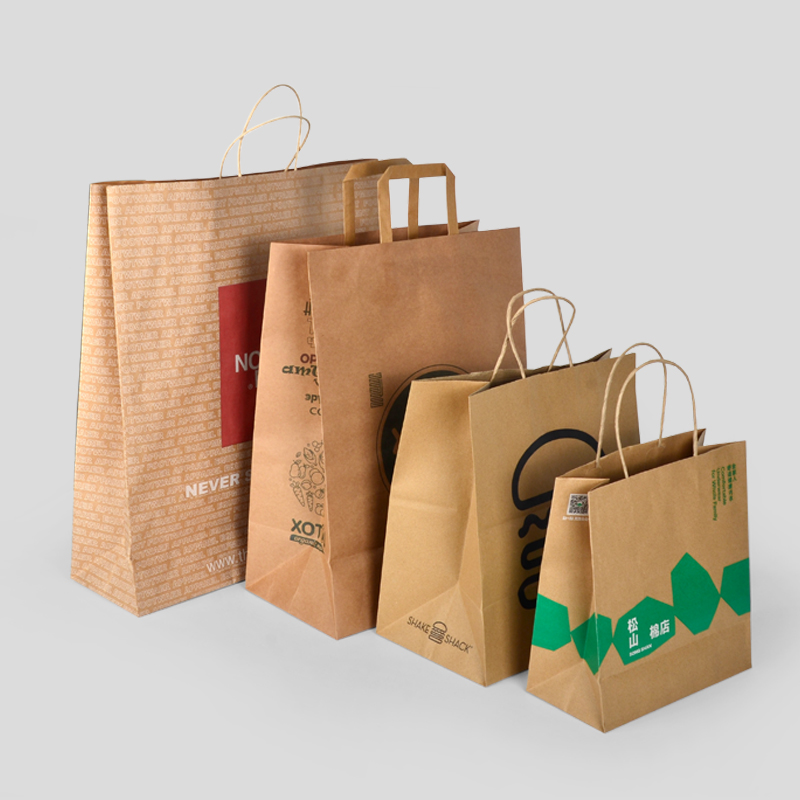
A coordinated paper bag range helps customers connect different products with the same brand. Small, medium, and large paper bag sizes can share a common color palette, logo position, handle style, and printing approach.
Consistency does not require every paper bag to look identical. A fashion paper bag, food paper bag, and gift paper bag may use different structures, yet each paper bag can preserve recognizable brand elements.
Color control is especially important when a paper bag must match boxes, tissue, labels, tags, or store interiors. The shade of the paper and the selected printing process can influence how the final paper bag color appears.
Typography should remain consistent as well. The font used on a paper bag should reflect the brand identity and remain readable across different sizes, materials, and viewing distances.
Seasonal artwork can be added without losing recognition. A campaign paper bag may introduce new illustrations or messages while retaining the primary logo, core colors, and overall layout system.
Our prepress process helps clients adapt one visual identity across a complete paper bag family. By controlling artwork zones, color references, and structural limitations, we make each paper bag feel connected to the same business.
Design Elements That Strengthen a Paper Bag
Logo Placement and Color Strategy
Logo placement determines how quickly a paper bag communicates ownership. The logo should sit in an area that stays visible when the paper bag is full and should avoid deep folds, seams, handle patches, and bottom creases.
A centered logo can give the paper bag a balanced and formal appearance. An off-center logo can make the paper bag feel modern or editorial, provided the position is intentional and consistent with the wider brand system.
Color selection should consider both the artwork and the paper itself. Brown kraft gives a paper bag a natural background, while white paper allows the paper bag to display brighter and more accurate colors.
Does the paper bag need full-surface printing to attract attention? In many cases, one or two well-chosen colors can make a paper bag more recognizable, more economical, and visually cleaner.
Contrast must remain strong enough for real environments. A paper bag may be viewed under store lighting, daylight, evening light, or through a mobile camera, so low-contrast combinations can reduce readability.
Our design support helps clients compare logo scale, print coverage, paper shade, and color reproduction before production. A physical paper bag sample can then confirm whether the design delivers the intended impact.
Typography, Messages, and Finishing Details
Typography gives a paper bag a particular voice. Bold lettering can make the paper bag energetic and easy to recognize, while refined typography can support a premium or minimalist positioning.
The amount of copy should remain controlled. A paper bag can feature a slogan, website, thank-you message, or product statement, but too much text can make the paper bag difficult to understand.
What action should the customer take after receiving the paper bag? A short prompt may encourage a store visit, social follow, QR scan, review, event registration, or repeat purchase.
Finishing details can direct attention to selected areas. Foil, embossing, debossing, spot coating, or a textured surface may make the paper bag more tactile without overwhelming the printed artwork.
The finish must suit actual handling conditions. A paper bag that will be stacked, transported, or used in busy retail settings should resist unnecessary scuffing and should remain presentable throughout the customer journey.
Our team can combine printing and finishing in a practical paper bag specification. We help clients choose details that reinforce the brand while respecting product weight, order quantity, packing needs, and budget.
Handles, Shape, and Structural Style
The silhouette of a paper bag contributes to its personality. A tall narrow paper bag can suit bottles or accessories, while a wide paper bag can accommodate clothing, boxes, food containers, or gift sets.
Handle choice changes both appearance and comfort. Twisted paper handles create a familiar paper bag style, flat paper handles support efficient service, and rope or ribbon handles can give a paper bag a premium presentation.
Handle color can match or contrast with the printed design. A carefully selected handle allows the paper bag to feel coordinated even before customers notice smaller graphic details.
The top edge also affects the style of the paper bag. A folded top can create a cleaner finish and provide reinforcement, while a simple top edge may suit a lightweight, practical paper bag.
Bottom construction and gusset depth determine how the paper bag stands and carries the product. A correctly proportioned paper bag looks more polished because it does not collapse, bulge excessively, or force the contents to tilt.
Our structural development process considers the product before finalizing the paper bag shape. By reviewing dimensions, packed weight, carrying method, and presentation goals, we create a paper bag that supports both function and style.
Paper Bag Solutions for Different Business Uses
Retail, Fashion, and Beauty Packaging
Retail packaging should make the purchase feel intentional. A custom paper bag can coordinate with clothing tags, cosmetic boxes, tissue, ribbons, and store colors to create a complete customer experience.
Fashion products often benefit from a paper bag with clean proportions and a comfortable handle. The paper bag should be large enough to protect garments without creating unnecessary empty space.
Beauty and cosmetic products may require a compact but stable paper bag. A wider bottom can help the paper bag hold boxed skincare, fragrance, makeup, or gift sets in an upright position.
Premium finishes should support the product category. A matte paper bag may create a modern appearance, while a textured paper bag, embossed logo, or subtle foil detail can add a more refined touch.
Why does size consistency matter across retail locations? When staff know which paper bag fits each product group, packing becomes faster, stock control becomes clearer, and customers receive a more consistent presentation.
Our company can develop a coordinated paper bag size range for apparel, footwear, accessories, and beauty products. Shared materials and artwork standards help every paper bag reinforce the same brand identity.
Food, Bakery, and Takeaway Packaging
A food paper bag must combine branding with reliable performance. The paper bag should suit the product’s weight, temperature, oil level, container shape, and expected carrying time.
Bakery products may need a paper bag that allows suitable airflow, while takeaway meals may require a paper bag with a wide base that keeps containers stable. The correct paper bag structure depends on the complete packed order.
Grease and moisture can affect both strength and appearance. A food paper bag may need an appropriate barrier, liner, or material treatment to help the paper bag remain clean during use.
Branding should stay clear even when the paper bag is filled. Important artwork should not disappear into gussets, fold under the base, or become blocked by the customer’s hand.
A printed paper bag can also provide useful information. The paper bag may include a website, order channel, reheating guidance, storage message, or disposal instruction when that information is relevant and accurate.
Our team can build a food paper bag specification from actual product and service conditions. By considering containers, packed weight, handling speed, and carrying distance, we help the paper bag support daily operations as well as marketing.
Gift, Event, and Promotional Packaging
A gift paper bag often becomes part of the presentation rather than only a carrier. The paper bag should create anticipation, protect the gift, and support the visual theme of the occasion.
Event organizers can use a paper bag for welcome kits, samples, brochures, merchandise, or sponsor materials. A coordinated paper bag helps all items feel like one complete package.
Promotional artwork should remain connected to the main brand. A campaign paper bag can display a launch message, event date, limited design, or QR code while still preserving recognizable brand elements.
Ribbon handles, tags, tissue, and specialty paper can make a paper bag feel more celebratory. These details should be selected carefully so the paper bag remains convenient to pack and carry.
Could one standard paper bag support several occasions? Interchangeable stickers, tags, ribbons, or inserts can update the paper bag for seasonal campaigns without changing the entire printed specification.
Our custom service can coordinate the paper bag with tissue, tags, inserts, and product boxes. This gives gift and event buyers a consistent packaging system rather than a collection of unrelated components.
Material and Production Choices for Better Results
Paper Types, Weights, and Surface Options
Material selection influences the strength, appearance, print result, and cost of a paper bag. Kraft paper can create a practical natural paper bag, while coated or specialty paper can produce a smoother and more structured paper bag.
The paper weight should reflect the actual packed load. A lightweight product may need a simple paper bag, but a heavier box or multiple products may require a stronger paper bag with added reinforcement.
Surface texture changes how customers perceive the packaging. A smooth paper bag can display fine graphics clearly, while a textured paper bag can create tactile interest and a handcrafted or premium feeling.
Paper shade also affects printing. Colors printed on a brown paper bag will appear different from the same colors printed on a white paper bag, so artwork should be adjusted for the selected material.
Responsible material choices should be communicated accurately. A paper bag may use recycled content, responsibly sourced fiber, reduced ink coverage, or a simplified structure, but any claim printed on the paper bag should match the final specification.
Our material guidance compares performance, visual goals, printing compatibility, and price. This helps clients select a paper bag material that supports the brand without using unnecessary weight or decoration.
Handle Strength, Reinforcement, and Load Performance
A paper bag must carry the product safely from packing to final destination. Handle attachment, paper strength, base construction, and reinforcement all influence whether the paper bag performs reliably.
Twisted handles can suit many retail uses, while flat handles can support fast-service paper bag applications. Rope and ribbon handles may provide a premium feel, but the paper bag still needs correct handle patches and top reinforcement.
The base should match the product footprint. A narrow base can make a paper bag unstable, while an oversized base can make the product move and reduce the polished appearance of the paper bag.
Sharp corners and rigid boxes create concentrated stress. A paper bag carrying these products may need stronger stock, a bottom card, or a different dimension to prevent tearing and distortion.
Load testing should copy real use rather than relying only on estimated weight. Filling the paper bag with actual products and carrying it for a realistic distance reveals how the paper bag behaves.
Our sampling process allows clients to evaluate handle comfort, bottom strength, balance, and shape retention. This practical review helps ensure the final paper bag supports both customer satisfaction and brand presentation.
Printing, Sampling, and Quality Control
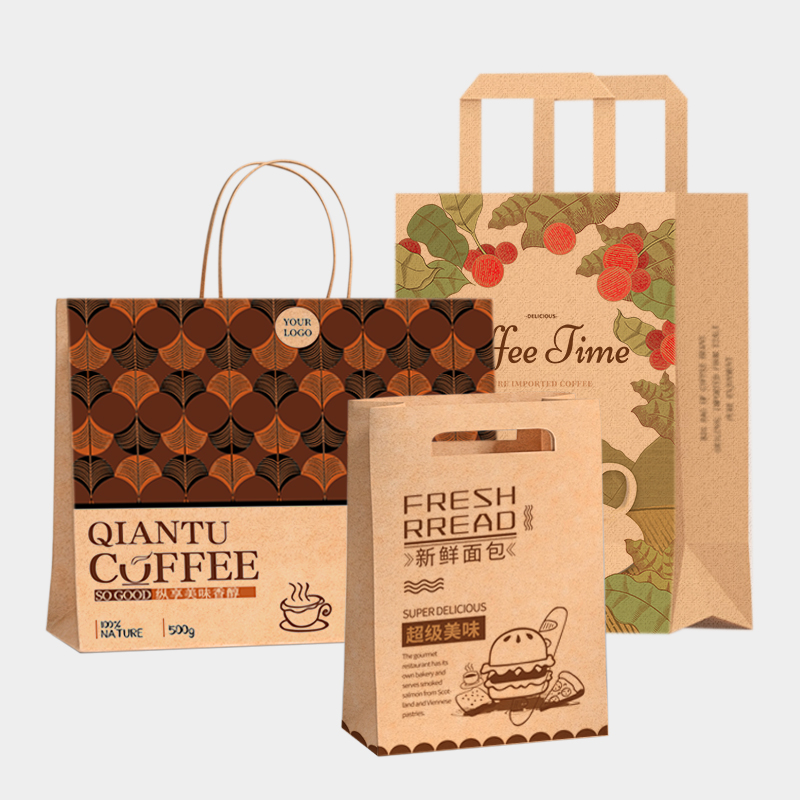
The printing method should match the paper bag artwork, quantity, color requirements, and finish. Simple designs may use limited-color printing, while detailed paper bag graphics may need a process that supports finer reproduction.
Artwork files should include correct dimensions, bleed, safe zones, fonts, linked images, and color references. The paper bag template must also show seams, folds, gussets, handle areas, and the bottom.
A physical sample provides a more reliable decision than a screen preview. The paper bag sample shows how color, paper texture, handle style, finishing, and structure work together.
What should be checked before approval? The paper bag should be reviewed for dimensions, logo position, print clarity, color, handle comfort, reinforcement, opening, standing stability, and product fit.
Quality control should compare production with the approved paper bag sample. Inspection may cover folding, gluing, print registration, surface cleanliness, handle attachment, quantity, carton packing, and paper bag consistency.
Our production workflow connects prepress review, paper bag sampling, manufacturing, inspection, and packing. This integrated process gives clients clearer control from initial artwork to finished delivery.
Marketing Strategies Built Around a Paper Bag
Social Sharing, QR Codes, and Campaign Engagement
A visually appealing paper bag can appear naturally in customer photos and videos. When the paper bag has a clear logo, balanced design, and coordinated tissue, customers may include it in unboxing or lifestyle content.
A social handle can be printed discreetly on the paper bag. The placement should remain easy to find without making the paper bag look like a crowded advertisement.
QR codes can connect the paper bag to a product page, loyalty program, event registration, styling guide, menu, or promotional offer. The destination should provide real value so customers have a reason to scan the paper bag.
The QR code must be tested on the completed paper bag. Curved surfaces, reflective finishes, low contrast, and folds can make a paper bag code difficult to scan.
Campaign messages should be concise. A paper bag may promote a launch, collaboration, holiday collection, or store opening, but the main brand should remain visible after the campaign message is added.
Our team can help place promotional elements within the paper bag artwork while protecting readability and visual hierarchy. This allows the paper bag to support engagement without losing its premium appearance.
Repeat Use, Loyalty, and Brand Recall
A durable paper bag can continue working after the first purchase. Customers may reuse the paper bag for shopping, storage, gifting, travel organization, or carrying personal items.
Every reuse reinforces brand recall. When the paper bag remains attractive and functional, it can create repeated visibility without requiring another packaging purchase for the same customer.
The design should therefore avoid unnecessary short-term wording. An evergreen paper bag can support daily sales, while removable tags or stickers can carry temporary campaign information.
A loyalty message can be placed inside or on the back of the paper bag. This area may encourage customers to return, register, scan a code, or share their experience.
Comfort influences reuse. A paper bag with balanced dimensions, strong handles, and a practical opening is more likely to be kept than a paper bag that is awkward or fragile.
Our paper bag development process considers customer reuse as part of the design brief. By balancing appearance and performance, we help brands create packaging that customers are more willing to carry again.
Ordering, Storage, and Campaign Cost Control
A successful paper bag project requires more than attractive artwork. Order quantity, storage space, consumption rate, delivery schedule, and campaign duration should all be reviewed before production.
Larger quantities may reduce the unit cost of a paper bag, but excess stock can become waste when branding or product sizes change. The best paper bag order quantity should reflect realistic usage.
A coordinated size range can simplify purchasing. Instead of ordering many similar formats, a business can select several paper bag sizes that cover the majority of products.
Flat-packed dimensions and carton quantities affect warehouse efficiency. A paper bag should arrive in cartons that are easy to count, store, move, and distribute to different retail or event locations.
Campaign timing must include artwork approval, paper bag sampling, production, inspection, packing, and shipping. Starting early protects the launch date and allows quality issues to be corrected before the paper bag is needed.
Our project team helps clients organize paper bag specifications, quantities, production timing, and packing requirements in one workflow. This supports better cost control while protecting the final brand presentation.
Our Custom Paper Bag Service
Integrated Design and Manufacturing Support
Our service begins with the product, customer journey, and marketing objective. We use this information to recommend a paper bag size, material, handle, reinforcement, print process, and finish.
Clients can provide artwork, brand guidelines, product dimensions, or physical samples. Our team then adapts these inputs to a production-ready paper bag structure with suitable safe zones and print positions.
We help compare options instead of adding decoration without purpose. Every paper bag detail should contribute to brand recognition, customer comfort, product protection, or operational efficiency.
A physical paper bag sample allows the client to review both appearance and function. This includes color, logo scale, product fit, handle comfort, opening, balance, and overall paper bag quality.
Once approved, the paper bag specification becomes the benchmark for production. Clear records support consistency across repeat orders and different paper bag sizes.
By managing design preparation and manufacturing together, we reduce the gap between creative intention and production reality. The result is a paper bag that works as a carrier, a brand asset, and a customer touchpoint.
Reliable Coordination from Concept to Delivery
Clear communication is essential during a custom paper bag project. We confirm dimensions, materials, colors, handles, finishing, quantity, packing, and delivery requirements before production begins.
Prepress checks help prevent avoidable artwork problems. The paper bag layout is reviewed for bleed, safe zones, folds, seams, gussets, handle areas, and print clarity.
Production quality is monitored against the approved paper bag sample. This gives the client a clear reference for dimensions, color, structure, handle attachment, and surface appearance.
Packing is planned to protect the paper bag during transport. Correct stacking, carton strength, moisture protection, and labeling help the paper bag arrive in suitable condition for storage and use.
Repeat orders can use retained specifications and approved artwork references. This makes it easier to reproduce the same paper bag or introduce controlled updates for a new campaign.
Our goal is to help every client turn a practical paper bag requirement into consistent branded packaging. From first concept to final shipment, we focus on a paper bag solution that supports the company’s products and commercial goals.
FAQ
Selection of the Right Paper Bag Size
The correct paper bag size begins with the fully packed product dimensions. Boxes, tissue, inserts, protective wrapping, and product orientation should all be included when measuring for a paper bag.
The paper bag should provide enough room for efficient loading without creating excessive empty space. A well-fitted paper bag protects the product and looks more intentional.
Bottom width and gusset depth are especially important. A paper bag with an unsuitable base may tilt food containers, compress clothing, or fail to accommodate a gift box.
Handle length should match the size and expected carrying method. A large paper bag may need a comfortable handle drop, while a compact paper bag should not use handles that feel oversized.
Testing with the real product is the most reliable approach. The paper bag should stand properly, close or fold as intended, and remain balanced when carried.
Our team can recommend a practical paper bag size family that covers different products while reducing unnecessary formats and inventory.
Preparation of Artwork for Custom Printing
Artwork for a paper bag should normally be supplied in a high-quality editable format with outlined fonts, linked images, bleed, and accurate color references.
The paper bag template should be used when positioning logos, text, patterns, and QR codes. Folds, gussets, seams, handles, and bottom areas can change how the paper bag artwork appears.
Important information should stay inside safe zones. A logo placed too close to an edge may look misaligned after the paper bag is folded and assembled.
Colors should be selected with the paper material in mind. The same design can look different on a brown paper bag, white paper bag, coated paper bag, or textured paper bag.
A proof or physical sample should be reviewed before mass production. This step confirms whether the paper bag color, scale, and finishing match the intended brand presentation.
Our prepress team can inspect the files and adapt the artwork to the approved paper bag structure before manufacturing begins.
Material Choices for Responsible Packaging
A responsibly designed paper bag may use kraft paper, recycled-content paper, responsibly sourced fiber, paper-based handles, reduced print coverage, or a simplified material structure.
The best material depends on the product and load. A lightweight paper bag may suit small accessories, while a stronger paper bag may be necessary for boxes, food containers, or multiple products.
Environmental claims should be specific and supported. Any message printed on the paper bag should reflect the actual paper, handle, coating, reinforcement, and finishing used.
Right-sizing is also important. A correctly sized paper bag can reduce unnecessary material, improve packing efficiency, and present the product more professionally.
Durability should not be ignored. A paper bag that fails may require replacement or double-bagging, which can undermine the original packaging objective.
Our team can compare paper bag material options according to appearance, performance, printing needs, budget, and the client’s packaging priorities.
Order Quantity, Sampling, and Delivery Planning
A custom paper bag order should be based on expected usage, storage capacity, campaign duration, product mix, and the possibility of future artwork changes.
Sampling is recommended before mass production. A sample allows the client to check the paper bag dimensions, paper feel, printing, handles, reinforcement, and product fit.
The delivery schedule should include time for artwork review, sample approval, paper bag production, quality inspection, packing, and transportation.
Carton quantities should fit warehouse and store operations. Clear labels make it easier to identify each paper bag size, artwork version, and order batch.
Repeat paper bag orders are simpler when approved specifications and color references are maintained. These records help preserve consistency across production runs.
Our project team coordinates the complete paper bag process so clients can plan quantities, approvals, and delivery with greater confidence.
Table of Contents
- A Stronger Brand Begins with Better Packaging
- Brand Recognition Through Custom Printing
- Design Elements That Strengthen a Paper Bag
- Paper Bag Solutions for Different Business Uses
- Material and Production Choices for Better Results
- Marketing Strategies Built Around a Paper Bag
- Our Custom Paper Bag Service
- FAQ