 EN
EN

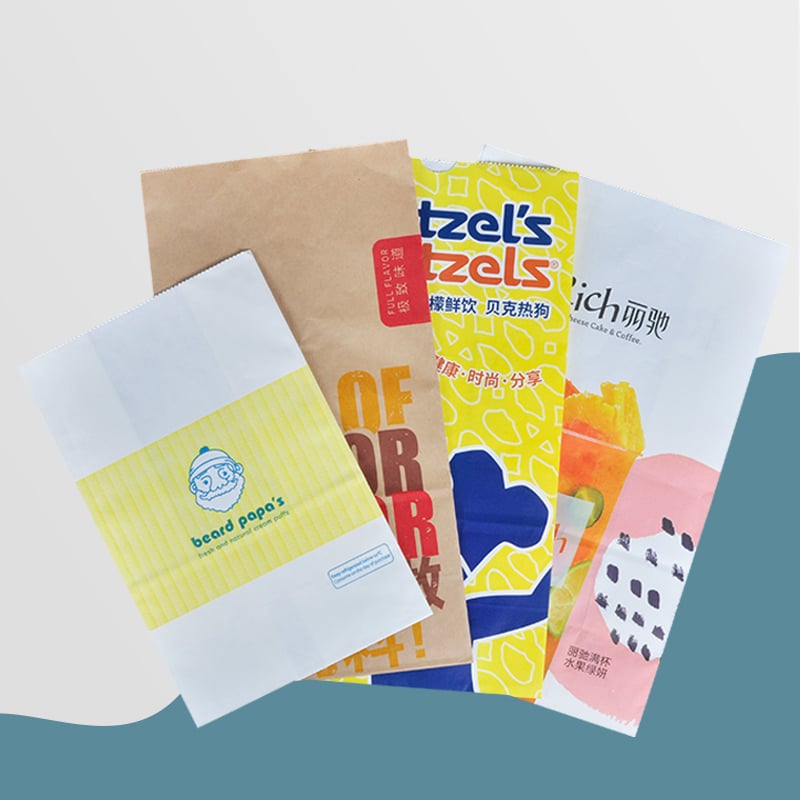
Eco-Friendly Packaging as a Brand-Building Asset
An eco-friendly paper bag is more than a practical carrier. It is a moving brand surface that can introduce your logo, communicate your values, and keep your business visible after a customer leaves the store. When a paper bag is designed with a clear purpose, it can support retail sales, event promotion, takeaway service, gifting, and customer loyalty at the same time.
Why should a business treat a paper bag as part of its marketing plan? Customers often carry a paper bag through shopping streets, offices, public transport, hotels, and social gatherings. Every paper bag journey creates another opportunity for people to notice the brand. Unlike a disposable advertisement that appears for a few seconds, a durable paper bag may remain useful for days or even weeks. This repeated paper bag exposure can strengthen recognition without buying another media placement.
The environmental message of the paper bag also matters. A carefully specified paper bag can help a company reduce unnecessary plastic use, choose responsibly sourced or recycled paper, avoid excessive material, and provide clear disposal guidance. The paper bag should not make vague environmental promises. It should express practical choices that customers can understand and trust.
Brand consistency turns the paper bag into a recognizable marketing asset. The color, typography, logo position, handle style, and finish should connect with the website, store design, product packaging, uniforms, and printed materials. When every paper bag follows the same identity system, customers can recognize the business more quickly.
A custom paper bag also creates space for useful messages. A company can print a website, social account, campaign slogan, QR code, care instruction, thank-you note, or loyalty reminder on the paper bag. What action should the customer take next? The design of the paper bag should answer that question without becoming crowded.
Our custom paper bag manufacturing service helps brands connect marketing goals with material selection, structure, printing, finishing, sampling, and quality control. Instead of treating the paper bag as an isolated purchase, we help clients develop a coordinated packaging tool that fits the product, customer experience, and daily business operation.
Building Strong Brand Recognition with a Paper Bag
Designing a Memorable Brand Surface
The main panels of a paper bag provide valuable space for brand recognition. A clear logo, a focused color palette, and a readable message usually perform better than a paper bag filled with too many unrelated graphics. What should a person remember after seeing the paper bag for only a few seconds? That central idea should guide the layout.
Logo scale should match the size of the paper bag. A small mark may disappear on a large paper bag, while an oversized logo may overwhelm a compact format. The paper bag artwork should also account for side gussets, bottom folds, top folds, handle patches, and seams so the paper bag looks balanced after assembly.
Paper bag color can make the paper bag easier to identify from a distance. A brand may use one signature color, a natural kraft background, or a simple contrast between ink and paper. The chosen color should remain consistent across different paper bag sizes, because consistency helps customers connect each format to the same company.
Typography must remain readable while the paper bag is being carried. Fine text near a fold may become distorted, and low-contrast text may disappear under indoor lighting. A paper bag should communicate the most important information quickly, especially when it is seen in motion.
The reverse panel of the paper bag can support a secondary message. It may feature a short brand story, a website, a social handle, or a practical call to action. Could the paper bag encourage a repeat visit, a review, or a product-care check? One clear prompt is usually more effective than several competing instructions.
Our design and prepress process reviews the paper bag as a finished three-dimensional product rather than a flat template. This helps protect logo position, safe zones, color consistency, and message clarity before the paper bag moves into production.
Choosing Materials That Support the Brand Message
Material affects how a paper bag looks, feels, and communicates. Brown kraft can create a natural and straightforward paper bag, while white kraft can support brighter colors and cleaner contrast. Coated paper can give a paper bag a refined retail appearance, and textured stock can add a tactile premium detail.
An eco-friendly paper bag should be selected according to actual use. A light product may not need extremely thick paper, while a heavier product may require stronger stock, a bottom card, a folded top, or reinforced handle areas. Using the right amount of material helps the paper bag perform well without unnecessary excess.
Recycled content can support a responsible packaging message, but the paper bag still needs suitable strength, print quality, and surface consistency. The percentage and source of recycled fiber should be discussed clearly with the manufacturer, especially when the paper bag will carry food, cosmetics, apparel, or boxed gifts.
Handle choice also affects the message of the paper bag. Twisted paper handles can create a familiar natural look, flat paper handles can support efficient takeaway service, and rope or ribbon handles can give a paper bag a more premium character. The handle should fit the brand and the expected load.
Paper bag coatings and decorative finishes require careful planning. Does the paper bag need lamination, or could uncoated paper, a water-based coating, embossing, or limited foil achieve the desired result? A simpler paper bag structure may be easier to communicate and may better support the company’s environmental goals.
Our paper bag team compares paper, handles, reinforcement, printing, and finishing as one system. This allows each paper bag to support the desired brand position while remaining suitable for production, storage, packing, carrying, and end-of-use handling.
Turning Every Paper Bag into a Marketing Channel
Creating Visibility Beyond the Point of Sale
A paper bag continues marketing after the transaction is complete. As customers carry the paper bag through public spaces, the logo reaches people who may never have visited the store or website. This makes the paper bag a practical form of local brand exposure.
The visibility of a paper bag depends on simplicity. A large, readable brand mark can be recognized quickly, while detailed copy may be difficult to absorb at a distance. What would a passerby understand from the paper bag in three seconds? The answer should shape the front-panel design.
A paper bag can also support events, trade shows, pop-up stores, product launches, and community activities. When attendees carry the same paper bag, the repeated visual presence can make the brand feel established and coordinated. The paper bag becomes part of the environment rather than a separate advertisement.
Location details can be useful when physical traffic matters. A paper bag may include a district name, a simple address, or a short direction to the website. However, the paper bag should avoid overcrowding, because too much information can weaken the brand signal.
Durability increases the marketing life of the paper bag. If the paper bag remains attractive after the first use, customers may reuse it for storage, gifting, lunch, shopping, or carrying personal items. Every additional use extends the value of the original print investment.
Our custom paper bag service considers how the bag will be seen while standing, filled, folded, and carried. By testing proportions and print placement on a physical paper bag sample, we help clients create stronger visibility in real customer settings.
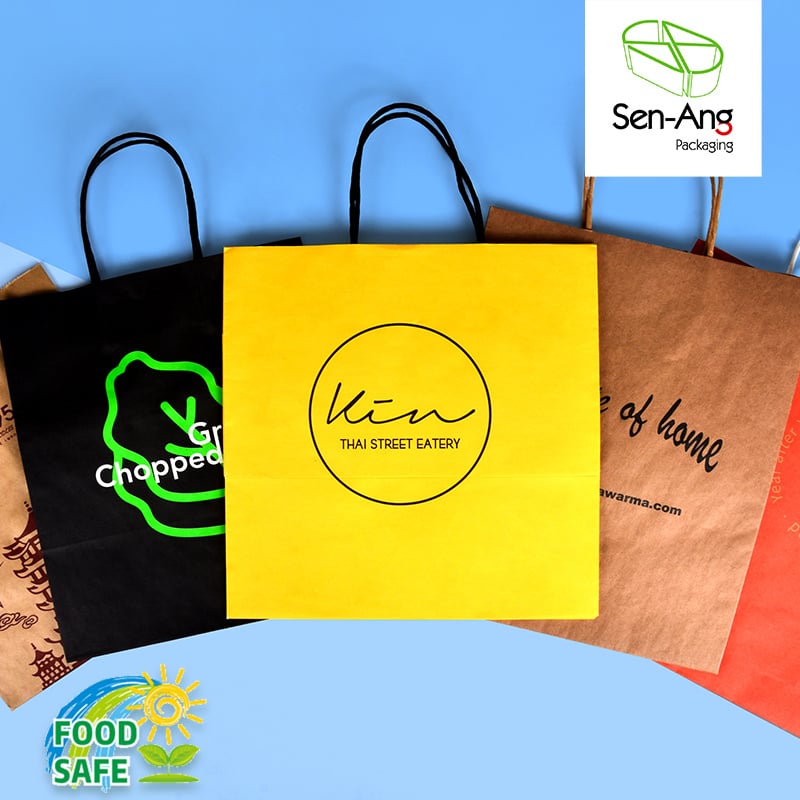
Encouraging Social Sharing and Repeat Exposure
A photogenic paper bag can become part of customer-generated content. Clean artwork, distinctive colors, a thoughtful message, and coordinated tissue can make the paper bag suitable for unboxing photos or short videos. What would encourage a customer to include the paper bag in a post instead of removing it from the frame?
A social handle or campaign tag can be printed discreetly on the paper bag. The message should be easy to remember and easy to type. A paper bag may also include a QR code that leads to a product page, styling guide, recipe, event page, or loyalty registration.
The QR code must be tested on the actual paper bag. Curved panels, deep folds, reflective finishes, or low contrast can reduce scanning performance. Placing the code on a flat area of the paper bag and surrounding it with sufficient clear space improves usability.
A reusable paper bag can generate repeat exposure in everyday life. Customers may carry the paper bag to work, return it to the store, or use it to package a gift. The paper bag should therefore remain visually appealing beyond the first purchase and avoid messages that become irrelevant too quickly.
Limited-edition artwork can encourage customers to notice or collect a paper bag, but the design should still connect clearly to the core brand. Seasonal graphics, artist-led patterns, or event details can refresh the paper bag without removing recognizable brand elements.
Our production team can help clients develop a standard paper bag and selected campaign variations. Shared dimensions, paper, and handles can simplify ordering, while adjusted printing allows each paper bag to support a specific promotion or seasonal message.
Strengthening Customer Trust with Eco-Friendly Choices
Communicating Environmental Value Clearly
An eco-friendly paper bag should communicate facts rather than broad claims. Customers may want to know whether the paper bag uses recycled fiber, responsibly sourced paper, paper-based handles, reduced ink coverage, or a design intended for reuse. Clear language makes the message more credible.
The environmental statement should match the actual paper bag specification. If a coating, window, ribbon, or reinforcement changes disposal instructions, the brand should explain this accurately. A paper bag should never rely on a green color or leaf symbol as the only evidence of responsible design.
Short paper bag copy often works best. A simple line about material choice or disposal can be printed on the side or bottom of the paper bag. Could the customer understand what to do with the paper bag without reading a long paragraph? Practical guidance creates more value than vague wording.
Certifications or sourcing information may be included when they are verified and relevant. The artwork on the paper bag should use correct marks, approved wording, and suitable placement. The company should keep documentation that supports any claim made on the paper bag.
Paper bag transparency also means acknowledging function. A paper bag must protect the product and reach the customer in good condition. If weak packaging causes damage or requires double-bagging, the environmental benefit of the paper bag may be reduced.
Our team helps clients translate verified material and production choices into concise packaging messages. By aligning copy with the final paper bag construction, we help the brand communicate responsibly and avoid confusing customers.
Balancing Sustainability with Everyday Performance
A sustainable paper bag must still perform during packing, carrying, storage, and transport. The correct paper weight depends on product dimensions, total load, shape, and customer journey. A paper bag for a light scarf has different requirements from a paper bag for glass jars or several takeaway boxes.
Paper bag right-sizing reduces waste and improves presentation. An oversized paper bag uses more material, takes up more storage space, and may allow the product to move excessively. A correctly sized paper bag looks intentional and can improve carrying balance.
Handle strength is part of sustainability because failure leads to replacement and waste. The paper bag should use a handle type, attachment method, and reinforcement level suited to the load. Testing the paper bag with actual products reveals weaknesses that a specification sheet may not show.
Print coverage also affects material use and appearance. A simple one- or two-color paper bag can create strong recognition while using less ink than a fully covered design. Does every part of the paper bag need printing, or could the paper itself become part of the visual identity?
Paper bag packing efficiency matters as well. A paper bag that opens easily, stands upright, and fits the product can reduce staff time and prevent accidental damage. Flat-packed dimensions and carton quantities should also suit the client’s storage and distribution system.
Our development process balances environmental goals with practical performance. We test the paper bag structure, review material options, and recommend reinforcement only where it serves a clear purpose, helping clients avoid both under-specification and unnecessary excess.
Planning a Custom Paper Bag Marketing Campaign
Matching Paper Bag Styles to Products and Audiences
The best paper bag starts with the product. Food, apparel, cosmetics, jewelry, books, gifts, and promotional kits each create different requirements. A paper bag should fit the packed dimensions, protect the item, and feel appropriate for the customer’s expectations.
Audience profile also influences the paper bag. A natural kraft paper bag may suit an artisan or organic position, while a rigid paper bag with rope handles may better support a premium retail experience. The paper bag should reflect the brand promise without pretending to be something the company is not.
The buying occasion matters. A paper bag used for daily takeaway service needs speed and efficiency, while a paper bag used for gifting may need tissue, ribbon, a tag, or a more structured shape. Choosing one paper bag for every occasion can create poor fit and unnecessary cost.
A size family can improve consistency. Small, medium, and large paper bag formats may share the same paper, ink, logo position, and handle style. Customers then see a unified identity even when the paper bag changes to fit different products.
The customer journey should be mapped before production. Will the paper bag be carried for ten minutes or several hours? Will it face rain, heat, crowded transport, or repeated use? These questions help determine the paper bag structure and finish.
Our custom manufacturing service can develop paper bag sizes from product samples or exact dimensions. We help clients compare layouts, load needs, and packing methods so each paper bag has a clear business purpose.
Integrating Promotions and Seasonal Campaigns
A paper bag can support promotions without becoming temporary waste. One approach is to keep the main paper bag design evergreen and add campaign details through a printed tag, sticker, tissue sheet, or removable insert. The paper bag remains useful even after the promotion ends.
For larger campaigns, the paper bag itself can feature seasonal artwork, event dates, or a launch message. The design should maintain the core logo and colors so the paper bag remains recognizable. How much of the paper bag should change, and which elements should stay constant?
A QR code can connect the paper bag to changing digital content. The destination page can be updated with offers, product information, videos, loyalty rewards, or event registration. This gives the paper bag a longer marketing role without requiring excessive printed copy.
Retail teams should understand the purpose of each paper bag variation. Clear carton labels, internal item codes, and simple packing instructions help staff choose the correct paper bag for the correct campaign. Operational clarity protects the customer experience.
Production timing should account for artwork approval, sampling, manufacturing, packing, and shipping. A campaign paper bag loses value if it arrives after the event. Planning backward from the launch date gives the paper bag project enough room for quality checks.
Our team coordinates artwork, sample approval, production scheduling, and packing requirements within one workflow. This helps each campaign paper bag arrive with the intended color, message, structure, and quantity.

Measuring Results and Improving Future Orders
A paper bag campaign should have a clear objective. The goal may be brand visibility, store visits, QR scans, social posts, loyalty sign-ups, event awareness, or repeat use. Without a defined objective, it is difficult to judge whether the paper bag supported the marketing plan.
Trackable elements can make the paper bag easier to evaluate. A unique QR code, landing page, promotional code, or campaign tag can connect customer activity to the paper bag. The tracking method should be simple and should not interfere with the design.
Staff feedback provides practical data. Did the paper bag open easily, fit the products, and remain stable during packing? Did customers request a different paper bag size or comment on the handles? These observations can improve the next order.
Customer feedback can reveal how the paper bag is perceived. A brief survey may ask about appearance, reuse, convenience, or environmental information. The business should focus on a few useful questions rather than turning the paper bag into a complex research project.
Order records also show which paper bag sizes are used most often. Comparing consumption, product mix, damage, and remaining stock can help the company adjust quantities and reduce obsolete inventory.
Our service supports repeat paper bag orders with retained specifications, approved artwork references, and quality benchmarks. This makes it easier to refine the paper bag while protecting the visual consistency customers already recognize.
Working with a Custom Paper Bag Manufacturer
Building a Practical Paper Bag Specification
A clear specification reduces production risk. The paper bag brief should include finished width, height, gusset, paper type, paper weight, handle style, handle length, print colors, finish, reinforcement, quantity, packing method, and delivery requirements.
Paper bag product information is equally important. The manufacturer should know what the paper bag will carry, the total packed weight, whether the item has sharp corners, and how long customers are expected to carry it. These details guide paper bag strength and structure.
Artwork files should be prepared in the requested format with correct fonts, linked images, color references, bleed, and safe zones. The paper bag template should show folds, seams, handles, and areas that may change after assembly.
A physical sample allows the client to review proportions and function. The paper bag should be filled with the actual product and carried in realistic conditions. Could the paper bag withstand the expected load and still present the brand well?
Quantity planning should consider usage rate, storage, campaign duration, and possible artwork changes. A low unit price does not create value if too many paper bag units remain unused or become outdated.
Our project team turns the client’s product, branding, and operational requirements into a production-ready paper bag specification. This creates a clearer basis for quotation, sampling, approval, manufacturing, and inspection.
Managing Printing, Sampling, and Quality Control
Printing should be evaluated on the selected paper, because color can change across kraft, white, coated, recycled, or textured material. A paper bag sample helps the client judge contrast, ink absorption, fine details, and overall appearance.
The sample should also confirm finishing. Foil, embossing, spot coating, lamination, or special handles can look different on a finished paper bag than on a digital rendering. Reviewing the complete paper bag reduces surprises.
Paper bag quality control should compare production with the approved sample. Checks may include paper bag dimensions, print registration, color tolerance, folding, gluing, handle attachment, reinforcement, surface cleanliness, and carton quantity.
Load testing should reflect actual use. A paper bag may need to hold more than the average packed weight because customers add items or carry the paper bag unevenly. A reasonable test standard supports reliability.
Paper bag packing protects the paper bag before it reaches the store or warehouse. Correct stacking, carton strength, moisture protection, and labeling reduce crushing, scuffing, and confusion during distribution.
Our manufacturing workflow connects prepress review, paper bag sampling, material approval, production monitoring, inspection, and export packing. This end-to-end control helps clients receive a paper bag that supports both marketing and daily operation.
FAQ
Effective Brand Elements for a Paper Bag
The most effective paper bag elements are a recognizable logo, a consistent color system, readable typography, and one clear message. These components help the paper bag communicate quickly in stores and public spaces.
A website, social handle, QR code, or short call to action can extend the role of the paper bag. The selected action should match the campaign goal and remain easy for the customer to follow.
Print placement is important because folds and handles change the visible area. The paper bag should keep essential artwork away from seams, deep gussets, and bottom folds.
Material and handle style also contribute to brand recognition. A kraft paper bag, a white paper bag, and a premium rigid paper bag create different impressions even when they carry the same logo.
Consistency across sizes makes every paper bag feel connected. A coordinated paper bag family can serve multiple products while maintaining the same identity.
Our team can review artwork, dimensions, paper, handles, and finishing together so the final paper bag communicates clearly and performs reliably.
Eco-Friendly Material Options for a Paper Bag
Common options include kraft paper, recycled-content paper, responsibly sourced paper, and paper-based handles. The best paper bag material depends on product weight, printing needs, surface appearance, and intended use.
Brown kraft can give the paper bag a natural look, while white kraft can provide stronger color contrast. Recycled paper can support environmental goals when its strength and print behavior suit the paper bag application.
The paper bag should avoid unnecessary complexity. Excessive coating, mixed materials, or decorative parts can make the paper bag harder to explain and handle at the end of use.
A lighter paper bag may be appropriate for lightweight products, but strength should never be reduced below practical requirements. Product damage or double-bagging can create more waste.
Verified claims and accurate disposal guidance are essential. The wording on the paper bag should reflect its real composition and the relevant local system.
Our material selection process compares performance, appearance, print quality, and environmental priorities to create a suitable paper bag specification.
Suitable Paper Bag Sizes for Marketing
The right paper bag size is based on the packed product rather than the product alone. Boxes, tissue, inserts, and protective wrapping all affect the required paper bag dimensions.
A small paper bag can suit jewelry, cosmetics, cards, or accessories. A medium paper bag may fit apparel, books, food boxes, or gift sets, while a large paper bag may be required for outerwear or multiple products.
The gusset and bottom width should support stable loading. A narrow paper bag may force containers to tilt, and an oversized paper bag may look poorly planned.
Handle length should also match the paper bag size and carrying method. A large paper bag with short handles may be uncomfortable, while overly long handles can make the paper bag swing.
Testing with the real product is the most reliable method. The paper bag should open easily, stand correctly, and feel balanced when carried.
Our team can recommend a paper bag size family that covers the client’s product range without creating unnecessary formats or inventory.
Custom Paper Bag Order Planning
A custom paper bag order begins with product dimensions, expected load, material preference, artwork, quantity, and required delivery date. Clear information allows the manufacturer to recommend the correct paper bag structure.
Sampling should be included before mass production, especially when the paper bag uses special colors, handles, reinforcement, or finishing. The sample provides a reference for approval and quality control.
Order quantity should reflect consumption rate, storage space, campaign timing, and the risk of artwork changes. Buying too many paper bag units can create obsolete stock.
Production planning should include time for artwork review, sample approval, manufacturing, inspection, packing, and shipping. A paper bag campaign needs a realistic schedule to support the launch date.
Repeat orders are easier when the approved paper bag specification and artwork are controlled carefully. Consistent records help protect color, dimensions, and construction.
Our custom paper bag service supports each stage from initial concept to final delivery, helping brands use every paper bag as a practical, visible, and responsible marketing tool.