 EN
EN


A Practical Packaging Match for Every Product
Choosing the right paper bag begins with the product, not with a decorative finish or a standard catalog size. A paper bag must protect what is inside, feel comfortable during carrying, present the brand clearly, and perform reliably from packing to final delivery. Food, fashion, and gift products create very different demands, so a paper bag that succeeds in one setting may be unsuitable in another.
For food packaging, the paper bag may need grease resistance, moisture control, ventilation, food-contact suitability, or a wide base that keeps containers upright. For fashion retail, the paper bag often needs stronger paper, reinforced handles, clean printing, and an attractive surface that reflects the value of apparel, footwear, or accessories. For gifts, the paper bag should create anticipation through elegant proportions, decorative paper, ribbon handles, special finishing, or coordinated tissue and tags.
Size is one of the most important paper bag decisions. A paper bag that is too small can crush a box, crease a garment, or force food containers to tilt, while an oversized paper bag can make the purchase look poorly planned and use more material than necessary. Correct width, height, gusset depth, bottom area, and handle length help the paper bag look balanced and work efficiently.
Material also changes how a paper bag feels and performs. Kraft paper can create a natural and practical paper bag, white paper can provide a clean base for accurate printing, and thicker specialty stock can produce a rigid premium paper bag. The material must also support the selected ink, coating, lamination, embossing, foil, handle attachment, and load requirement.
Branding turns a paper bag into more than a carrier. A custom paper bag can display a logo, slogan, website, social details, care instructions, seasonal artwork, or a simple thank-you message. When the design is planned around folds, gussets, handles, and opening areas, the paper bag becomes a clear and useful extension of the brand.
A reliable paper bag manufacturer should connect material selection, structural development, printing, sampling, production, and quality inspection. Our custom packaging service is designed around this complete process, helping food businesses, fashion retailers, gift brands, and event buyers develop a paper bag that fits the product and the company’s commercial goals.
Paper Bag Applications for Food Packaging
Material Protection and Food Performance
A food paper bag should be selected according to whether the product is dry, oily, warm, chilled, wrapped, boxed, or placed in direct contact with the packaging. A plain kraft paper bag may suit bread or packaged snacks, while a grease-resistant paper bag may be better for pastries, fried food, or products that release oil during carrying.
Moisture and steam also affect paper bag performance. A breathable paper bag or an open-top paper bag can help certain warm foods release steam, while a barrier-treated paper bag may help protect the outside surface from moisture transfer.
Food-contact requirements should be reviewed before the paper bag enters production. Paper, ink, coating, adhesive, liner, and printed areas should all be chosen for the intended paper bag application rather than selected only for appearance.
The expected holding time matters because a paper bag used for a quick counter purchase faces different conditions from a paper bag used for delivery, catering, or a long customer journey. Testing the paper bag with the real food product reveals whether heat, grease, or condensation changes its strength.
A clean exterior supports customer confidence. When a food paper bag resists staining and keeps its printed surface readable, the paper bag protects both the order and the visual quality of the brand.
Our team can develop a paper bag specification from the food type, serving temperature, oil level, container shape, packed weight, and carrying time. This practical information allows the paper bag to be built for real service conditions instead of being chosen from a generic style.
Structure, Size, and Takeaway Branding
The base of a food paper bag should match the largest container placed inside it. A broad, stable paper bag can hold meal boxes, bakery cartons, jars, or several takeaway items without forcing the contents to lean against the side panels.
Paper thickness should reflect the total packed load, not the weight of one item. A stronger paper bag may require thicker paper, a bottom card, a reinforced top, or improved handle attachment when customers carry multiple containers together.
Handle style influences speed and comfort. Twisted handles can give a food paper bag a familiar retail appearance, flat handles can support efficient high-volume packing, and a handle-free paper bag may suit bakery products or items placed inside a larger delivery package.
Brand artwork should remain clear after the paper bag is opened and filled. Important text should stay away from bottom folds, deep gussets, handle patches, and seams that can distort the design of the paper bag.
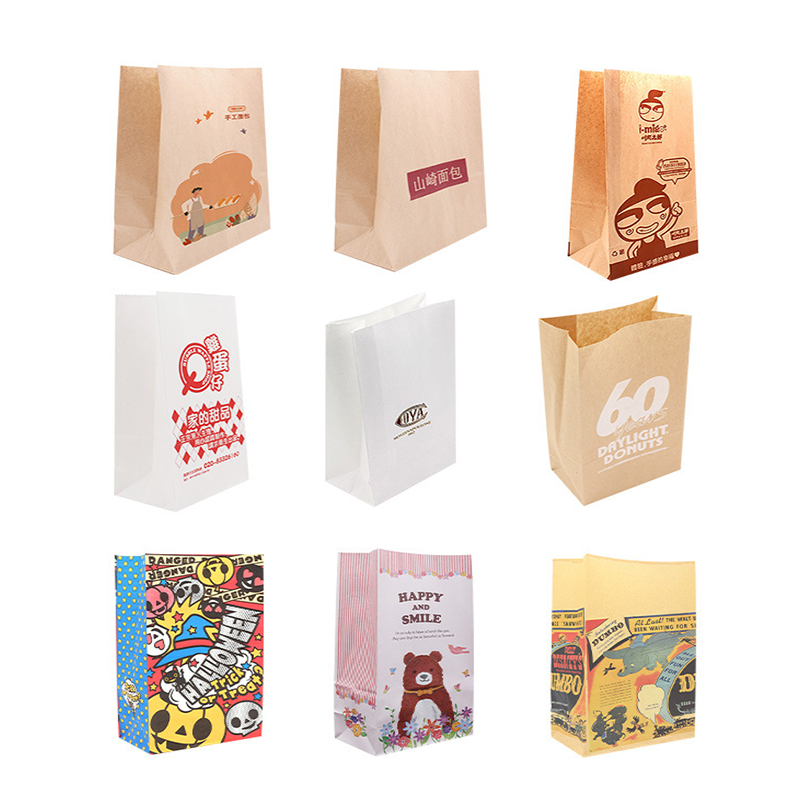
A printed paper bag can connect dine-in, takeaway, pickup, catering, and event service under one visual identity. The paper bag may also include storage guidance, reheating information, contact details, or recycling instructions when those messages are accurate and easy to read.
Before approving a large order, the business should load and carry the paper bag with representative products. This test confirms whether the paper bag stands properly, opens quickly, feels balanced, keeps containers upright, and presents the brand consistently.
Paper Bag Applications for Fashion Retail
Premium Appearance and Brand Consistency
Fashion packaging often needs to express quality before the customer sees the purchase again. A premium paper bag made from thicker kraft, coated paper, textured stock, or specialty card can complement apparel, footwear, jewelry, cosmetics, and accessories.
Surface finish should reflect the brand rather than follow decoration for its own sake. A matte paper bag can communicate modern restraint, a gloss paper bag can create stronger contrast, and a textured paper bag can provide tactile interest without requiring complex graphics.
Color accuracy is especially important when the paper bag must coordinate with store interiors, garment tags, tissue, boxes, stickers, and digital branding. A physical paper bag proof offers more reliable guidance than a screen image because paper shade and coating influence the printed result.
Logo scale should suit the dimensions of the paper bag. A small logo may disappear on a large fashion paper bag, while an oversized logo can dominate the customer experience unless bold presentation is part of the intended identity.
Subtle details can make a fashion paper bag more memorable. Embossing, foil, spot coating, a printed gusset, an interior color, or a discreet message can enrich the paper bag while preserving a clean main panel.
Our custom paper bag service can create a coordinated size family for different product categories. Shared material, color, handle, and finishing standards allow every paper bag to support one consistent fashion identity, from small accessories to larger garments and shoe boxes.
Handles, Strength, and Customer Comfort
A fashion paper bag may carry a light garment, a rigid shoe box, heavy denim, outerwear, or several products in one purchase. The paper bag structure should therefore be based on packed dimensions, weight distribution, and expected carrying distance.
Rope handles are common on a premium paper bag because they feel comfortable and can match brand colors. Ribbon handles can make a paper bag feel more gift-like, while paper-based handles may support a simpler material strategy and a natural appearance.
Handle length affects how the paper bag moves during use. A short-handle paper bag is easy to carry by hand, while a longer-handle paper bag may fit over the forearm, but excessive length can make a heavy package swing or lose balance.
Reinforcement helps the paper bag keep its shape. A folded top, handle patch, bottom board, accurate gusset, and secure adhesive can protect the paper bag from stress around shoe boxes, stacked clothing, or rigid accessories.
Store teams also need a paper bag that opens quickly, stands upright, and stores efficiently. When each paper bag size has a clear product purpose, staff can pack purchases faster and avoid using a large paper bag for a small item.
Sampling should reproduce normal retail use. By placing actual products in the paper bag and carrying it through a realistic test, the buyer can evaluate handle comfort, bottom strength, visual proportion, surface scuffing, and overall paper bag performance.
Paper Bag Applications for Gift Packaging
Decorative Finishes and Presentation Value
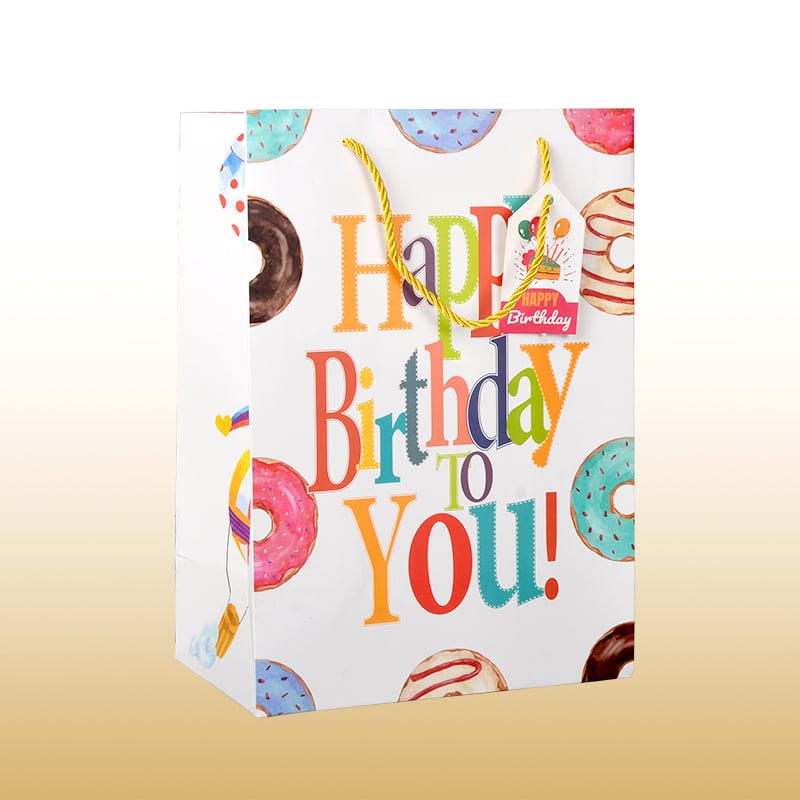
A gift paper bag is often the first visible part of the presentation, so it should create anticipation before the recipient opens it. The paper bag can make a product feel ready to give without requiring the customer to purchase additional wrapping.
Specialty paper gives a gift paper bag a distinctive character. Textured kraft can support a handcrafted paper bag, pearlescent stock can create an elegant paper bag, and high-quality white card can provide a refined base for detailed printing.
Decorative processes should guide attention rather than compete with one another. Foil, embossing, spot coating, window cutting, ribbon, or a custom tag can elevate the paper bag when each detail supports the same visual concept.
The paper bag should coordinate with the product box, tissue, insert, sticker, and message card. Matching or contrasting colors can make the interior of the paper bag feel intentional and strengthen the recipient’s unboxing experience.
Small design choices may have a strong effect on perceived value. A carefully positioned logo, a clean edge, a balanced handle, and a crisp fold can make a simple paper bag appear more polished than a paper bag crowded with unnecessary decoration.
Our sampling process allows buyers to review material, printing, finishing, handle style, and final assembly together. This helps the approved gift paper bag achieve the desired appearance while remaining practical for packing, storage, shipping, and carrying.
Sizing, Personalization, and Occasion Planning
Gift dimensions should be measured after the product is boxed and wrapped. A paper bag for a mug, candle, book, cosmetic set, or food gift needs enough base width for the final package and enough height to protect the top without excessive empty space.
Small products usually benefit from a compact paper bag. Jewelry, fragrance, confectionery, cards, and accessories can lose perceived value when the paper bag is much larger than the gift inside.
Medium and large gifts may require a reinforced paper bag even when the item is not extremely heavy. A wider or taller paper bag experiences greater leverage during carrying, so top folds, bottom cards, handle patches, and paper thickness should work together.
Personalization can adapt a paper bag for weddings, birthdays, corporate events, holidays, product launches, or limited collections. A name, date, short message, event color, printed ribbon, or custom tag can make the paper bag feel specific to the occasion.
Retailers can also update a standard paper bag with interchangeable accessories. Seasonal tissue, stickers, ribbons, and tags can refresh the paper bag while keeping the main paper bag specification economical and easier to store.
A coordinated range gives staff the right paper bag for different gift sizes while preserving brand consistency. Our team can align artwork zones, finishing, and accessories across the paper bag family so everyday and seasonal packaging share one recognizable identity.
Custom Paper Bag Selection and Production
Paper Material and Structural Decisions
Kraft paper is a practical choice for a paper bag that needs strength and a natural appearance. Brown kraft can create an understated paper bag, while white or bleached kraft can support brighter printing and a cleaner visual style.
Coated paper and thicker specialty stock can make a paper bag more rigid and premium. These materials often suit fashion, cosmetics, jewelry, and gift packaging where the paper bag must maintain a crisp shape and accept decorative finishing.
Paper thickness should be matched to the filled weight and product shape. A paper bag carrying rigid boxes or several containers may need stronger stock than a paper bag used for one light garment or a small wrapped item.
Gusset depth and bottom width determine how the paper bag expands and stands. The paper bag should provide enough space for easy loading without looking loose, collapsing inward, or creating unnecessary material use.
Reinforcement supports stress points that are not always visible. A bottom card, top turnover, handle patch, secure side seam, and accurate bottom fold can improve paper bag durability and help the paper bag retain its intended silhouette.
Our development process connects paper type, thickness, dimensions, gussets, handles, and reinforcement as one system. This prevents the paper bag from being designed around appearance alone and helps the final paper bag meet practical load requirements.
Printing, Artwork, and Surface Finishing
Artwork for a custom paper bag should include correct dimensions, bleed, color references, logo files, safe zones, and clear positions for folds, seams, gussets, handles, and the bottom. Accurate preparation helps the paper bag enter production without avoidable layout changes.
The paper bag material affects how color appears. The same ink can look different on brown kraft, white kraft, coated stock, or textured paper, which is why a printed paper bag proof is more dependable than a digital preview.
Design hierarchy keeps the paper bag easy to understand. The logo, slogan, website, product message, and decorative graphics should have clear priorities so the paper bag communicates the brand quickly instead of presenting crowded information.
Finishing should support both visual goals and everyday handling. Matte or gloss coating can change the feel of the paper bag, while foil, embossing, debossing, or spot effects can highlight selected areas of the paper bag.
Print placement should be checked on a fully assembled sample. Artwork that looks centered on a flat template may shift visually after the paper bag is folded, opened, filled, and held by its handles.
Our prepress and sampling service reviews the artwork together with the paper bag structure. This coordinated approach helps protect logo position, color consistency, readability, and finishing quality before the paper bag moves into mass production.
Sampling, Quality Control, and Order Planning
A physical sample is the most reliable checkpoint in a custom paper bag project. The buyer can inspect the paper bag dimensions, material feel, print color, handle comfort, reinforcement, surface finish, and fit with the actual product.
Load testing should copy normal use and include a reasonable safety margin. A paper bag designed only for the exact average weight may fail when the customer adds another item, carries the paper bag unevenly, or travels farther than expected.
Order quantity should balance unit cost, storage space, campaign duration, and expected consumption. A larger paper bag order may reduce cost per unit, but excess inventory can become waste when artwork, product sizes, or seasonal messages change.
Quality inspection should compare production units with the approved paper bag sample. Checks can cover dimensions, color tolerance, folding, gluing, handle attachment, surface cleanliness, quantity, packing method, and carton labeling for every paper bag order.
Shipping preparation protects the paper bag before use. Correct carton sizing, stacking, moisture protection, and handling instructions can reduce crushing, edge damage, scuffing, and deformation during transport.
As a custom paper bag manufacturing partner, we coordinate specifications, proofing, production, inspection, and packing within one workflow. This gives buyers clearer control and helps each paper bag arrive ready for efficient food, fashion, or gift packaging.
FAQ
Best Paper Bag for Food Packaging
Which paper bag is best for food packaging? The answer depends on whether the product is dry, oily, warm, chilled, wrapped, boxed, or in direct contact with the paper bag.
A kraft paper bag can suit bread, packaged snacks, and takeaway cartons. A grease-resistant paper bag is generally more appropriate when pastries, fried items, or oily foods may stain or weaken a standard paper bag.
The base should match the container so the paper bag remains stable. A wide, reinforced paper bag can help meal boxes, bakery cartons, and multiple takeaway items stay upright during carrying.
Ventilation may be useful for warm products because trapped steam can affect food texture. A breathable or open-top paper bag may perform better for selected bakery and quick-service applications.
Food-contact suitability should be confirmed for the intended use. The paper bag material, ink, coating, adhesive, and liner must be considered together rather than treating the paper bag as paper alone.
Providing the manufacturer with product samples, packed weight, temperature, oil level, and expected holding time helps create a paper bag that balances performance, branding, and cost.
Best Paper Bag for Fashion Retail
What paper bag works best for fashion retail? A fashion paper bag usually needs strong paper, refined printing, comfortable handles, and dimensions that match garments, shoe boxes, accessories, or beauty products.
A matte paper bag can support a clean modern identity, while a coated or specialty paper bag can provide a more polished premium finish. The selected paper bag should coordinate with the store and the rest of the packaging system.
Rope or ribbon handles can improve comfort and presentation. The paper bag may also require handle patches, a folded top, or a bottom board when it carries denim, outerwear, shoe boxes, or several items.
Size should be based on the packed product. A well-fitted paper bag protects merchandise and looks more intentional than an oversized paper bag chosen only for convenience.
Consistent color, logo scale, and print placement help every paper bag support the same fashion identity. This consistency is especially useful when the brand uses several paper bag sizes.
A custom manufacturer can develop a coordinated paper bag family with shared materials, handles, and finishes, giving the retailer a suitable paper bag for each product category.
Best Paper Bag for Gift Packaging
How should a business choose a gift paper bag? The selection should begin with the boxed dimensions, total weight, occasion, brand style, and desired level of decoration for the paper bag.
A small paper bag may suit jewelry, fragrance, cards, or confectionery, while a reinforced medium paper bag may fit candles, books, gift sets, or packaged food products.
Specialty paper, foil, embossing, ribbon handles, and tags can elevate the paper bag. These elements should support the gift and should not make the paper bag feel visually crowded.
Interior space should allow for tissue, inserts, and the product box. A correctly sized paper bag protects the contents, opens neatly, and makes the packing process easier.
Seasonal accessories can adapt a standard paper bag for holidays, weddings, or events. This method may offer more flexibility than producing a completely different paper bag for every occasion.
A physical sample confirms whether the paper bag looks balanced, feels comfortable, holds the final gift securely, and delivers the expected presentation quality.
Sustainable Paper Bag Options
Can a custom paper bag support sustainable packaging goals? It can when the paper bag uses appropriate materials, avoids unnecessary size, protects the product effectively, and includes realistic end-of-use planning.
Recycled or responsibly sourced paper may support the project, but the whole paper bag should be reviewed. Handles, coatings, reinforcement cards, inks, adhesives, and decorative parts all influence the final paper bag structure.
A reusable paper bag can offer additional value when it is durable enough for repeated carrying and attractive enough for customers to keep. The paper bag should not use extra material without a clear performance purpose.
Reducing excessive dimensions, print coverage, lamination, and decoration can simplify the paper bag. A right-sized paper bag often uses less material, stores efficiently, and presents the product more professionally.
Clear recycling or disposal guidance can help customers handle the paper bag correctly. The message should match the actual paper bag construction and the waste systems available in the target market.
Our team can compare material, handle, coating, and reinforcement options to create a paper bag that supports product protection, brand presentation, production efficiency, and responsible packaging objectives.