 EN
EN

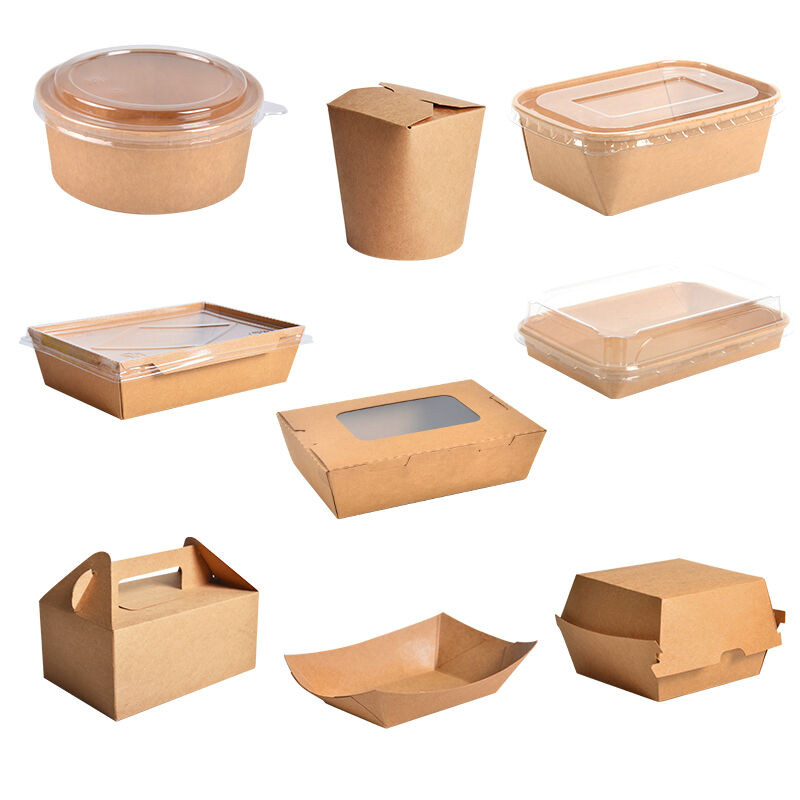
In the modern food service and retail landscape, the take away box has evolved from a simple container into a powerful extension of a brand's identity. Whether you run a bustling urban café, a fast-casual restaurant, or a specialty dessert shop, the packaging you choose speaks volumes before a single bite is taken. Customers today evaluate their dining experience holistically, and the moment they receive their order in a well-designed, sturdy take away box, a positive impression is already being formed. The challenge for businesses lies in finding packaging that delivers on both practical performance and visual appeal simultaneously.
Balancing functionality and aesthetics in a take away box is not merely a design exercise — it is a strategic business decision with direct implications for customer satisfaction, food safety, brand recognition, and operational efficiency. This article explores how thoughtful take away box solutions can serve as a competitive advantage, examining the structural, material, and visual dimensions that define truly effective packaging for today's food businesses.
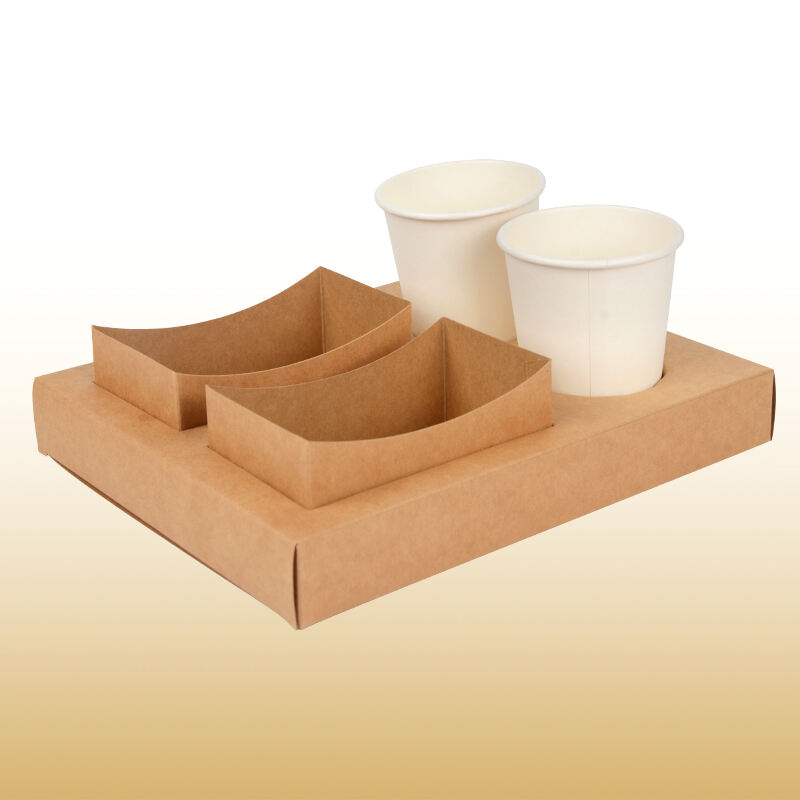
The Dual Role of a Take Away Box in Modern Food Service
Functionality as the Foundation
At its most basic level, a take away box must do one thing exceptionally well: protect and preserve the food inside it. This means structural integrity under varying weight loads, adequate insulation to maintain temperature, and resistance to moisture and grease that could compromise the package mid-journey. A box that collapses, leaks, or allows food to shift during transport fails the customer regardless of how attractive it looks on the outside.
Functional design in a take away box also encompasses ease of use — for staff packing orders and for customers unpacking them. Secure closures that don't require excessive effort, compartment separations that keep food items from mingling, and stackable forms that streamline storage and delivery logistics all contribute to the overall functional profile. These elements reduce waste, minimize errors during service, and speed up fulfillment workflows.
When selecting a take away box solution, food businesses must first evaluate their specific functional requirements: the density and moisture content of their food items, the average delivery distance, the temperature sensitivity of the contents, and the volume of orders processed per day. Only after establishing these functional baselines can aesthetic considerations be meaningfully layered on top.
Aesthetics as a Brand Communication Tool
Once functional requirements are met, the visual design of a take away box becomes a critical vehicle for brand expression. In an era where food photography dominates social media and unboxing moments drive organic marketing, the appearance of your packaging can directly influence customer loyalty and word-of-mouth referrals. A thoughtfully designed take away box signals professionalism, care, and quality before the food is even tasted.
Aesthetic elements include color palette, print quality, surface finish, structural shape, and tactile texture. Each of these dimensions communicates something about your brand positioning. A minimalist kraft paper take away box with clean typography conveys artisan authenticity. A glossy, full-color printed box with bold graphics signals contemporary vibrancy. Neither is inherently superior — the right choice depends entirely on the story a brand wants to tell and the audience it serves.
The intersection of functionality and aesthetics is where truly premium take away box solutions are born. A box that looks stunning but fails structurally undermines the brand. Conversely, a highly durable but visually dull box misses the branding opportunity entirely. The goal is coherence — packaging that performs reliably while making a memorable visual statement every time it changes hands.
Material Choices and Their Impact on Balance
Paper and Paperboard: The Versatile Standard
Paper-based materials dominate the take away box market for good reason. They offer an excellent balance of structural flexibility, printability, and sustainability credentials that resonate with modern consumers. Paperboard, in particular, can be engineered to various thickness grades to accommodate everything from light bakery items to heavier meal portions without sacrificing the clean aesthetic finish that print graphics demand.
The printability of paperboard is one of its greatest assets for businesses looking to maximize the visual impact of their take away box. High-resolution offset and digital printing can render complex brand graphics, fine typography, and photographic imagery with remarkable clarity. Coatings — matte, gloss, or soft-touch — add tactile richness and further differentiate the packaging in a competitive marketplace.
For businesses exploring combination designs, a take away box that integrates multiple paper layers or compartment structures can address diverse menu items within a single packaging format, reducing the complexity of maintaining multiple SKUs. This design approach enhances operational efficiency while enabling a cohesive visual brand across different product categories.
Sustainable Materials and Consumer Expectations
Sustainability has shifted from a niche preference to a mainstream expectation among food service consumers. Businesses choosing their next take away box solution must consider how material choices align with environmental commitments and how those commitments are communicated through the packaging itself. Recycled content, compostable materials, and FSC-certified paper all offer substantive environmental credentials that can be printed directly onto the box as transparent consumer messaging.
Beyond consumer perception, sustainable take away box materials often intersect with regulatory requirements in markets where single-use plastic restrictions are being actively enforced. Businesses that proactively transition to compliant, eco-friendly packaging avoid future operational disruptions while positioning themselves as responsible, forward-thinking brands. This strategic alignment between material choice and brand values is itself an aesthetic statement — one that resonates deeply with environmentally conscious customer segments.
The functional performance of sustainable materials has also significantly improved. Modern compostable and recycled paperboard formulations now offer grease resistance, moisture barriers, and structural rigidity comparable to conventional materials, ensuring that the switch to eco-friendly packaging does not require compromising the functional reliability that any effective take away box must deliver.
Structural Design: Where Form Meets Function
Compartmentalization and Food Integrity
One of the most consequential structural decisions in take away box design is whether to incorporate internal compartments. For multi-component meals — think proteins served alongside sides, or desserts paired with sauces — compartmentalization preserves the integrity of each element from kitchen to customer. Without proper separation, textures soften, flavors cross-contaminate, and the visual presentation that chefs carefully construct is lost by the time the box is opened.
A well-engineered compartmentalized take away box keeps each food component in its designated space even during transit, which directly reflects on the perceived quality of the meal. This structural feature thus serves both functional and aesthetic purposes: it protects food physically while preserving the visual plating that contributes to the customer's overall impression. For premium food concepts especially, this dual role is non-negotiable.
Compartment configurations should be chosen based on the specific menu items they will contain. Deep compartments suit liquid-adjacent items and bulky proteins, while shallow, wide compartments work better for flat items or salads. A mismatch between compartment design and food type can negate the structural investment entirely, so menu-specific customization of the take away box structure is always advisable.
Closure Mechanisms and User Experience
The closure system of a take away box affects both its functional security and the tactile experience it delivers. Tuck-in flaps, lock-tab closures, and friction-fit lids each offer different levels of security and ease of access. For high-moisture or hot food items, more robust locking mechanisms reduce the risk of accidental opening during delivery, protecting both the food and the reputation of the business.
From an aesthetic standpoint, the closure mechanism also shapes how the box presents itself when handed to the customer. A clean, flush-fit lid with no visible adhesives creates a sleek, premium appearance. A well-designed lock tab can even become a small brand touchpoint — an opportunity to print a subtle logo or message that the customer encounters as they open the box. These micro-moments of designed surprise add personality and warmth to the take away box experience.
User experience design in packaging is often underappreciated, but customers notice when a box is frustrating to open or when it fails to stay closed. Investing in a take away box with intuitive, reliable closure mechanics reduces customer frustration, minimizes food waste from spillage, and subtly communicates that the brand pays attention to detail across every aspect of the service experience.
Customization Strategies for Maximum Brand Impact
Print and Graphic Design Considerations
Customizing a take away box with brand-specific graphics is one of the most direct ways to convert functional packaging into a marketing asset. Every box that leaves your kitchen and travels to a customer's table — or is photographed on social media — is a brand impression. The investment in custom print design should be evaluated against this reach, not just as a packaging cost.
Effective graphic design for a take away box starts with understanding the printing constraints of the chosen material and box structure. Curved edges, fold lines, and glue seams all affect how artwork translates from flat design to three-dimensional form. Working with a packaging supplier that provides accurate technical templates is essential to ensuring that key graphic elements — particularly logos and brand names — are not distorted or obscured by the structural features of the box.
Color management is another critical dimension. The same color values can render differently on coated versus uncoated paperboard surfaces. Businesses should request printed proofs or physical samples before committing to a full production run of their custom take away box. This quality control step prevents costly reprints and ensures that the final product accurately represents the brand's visual standards.
Sizing and Format Customization
A one-size-fits-all approach rarely serves a food business well when it comes to take away box selection. Different menu items — from single-serve snacks to family meal sets — require different box formats to present attractively and function reliably. Offering packaging that is clearly sized for its contents communicates care and reduces the perception of skimping on portions that an oversized box can inadvertently create.
Custom sizing also supports operational efficiency. When a take away box is dimensionally matched to its contents, it stacks more neatly in storage, uses less filler material, and reduces the overall material footprint of each order. These efficiencies translate into cost savings that can partially offset the premium associated with custom-sized packaging over generic off-the-shelf alternatives.
For businesses with diverse menus, a modular approach to take away box sizing — where a small number of standardized formats cover the full menu range — can strike an effective balance between customization and inventory simplicity. This strategic approach allows for consistent visual branding across all box formats while keeping procurement manageable.
FAQ
What makes a take away box both functional and visually appealing?
A well-balanced take away box achieves functionality through structural integrity, secure closures, appropriate compartmentalization, and moisture or grease resistance. Visual appeal comes from high-quality print, consistent brand colors, and a clean structural form. The key is ensuring that neither dimension is sacrificed for the other — the best packaging solutions are engineered to deliver on both simultaneously through thoughtful material and design choices.
How do I choose the right material for my take away box?
Material selection should be guided by your food type, delivery distance, sustainability goals, and budget. Paperboard is the most versatile choice for most food service applications, offering excellent printability and available in various grades to suit different weight and moisture requirements. If sustainability is a priority, look for recycled-content, compostable, or FSC-certified options that now match the functional performance of conventional materials while providing meaningful environmental credentials.
Is custom printing on a take away box worth the investment for small businesses?
For most small businesses, even a modest level of custom printing on a take away box delivers a strong return on investment through improved brand recognition and customer perception. Modern digital printing technology has lowered minimum order quantities, making custom-branded packaging accessible at smaller scales than in the past. The marketing value generated each time a branded box is seen — by the customer and anyone around them — often justifies the incremental cost over generic packaging.
How does compartmentalization in a take away box affect food quality?
Compartmentalization in a take away box directly preserves food quality by preventing different components from mixing during transit. This is particularly important for meals with wet and dry elements, or hot and cold components that would degrade each other's texture and flavor if combined. A properly compartmentalized box ensures that the meal arrives looking and tasting as intended, which protects the customer experience and supports repeat business.