For any restaurant operating in today's competitive food service landscape, the decision to invest in quality take away boxes is far more strategic than it might initially appear. These containers are not mere afterthoughts in the packaging supply chain — they are extensions of your brand, direct touchpoints with your customers, and functional tools that protect food quality from kitchen to doorstep. Getting this decision right can meaningfully impact customer retention, operational efficiency, and even your restaurant's environmental reputation.
The market for take away boxes is vast, offering options across materials, sizes, closure mechanisms, and environmental profiles. This abundance of choice is both an opportunity and a challenge for restaurant owners and procurement managers. Without a clear set of priorities, restaurants risk making purchases that look cost-effective on paper but create friction in operations, disappoint customers, or fail to align with sustainability commitments. This guide walks through the most important factors restaurants should evaluate — not in order of popularity, but in order of real-world operational impact.

Food Safety and Structural Integrity as the Foundation
Why Containment Quality Cannot Be Compromised
The most fundamental requirement for any take away boxes is that they safely contain the food inside without leaking, collapsing, or transferring harmful substances. This is not a premium feature — it is the baseline expectation. Boxes made from low-grade materials may leach chemicals when exposed to heat, especially when used with oily or acidic foods like curries, pasta sauces, or stir-fries. Restaurants must verify that their chosen take away boxes are food-safe certified and compliant with relevant local food packaging standards.
Structural integrity matters just as much as material safety. A box that deforms under the weight of a heavy meal, or whose lid pops open during delivery, reflects poorly on the restaurant regardless of how good the food tastes. Customers judge their experience holistically, and a spilled or crushed meal is an immediate negative review waiting to happen. When evaluating take away boxes, restaurant buyers should physically test samples under realistic load conditions before committing to bulk orders.
Leak-resistance is particularly critical for businesses offering soups, stews, gravies, or beverages as part of their takeaway menu. Not all take away boxes are designed equally in this regard. Some rely on snap-lock lids while others use heat-seal or fold-lock systems. Understanding which closure type suits your specific menu items is part of a responsible procurement process.
Temperature Retention and Food Presentation
Beyond simple containment, quality take away boxes should help maintain the appropriate temperature of food during transit. Insulated or foamed-wall containers are designed to reduce heat loss over time, which is especially important for restaurants operating delivery zones that extend beyond a short radius. If your customers are receiving lukewarm food that should have arrived hot, the packaging may be contributing to the problem.
Temperature retention also connects to food presentation. Condensation buildup inside a sealed box can make crispy foods soggy, ruining the intended texture of dishes like fried chicken, spring rolls, or tempura. Some take away boxes include vented lids specifically designed to allow steam to escape without compromising containment. Matching the right venting design to the right food type is a nuanced decision that well-informed restaurants should make deliberately rather than by accident.

Material Selection Based on Menu and Customer Profile
Matching Materials to Menu Types
Different food types demand different take away boxes materials. Paper-based boxes work well for dry or lightly sauced foods and are easy to print on for branding purposes. However, they may not hold up well for heavily sauced, greasy, or liquid-heavy dishes without an additional lining or coating. Foam containers offer excellent insulation and moisture resistance but carry a higher environmental cost. Bagasse or molded fiber take away boxes present a natural middle ground — they are compostable, reasonably heat-resistant, and suitable for a wide range of food types.
Plastic take away boxes remain common in food service due to their transparency, allowing customers to see the contents, their durability, and their resistance to moisture. However, restaurants must carefully evaluate which plastics are food-safe at high temperatures, particularly if the boxes will be used in microwave-friendly applications. Choosing the wrong plastic type can expose your customers to health risks and your restaurant to significant liability.
Aluminum foil containers occupy a unique space in the take away boxes market — they are oven-safe, excellent heat conductors for maintaining warmth, and recyclable in many regions. They are particularly popular in catering contexts and for meal prep businesses. Knowing your customer base and their likely usage habits — whether they reheat meals at home or consume them immediately — informs which material actually serves them best.
Portion Size and Compartmentalization Needs
Restaurants with diverse menus often need take away boxes in multiple size formats. A single-compartment box may work perfectly for a pasta dish but fail completely for a multi-component meal that includes a main, a side, and a sauce that should not mix. Compartmentalized take away boxes are available in two, three, and four-section formats and allow restaurants to present complete meals in a single container without sacrificing food quality or visual appeal.
The sizing of take away boxes also affects perceived value. A portion that fills its container appropriately signals generosity, while a small serving rattling around in an oversized box can feel disappointing even if the portion weight is identical. Restaurants should work through their menu systematically and assign appropriate container sizes to each dish rather than defaulting to one or two sizes for everything.
Sustainability Considerations in Packaging Procurement
Understanding Environmental Claims on Packaging Labels
Sustainability has become a key factor in consumer food choices, and the take away boxes a restaurant uses are a visible part of that story. Terms like biodegradable, compostable, and recyclable are not interchangeable, and using them loosely — or choosing packaging that carries these labels without genuine substance — can expose restaurants to accusations of greenwashing. Understanding what these terms actually mean in the context of your local waste management infrastructure is essential before making procurement decisions based on environmental grounds.
Compostable take away boxes, for example, may only break down properly in industrial composting facilities, which may not be accessible in all areas. If your customers are putting compostable packaging in household green bins that feed into a non-industrial composting stream, the environmental benefit is largely lost. Recyclable plastic take away boxes face similar challenges — local recycling capabilities vary widely, and not all plastics marked as recyclable are accepted by all collection systems.
A more practical approach for many restaurants is to prioritize take away boxes made from recycled or rapidly renewable materials, minimize overpackaging, and communicate clearly with customers about how to dispose of the packaging correctly. This honest, practical sustainability approach tends to resonate better with informed consumers than vague green marketing.
Balancing Cost and Environmental Responsibility
Sustainable take away boxes typically carry a higher unit cost than conventional alternatives. For high-volume restaurants operating on tight margins, this cost difference is a real operational concern that cannot be dismissed with idealism alone. The key is to find the sustainability-performance balance point that fits your business model — this might mean choosing bagasse containers for dine-in takeaway orders where cost per transaction is higher, while using recyclable plastic for delivery orders where packaging robustness matters more.
Bulk purchasing agreements and supplier partnerships can also help restaurants access more sustainable take away boxes at pricing that is closer to conventional alternatives. Long-term procurement planning, rather than ad hoc purchasing, tends to unlock better pricing tiers and more consistent supply of the specific formats needed. Restaurants that treat take away boxes as a strategic input rather than a commodity tend to make better purchasing decisions overall.
Branding Opportunity and Customer Experience
Packaging as a Brand Communication Channel
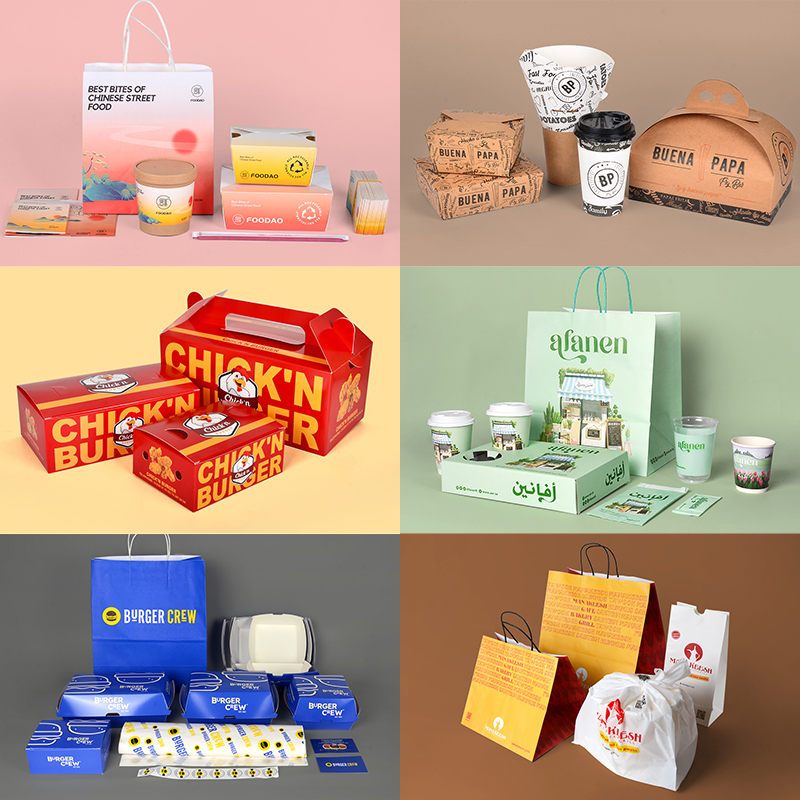
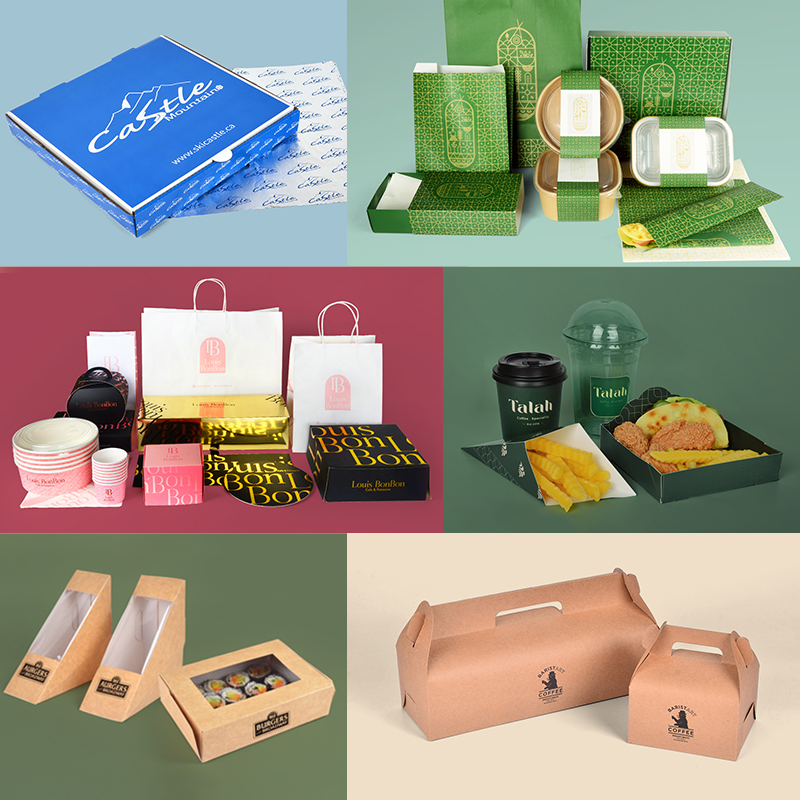
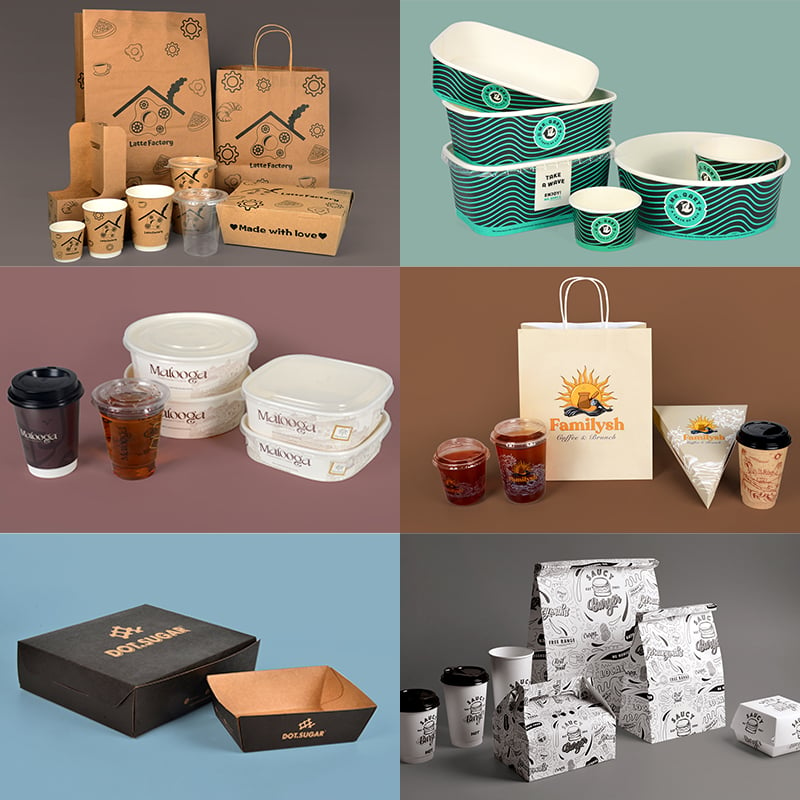
Take away boxes are one of the most direct and consistent brand touchpoints a restaurant has with customers who order remotely. Unlike dine-in experiences where ambiance, staff, and plating all contribute to brand perception, delivery and takeaway orders are often judged almost entirely by the packaging and food quality together. Well-designed take away boxes that carry your logo, brand colors, or a simple consistent visual identity communicate professionalism and attention to detail.
Custom printing on take away boxes requires working with suppliers who offer this capability, which narrows the procurement pool but also provides significant competitive differentiation. Even small touches — a branded sticker, a consistent color palette, or a printed message on the lid — can elevate the unboxing experience and increase the likelihood that customers photograph and share their meals on social media. In an era where user-generated content drives restaurant discovery, packaging aesthetics carry genuine marketing value.
Practicality for Customers After Delivery
Customer experience extends beyond the moment of receipt. Take away boxes that are easy to open, stable to eat from without a plate, and manageable to dispose of contribute positively to the overall meal experience. Overly complicated closure systems frustrate customers, particularly if the food has cooled by the time they figure out how to open the container. Simplicity in design often beats complexity in the real-world usage context.
Microwave compatibility is another practical consideration for customers who may not eat immediately. If your take away boxes cannot safely be reheated, this limits the utility of the product for a significant portion of your customer base — particularly those ordering meal kits, family-sized portions, or office lunches that will be consumed later. Clearly communicating microwave-safe status on the packaging itself prevents confusion and potential safety issues.
Supplier Reliability and Operational Fit
Consistency of Supply and Lead Times
Even the best-designed take away boxes create operational problems if supply is inconsistent. Restaurants depend on stable, predictable inventory to run smoothly, and running out of appropriate containers mid-service creates real problems. When evaluating packaging suppliers, restaurants should consider not just the product quality but the supplier's ability to fulfill reorders reliably and within acceptable lead times. A slightly less impressive product from a highly reliable supplier is often a better operational choice than a superior product from a source prone to stockouts or shipping delays.
Minimum order quantities also affect operational fit. Small or mid-sized restaurants may not have the storage space or cash flow to justify the bulk purchasing quantities required by some industrial suppliers. Finding suppliers whose minimum order volumes align with your actual usage rates reduces the risk of capital being tied up in excess inventory or, worse, packaging that degrades in storage before it can be used.
Testing Before Full Commitment
One of the most practical pieces of advice for any restaurant sourcing new take away boxes is to run genuine operational trials before placing large orders. Sample quantities should be used across your actual menu items during real service periods, not just examined in an office. Testing reveals real problems — a lid that doesn't stay sealed during motorcycle delivery, a box bottom that stains through with certain sauces, or a size that looks right on paper but is impractical for how kitchen staff pack meals at speed.
Staff input during the trial phase is invaluable. Kitchen teams interact with take away boxes dozens or hundreds of times per day, and their feedback on ease of packing, stacking stability in warmers, and closure reliability carries significant operational weight. Restaurants that involve their operations team in packaging decisions typically make better, more sustained choices than those where procurement is handled entirely from a purchasing desk without frontline consultation.
FAQ
What material is best for hot food in take away boxes?
For hot food, take away boxes made from bagasse, molded fiber, aluminum foil, or heat-resistant plastic (marked as suitable for hot contents) perform best. The ideal material depends on whether the food is dry, sauced, or liquid-based. Insulated foam options retain heat well but carry higher environmental costs. Always verify that the material is certified food-safe at the temperatures your food reaches at point of packing.
How can restaurants reduce the cost of sustainable take away boxes?
Restaurants can reduce costs by committing to larger bulk orders, entering into supply agreements with packaging vendors, and standardizing their menu to use fewer container formats. Choosing materials that offer both sustainability credentials and dual functionality — such as microwave-safe compostable boxes — can also reduce the number of SKUs needed. Planning procurement seasonally rather than reactively gives restaurants more negotiating leverage.
Do take away boxes need to be microwave-safe?
Not all take away boxes need to be microwave-safe, but if your customer base is likely to reheat meals — which is common for office lunch orders, family meal kits, or late-night delivery — then microwave compatibility adds genuine value. Paper and bagasse containers are generally microwave-safe, while many plastics and aluminum foil containers are not. Check product specifications carefully and communicate microwave safety clearly on the packaging itself to guide customer behavior.
How important is branding on take away boxes for small restaurants?
Even for small restaurants, branding on take away boxes matters more than many owners realize. At minimum, a branded sticker or stamp on an otherwise plain container creates a consistent identity. For restaurants where delivery accounts for a significant share of revenue, investing in custom-printed take away boxes can meaningfully differentiate the experience, encourage social sharing, and build brand recognition that drives repeat orders. The cost of basic branding elements on packaging has decreased significantly, making it accessible even at modest order volumes.