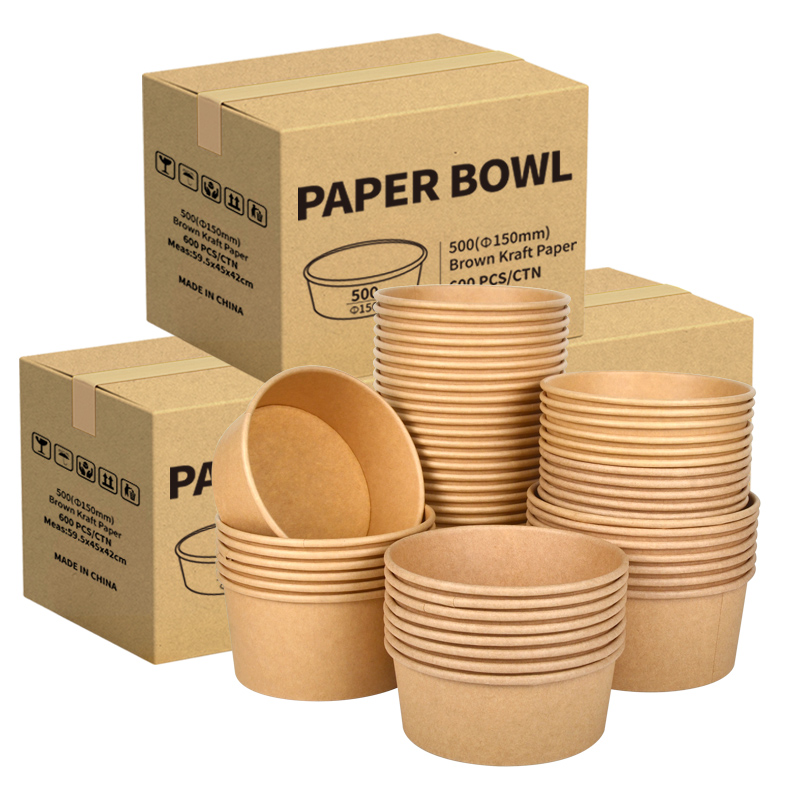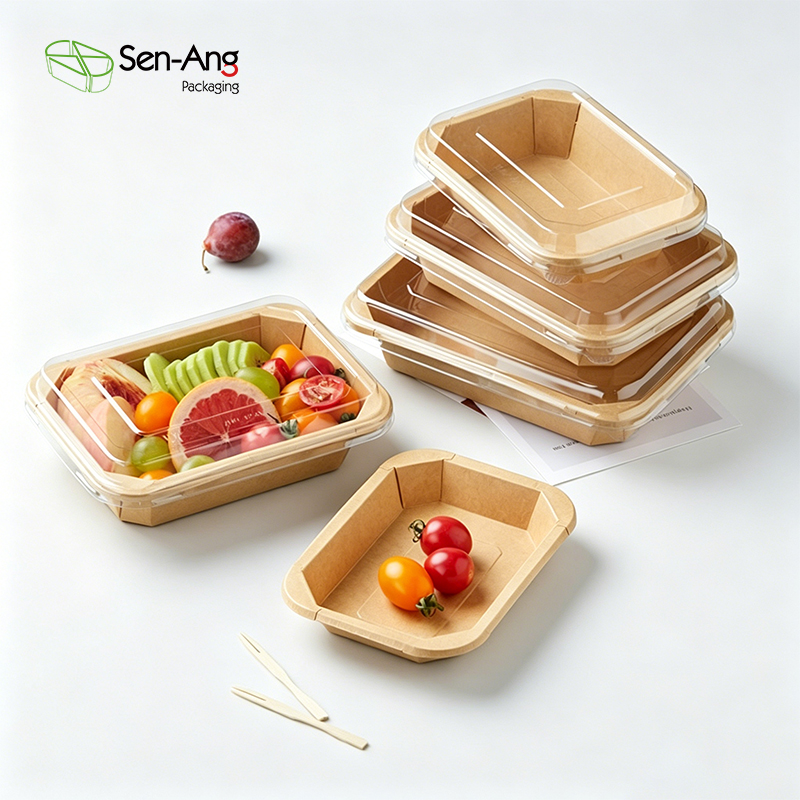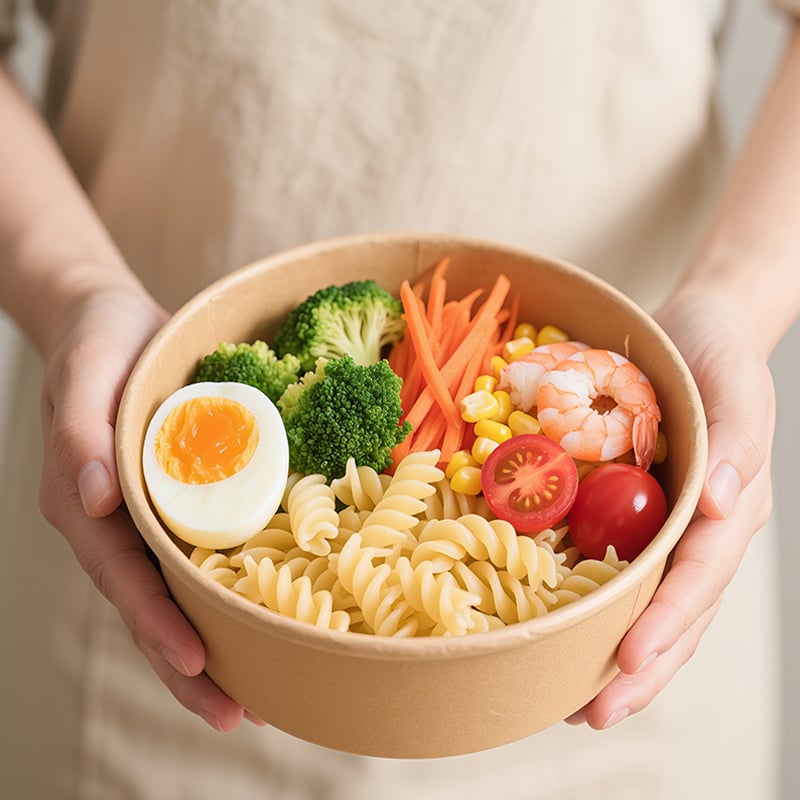
The food packaging industry is experiencing a revolutionary shift toward sustainable solutions, with eco-friendly paper bowls emerging as a cornerstone of environmentally responsible business practices. As consumer awareness about environmental impact continues to grow, restaurants, cafeterias, catering services, and food delivery businesses are increasingly seeking packaging alternatives that align with both their operational needs and sustainability goals. These innovative packaging solutions represent more than just a trend; they embody a fundamental change in how businesses approach their environmental responsibility while maintaining the functionality and aesthetic appeal that modern food service demands.
Environmental Benefits and Sustainability Impact
Biodegradability and Composting Advantages
The primary advantage of eco-friendly paper bowls lies in their remarkable biodegradability, which sets them apart from traditional plastic and foam alternatives. Unlike conventional packaging materials that can persist in landfills for hundreds of years, these sustainable bowls decompose naturally within months when exposed to appropriate environmental conditions. The composting process transforms these materials into nutrient-rich soil amendments, creating a circular economy approach that benefits both businesses and the environment. Many municipalities now accept certified compostable paper bowls in their organic waste collection programs, making disposal convenient for both businesses and consumers.
The manufacturing process of eco-friendly paper bowls typically utilizes renewable plant-based materials and sustainable forestry practices, ensuring that the environmental footprint extends beyond just the end-of-life disposal. These products often carry certifications from recognized environmental organizations, providing businesses with credible documentation to support their sustainability claims. The reduced carbon footprint associated with production and disposal makes these bowls an attractive option for companies committed to achieving their environmental goals and reducing their overall ecological impact.
Renewable Resource Utilization
Modern eco-friendly paper bowls are manufactured using responsibly sourced materials from renewable resources, including recycled paper fibers, bamboo, sugarcane bagasse, and other plant-based alternatives. This approach to raw material selection ensures that the production process supports sustainable forestry practices and reduces dependency on virgin materials. The use of agricultural waste products like wheat straw and corn stalks not only diverts these materials from landfills but also provides farmers with additional revenue streams, creating economic benefits throughout the supply chain.
The renewable nature of these materials means that businesses can maintain their packaging supply chains without contributing to resource depletion or environmental degradation. Advanced manufacturing techniques have enabled producers to create paper bowls with enhanced durability and performance characteristics while maintaining their eco-friendly properties. This technological advancement ensures that choosing sustainable packaging does not require compromising on quality or functionality, making the transition to eco-friendly alternatives seamless for food service operations.

Performance and Functional Characteristics
Structural Integrity and Durability
Contemporary eco-friendly paper bowls have overcome historical limitations related to structural integrity and durability, now offering performance levels that rival or exceed traditional packaging materials. Advanced coating technologies and innovative fiber treatments enable these bowls to maintain their shape and strength even when exposed to hot, cold, or liquid foods for extended periods. The enhanced moisture resistance prevents leaking and soggy bottoms, ensuring that food presentation remains professional and appealing throughout the dining experience.
The structural design of modern paper bowls incorporates engineering principles that distribute stress evenly across the container, preventing collapse or deformation during normal use. Multiple layer construction techniques and specialized forming processes create bowls with reinforced rims and bases that can handle the weight and temperature variations common in food service applications. This reliability is crucial for businesses that cannot afford packaging failures that could result in customer dissatisfaction or operational disruptions.
Temperature and Moisture Resistance
One of the most significant technological achievements in eco-friendly paper bowl development is the creation of effective barrier coatings that maintain environmental friendliness while providing excellent temperature and moisture resistance. These coatings, often derived from plant-based materials or specially formulated water-based compounds, create a protective layer that prevents liquids from penetrating the paper fibers while allowing the bowl to maintain its compostable properties. The temperature tolerance ranges typically accommodate hot foods up to 200°F and frozen items down to -10°F, covering virtually all food service applications.
The moisture resistance characteristics ensure that eco-friendly paper bowls can effectively contain soups, stews, salads with dressings, and other liquid-rich foods without compromising structural integrity. Advanced testing protocols verify that these bowls maintain their performance characteristics throughout typical use scenarios, including extended holding times in warming equipment and refrigerated storage conditions. This versatility makes them suitable for a wide range of food service applications, from quick-service restaurants to upscale catering operations.
Business and Economic Advantages
Cost-Effectiveness and Supply Chain Benefits
While initial procurement costs for eco-friendly paper bowls may be slightly higher than conventional alternatives, the total cost of ownership often presents significant economic advantages for food service businesses. Many suppliers offer volume discounts and long-term contracts that help stabilize pricing and reduce overall packaging costs. The growing demand for sustainable packaging has led to increased production capacity and improved manufacturing efficiency, resulting in more competitive pricing structures that make eco-friendly options increasingly accessible to businesses of all sizes.
Supply chain benefits include reduced storage space requirements due to efficient stackable designs and lightweight construction that minimizes shipping costs. Many manufacturers have established regional distribution networks that reduce delivery times and transportation expenses while supporting local economies. The standardization of sizes and specifications across different suppliers provides businesses with greater flexibility in sourcing and reduces the risk of supply disruptions that could impact operations.
Brand Differentiation and Marketing Value
Adopting eco-friendly paper bowls provides businesses with powerful marketing and brand differentiation opportunities that can attract environmentally conscious consumers and enhance corporate reputation. Consumer research consistently demonstrates that sustainability considerations influence purchasing decisions, particularly among younger demographics who represent a growing segment of the food service market. Businesses that prominently feature their commitment to environmental responsibility through packaging choices often experience increased customer loyalty and positive brand perception.
The visual appeal and professional appearance of modern eco-friendly paper bowls contribute to enhanced food presentation and customer experience, supporting premium pricing strategies and brand positioning efforts. Many businesses incorporate their sustainability messaging into marketing materials, social media campaigns, and customer communications, leveraging their packaging choices as evidence of their environmental commitment. This authentic sustainability story resonates with consumers and can lead to increased word-of-mouth referrals and positive online reviews that drive business growth.
Industry Applications and Use Cases
Restaurant and Food Service Operations
Restaurants ranging from quick-service establishments to fine dining venues have successfully integrated eco-friendly paper bowls into their operations, finding applications across diverse menu categories and service styles. Fast-casual restaurants particularly benefit from the convenience and sustainability combination, using these bowls for salad bars, soup stations, and build-your-own meal concepts that require durable, attractive serving containers. The professional appearance and reliable performance of modern paper bowls support the quality expectations associated with restaurant dining while demonstrating environmental responsibility to increasingly conscious consumers.
Full-service restaurants often utilize eco-friendly paper bowls for takeout and delivery services, ensuring that off-premise dining experiences maintain the same quality standards as dine-in service. The leak-resistant properties and temperature tolerance make them ideal for transporting hot soups, cold salads, and temperature-sensitive items that require reliable packaging performance. Many establishments have found that the positive customer response to sustainable packaging choices enhances their reputation and supports customer retention efforts in competitive markets.
Catering and Event Services
Catering companies and event service providers have embraced eco-friendly paper bowls as essential components of their sustainable service offerings, particularly for outdoor events, corporate functions, and large-scale gatherings where disposable serviceware is necessary. The lightweight nature and stackable design facilitate efficient transportation and setup, while the professional appearance maintains the quality standards expected at business and social events. Event planners increasingly specify sustainable packaging requirements, making eco-friendly options essential for competitive positioning in the catering market.
The versatility of eco-friendly paper bowls makes them suitable for various event formats, from buffet-style service to plated presentations that require reliable serving containers. The ability to customize designs and incorporate branding elements allows caterers to align packaging choices with event themes and client requirements while maintaining their commitment to environmental responsibility. Post-event cleanup is simplified when venues offer composting facilities, reducing waste management complexity and supporting the overall sustainability goals of event organizers.
Quality Standards and Certifications
Regulatory Compliance and Safety Standards
Eco-friendly paper bowls must comply with stringent food safety regulations and performance standards established by regulatory agencies and industry organizations. FDA approval for food contact surfaces ensures that materials and coatings used in manufacturing do not pose health risks or impart unwanted flavors or odors to food products. Compliance with BPI (Biodegradable Products Institute) and ASTM International standards provides verification of compostability claims and environmental performance characteristics that support business sustainability reporting requirements.
Manufacturing facilities producing eco-friendly paper bowls typically maintain certifications including ISO quality management systems, SQF food safety protocols, and environmental management standards that ensure consistent product quality and safety. Regular testing protocols verify that finished products meet specified performance criteria for strength, moisture resistance, and food safety requirements. These quality assurance measures provide businesses with confidence that their packaging choices will perform reliably while meeting all applicable regulatory requirements.
Environmental Certifications and Standards
Third-party environmental certifications provide independent verification of the sustainability claims associated with eco-friendly paper bowls, supporting businesses in their environmental reporting and marketing efforts. FSC (Forest Stewardship Council) certification ensures that paper materials are sourced from responsibly managed forests that maintain biodiversity and support local communities. GREENGUARD certification verifies low chemical emissions during use, supporting indoor air quality in food service environments and demonstrating commitment to employee and customer health.
Carbon footprint assessments and lifecycle analyses provide quantitative data about the environmental impact of eco-friendly paper bowls compared to alternative packaging materials. These comprehensive evaluations consider factors including raw material extraction, manufacturing processes, transportation, use phase, and end-of-life disposal to provide a complete picture of environmental performance. Businesses can utilize this data to support sustainability reporting requirements and communicate the environmental benefits of their packaging choices to stakeholders and customers.

Implementation and Best Practices
Supplier Selection and Procurement Strategies
Successful implementation of eco-friendly paper bowls requires careful supplier selection based on factors including product quality, environmental certifications, pricing competitiveness, and supply chain reliability. Businesses should evaluate potential suppliers based on their manufacturing capabilities, quality control processes, and commitment to sustainability practices throughout their operations. Long-term partnerships with reputable suppliers provide access to technical support, product innovation, and favorable pricing structures that support sustainable packaging initiatives.
Procurement strategies should consider factors including minimum order quantities, delivery schedules, and inventory management requirements to optimize cost-effectiveness while ensuring consistent product availability. Many businesses benefit from establishing relationships with multiple suppliers to reduce supply chain risks and maintain competitive pricing through strategic sourcing approaches. Regular supplier performance evaluations and market assessments help ensure that packaging choices continue to meet evolving business needs and sustainability objectives.
Staff Training and Operational Integration
Effective implementation of eco-friendly paper bowls requires comprehensive staff training programs that address proper handling, storage, and usage procedures to maximize performance and minimize waste. Training should cover topics including temperature limitations, moisture considerations, and appropriate food applications to ensure that staff members understand how to utilize the packaging effectively. Clear operational procedures and visual aids help maintain consistent usage practices across different shifts and locations.
Integration with existing operational workflows requires consideration of factors including storage space requirements, inventory rotation procedures, and disposal protocols. Many businesses find that minor adjustments to preparation and service procedures enhance the performance of eco-friendly paper bowls while maintaining operational efficiency. Regular feedback collection from staff members helps identify opportunities for process improvements and ensures that operational changes support both sustainability goals and practical business requirements.
FAQ
Are eco-friendly paper bowls suitable for hot foods like soup and stew?
Modern eco-friendly paper bowls are specifically designed to handle hot foods including soups, stews, and other heated items with temperatures up to 200°F. Advanced barrier coatings and reinforced construction prevent heat damage and maintain structural integrity throughout typical serving periods. However, businesses should verify temperature specifications with their supplier and conduct testing with their specific menu items to ensure optimal performance in their operational environment.
How do eco-friendly paper bowls compare in cost to traditional plastic or foam alternatives?
While the initial purchase price of eco-friendly paper bowls may be 10-20% higher than conventional alternatives, the total cost of ownership often proves competitive when considering factors such as disposal costs, regulatory compliance, and marketing value. Many businesses find that volume purchasing, long-term supplier relationships, and the elimination of waste disposal fees help offset the higher initial costs while providing additional benefits including enhanced brand reputation and customer satisfaction.
What certifications should businesses look for when selecting eco-friendly paper bowls?
Key certifications to consider include FDA approval for food contact safety, BPI certification for compostability, FSC certification for sustainable sourcing, and relevant quality management certifications such as ISO standards. These certifications provide independent verification of performance claims and environmental benefits while ensuring compliance with food safety regulations. Businesses should request documentation of certifications from suppliers and verify that products meet their specific sustainability and operational requirements.
Can eco-friendly paper bowls be recycled or composted in standard waste management systems?
Most eco-friendly paper bowls are designed for commercial composting facilities rather than traditional recycling systems due to food residue and barrier coatings that may interfere with recycling processes. Many municipalities accept certified compostable paper bowls in their organic waste collection programs, where they decompose naturally within 60-90 days under proper conditions. Businesses should verify local waste management options and provide clear disposal instructions to customers to ensure proper end-of-life handling.
Table of Contents
- Environmental Benefits and Sustainability Impact
- Performance and Functional Characteristics
- Business and Economic Advantages
- Industry Applications and Use Cases
- Quality Standards and Certifications
- Implementation and Best Practices
-
FAQ
- Are eco-friendly paper bowls suitable for hot foods like soup and stew?
- How do eco-friendly paper bowls compare in cost to traditional plastic or foam alternatives?
- What certifications should businesses look for when selecting eco-friendly paper bowls?
- Can eco-friendly paper bowls be recycled or composted in standard waste management systems?