Get a Free Quote

Our representative will contact you soon.
Email
Phone/WhatsApp
Name
Company Name
Message
0/1000

How Do High-Quality Paper Bowls Support Sustainable Brand Image?

2025-11-18 13:13:00
How Do High-Quality Paper Bowls Support Sustainable Brand Image?

In today's environmentally conscious marketplace, businesses are increasingly recognizing that their choice of packaging and serving materials directly impacts their brand reputation and customer loyalty. Paper bowls have emerged as a pivotal solution for companies seeking to align their operations with sustainable practices while maintaining functionality and aesthetic appeal. The shift toward eco-friendly alternatives represents more than just a trend—it's become a fundamental business strategy that influences consumer purchasing decisions and shapes long-term brand perception in competitive markets.

Environmental Impact and Brand Positioning

Reducing Carbon Footprint Through Smart Material Choices

Companies that integrate paper bowls into their food service operations demonstrate measurable environmental responsibility that resonates with eco-conscious consumers. Unlike traditional plastic alternatives, paper bowls decompose naturally within months rather than centuries, significantly reducing landfill accumulation and environmental pollution. This tangible environmental benefit allows brands to communicate authentic sustainability efforts rather than engaging in superficial greenwashing tactics that modern consumers can easily identify and reject.

The manufacturing process of high-quality paper bowls typically requires less energy and generates fewer greenhouse gas emissions compared to plastic production. Forward-thinking brands leverage this advantage by incorporating sustainability metrics into their marketing communications, creating compelling narratives that connect environmental stewardship with business operations. This strategic positioning helps companies differentiate themselves in crowded markets while building trust with environmentally aware customers who prioritize sustainable consumption patterns.

Waste Reduction and Circular Economy Principles

Modern paper bowls often incorporate recycled content and are designed for easy composting, supporting circular economy principles that minimize waste generation. Brands that adopt these products can demonstrate their commitment to reducing single-use waste while maintaining operational efficiency in food service environments. This approach creates positive brand associations with environmental responsibility and forward-thinking business practices that appeal to millennial and Generation Z consumers who prioritize sustainability in their purchasing decisions.

The composting capabilities of paper bowls enable businesses to implement comprehensive waste management programs that align with corporate sustainability goals. Companies can partner with local composting facilities or implement on-site composting systems, creating closed-loop waste management processes that further enhance their environmental credentials. These initiatives provide concrete examples of environmental stewardship that brands can showcase in sustainability reports, marketing materials, and stakeholder communications.

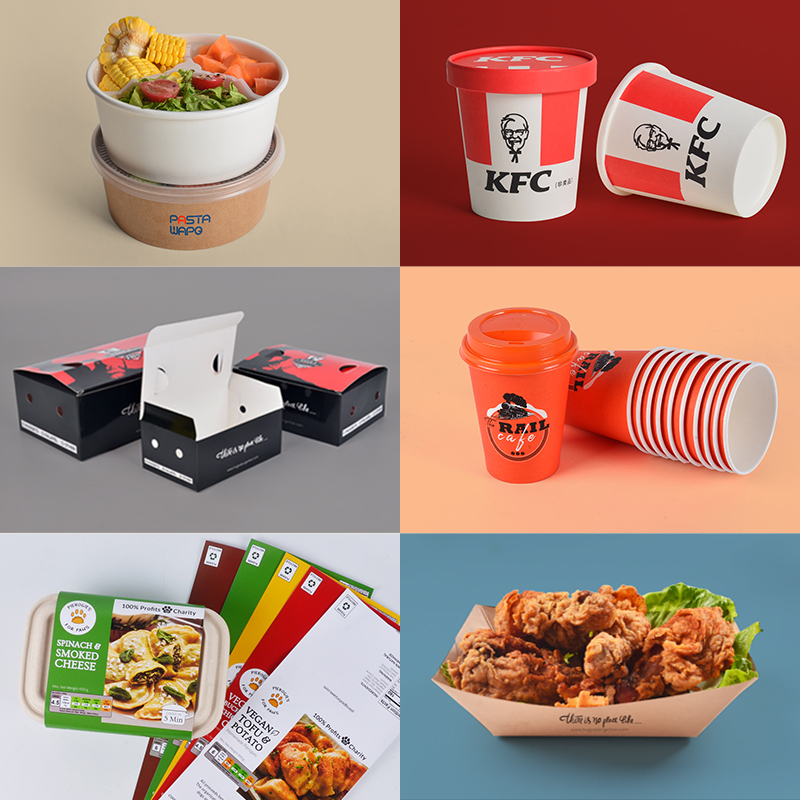
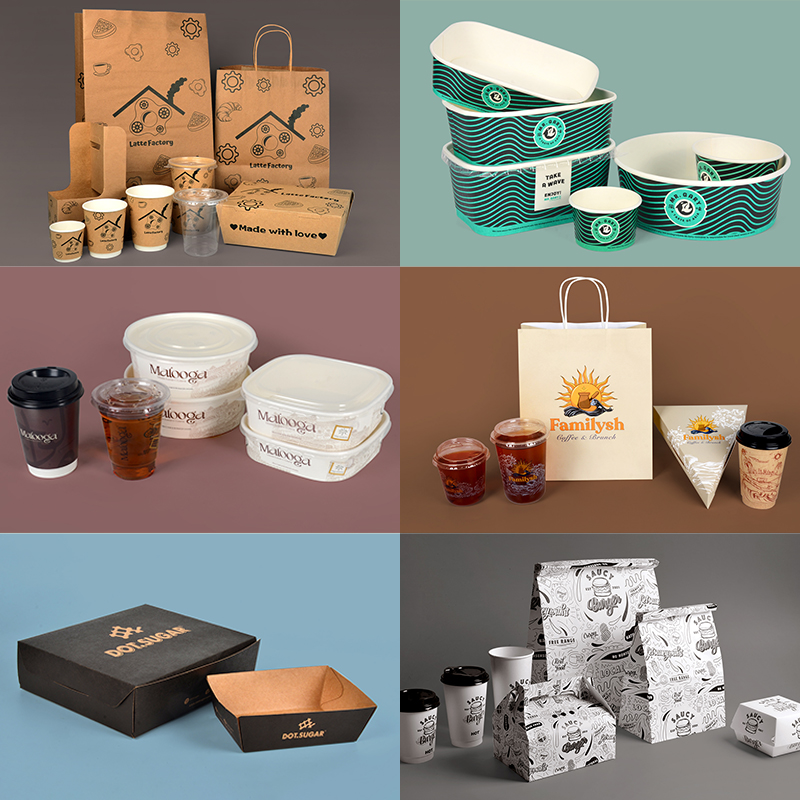
paper takeaway food containers (3).jpgpaper packaging solutions (3).jpg

Consumer Perception and Market Positioning

Building Trust Through Transparent Sustainability Practices

Consumer research consistently demonstrates that buyers are willing to pay premium prices for products and services from brands that demonstrate genuine environmental commitment. Paper bowls serve as visible symbols of a company's sustainability efforts, creating immediate positive impressions with customers who value eco-friendly business practices. This visual communication of environmental responsibility helps build brand trust and loyalty without requiring extensive marketing campaigns or complex messaging strategies.

The tactile and visual qualities of well-designed paper bowls can enhance the overall customer experience while reinforcing sustainability messaging. Premium paper bowls with attractive designs and robust construction quality demonstrate that environmental responsibility doesn't require sacrificing functionality or aesthetic appeal. This balance helps brands position themselves as innovative and customer-focused while maintaining their environmental commitments.

Differentiation in Competitive Markets

In saturated food service markets, the choice to use sustainable paper bowls can provide significant competitive advantages that extend beyond basic functionality. Brands that consistently use eco-friendly serving materials create distinctive brand experiences that customers remember and share with others. This word-of-mouth marketing amplification becomes particularly valuable in social media environments where consumers actively promote businesses that align with their personal values and environmental concerns.

The adoption of paper bowls also enables brands to participate in industry sustainability initiatives and certifications that provide third-party validation of their environmental efforts. These credentials can open new market opportunities, attract environmentally conscious corporate clients, and support premium pricing strategies that improve profit margins while reinforcing brand positioning as industry leaders in sustainable business practices.

Operational Benefits and Brand Consistency

Cost-Effective Sustainability Implementation

High-quality paper bowls offer practical advantages that support both operational efficiency and brand image enhancement without requiring significant infrastructure investments. The lightweight nature of paper bowls reduces shipping costs and storage requirements compared to ceramic or glass alternatives, while their disposable design eliminates dishwashing expenses and water usage associated with reusable serving ware. These operational savings can offset any price premiums while delivering environmental benefits that enhance brand reputation.

The versatility of paper bowls makes them suitable for diverse food service applications, from casual dining establishments to corporate catering events and outdoor festivals. This flexibility allows brands to maintain consistent sustainability messaging across different operational contexts while adapting to varying customer needs and service environments. The ability to customize paper bowls with brand logos and designs further reinforces brand identity while communicating environmental values.

Supply Chain Sustainability and Brand Integrity

Sourcing paper bowls from certified sustainable suppliers enables brands to extend their environmental commitments throughout their supply chains, creating comprehensive sustainability strategies that withstand scrutiny from environmentally aware stakeholders. Working with suppliers who use responsibly sourced materials and sustainable manufacturing processes reinforces brand authenticity and demonstrates genuine commitment to environmental stewardship rather than superficial marketing tactics.

The traceability of sustainable paper bowl supply chains provides brands with concrete stories and data points that support marketing communications and sustainability reporting requirements. This transparency helps build credibility with customers, investors, and regulatory bodies who increasingly demand detailed information about corporate environmental practices and supply chain responsibility initiatives.

Marketing Advantages and Brand Storytelling

Creating Authentic Environmental Narratives

Paper bowls provide tangible evidence of environmental commitment that brands can incorporate into compelling storytelling that resonates with target audiences across multiple marketing channels. The transition from plastic to paper serving materials creates natural opportunities for brands to communicate their evolution toward more sustainable practices while highlighting their responsiveness to customer values and environmental concerns.

Visual marketing campaigns featuring paper bowls in use can effectively communicate sustainability messages without requiring extensive explanatory text or complex environmental claims that may confuse or overwhelm consumers. The immediate recognition of paper as an environmentally preferable alternative to plastic creates instant positive brand associations that support broader sustainability positioning and marketing objectives.

Social Media Engagement and Brand Advocacy

Customers often share positive experiences with brands that demonstrate environmental responsibility, creating organic social media content that amplifies sustainability messaging without additional marketing investment. Paper bowls serve as photogenic props in user-generated content that showcases both food presentation and environmental consciousness, providing authentic brand advocacy that reaches extended social networks with high credibility and engagement rates.

The visual appeal of well-designed paper bowls enhances food photography and social media sharing, creating natural opportunities for customers to showcase their dining experiences while inadvertently promoting the brand's sustainability efforts. This organic marketing amplification provides valuable brand exposure while reinforcing positive associations with environmental responsibility and innovative business practices.

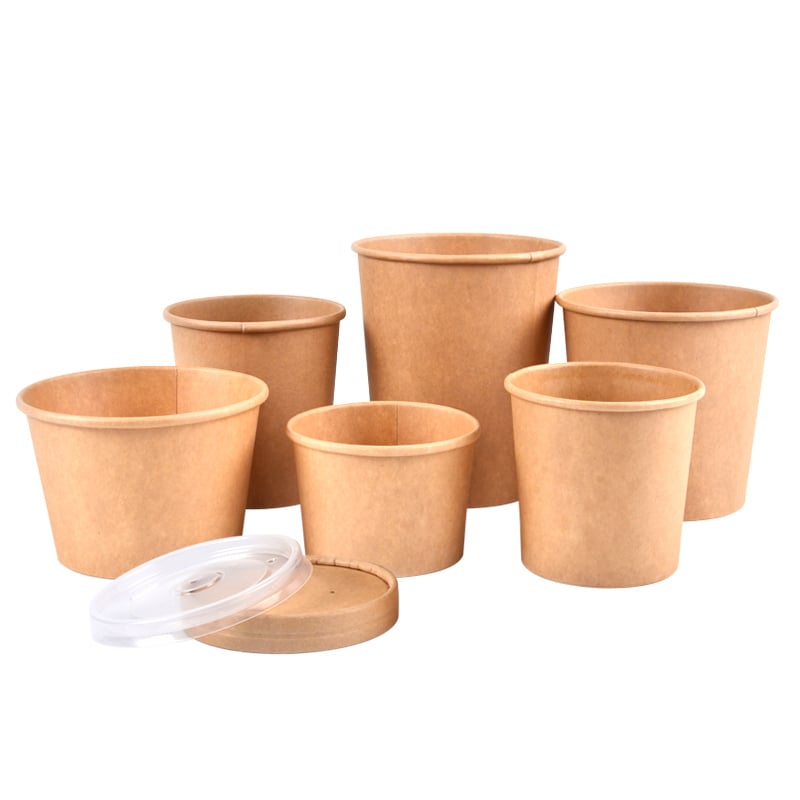
paper soup bowls with lids (1).jpg

Long-Term Brand Value and Market Positioning

Future-Proofing Brand Reputation

As environmental regulations continue to tighten and consumer expectations for corporate sustainability increase, brands that proactively adopt paper bowls position themselves advantageously for future market conditions. Early adoption of sustainable practices creates competitive moats that become increasingly difficult for competitors to overcome as environmental standards become mandatory rather than optional in many jurisdictions.

The investment in sustainable paper bowls and related operational changes demonstrates forward-thinking leadership that appeals to investors, employees, and customers who prioritize long-term environmental and business sustainability over short-term cost optimization. This strategic positioning helps brands attract top talent, secure favorable financing terms, and build resilient customer relationships that withstand competitive pressures and market fluctuations.

Innovation and Continuous Improvement Opportunities

The paper bowl market continues to evolve with innovations in materials, manufacturing processes, and design capabilities that provide ongoing opportunities for brands to enhance their sustainability positioning while improving operational efficiency. Companies that establish relationships with innovative paper bowl suppliers gain access to cutting-edge products and technologies that support continuous improvement in environmental performance and customer experience.

Collaboration with paper bowl manufacturers on custom solutions and sustainable innovations can create unique competitive advantages while demonstrating industry leadership in environmental stewardship. These partnerships often generate intellectual property, operational efficiencies, and marketing opportunities that provide lasting value beyond the immediate benefits of using sustainable serving materials.

FAQ

How do paper bowls compare to plastic alternatives in terms of cost and functionality?

High-quality paper bowls typically cost slightly more per unit than plastic alternatives, but this price difference is often offset by reduced waste disposal costs, positive brand perception benefits, and potential premium pricing opportunities. Modern paper bowls offer comparable functionality to plastic options, with moisture resistance, structural integrity, and temperature tolerance suitable for most food service applications. The total cost of ownership often favors paper bowls when factoring in brand benefits and operational advantages.

Can paper bowls maintain food safety standards in commercial food service operations?

Yes, certified food-grade paper bowls meet or exceed food safety standards required for commercial food service operations. Reputable manufacturers use food-safe coatings and materials that prevent contamination while maintaining structural integrity during normal use. Many paper bowls carry FDA approvals and industry certifications that ensure compliance with health department requirements and food safety regulations across different jurisdictions.

What should brands consider when selecting paper bowl suppliers for optimal sustainability benefits?

Brands should evaluate suppliers based on their use of certified sustainable materials, manufacturing process efficiency, supply chain transparency, and third-party environmental certifications. Key considerations include the percentage of recycled content, forest certification credentials, local sourcing capabilities to reduce transportation impacts, and the supplier's own sustainability commitments and practices. Additionally, suppliers who offer customization options and innovative product development capabilities can provide ongoing value as sustainability standards evolve.

How can businesses effectively communicate their use of sustainable paper bowls to customers?

Effective communication strategies include subtle visual cues like table tent cards or menu callouts highlighting sustainable serving materials, social media content showcasing the paper bowls in use, and staff training to mention sustainability efforts when appropriate during customer interactions. The key is to communicate environmental benefits naturally without overwhelming customers with excessive messaging, allowing the visible use of paper bowls to reinforce broader sustainability positioning through consistent brand experiences.