Get a Free Quote

Our representative will contact you soon.
Email
Phone/WhatsApp
Name
Company Name
Message
0/1000

What Makes Kraft Bowls a Sustainable Choice for Food Packaging?

2025-12-17 10:14:00
What Makes Kraft Bowls a Sustainable Choice for Food Packaging?

Modern food service operations face mounting pressure to adopt environmentally responsible packaging solutions while maintaining functionality and cost-effectiveness. Among the various sustainable alternatives emerging in the market, kraft bowls have established themselves as a leading choice for restaurants, cafes, catering services, and food delivery businesses seeking to reduce their environmental footprint without compromising on quality or performance.

The shift toward sustainable packaging represents more than just an environmental trend; it reflects a fundamental transformation in how businesses approach their operational responsibilities. Kraft bowls exemplify this evolution by combining renewable materials with practical design features that meet the demanding requirements of contemporary food service applications. Their versatility spans from serving hot soups and stews to cold salads and desserts, making them an invaluable asset for diverse culinary operations.

Understanding the comprehensive benefits of kraft bowls requires examining their material composition, manufacturing processes, and end-of-life disposal options. These containers represent a sophisticated approach to sustainable packaging that addresses multiple environmental concerns while delivering the reliability and performance standards expected by professional food service operators.

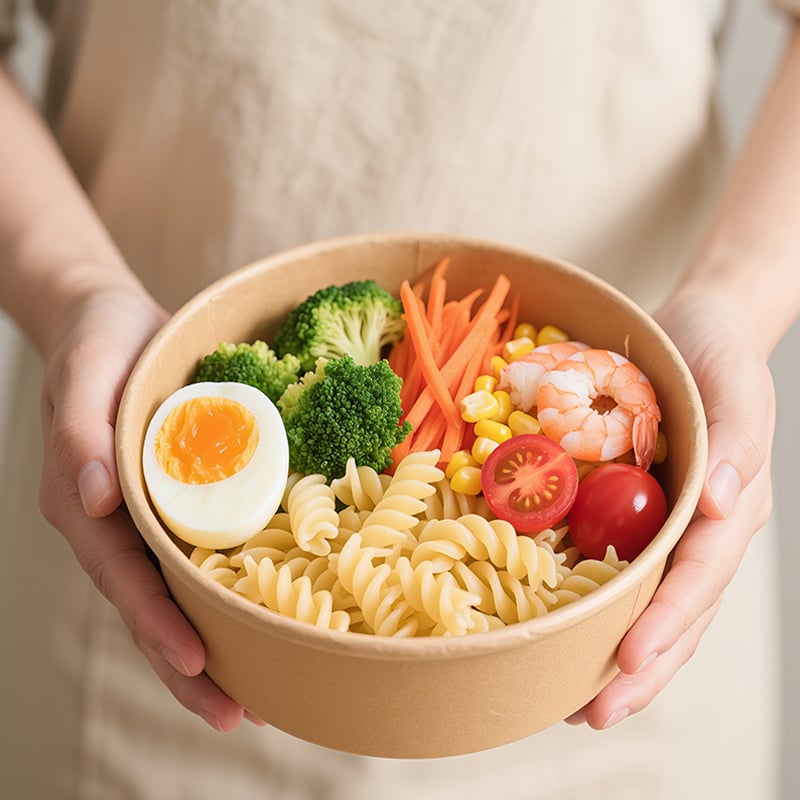
kraft paper salad bowl (3).jpg

Environmental Impact and Sustainability Benefits

Renewable Material Composition

The foundation of kraft bowls lies in their construction from renewable kraft paper, derived primarily from responsibly managed forest resources. This material base distinguishes them from traditional plastic containers that rely on finite petroleum-based resources. The kraft paper manufacturing process utilizes wood fibers that can be continuously replenished through sustainable forestry practices, creating a circular resource model that supports long-term environmental health.

Manufacturing processes for kraft bowls typically incorporate recycled paper content, further reducing the demand for virgin materials. This approach minimizes the overall environmental footprint by extending the useful life of existing paper fibers while reducing waste streams. The integration of recycled content demonstrates how kraft bowls contribute to a more efficient material utilization system within the packaging industry.

The natural brown appearance of kraft bowls results from minimal bleaching processes, which significantly reduces the chemical inputs required during manufacturing. This approach contrasts sharply with heavily processed white paper products that require intensive bleaching treatments. The reduced chemical processing not only decreases environmental impact but also preserves the natural strength characteristics of the wood fibers.

Biodegradability and Compostability Features

One of the most significant advantages of kraft bowls is their ability to decompose naturally in appropriate composting environments. Unlike plastic containers that can persist in landfills for hundreds of years, kraft bowls typically break down within 90 to 120 days under proper composting conditions. This rapid decomposition timeline makes them compatible with both commercial and home composting systems.

The compostability of kraft bowls extends beyond mere decomposition to include nutrient contribution to soil health. As these containers break down, they release organic matter that enriches compost with beneficial nutrients for plant growth. This characteristic transforms waste disposal from an environmental burden into a resource recovery opportunity, supporting sustainable agricultural practices.

Commercial composting facilities have increasingly recognized kraft bowls as preferred inputs for their operations due to their consistent decomposition rates and minimal contamination risks. The predictable breakdown timeline allows facility operators to manage their composting cycles more effectively while producing higher-quality finished compost products.

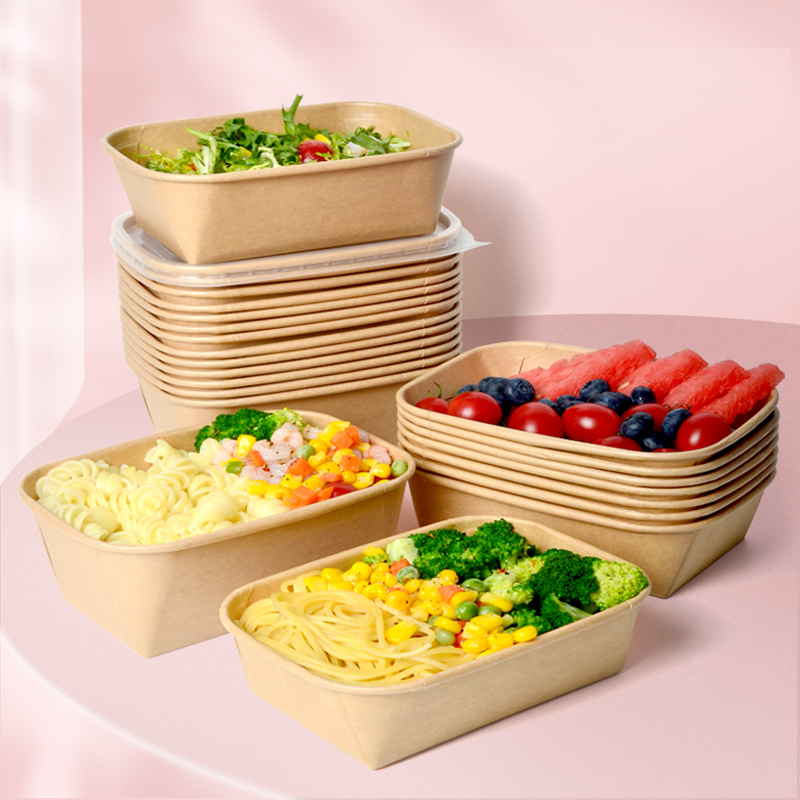
kraft salad bowl (1).jpg

Performance Characteristics and Durability

Structural Integrity and Heat Resistance

Professional food service applications demand packaging solutions that maintain structural integrity under various temperature conditions and moisture levels. Kraft bowls excel in these challenging environments through their engineered construction that balances flexibility with strength. The natural fiber structure provides excellent resistance to warping and deformation even when containing hot liquids or steaming foods.

Heat resistance capabilities of kraft bowls make them suitable for serving temperatures up to 200 degrees Fahrenheit without compromising container integrity. This temperature tolerance accommodates most hot food applications while maintaining safe handling characteristics for both staff and customers. The thermal properties of kraft paper also provide effective insulation, protecting hands from heat while maintaining food temperature longer than many alternative materials.

Advanced manufacturing techniques have enhanced the moisture resistance of modern kraft bowls through specialized coatings and treatments. These improvements allow the containers to hold liquid-based foods without rapid deterioration while preserving their eco-friendly characteristics. The balance between moisture resistance and environmental compatibility represents a significant technological achievement in sustainable packaging development.

Size Versatility and Customization Options

The manufacturing flexibility of kraft bowls enables production in diverse sizes and configurations to meet specific operational requirements. From small portion containers suitable for sauces and side dishes to large family-size bowls for sharing meals, the range accommodates virtually any food service application. This versatility eliminates the need for multiple packaging material types, simplifying inventory management and reducing procurement complexity.

Customization possibilities extend beyond size variations to include branding opportunities through printing and embossing techniques. Food service businesses can incorporate their logos, messaging, or decorative elements directly onto kraft bowls, creating cohesive brand experiences while maintaining their commitment to sustainability. The natural kraft surface provides an attractive canvas for various printing methods without compromising environmental benefits.

Shape modifications allow kraft bowls to serve specialized purposes such as compartmentalized containers for combination meals or shallow designs optimized for salads and grain bowls. This design flexibility ensures that sustainable packaging choices do not limit menu creativity or presentation quality, supporting diverse culinary concepts within environmentally responsible frameworks.

Economic Advantages for Food Service Operations

Cost-Effectiveness and Supply Chain Benefits

The economic viability of kraft bowls extends beyond their initial purchase price to encompass comprehensive cost considerations including storage efficiency, handling requirements, and disposal expenses. Their lightweight construction reduces shipping costs and storage space requirements compared to heavier alternatives, directly impacting operational expenses. The stackable design maximizes storage density, allowing businesses to maintain adequate inventory levels without excessive space allocation.

Supply chain reliability for kraft bowls benefits from the established paper manufacturing infrastructure and diverse supplier networks. This market maturity provides price stability and availability assurance that emerging packaging technologies may not offer. The widespread production capability reduces dependency on specific geographic regions or limited supplier bases, supporting consistent operations even during supply chain disruptions.

Bulk purchasing opportunities for kraft bowls often provide significant cost reductions for high-volume food service operations. The standardized manufacturing processes and economies of scale in paper production translate into competitive pricing structures that make sustainable choices economically attractive. These cost benefits help offset any premium associated with environmental responsibility, making sustainability decisions more straightforward for budget-conscious operators.

Regulatory Compliance and Market Positioning

Growing regulatory pressure on single-use packaging creates competitive advantages for businesses that proactively adopt sustainable alternatives like kraft bowls. Many jurisdictions have implemented or are considering restrictions on plastic packaging, making early adoption of compliant alternatives a strategic necessity. Kraft bowls position businesses ahead of regulatory curves while avoiding potential future compliance costs and operational disruptions.

Consumer preference trends increasingly favor businesses that demonstrate environmental responsibility through their packaging choices. Kraft bowls serve as visible symbols of sustainability commitment that can differentiate brands in competitive markets. This positioning advantage often translates into customer loyalty benefits and premium pricing opportunities that offset any additional packaging costs.

Marketing value derived from sustainable packaging choices extends beyond direct customer interactions to include social media presence and public relations opportunities. The photogenic quality of kraft bowls combined with their environmental story creates compelling content for digital marketing campaigns. This secondary value proposition enhances the overall return on investment for sustainable packaging decisions.

Implementation Considerations and Best Practices

Storage and Handling Requirements

Proper storage conditions are essential for maintaining the quality and performance characteristics of kraft bowls throughout their shelf life. These containers require protection from excessive moisture and humidity that could compromise their structural integrity before use. Climate-controlled storage areas with relative humidity below 60 percent provide optimal conditions for long-term inventory management without quality deterioration.

Handling procedures should account for the paper-based construction of kraft bowls to prevent damage during transportation and preparation activities. Staff training on appropriate handling techniques reduces waste from damaged containers while ensuring consistent presentation quality. The development of standard operating procedures for kraft bowl usage helps maximize their performance benefits while minimizing operational challenges.

Inventory rotation practices become particularly important with kraft bowls due to their organic material composition. First-in-first-out rotation systems prevent extended storage periods that might affect container quality. Regular inventory assessments help identify optimal stock levels that balance availability requirements with freshness considerations, supporting consistent operational performance.

Quality Assurance and Supplier Selection

Selecting reliable suppliers for kraft bowls requires evaluation of manufacturing standards, quality control procedures, and sustainability certifications. Suppliers with established quality management systems provide consistency assurance that supports predictable operational performance. Third-party certifications such as Forest Stewardship Council approval verify the environmental claims associated with kraft bowl products.

Quality specifications should address performance characteristics relevant to specific food service applications, including temperature resistance, moisture tolerance, and structural strength requirements. Clear specification communication with suppliers ensures product consistency and reduces the risk of performance issues during peak operational periods. Regular quality audits and performance monitoring help maintain standards over time.

Supplier relationships benefit from long-term partnerships that provide mutual benefits through volume commitments and collaborative improvement initiatives. Established relationships often yield priority access during supply shortages and opportunities for customization or specification modifications. These partnerships support operational stability while advancing sustainability objectives through supplier engagement.

FAQ

Are kraft bowls suitable for microwave heating

Most kraft bowls are microwave-safe for reheating food, though heating times should be limited to prevent overheating. The natural kraft paper material typically handles microwave energy well without dangerous chemical reactions or structural failure. However, any plastic linings or specialized coatings may affect microwave compatibility, so checking with manufacturers is recommended for specific products and applications.

How do kraft bowls compare to plastic containers in terms of cost

While kraft bowls may have slightly higher initial costs compared to basic plastic containers, their total cost of ownership often proves competitive when considering disposal expenses, regulatory compliance costs, and marketing value. The price differential has decreased significantly as kraft bowl production has scaled up and plastic waste disposal costs have increased in many markets. Many operations find the sustainability benefits justify any modest cost premium.

What disposal options work best for used kraft bowls

Kraft bowls offer multiple end-of-life disposal options including commercial composting, home composting, and traditional recycling programs depending on local infrastructure. Composting provides the most environmental benefit by returning organic matter to soil systems. When composting is not available, kraft bowls can typically be processed through paper recycling streams, though food contamination may limit this option in some facilities.

Can kraft bowls maintain food safety standards in commercial kitchens

Kraft bowls manufactured for food service applications meet relevant food safety standards and regulations when used according to manufacturer guidelines. The paper-based construction does not harbor bacteria growth when properly stored and handled. However, their porous nature means they should not be reused after food contact, and proper storage conditions are essential to prevent contamination before use.