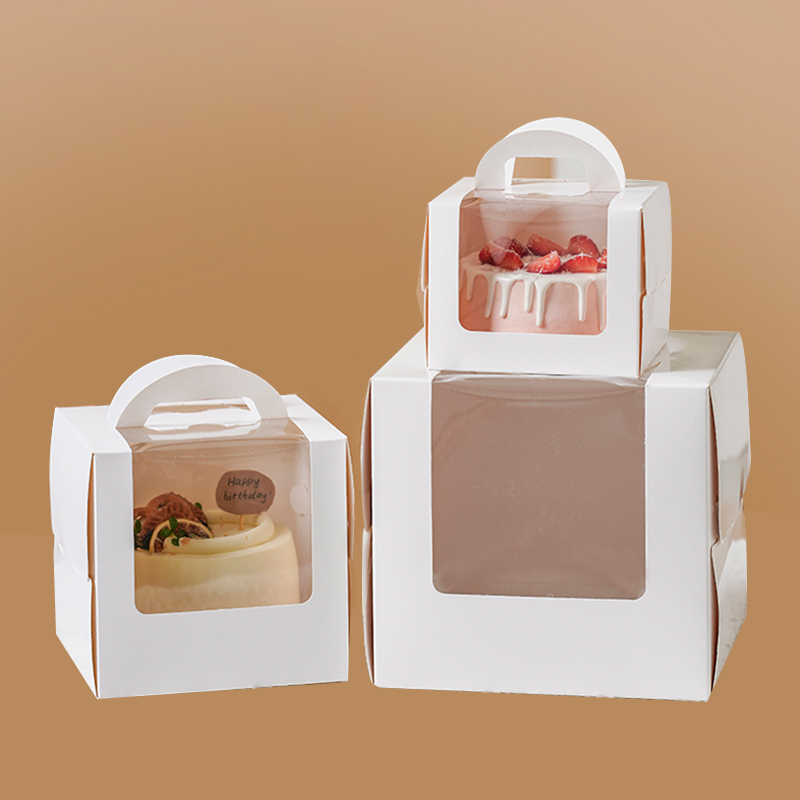
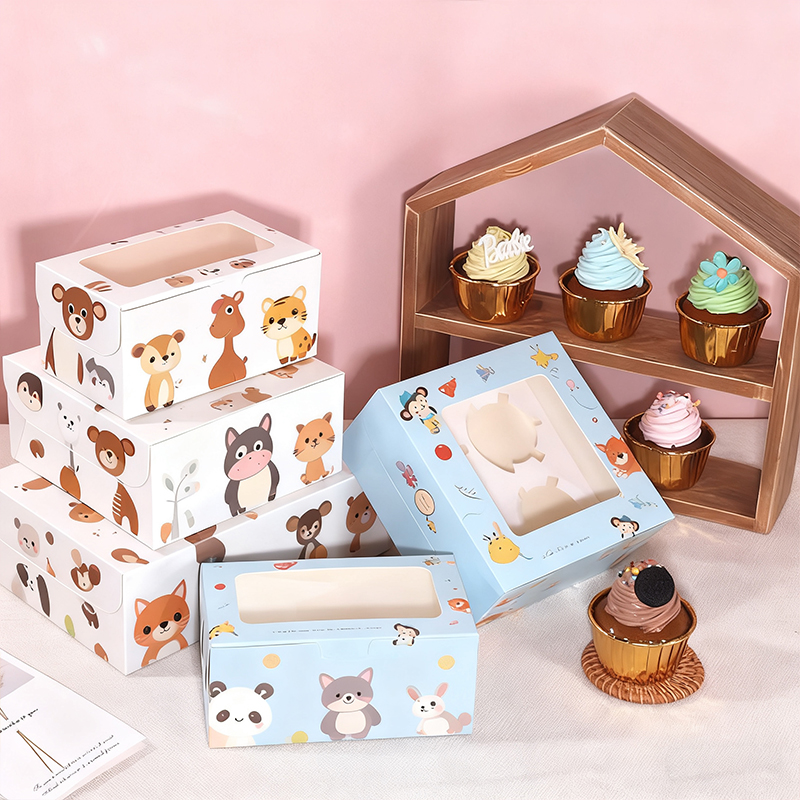
Modern bakeries and confectioneries face increasing pressure to adopt environmentally responsible packaging solutions while maintaining product quality and visual appeal. Paper cake boxes have emerged as a leading sustainable packaging option that addresses both environmental concerns and practical business needs. These eco-friendly containers offer exceptional versatility, cost-effectiveness, and environmental benefits that make them an intelligent choice for businesses seeking to reduce their carbon footprint without compromising on functionality or aesthetics.
Environmental Benefits of Paper Cake Boxes
Biodegradability and Composting Advantages
Paper cake boxes offer significant environmental advantages through their natural biodegradability and compostability. Unlike plastic alternatives that can persist in landfills for hundreds of years, paper cake boxes decompose naturally within months when properly disposed of. This rapid breakdown process significantly reduces long-term environmental impact and supports circular economy principles. Commercial composting facilities can process these containers efficiently, converting them into nutrient-rich soil amendments that benefit agricultural applications.
The composting process for paper cake boxes typically requires 90 to 180 days under optimal conditions, depending on the thickness and coating materials used. Many manufacturers now produce paper cake boxes using water-based inks and minimal chemical treatments, further enhancing their compostability. This approach ensures that the entire packaging solution returns to the earth safely without leaving harmful residues or contributing to soil contamination.
Renewable Resource Foundation
The production of paper cake boxes relies primarily on renewable forest resources that can be sustainably managed and replanted. Responsible forestry practices ensure that raw materials for these containers are harvested from well-managed forests that maintain biodiversity and ecosystem health. Many paper manufacturers now source their materials from certified sustainable forests, providing transparency and accountability in the supply chain.
Advanced manufacturing techniques have also improved the efficiency of paper production, reducing water consumption and energy requirements. Modern paper mills implement closed-loop systems that recycle process water and utilize biomass energy from wood waste, further minimizing the environmental footprint of paper cake boxes. These improvements make paper packaging increasingly attractive for environmentally conscious businesses and consumers.

Manufacturing and Material Innovation
Advanced Paper Technologies
Contemporary paper cake boxes benefit from significant technological advances in paper manufacturing and treatment processes. Modern barrier coatings provide excellent moisture resistance while maintaining the eco-friendly characteristics of paper substrates. These innovations allow paper cake boxes to protect delicate baked goods effectively without requiring plastic liners or synthetic materials that compromise sustainability goals.
Nano-cellulose treatments and bio-based barrier films represent cutting-edge developments in paper packaging technology. These solutions enhance the structural integrity and protective properties of paper cake boxes while maintaining their biodegradable characteristics. The application of these advanced materials allows manufacturers to produce containers that rival traditional plastic packaging in terms of functionality and durability.
Customization and Printing Capabilities
Modern paper cake boxes offer exceptional customization opportunities through advanced printing and finishing techniques. Digital printing technologies enable high-resolution graphics, vibrant colors, and intricate designs that enhance brand visibility and customer appeal. These capabilities allow bakeries and confectioneries to create distinctive packaging that reflects their brand identity while supporting sustainability objectives.
Specialized finishing options such as embossing, debossing, and foil stamping can be applied to paper cake boxes using environmentally friendly processes. Water-based adhesives and plant-based foils ensure that decorative elements do not compromise the recyclability or compostability of the final product. This flexibility enables businesses to achieve premium packaging aesthetics while maintaining their environmental commitments.
Cost Efficiency and Business Benefits
Economic Advantages in Production
Paper cake boxes typically offer superior cost efficiency compared to alternative packaging materials, particularly when considering long-term operational expenses and environmental compliance costs. The raw materials for paper packaging are generally more affordable and stable in pricing than petroleum-based plastics, providing businesses with greater budget predictability. Large-scale production runs of paper cake boxes benefit from economies of scale, further reducing unit costs for high-volume users.
Manufacturing processes for paper cake boxes require less energy-intensive production methods compared to plastic molding or metal fabrication. This efficiency translates into lower production costs and reduced carbon emissions during manufacturing. Additionally, the lighter weight of paper cake boxes compared to rigid plastic or metal alternatives results in significant savings in shipping and transportation costs, particularly for businesses that distribute products across wide geographic areas.
Regulatory Compliance and Market Positioning
Adopting paper cake boxes helps businesses stay ahead of increasingly stringent environmental regulations and packaging waste reduction mandates. Many jurisdictions now impose taxes or restrictions on single-use plastic packaging, making sustainable alternatives like paper containers more economically attractive. Companies using paper cake boxes can position themselves as environmentally responsible brands, appealing to growing consumer segments that prioritize sustainability in their purchasing decisions.
Market research consistently shows that consumers are willing to pay premium prices for products packaged in environmentally friendly materials. Paper cake boxes enable businesses to capitalize on this trend while demonstrating genuine commitment to environmental stewardship. This positioning advantage can translate into increased customer loyalty, improved brand reputation, and access to new market segments that prioritize sustainability.

Practical Applications and Performance
Structural Integrity and Protection
Well-designed paper cake boxes provide excellent structural support and protection for various baked goods, from delicate pastries to substantial layer cakes. Advanced folding techniques and reinforcement strategies ensure that these containers maintain their shape under normal handling conditions while providing adequate cushioning for fragile contents. The natural properties of paper allow for controlled moisture management, helping to maintain optimal product freshness during storage and transport.
Engineering improvements in paper cake boxes include strategically placed creases, interlocking tabs, and reinforced corners that enhance overall durability. These design elements enable the containers to withstand stacking pressures and handling stresses commonly encountered in commercial bakery operations. Quality paper substrates resist tearing and puncturing while maintaining sufficient flexibility for easy assembly and closure.
Versatility Across Product Categories
Paper cake boxes demonstrate remarkable versatility in accommodating diverse product sizes, shapes, and presentation requirements. Modular design approaches allow manufacturers to create comprehensive packaging systems that serve multiple product categories using standardized production processes. This flexibility reduces inventory complexity for bakeries while ensuring consistent brand presentation across different product lines.
Specialty configurations of paper cake boxes can accommodate unique product requirements such as individual cupcakes, multi-tier cakes, or combination product assortments. Removable inserts, adjustable dividers, and convertible designs extend the functionality of basic paper containers without requiring completely separate packaging solutions. This adaptability makes paper cake boxes particularly valuable for businesses offering diverse product portfolios or seasonal specialties.
Supply Chain and Distribution Advantages
Storage and Handling Efficiency
Paper cake boxes offer significant logistical advantages through their efficient storage characteristics and lightweight construction. These containers can be shipped flat-packed, dramatically reducing storage space requirements and transportation volumes during distribution to end users. The ability to store large quantities of paper cake boxes in compact configurations enables businesses to maintain adequate inventory levels without dedicating excessive warehouse space to packaging materials.
Quick assembly processes make paper cake boxes practical for high-volume operations where packaging efficiency directly impacts productivity and labor costs. Most designs can be assembled in seconds without requiring specialized tools or extensive training. This ease of use reduces labor expenses and minimizes packaging errors that could compromise product presentation or protection during distribution.
Global Availability and Sourcing
The widespread availability of paper manufacturing facilities ensures reliable supply chains for paper cake boxes across most global markets. Local and regional suppliers can typically provide these containers with shorter lead times and reduced transportation costs compared to specialized plastic packaging that may require international sourcing. This accessibility supports business continuity and reduces supply chain risks associated with single-source dependencies.
Standardized manufacturing processes and material specifications enable businesses to qualify multiple suppliers for paper cake boxes, creating competitive sourcing opportunities and price stability. The commodity nature of paper raw materials provides transparency in pricing structures and reduces the impact of supply chain disruptions that can affect more specialized packaging materials.
Consumer Perception and Market Trends
Sustainability Messaging and Brand Value
Paper cake boxes serve as powerful vehicles for communicating environmental responsibility and brand values to consumers. The visible choice to use sustainable packaging materials sends clear signals about company priorities and commitments that resonate with environmentally conscious customers. This messaging opportunity extends beyond the immediate product transaction to create lasting impressions that influence customer loyalty and word-of-mouth recommendations.
Research indicates that packaging materials significantly influence consumer perceptions of product quality and brand trustworthiness. Paper cake boxes convey authenticity, craftsmanship, and attention to detail that align with premium positioning strategies common in artisanal and specialty food markets. The tactile experience of handling paper packaging creates positive sensory associations that enhance overall customer satisfaction and brand recall.
Demographic Preferences and Market Evolution
Younger consumer demographics increasingly prioritize environmental considerations in their purchasing decisions, making paper cake boxes strategically important for businesses targeting millennial and generation Z customers. These market segments actively seek out brands that demonstrate genuine environmental commitment through tangible actions such as sustainable packaging choices. Paper cake boxes enable businesses to authentically connect with these valuable customer segments while supporting long-term market positioning objectives.
Corporate purchasing decisions also increasingly incorporate sustainability criteria, creating opportunities for businesses using paper cake boxes to access institutional and commercial markets. Organizations implementing green procurement policies specifically favor suppliers who demonstrate environmental responsibility through their operations and material choices. This trend creates competitive advantages for businesses adopting sustainable packaging solutions early in the market transition.
FAQ
How do paper cake boxes compare to plastic alternatives in terms of moisture protection
Modern paper cake boxes incorporate advanced barrier coatings and treatments that provide excellent moisture protection comparable to plastic alternatives. These bio-based barrier films and nano-cellulose treatments maintain the breathability advantages of paper while preventing moisture migration that could compromise product quality. The controlled moisture management properties of paper actually benefit many baked goods by allowing excess moisture to escape gradually, preventing condensation that can cause sogginess or texture degradation.
What are the cost implications of switching to paper cake boxes from traditional packaging
The initial cost of paper cake boxes may be slightly higher than basic plastic alternatives, but the total cost of ownership typically favors paper packaging when considering factors such as regulatory compliance, brand positioning benefits, and transportation savings. The lighter weight of paper containers reduces shipping costs, while their flat-pack storage efficiency minimizes warehousing expenses. Additionally, avoiding potential plastic packaging taxes and positioning advantages with environmentally conscious consumers often offset any initial cost premiums.
Are paper cake boxes suitable for all types of baked goods and confections
Paper cake boxes work exceptionally well for most baked goods, including cakes, cupcakes, pastries, cookies, and similar confections. Products with high oil content or extended shelf life requirements may benefit from specialized barrier coatings or hybrid designs that combine paper exteriors with minimal food-safe liner materials. The key is matching the specific paper cake box configuration and treatment to the moisture content, storage duration, and handling requirements of individual products.
How should businesses dispose of used paper cake boxes to maximize environmental benefits
Used paper cake boxes should be cleaned of food residue and separated from any non-paper components before disposal. Clean containers can be recycled through standard paper recycling programs, while those with food contamination should be directed to commercial composting facilities where available. Businesses can enhance their environmental impact by educating customers about proper disposal methods and partnering with local waste management providers to ensure optimal end-of-life processing for their packaging materials.
Table of Contents
- Environmental Benefits of Paper Cake Boxes
- Manufacturing and Material Innovation
- Cost Efficiency and Business Benefits
- Practical Applications and Performance
- Supply Chain and Distribution Advantages
- Consumer Perception and Market Trends
-
FAQ
- How do paper cake boxes compare to plastic alternatives in terms of moisture protection
- What are the cost implications of switching to paper cake boxes from traditional packaging
- Are paper cake boxes suitable for all types of baked goods and confections
- How should businesses dispose of used paper cake boxes to maximize environmental benefits