 EN
EN


The food service industry is undergoing a remarkable transformation as businesses increasingly prioritize sustainability without compromising functionality. Among the most notable trends emerging in recent years is the growing adoption of square bowls across restaurants, catering companies, and food delivery services. These innovative containers represent more than just a design choice; they embody a shift toward efficient space utilization, enhanced presentation, and environmental responsibility that modern consumers demand.
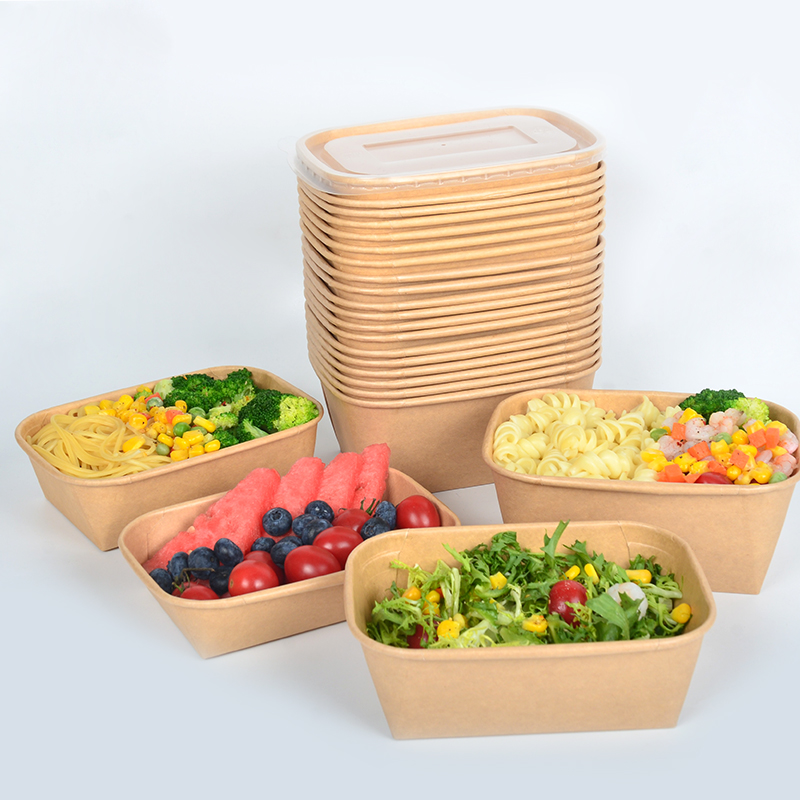
Food service operators worldwide are discovering that square bowls offer distinct advantages over traditional round alternatives. The geometric efficiency of square containers maximizes storage capacity while minimizing waste, creating a compelling case for businesses seeking to optimize their operations. Additionally, the aesthetic appeal of square bowls has captured the attention of chefs and food stylists who appreciate their modern, sophisticated appearance that enhances food presentation.
Design Innovation Drives Market Adoption
Space Optimization Benefits
Square bowls excel in maximizing storage efficiency through their geometric design principles. Unlike round containers that create unusable gaps when packed together, square bowls nest perfectly in storage areas, refrigeration units, and transport containers. This space optimization translates directly into cost savings for food service operations, as businesses can store more inventory in existing spaces without requiring additional storage infrastructure.
Restaurant kitchens benefit significantly from the stackability of square bowls, which allows for organized storage systems that improve workflow efficiency. The uniform shape enables kitchen staff to quickly locate specific sizes and quantities, reducing preparation time and minimizing operational disruptions. This systematic approach to storage also reduces the risk of cross-contamination by maintaining clear separation between different food items.
Enhanced Visual Presentation
The clean lines and modern aesthetic of square bowls have revolutionized food presentation standards across the industry. Culinary professionals appreciate how the angular design creates distinct visual boundaries that highlight ingredient colors and textures more effectively than curved surfaces. This enhanced presentation capability has made square bowls particularly popular among upscale establishments and catering services focused on premium presentation.
Food photographers and social media marketers have embraced square bowls for their photogenic qualities that translate well across digital platforms. The structured appearance of square containers creates more compelling visual compositions that perform better in marketing materials and online ordering platforms. This aesthetic advantage has influenced many food businesses to adopt square bowls as part of their brand identity and customer experience strategy.
Sustainability Factors Influencing Adoption
Material Efficiency and Waste Reduction
Manufacturing square bowls requires less material per unit volume compared to round alternatives, contributing to reduced environmental impact throughout the production process. The geometric efficiency of square designs allows manufacturers to optimize material usage while maintaining structural integrity and durability standards. This material efficiency translates into lower production costs and reduced environmental footprint, aligning with corporate sustainability goals.
The standardized dimensions of square bowls facilitate better recycling processes and waste management systems. Recycling facilities can process square containers more efficiently due to their uniform shape and consistent material distribution. This improved recyclability supports circular economy principles that many food service businesses are incorporating into their environmental strategies.
Transportation and Logistics Advantages
Square bowls optimize shipping efficiency by maximizing container utilization during transportation. The ability to pack square containers without wasted space reduces the number of shipments required, thereby decreasing fuel consumption and carbon emissions associated with logistics operations. This transportation efficiency has become increasingly important as businesses seek to reduce their overall environmental impact.
Delivery services particularly benefit from the compact nature of square bowls, which allows for more orders per delivery vehicle and reduces the number of trips required. This improved delivery efficiency not only reduces operational costs but also minimizes the environmental impact of food delivery services, supporting sustainability initiatives while improving customer service capabilities.
Market Trends Shaping Industry Preferences
Consumer Demand for Innovative Packaging
Modern consumers increasingly value unique and thoughtful packaging solutions that reflect quality and innovation. Square bowls meet this demand by offering a distinctive alternative to conventional round containers while providing practical benefits that enhance the overall dining experience. Consumer research indicates that innovative packaging designs influence purchasing decisions and brand loyalty, particularly among younger demographics.
The premium appearance of square bowls aligns with consumer expectations for high-quality food service experiences. Customers associate the modern design with attention to detail and quality standards that extend beyond just the food itself. This perception enhancement has motivated many restaurants and food service providers to adopt square bowls as a differentiating factor in competitive markets.
Industry Standards and Regulatory Compliance
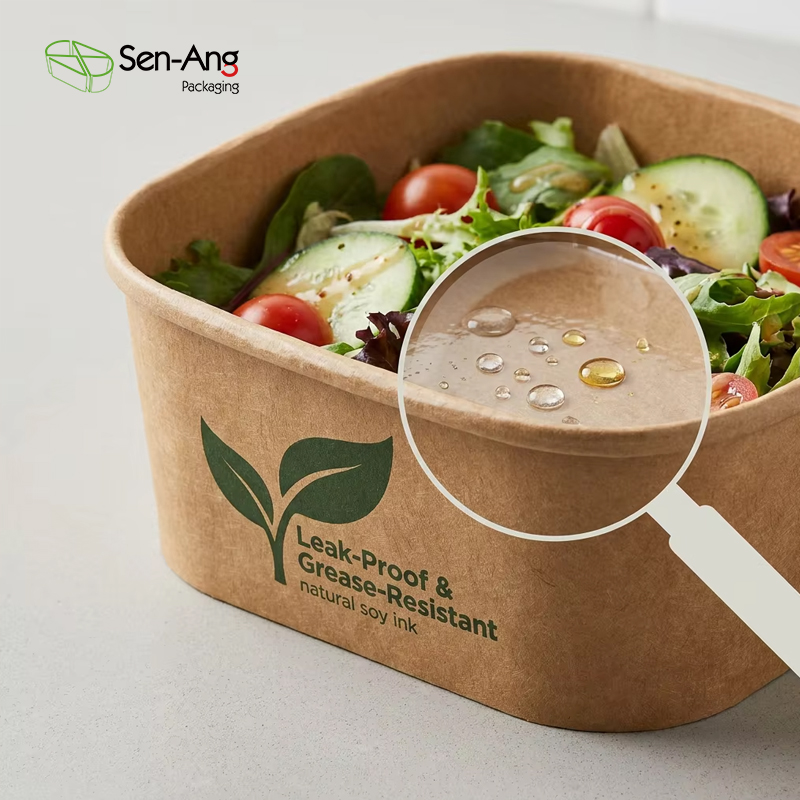
Food safety regulations and industry standards have evolved to accommodate the growing use of square bowls in commercial food service applications. Regulatory bodies recognize the hygiene advantages of square containers, which feature fewer curved surfaces where bacteria and contaminants might accumulate. The easier cleaning and sanitization of square bowls supports compliance with food safety requirements while reducing maintenance costs.
Quality assurance protocols have been developed specifically for square bowl manufacturing to ensure consistent performance and safety standards. These standards cover material composition, structural integrity, and food contact safety requirements that manufacturers must meet to serve the food service industry. Compliance with these evolving standards has accelerated the adoption of square bowls across various food service segments.
Economic Benefits for Food Service Operations
Cost Efficiency and ROI Considerations
The economic advantages of square bowls extend beyond simple purchase price comparisons to encompass total cost of ownership benefits. Operational savings from improved storage efficiency, reduced transportation costs, and enhanced presentation capabilities contribute to positive return on investment calculations. Food service businesses report measurable cost reductions after transitioning to square bowl systems.
Inventory management becomes more efficient with square bowls due to their standardized dimensions and improved stackability. This efficiency reduces inventory carrying costs and minimizes the risk of stockouts or overstock situations. The predictable storage requirements of square bowls enable better planning and procurement strategies that optimize working capital utilization.
Operational Workflow Improvements
Kitchen operations benefit from the streamlined handling characteristics of square bowls, which facilitate faster food preparation and service processes. Staff training requirements are reduced due to the intuitive handling and storage properties of square containers. These operational improvements translate into increased productivity and reduced labor costs, particularly during peak service periods.
Equipment compatibility represents another significant operational advantage, as square bowls work effectively with existing kitchen equipment and automation systems. The standardized dimensions of square containers enable seamless integration with portioning equipment, packaging machinery, and storage systems without requiring expensive modifications or replacements.
FAQ
Are square bowls more expensive than traditional round bowls?
While the initial purchase price of square bowls may be slightly higher than round alternatives, the total cost of ownership is typically lower due to improved storage efficiency, reduced transportation costs, and operational benefits. The space-saving properties and enhanced presentation capabilities of square bowls provide long-term value that justifies the initial investment for most food service operations.
Do square bowls work with existing kitchen equipment and storage systems?
Yes, square bowls are designed to be compatible with standard kitchen equipment and storage systems. Their standardized dimensions typically work well with existing refrigeration units, warming equipment, and serving systems. However, it's recommended to verify specific size requirements with equipment manufacturers to ensure optimal compatibility for particular applications.
How do square bowls compare in terms of food safety and hygiene?
Square bowls often provide superior food safety benefits compared to round containers due to their design characteristics. The angular corners and flat surfaces are easier to clean thoroughly, reducing the risk of bacterial growth and contamination. Additionally, the improved stackability of square bowls minimizes handling during storage, which helps maintain food safety standards throughout the supply chain.
What sustainability advantages do square bowls offer over traditional packaging?
Square bowls provide several sustainability benefits including reduced material usage during manufacturing, improved transportation efficiency due to better space utilization, and enhanced recyclability due to their uniform shape. These environmental advantages align with corporate sustainability goals while providing practical operational benefits that support long-term business success in environmentally conscious markets.