custom paper bowl
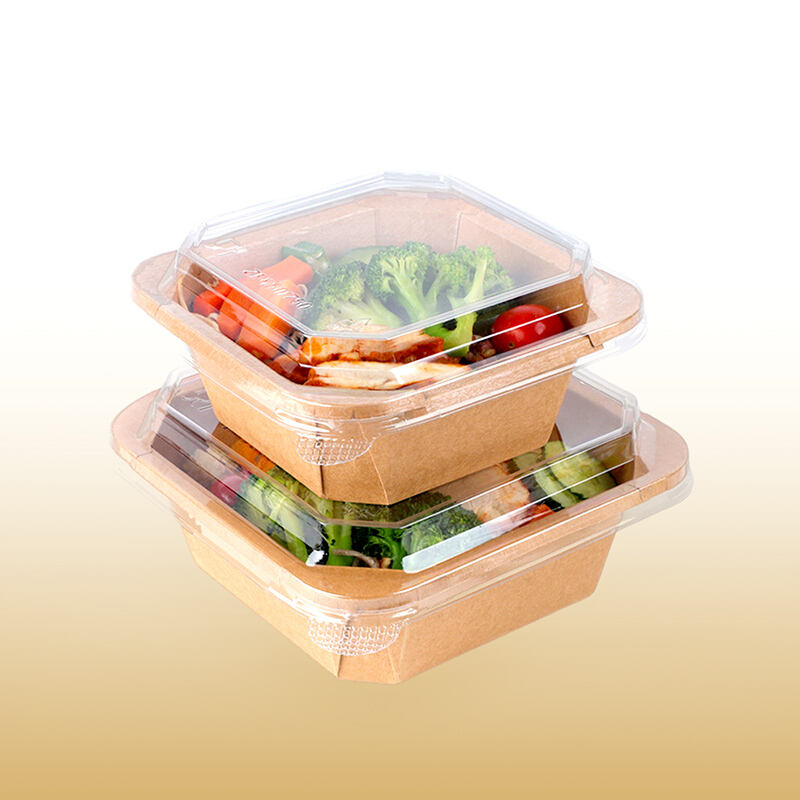
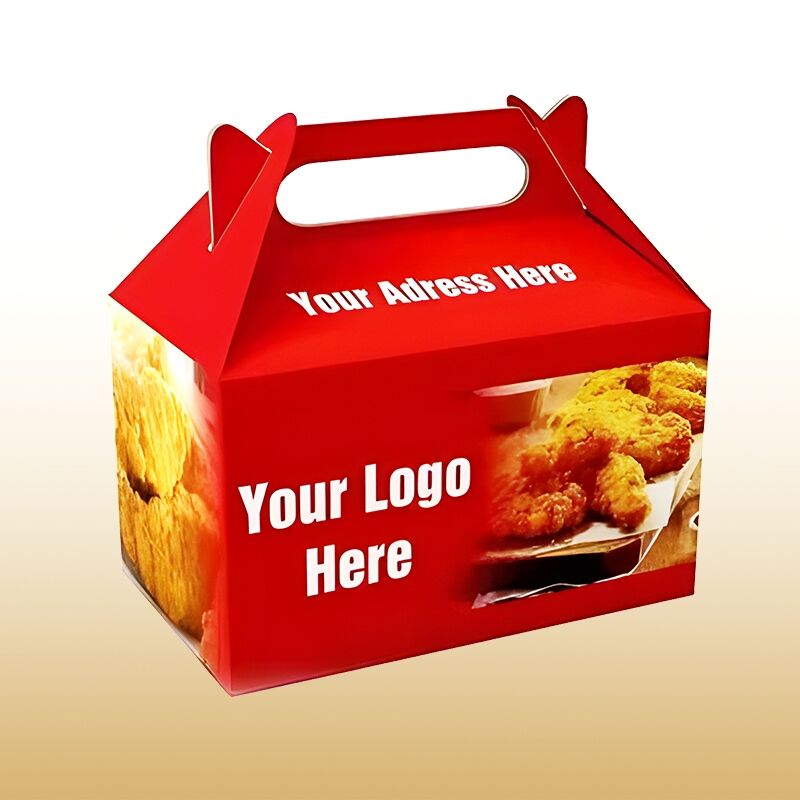
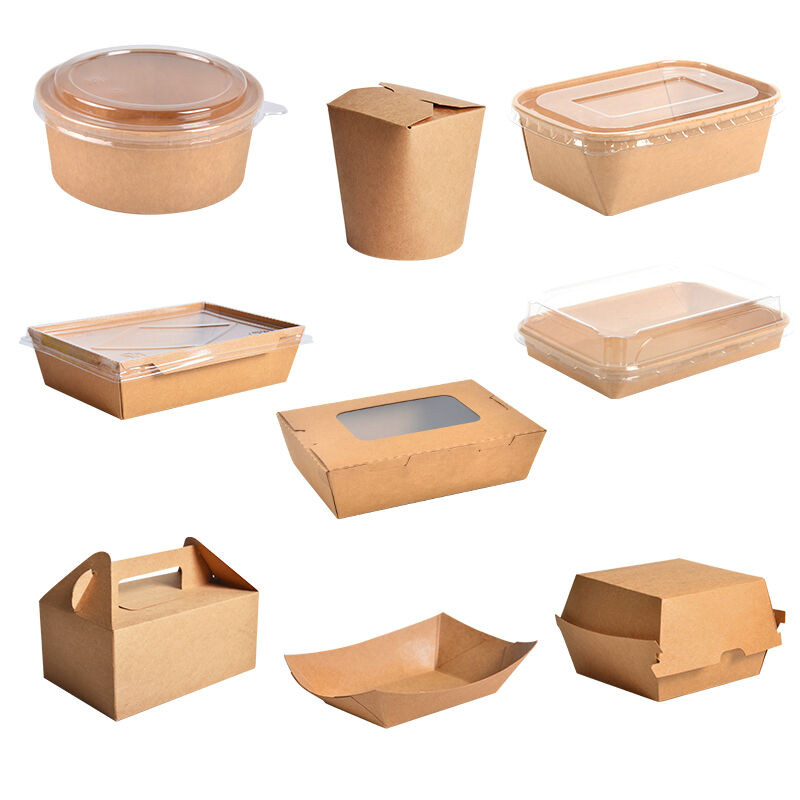
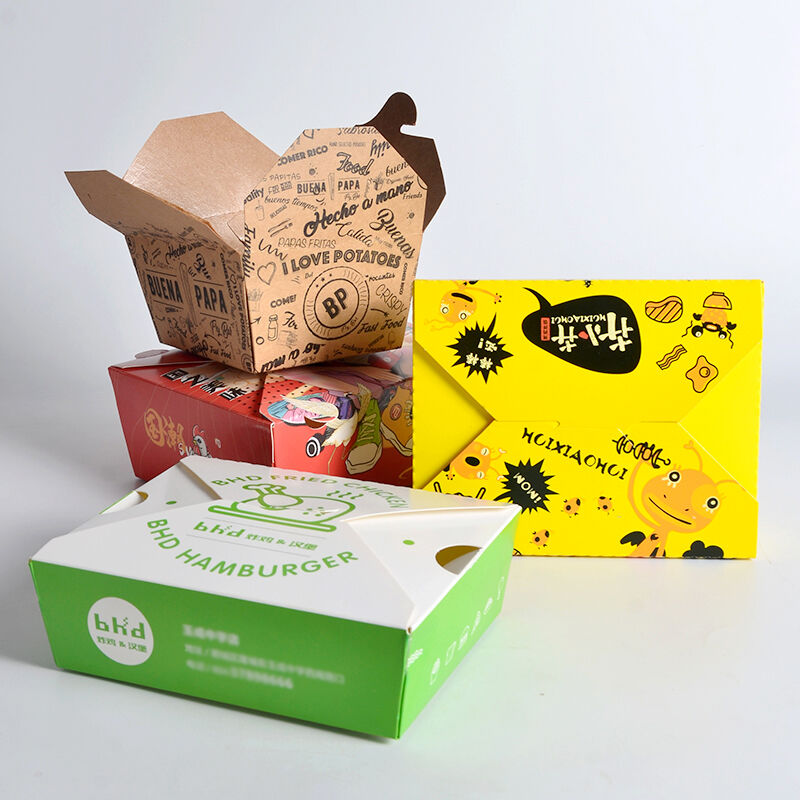
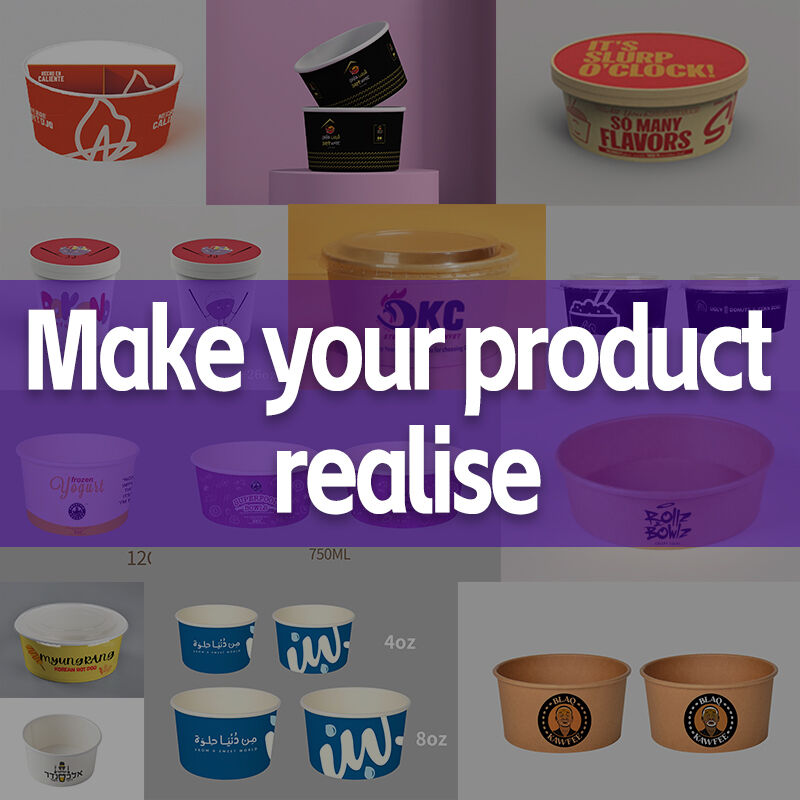
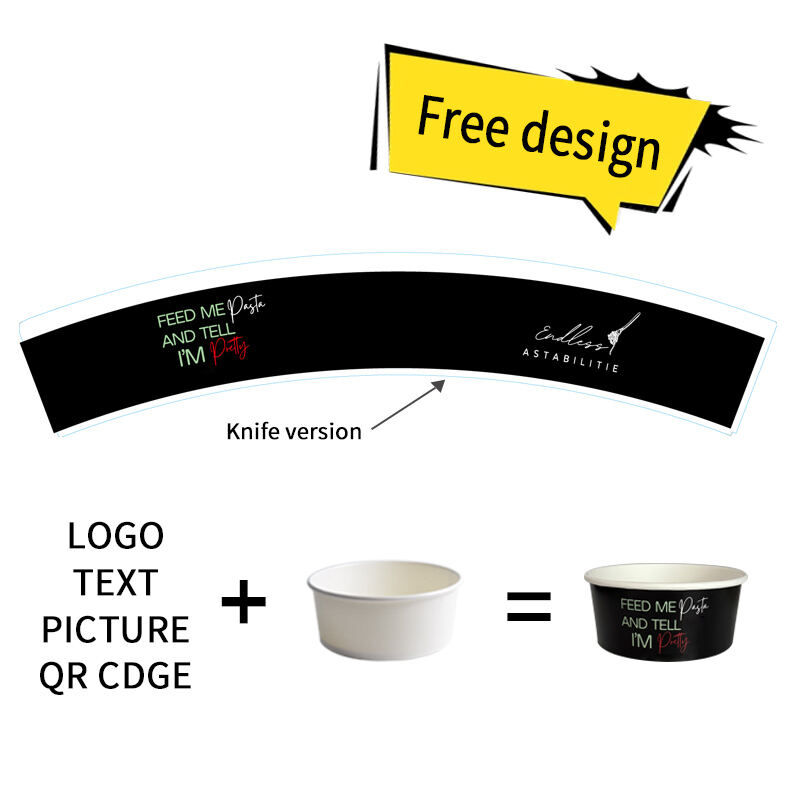
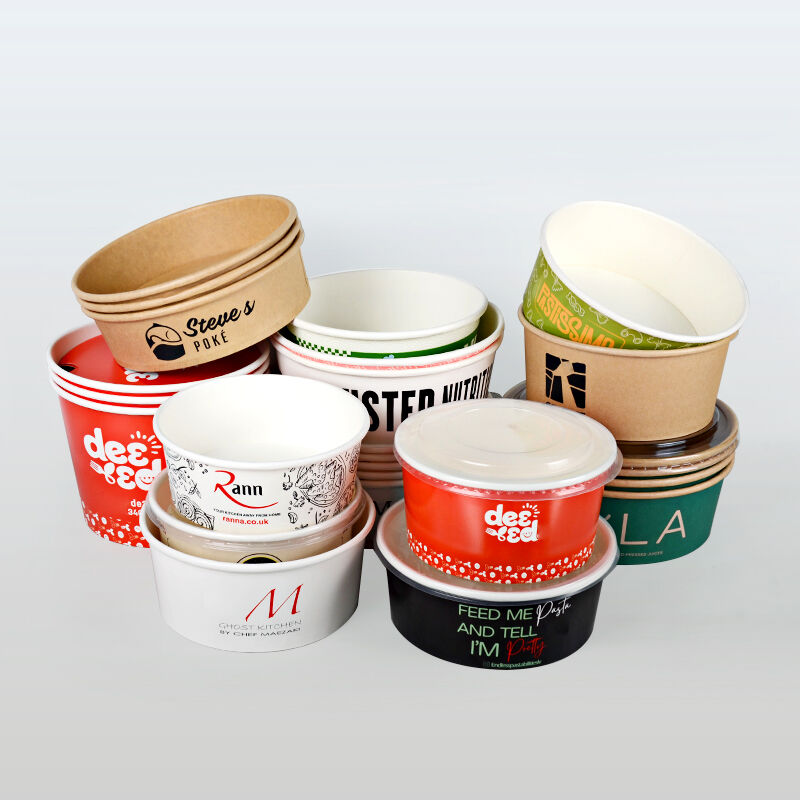
A custom paper bowl represents an innovative food packaging solution that combines personalized branding with sustainable materials. These disposable bowls are manufactured from high-quality paperboard and can be tailored to meet specific business requirements through customizable printing, sizing, and coating options. The custom paper bowl serves as an essential tool for restaurants, catering services, food trucks, and retail establishments seeking to enhance their brand visibility while providing functional food containers. Advanced manufacturing technologies enable businesses to incorporate their logos, brand colors, marketing messages, and unique designs directly onto the bowl surface. The primary functions include secure food containment, heat resistance for hot foods, moisture barrier protection, and promotional brand display. Technological features encompass food-grade coating applications, leak-resistant construction, stackable design for efficient storage, and eco-friendly biodegradable materials that align with environmental sustainability goals. The custom paper bowl finds extensive applications across various foodservice sectors including takeout restaurants, ice cream parlors, soup vendors, salad bars, dessert shops, and corporate catering events. These versatile containers accommodate both hot and cold food items while maintaining structural integrity throughout the consumption experience. Modern printing techniques allow for vibrant full-color graphics, ensuring that each custom paper bowl becomes a mobile marketing asset that reinforces brand recognition and customer loyalty with every use.
 EN
EN