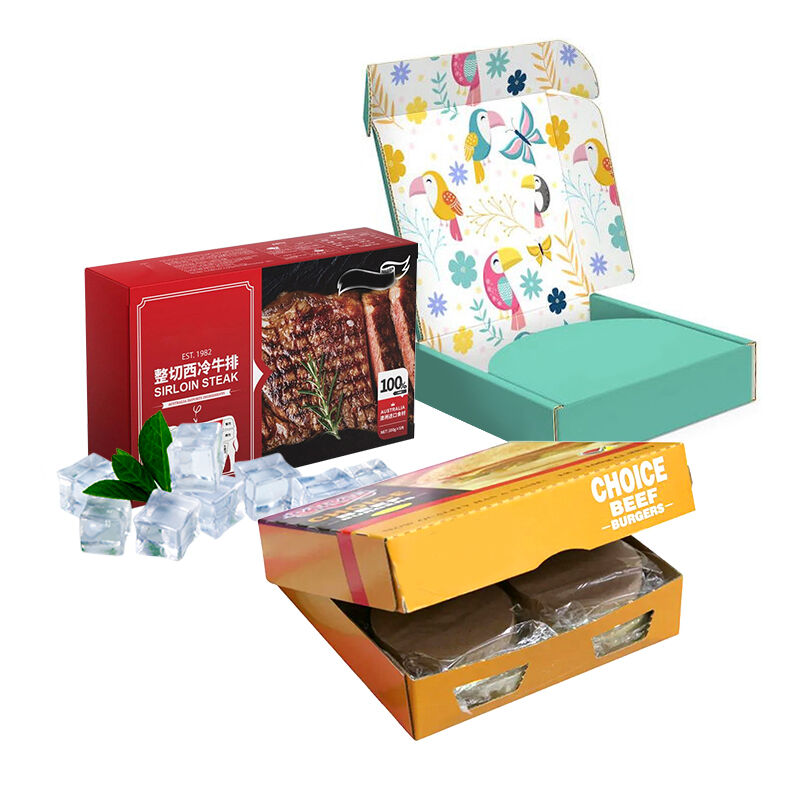
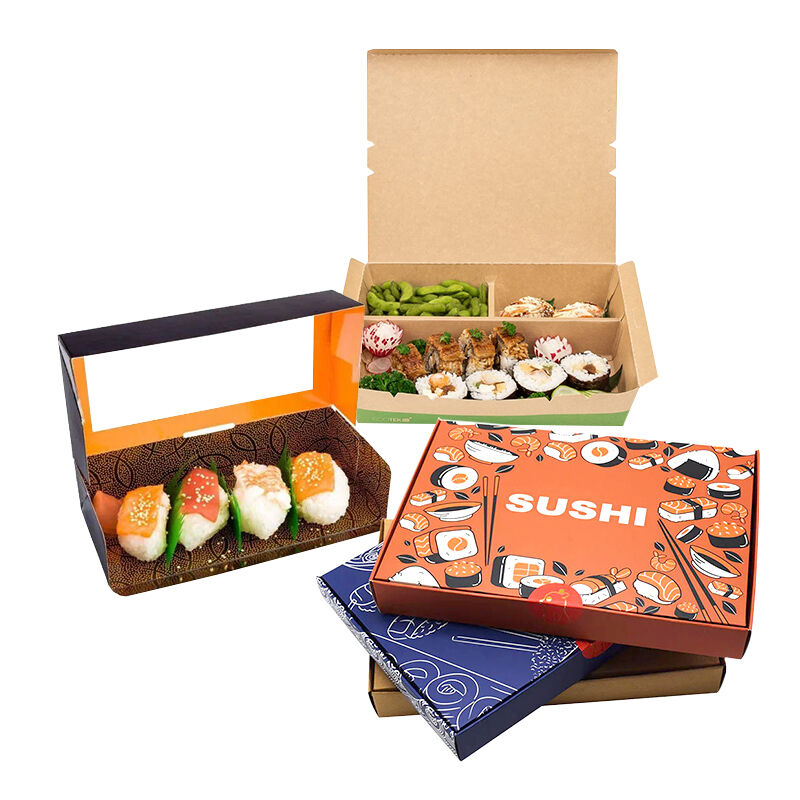
printed paper boxes
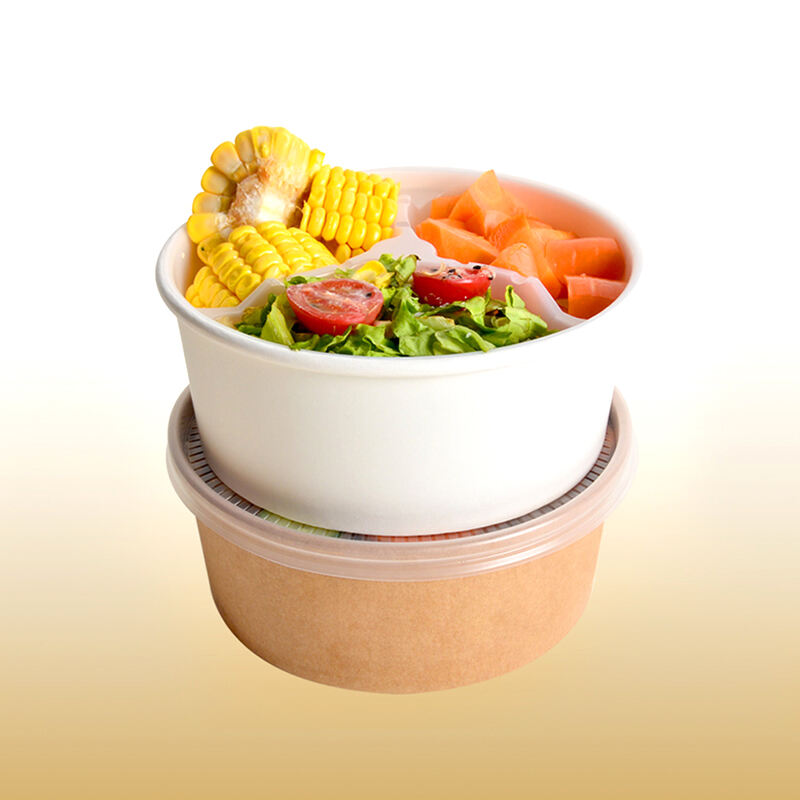
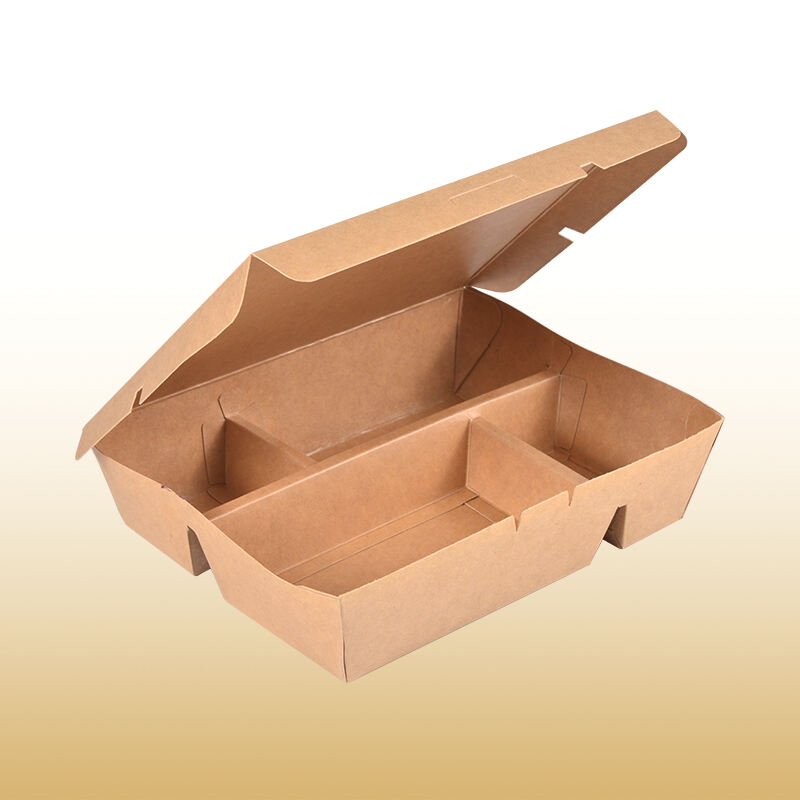
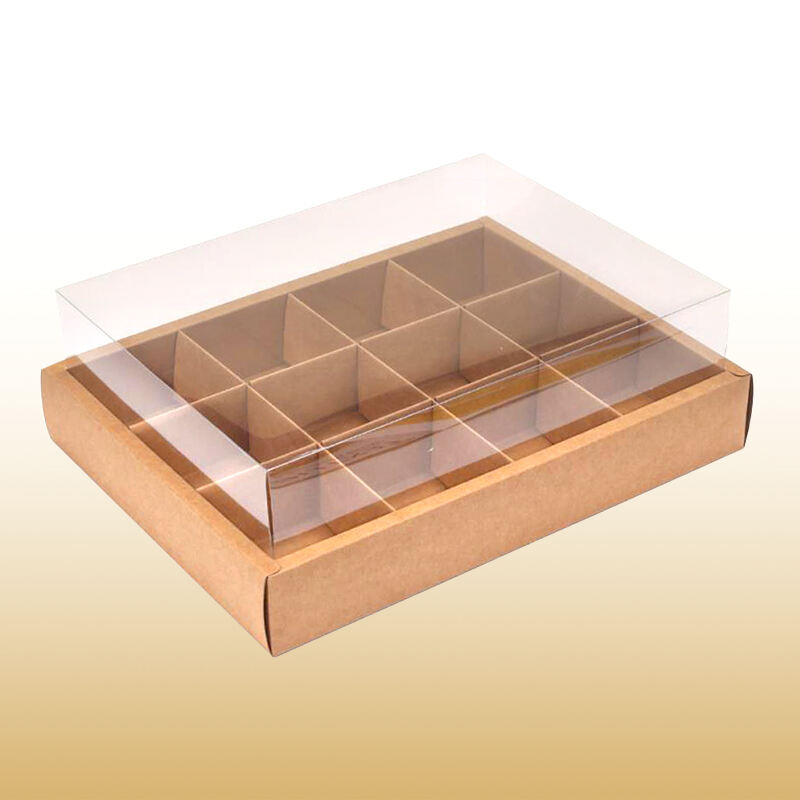
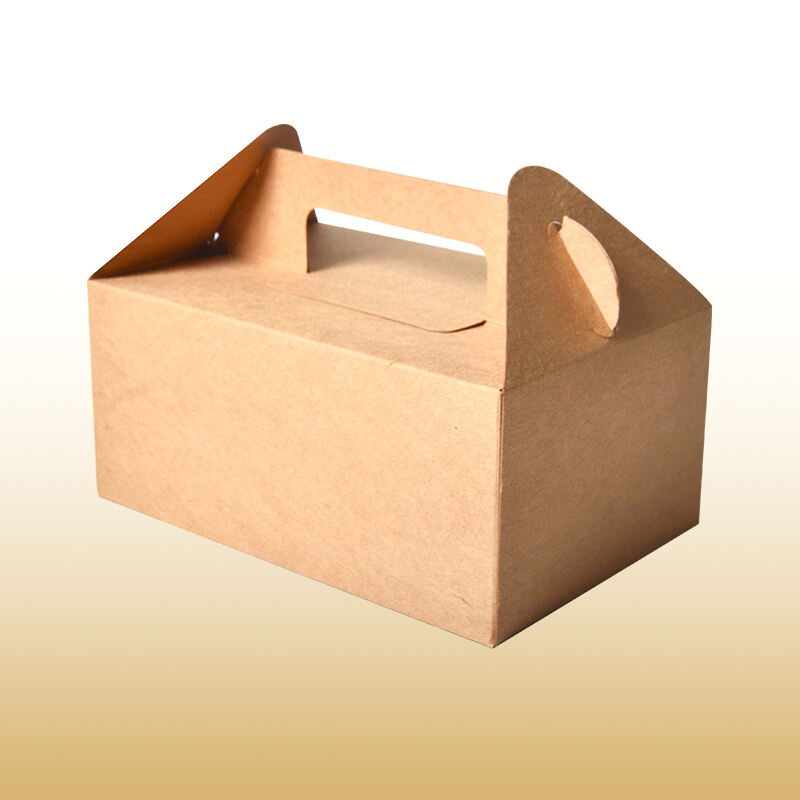
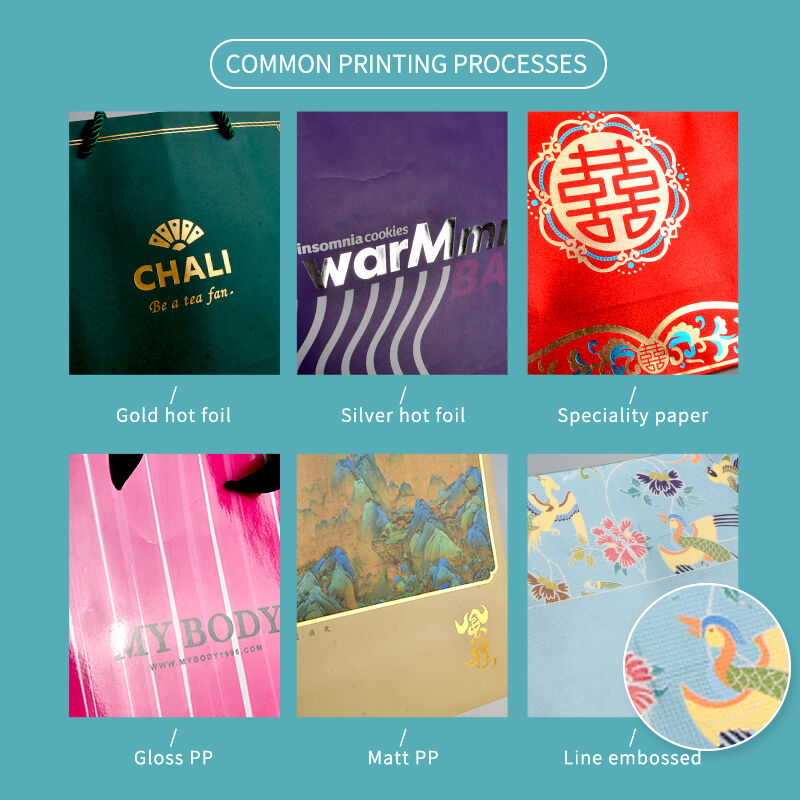
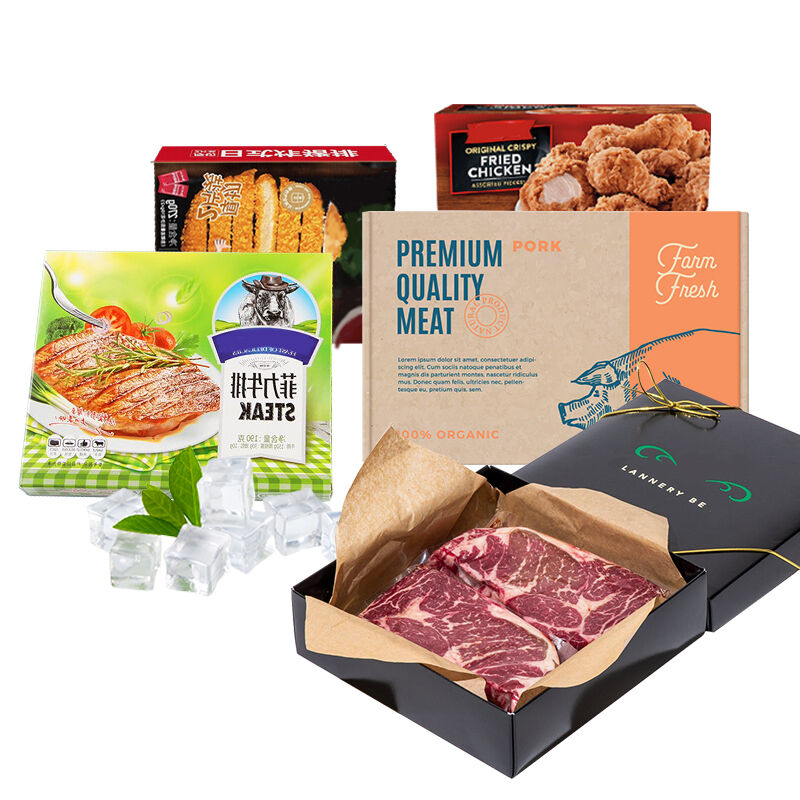
Printed paper boxes are versatile packaging solutions that combine functional protection with visual appeal through custom graphics, branding, and design elements. These boxes are manufactured from paperboard or corrugated cardboard materials and feature high-quality printing that transforms plain packaging into powerful marketing tools. The main functions of printed paper boxes include safeguarding products during storage and transportation, enhancing brand recognition, and creating memorable unboxing experiences for consumers. Technologically, printed paper boxes utilize advanced printing methods such as offset lithography, digital printing, and flexographic techniques that deliver vibrant colors, sharp images, and precise text reproduction. Modern manufacturing processes incorporate die-cutting technology for custom shapes, embossing and debossing for textured effects, and various coating options including gloss, matte, or UV finishes. The structural design features secure closures, stackable configurations, and reinforced edges that ensure product integrity throughout the supply chain. Applications for printed paper boxes span numerous industries including retail, e-commerce, food and beverage, cosmetics, pharmaceuticals, electronics, and gift packaging. These boxes serve as point-of-purchase displays, shipping containers, product presentation cases, and promotional packaging. The customization capabilities allow businesses to incorporate logos, product information, regulatory compliance details, and engaging graphics that communicate brand values and attract target audiences effectively.
 EN
EN