 EN
EN

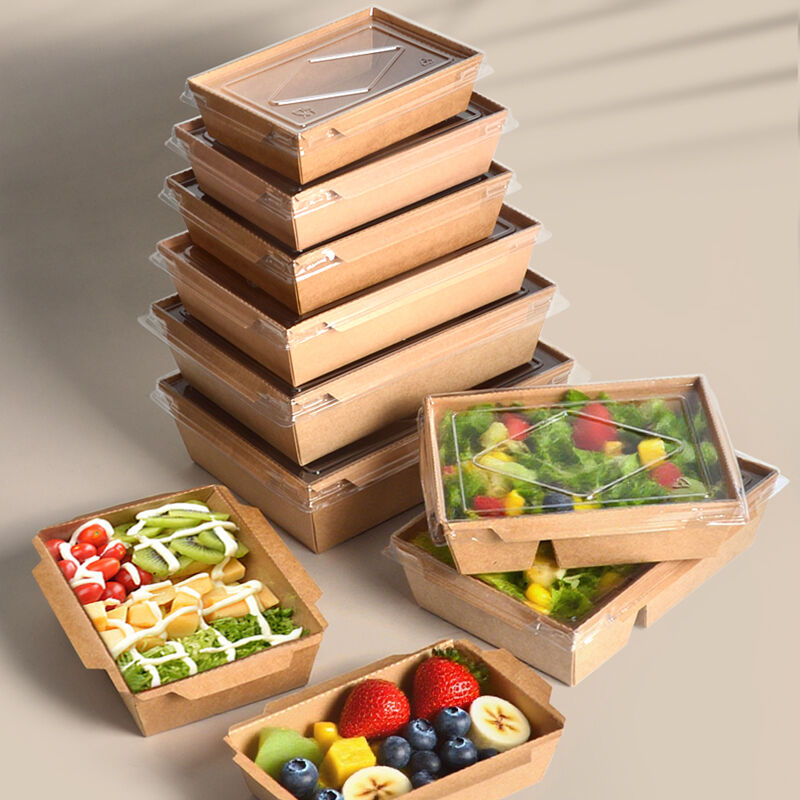
In today's competitive fresh produce market, packaging is far more than a container — it is a critical tool that directly affects product shelf life, customer perception, and operational efficiency. Retailers across grocery chains, farmers' markets, and specialty food stores are increasingly turning to vented paper boxes as their preferred solution for displaying and transporting fruits and vegetables. The reasons behind this growing preference are rooted in both practical performance and broader business strategy.
Vented paper boxes have emerged as an industry standard not by accident, but because they solve real problems that retailers encounter every single day. From reducing spoilage rates to meeting sustainability mandates, these packaging solutions offer a compelling combination of functionality, aesthetics, and environmental responsibility. Understanding why retailers consistently choose vented paper boxes over alternatives requires a closer look at what happens to fresh produce during storage, transport, and display — and how thoughtful packaging design makes all the difference.
The Science Behind Vented Paper Boxes and Produce Freshness
How Airflow Prevents Premature Spoilage
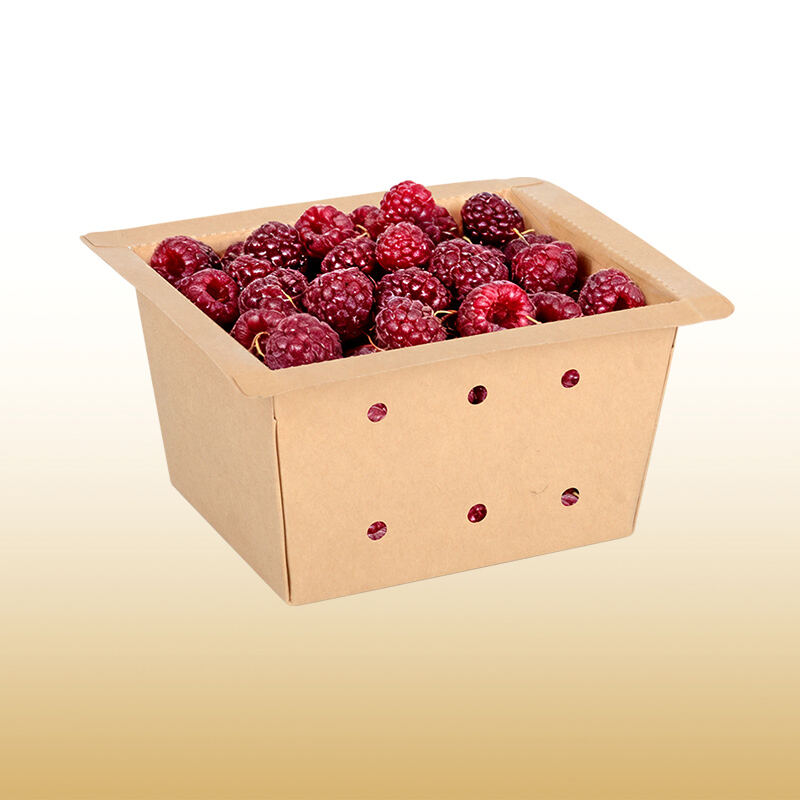
Fresh fruits and vegetables are living organisms that continue to respire even after harvest. During this respiration process, produce releases heat, moisture, and ethylene gas — all of which, when trapped inside poorly ventilated packaging, accelerate ripening, mold growth, and decay. Vented paper boxes are specifically engineered with perforations and cutouts that allow continuous airflow around the produce, dissipating heat buildup and preventing the accumulation of excess moisture.
When retailers stock berries, citrus fruits, leafy greens, or stone fruits in airtight or non-vented containers, the confined environment quickly becomes a breeding ground for spoilage. The perforations in vented paper boxes create passive ventilation that works without any mechanical assistance, simply using the natural movement of air through the supply chain. This passive yet highly effective mechanism is one of the primary reasons retailers trust vented paper boxes to protect their fresh produce inventory.
Extended shelf life translates directly into reduced food waste and lower product loss costs. For a retailer managing high volumes of perishable goods, even a modest improvement in freshness duration can result in significant savings over a month or a season. Vented paper boxes deliver this improvement consistently, making them an economically sound investment for any produce retailer.
Temperature Regulation During Transit and Cold Storage
Cold chain management is one of the most critical aspects of fresh produce retailing. Vented paper boxes integrate seamlessly with refrigerated storage and cold chain logistics because their open-air design allows cold air to circulate freely around the product. Unlike solid-walled boxes that can create warm pockets, vented paper boxes ensure uniform temperature distribution throughout the packaging stack.
When pallets of vented paper boxes are placed in cold storage or refrigerated trucks, the ventilation openings allow chilled air to reach every layer of produce, not just the outer rows. This even cooling is essential for maintaining the quality and safety of temperature-sensitive items like strawberries, grapes, and leafy herbs. Retailers who prioritize cold chain integrity consistently favor vented paper boxes because they complement, rather than hinder, the refrigeration systems already in place.
Temperature fluctuations during loading and unloading are inevitable in a busy retail operation. Vented paper boxes help mitigate the impact of these fluctuations by allowing rapid re-cooling when produce is returned to refrigerated environments, giving retailers greater flexibility in handling without compromising product quality.
Sustainability and Environmental Alignment
Paper as a Responsible Material Choice
The shift toward sustainable retail practices has accelerated dramatically in recent years, driven by consumer demand, regulatory pressure, and corporate sustainability commitments. Vented paper boxes sit at the intersection of functionality and environmental responsibility, offering retailers a packaging option that aligns with their green initiatives without sacrificing performance. Paper-based packaging is biodegradable, recyclable, and often sourced from certified sustainable forests, making it a material that resonates with environmentally conscious shoppers.
Retailers are acutely aware that packaging waste is a visible and contentious issue for their customers. When shoppers see fresh produce displayed in vented paper boxes, they associate the brand with environmental responsibility. This perception has tangible commercial value, reinforcing customer loyalty and supporting premium brand positioning. Switching to vented paper boxes is, in many cases, a decision that benefits both the retailer's environmental footprint and their marketing narrative.
Compared to plastic clamshells or foam trays, vented paper boxes generate significantly less non-degradable waste. Many municipalities have introduced restrictions or outright bans on single-use plastics for food packaging, and vented paper boxes offer retailers a compliant, future-proof alternative that requires no last-minute reformulation of packaging strategies.
Compostability and End-of-Life Advantages
Beyond recyclability, many vented paper boxes designed for fresh produce are also compostable, which adds another layer of sustainability benefit. Retailers operating in regions with active composting infrastructure can offer customers the option to compost the packaging along with any organic food waste, further closing the loop on sustainable consumption. This end-of-life flexibility is a meaningful differentiator that plastic alternatives simply cannot match.
For retailers participating in zero-waste programs or sustainability certifications, the compostability of vented paper boxes can contribute directly to meeting program criteria. This makes the choice of vented paper boxes not just an operational decision but a strategic one that supports broader corporate social responsibility goals. As sustainability reporting becomes more common in retail, having a documented shift toward compostable vented paper boxes provides tangible evidence of environmental progress.
Retail Display Appeal and Consumer Experience
Visual Merchandising and Product Visibility
Retail success in fresh produce depends heavily on visual appeal. Consumers make purchasing decisions in seconds when standing in front of a display, and the packaging that frames the product plays a decisive role in those split-second judgments. Vented paper boxes offer a natural, rustic aesthetic that complements the organic and fresh character of fruits and vegetables, creating a display environment that feels authentic and inviting.
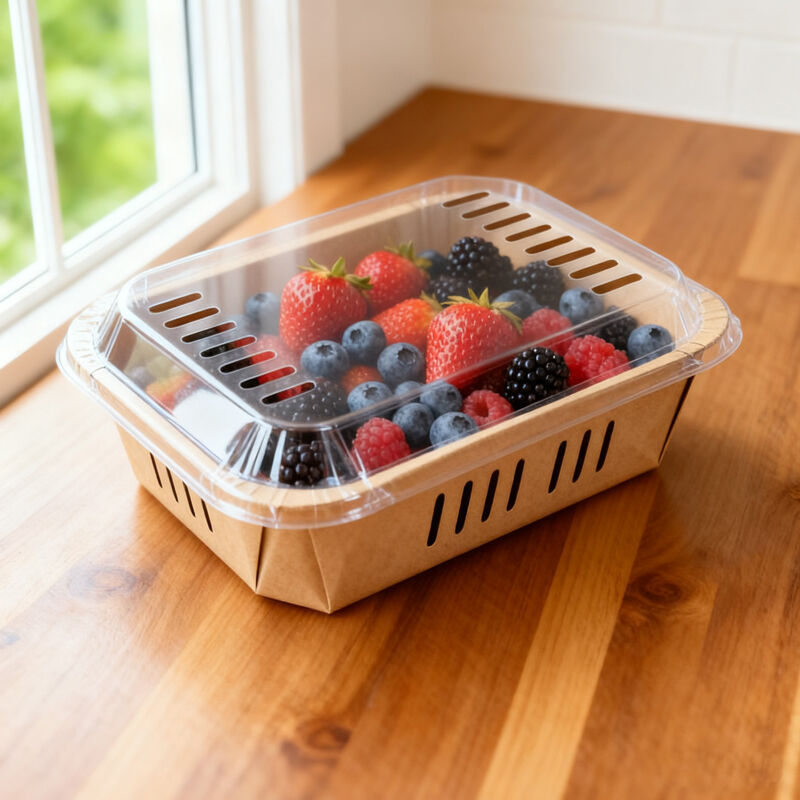
The perforations and open design elements of vented paper boxes also allow customers to visually inspect the produce before purchasing, which is a behavior that shoppers strongly prefer when buying perishable items. The ability to see, and in some cases smell, the product through the ventilation openings reduces purchase hesitation and increases customer confidence. Retailers who understand consumer psychology recognize that packaging transparency — even in the literal sense — builds trust and encourages buying.
Vented paper boxes can also be printed and branded with retailer logos, seasonal graphics, or origin stories, transforming simple packaging into a powerful point-of-sale marketing tool. This customization capability gives retailers creative flexibility while maintaining all the functional benefits that make vented paper boxes the preferred choice for fresh produce presentation.
Stackability and Space Efficiency in Retail Environments
Retail floor space is a premium resource, and every square meter of display area must work as hard as possible. Vented paper boxes are designed with structural integrity that allows them to be stacked safely without crushing the produce inside, maximizing vertical display space without the risk of product damage. This stackability is a practical advantage that retailers with high-volume displays particularly value.
The uniform dimensions typical of vented paper boxes also simplify shelf organization and restocking routines. Staff can quickly replenish displays by sliding new boxes into place, maintaining a tidy, fully stocked appearance throughout the trading day. This operational efficiency reduces labor time spent on produce management and allows staff to focus on customer service rather than constant rearrangement of irregular containers.
Cost Efficiency and Supply Chain Practicality
Lightweight Design and Reduced Shipping Costs
The lightweight nature of vented paper boxes has a direct positive impact on shipping and logistics costs throughout the supply chain. Compared to heavier plastic crates or wooden containers, paper-based packaging contributes less tare weight, allowing more product to be transported per load and reducing fuel costs proportionally. For retailers sourcing produce from regional farms or distant distribution centers, these savings accumulate to meaningful amounts over a full year of operations.
Vented paper boxes can also be shipped flat and assembled at the point of use, dramatically reducing storage space requirements in distribution centers and back-of-store areas. This flat-pack efficiency is a logistical advantage that solid, pre-formed containers cannot offer, giving retailers greater flexibility in managing their packaging inventory without dedicating excessive warehouse space to empty containers.
Compatibility with Existing Handling Systems
Modern retail supply chains rely on standardized handling systems, including conveyor belts, pallet systems, and automated sorting equipment. Vented paper boxes are engineered to be compatible with these standard systems, ensuring smooth integration without the need for specialized handling equipment or modifications to existing infrastructure. This compatibility minimizes disruption when retailers transition from other packaging formats to vented paper boxes.
The tear resistance and moisture management properties of quality vented paper boxes also ensure that they maintain their structural integrity through the rigors of a typical supply chain journey, from packing shed to distribution center to retail floor. Retailers can rely on vented paper boxes to arrive in good condition, protecting the produce inside and maintaining the professional presentation expected at the point of sale.
From a cost-per-unit perspective, vented paper boxes offer competitive pricing relative to the protection and presentation value they provide. When total cost of ownership is calculated — accounting for reduced spoilage, lower shipping weight, space efficiency, and sustainability compliance — vented paper boxes consistently demonstrate strong value across diverse retail contexts.
FAQ
What types of fresh produce are best suited for vented paper boxes?
Vented paper boxes are particularly well-suited for produce that generates significant moisture or ethylene gas during storage, including berries, grapes, cherries, stone fruits, citrus, apples, and leafy greens. Any fresh produce that benefits from consistent airflow and humidity regulation will perform better in vented paper boxes compared to sealed or low-ventilation alternatives.
Can vented paper boxes be used in refrigerated display cases?
Yes, vented paper boxes are fully compatible with standard refrigerated retail display cases. Their perforated design actually enhances cold air circulation around the product, which supports the cooling performance of refrigeration units. Retailers commonly use vented paper boxes directly in open-front refrigerated displays without any modification to the packaging or the cooling equipment.
Are vented paper boxes strong enough to prevent crushing during stacking?
Quality vented paper boxes are manufactured with reinforced structural designs that provide significant compression resistance, allowing multiple layers to be safely stacked without collapsing under load. The specific weight-bearing capacity depends on the box construction and material grade, so retailers should select vented paper boxes with compression ratings appropriate for their intended stacking height and product weight.
How do vented paper boxes compare to plastic containers in terms of environmental impact?
Vented paper boxes have a considerably lower environmental footprint than plastic containers across most impact categories, including end-of-life waste, recyclability, and biodegradability. Paper is a renewable material that breaks down naturally, whereas most plastic packaging persists in landfills or the natural environment for hundreds of years. For retailers with sustainability commitments, switching to vented paper boxes is one of the most impactful packaging decisions they can make for their fresh produce category.