fried chicken containers
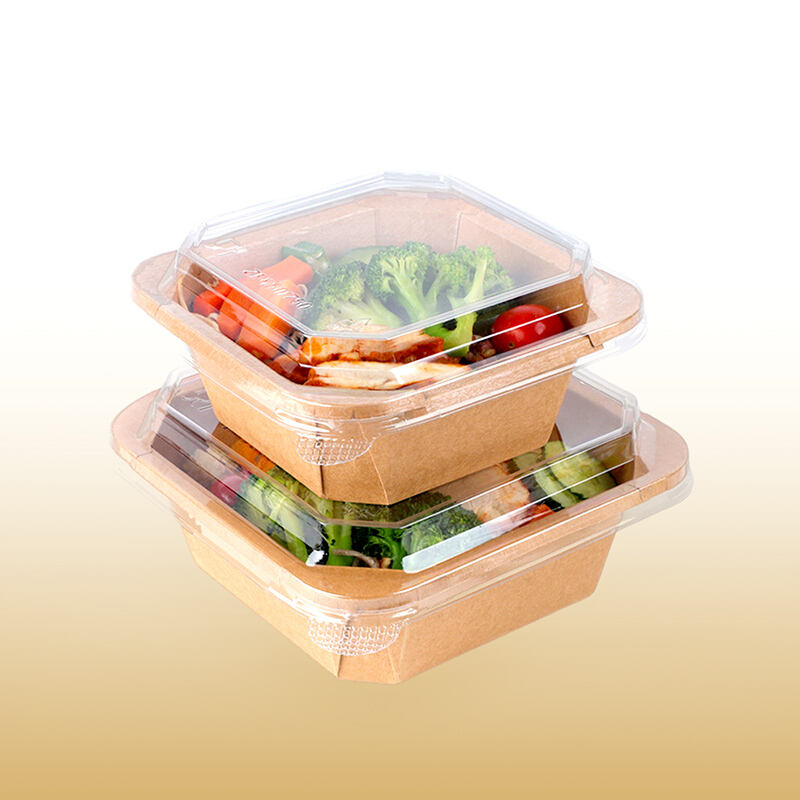
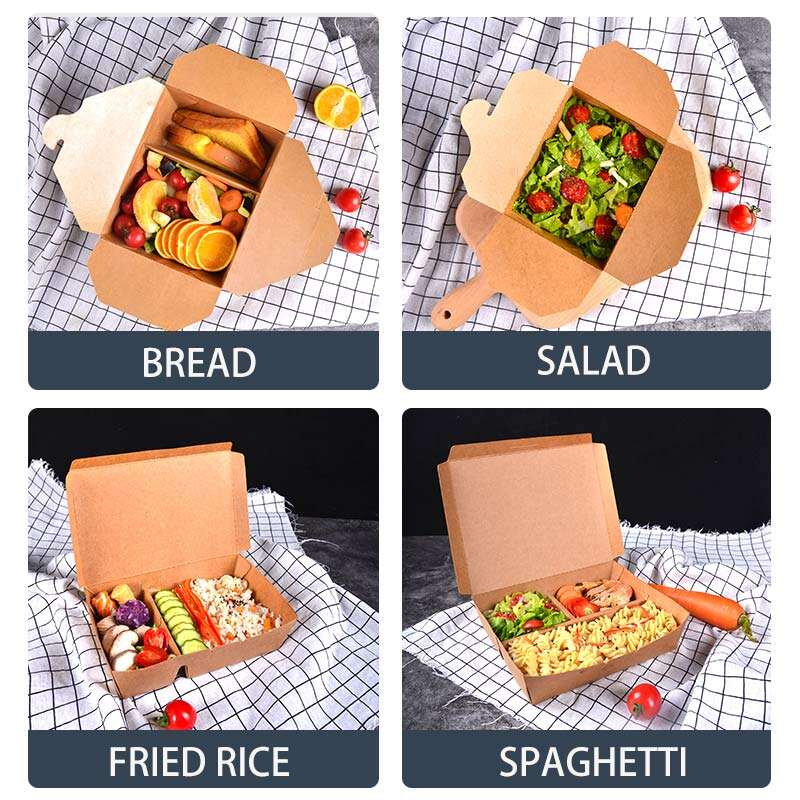
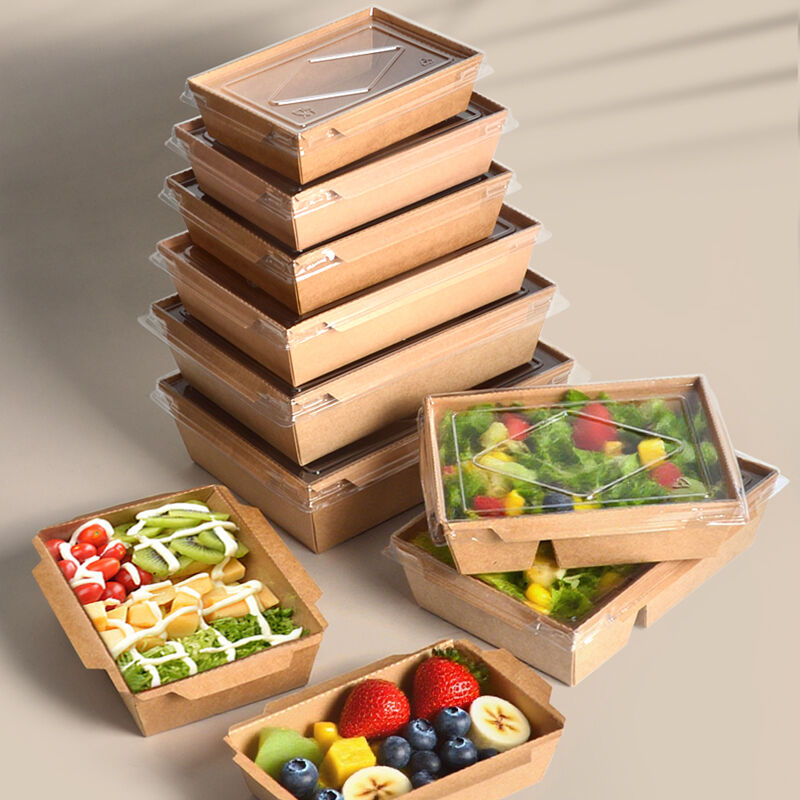
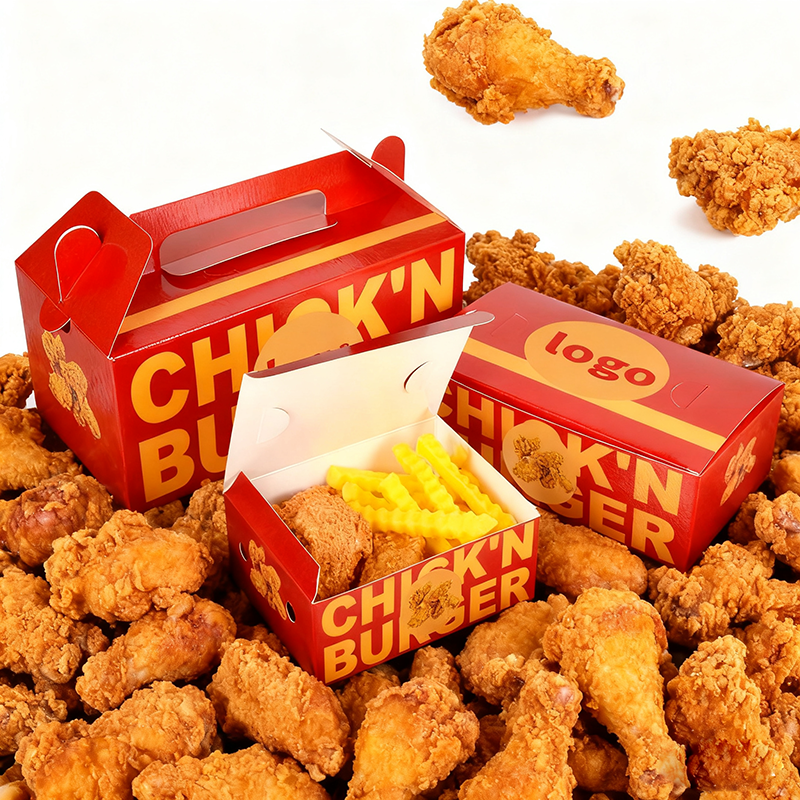
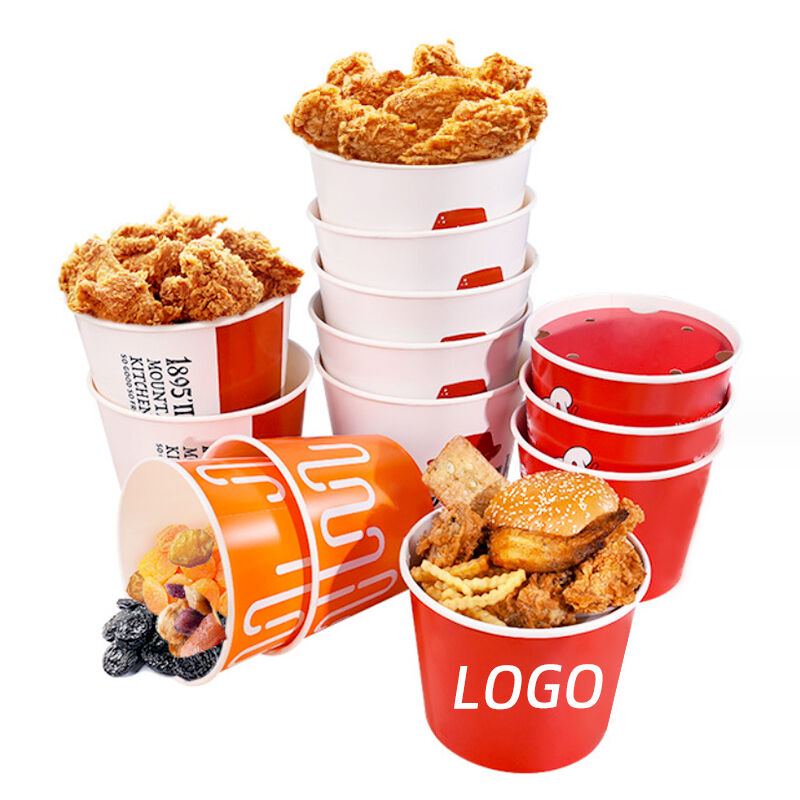
Fried chicken containers are specially designed packaging solutions engineered to maintain the quality, temperature, and freshness of fried chicken during storage and transportation. These containers serve as essential food service packaging that protects crispy textures while preventing moisture buildup that can compromise the eating experience. Modern fried chicken containers incorporate ventilation systems, grease-resistant materials, and structural designs that accommodate various portion sizes from individual servings to family meals. The primary function extends beyond simple containment to include heat retention properties that keep food at optimal serving temperatures for extended periods. Technological features include food-grade materials that comply with safety standards, stackable designs for efficient storage, and secure closure mechanisms that prevent spillage during delivery. These containers are manufactured using materials such as paperboard, molded fiber, or specialized plastics that resist oil penetration while maintaining structural integrity. The ventilation technology integrated into fried chicken containers allows steam to escape strategically, preventing sogginess while retaining heat. Applications span across quick-service restaurants, food trucks, catering services, delivery operations, and takeout establishments. The containers accommodate different menu items including chicken pieces, tenders, wings, and sandwiches. Advanced designs feature compartmentalized sections for sides and sauces, enhancing the complete meal presentation. Whether for dine-in carryout or third-party delivery services, fried chicken containers provide reliable performance that protects food quality from kitchen to customer.
 EN
EN