 EN
EN

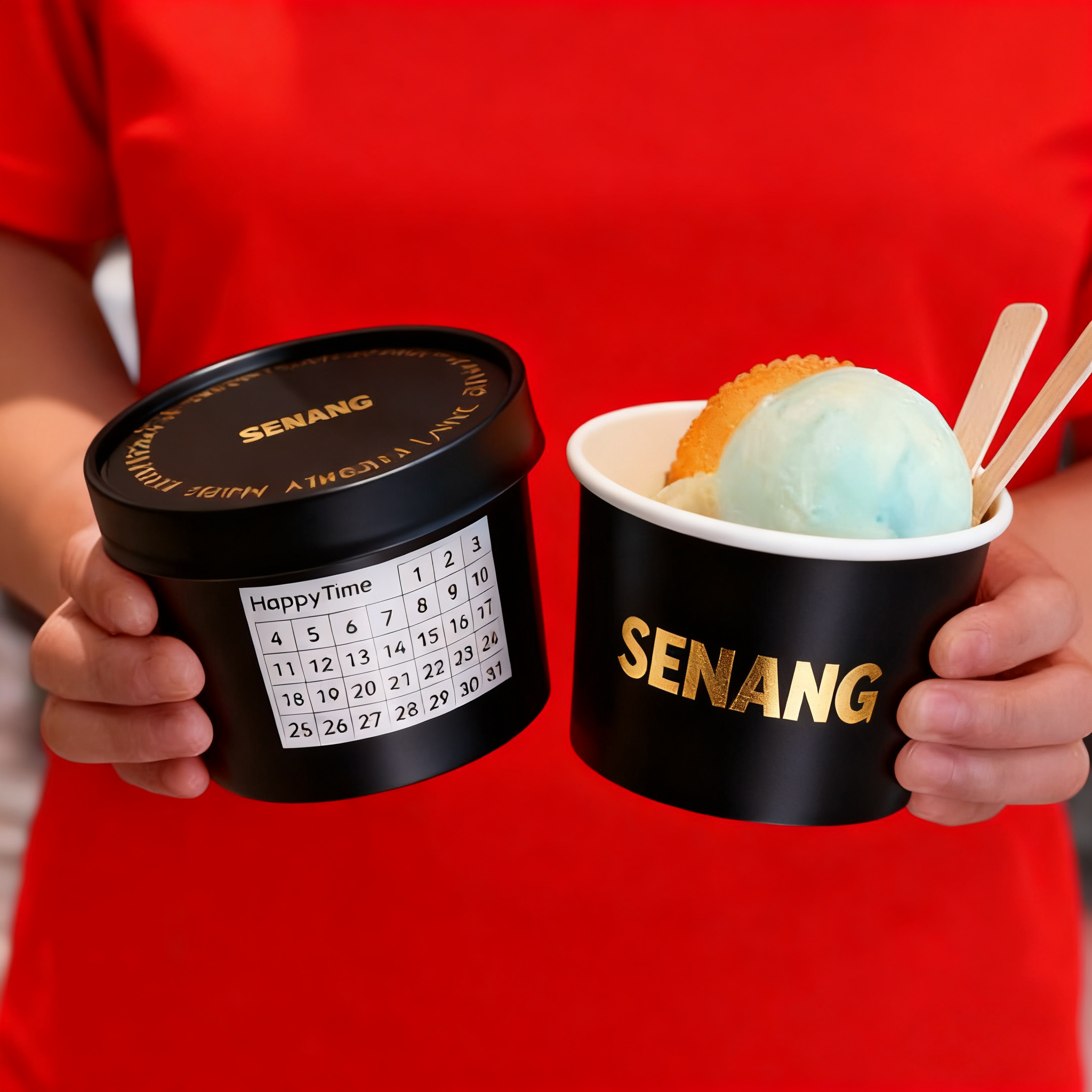
Selecting the right ice cream cup is a decision that carries far more weight than it might initially appear. Whether you are running a gelateria, a dessert café, a food truck, or managing a large-scale catering operation, the cup you choose becomes a direct extension of your brand identity. It is the first physical object your customer touches, the vessel that holds their experience, and a silent communicator of your quality standards. Getting this choice right means balancing aesthetics, material performance, portion sizing, and operational efficiency — all at once.
The market today offers an enormous range of ice cream cup options — from minimalist paper cups designed for eco-conscious brands to elegant frosted plastic vessels engineered for premium presentation. But with variety comes complexity. Many buyers make the mistake of choosing based on price alone or visual appeal alone, only to discover that their chosen cup sweats, leaks, collapses under weight, or fails to reflect their brand identity. This guide is designed to help you navigate those decisions confidently, pairing style with genuine functional performance so that your ice cream cup choice supports your business rather than creating hidden operational challenges.
Understanding the Two Core Dimensions: Style and Functionality
What Style Actually Means for an Ice Cream Cup
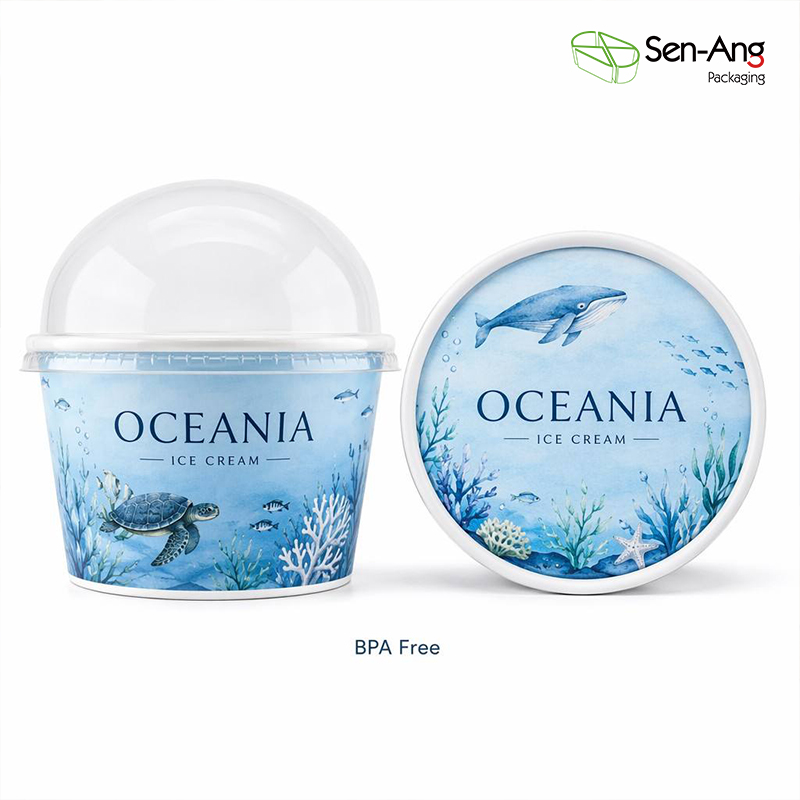
Style in an ice cream cup is not superficial decoration. It is a strategic communication tool that shapes how customers perceive the value of what they are buying. A beautifully printed, well-proportioned ice cream cup signals professionalism, care, and quality before a single spoonful is tasted. For premium dessert concepts, the cup must match the sophistication of the product inside it. For playful, youth-oriented brands, the cup should express energy and personality through color, shape, and graphic design.
Style also extends to the structural silhouette of the cup. Tapered cups create a sense of elegance and are easier to hold with two fingers. Wider, more cylindrical cups suggest generous portions and casual indulgence. The surface texture — whether matte, glossy, or embossed — changes the tactile experience and contributes to the overall perception of brand quality. When sourcing an ice cream cup, treat the design choices as brand investments rather than cosmetic add-ons.
What Functionality Means in Practical Terms
Functionality in an ice cream cup encompasses everything that affects its performance during the actual use cycle — from storage at your location to the moment the customer finishes their last bite. A functionally sound cup must resist condensation on its exterior so that customers can hold it comfortably. It must be structurally rigid enough to support a generous scoop of dense gelato or multiple layers of sundae without collapsing or warping. It must also seal well with standard lids if your service model includes takeaway orders.
Stackability is another often-overlooked functional requirement. In a busy dessert bar or food service environment, your ice cream cup stock needs to store efficiently without toppling, nesting too tightly together, or requiring excessive counter space. The capacity markings, if present, should be accurate and consistent across the production batch. Every detail that affects the cup's real-world usability is part of functionality, and it is just as important as how the cup looks on your counter display.
Material Selection and Its Impact on Performance
Paper-Based Ice Cream Cups
Paper is one of the most commonly used materials for the ice cream cup format, and for good reason. A well-engineered paper cup provides adequate structural rigidity for single-serve portions, accepts high-quality print finishes beautifully, and aligns with consumer expectations around sustainability. Modern paper cups used for ice cream applications are coated on the interior to resist moisture penetration, preventing the soggy collapse that would otherwise occur within minutes of contact with frozen product.
The key variable when evaluating paper ice cream cup options is the quality of the interior coating and the grammage of the base paper. Thicker board weights provide better structural integrity for heavier portions such as parfaits or frozen yogurt builds with multiple toppings. If your brand emphasizes environmental responsibility, you can explore cups made with water-based coatings or certified sustainable board, which offer improved end-of-life disposal options without sacrificing performance in short to medium holding times.
Plastic and Rigid Polymer Cups
Rigid plastic ice cream cup formats — typically made from polystyrene, PET, or PP materials — offer distinct advantages for certain service models. They provide excellent clarity when transparency is desired, allowing the visual appeal of layered desserts or colorful sorbets to become part of the presentation. Frosted or crystal-clear ice cream cup designs in rigid plastic create a premium visual impact that paper cannot fully replicate, particularly for dine-in environments where presentation is central to the guest experience.
Plastic cups also tend to provide stronger resistance to deformation under heavy loads, making them suitable for tall dessert builds, elaborate sundaes, and catering presentations. However, the regulatory environment around single-use plastics is evolving rapidly in many markets. Before committing to a plastic ice cream cup format, it is important to verify compliance with local packaging regulations and to assess whether your customer base has specific preferences around sustainable packaging. The trade-off between performance and environmental alignment must be evaluated based on your specific business context.
Compostable and Bio-Based Alternatives
The category of compostable and bio-based ice cream cup materials has matured considerably in recent years. Options now exist that combine plant-derived or recycled inputs with competitive functional performance. PLA-lined paper cups, for instance, offer a moisture barrier comparable to conventional PE-coated alternatives while enabling composting in industrial facilities. These materials are increasingly used by brands that want to make a credible sustainability claim without compromising on presentation quality.
When evaluating a compostable ice cream cup, always verify the certification standards it carries and assess the specific composting infrastructure available in your operating region. A cup certified for industrial composting only delivers its environmental benefit if customers have access to the appropriate waste stream. For venues where sustainability storytelling is part of the brand proposition, the choice of a certified ice cream cup material becomes a powerful and authentic marketing asset.
Sizing, Capacity, and Portioning Strategy
Matching Cup Size to Menu Architecture
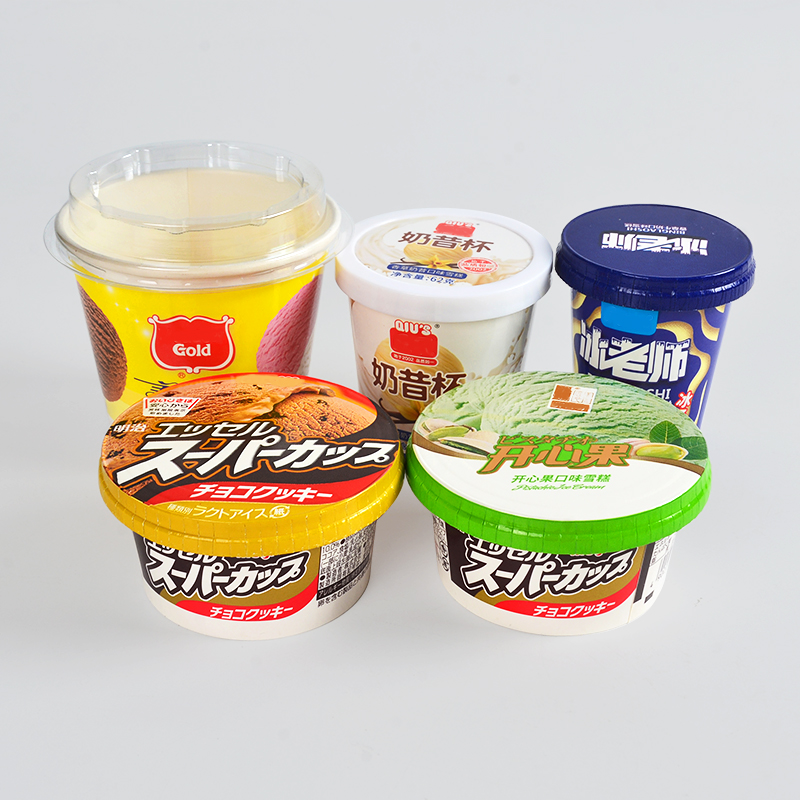
One of the most consequential decisions in selecting an ice cream cup is getting the size right. The cup size directly determines portion perception, which in turn influences how customers evaluate value. An ice cream portion that looks small in an oversized cup will leave customers feeling unsatisfied even if the actual weight is within industry norms. Conversely, the right cup size frames your portion generously and creates a more satisfying visual impression of abundance.
Best practice is to align your ice cream cup size range directly with your menu architecture. If you offer small, medium, and large portions, your cup sizes should correspond precisely to those tiers without significant empty space at the top or awkward overfilling. This alignment makes portion control easier for staff, ensures consistency across service interactions, and maintains the visual brand standard across every transaction.
Operational Implications of Cup Sizing Decisions
Beyond the customer-facing consideration, cup sizing also carries direct operational implications. Larger ice cream cup formats consume more storage space, require lids with different diameters, and may not fit standard portion dispensing equipment without adjustment. If you source your ice cream cup in multiple sizes, you need to ensure that each size in your range is compatible with your lid system, spoon formats, and packaging workflow to avoid operational friction.
For high-volume operations, standardizing around one or two cup sizes whenever possible reduces procurement complexity, minimizes the risk of stock-outs during peak service periods, and simplifies staff training. The ice cream cup you choose should integrate seamlessly into your existing service system rather than requiring the system to adapt around it.
Print Quality, Branding, and Visual Differentiation
The Role of Custom Print in Brand Building
Custom printing on an ice cream cup is one of the highest-leverage branding investments available in food service packaging. Unlike signage or uniforms, the cup travels with your customer — to park benches, shopping mall corridors, and social media photos. A well-designed, custom-printed ice cream cup generates organic brand visibility at zero additional marketing cost per impression. For any brand serious about market presence, custom print should be treated as a standard requirement rather than an optional upgrade.
When briefing a print specification for your ice cream cup, consider the number of colors in your brand palette, the resolution quality of your logo assets, and the surface area available for design elements at your chosen cup size. Offset-printed cups offer excellent color fidelity at high volumes, while digital printing enables shorter run lengths and faster turnaround for seasonal or limited-edition ice cream cup designs. Understanding the minimum order quantities associated with each print method is essential for aligning your procurement strategy with your actual volume needs.
Balancing Aesthetics with Practical Legibility
There is an important balance to maintain between visual creativity and practical legibility on an ice cream cup surface. Complex gradient designs or very fine typography may not reproduce faithfully on a curved cup surface, particularly at smaller sizes. Before approving a final design for production, always request a physical mock-up or digital wrap simulation to evaluate how the design actually looks in three dimensions on the real cup form.
Practical information such as brand name, serving size, or allergen declarations should remain clearly legible even when the design is visually bold. The best ice cream cup designs strike a balance where creativity enhances brand personality without compromising the clarity of essential information. Treating the cup surface as a structured design canvas rather than a free-form creative space produces more reliable and professional results across production runs.
Sourcing Considerations for B2B Buyers
Evaluating Supplier Capability and Consistency
For B2B buyers sourcing ice cream cup products at scale, supplier capability and consistency are as important as the product specifications themselves. A supplier who can produce a perfect sample but cannot maintain that standard across a 50,000-unit production run creates significant operational risk. When evaluating potential suppliers, request production quality documentation, batch-to-batch consistency records, and references from existing accounts operating at comparable volumes.
Lead times and minimum order quantities are also critical considerations. Seasonal demand spikes — summer peaks in particular — require reliable supply chain performance. Your ice cream cup supplier should be able to confirm capacity, provide realistic lead time estimates, and demonstrate a track record of on-time delivery. Building a supply relationship with clear communication protocols and documented specifications protects your operation from the disruption that packaging stock-outs can cause during high-demand periods.
Certifications, Compliance, and Food Safety
Every ice cream cup that comes into direct contact with a food product must meet applicable food contact material standards in the markets where it is used. These may include FDA compliance in the United States, EU food contact material regulations in Europe, or equivalent national standards in other regions. Requesting documentation of compliance is a non-negotiable part of responsible sourcing, both for regulatory protection and for customer safety assurance.
If your ice cream cup carries sustainability claims — recyclable, compostable, bio-based — those claims should be supported by verifiable third-party certifications rather than supplier assertions alone. Certifications from recognized bodies add credibility to your brand's sustainability narrative and protect you from greenwashing accusations. A well-documented ice cream cup supply chain is a competitive asset in markets where consumers and regulatory bodies are increasingly scrutinizing environmental packaging claims.
FAQ
What is the most important factor to consider when choosing an ice cream cup for a small dessert business?
For a small dessert business, the single most important factor in choosing an ice cream cup is alignment with your brand identity and the type of desserts you serve. Beyond aesthetics, you need to verify that the cup material can handle your specific product — whether that is hard-serve ice cream, soft-serve, gelato, or frozen yogurt — without deforming, sweating, or leaking. Starting with a sample evaluation before committing to a full order run will save significant cost and operational headaches.
How do I determine the right cup size for my portion offerings?
The right ice cream cup size should leave minimal empty space when filled to your standard portion weight, while still allowing a slight visual headroom that makes the product look generous. Test each candidate cup size by filling it with your actual product at your standard portion gram weight and evaluating the visual result. The cup that presents your portion most attractively and leaves the least waste is the correct choice for that tier of your menu.
Are compostable ice cream cups as functional as conventional paper or plastic cups?
Modern certified compostable ice cream cup options have improved significantly and in many cases offer functional performance comparable to conventional PE-coated paper cups for standard service durations. However, they may have lower heat resistance in certain edge cases and typically carry a higher unit cost. For operations where environmental positioning is central to brand value, the performance trade-off is usually acceptable and commercially justified by the brand differentiation benefit.
What minimum order quantities should I expect when sourcing custom-printed ice cream cups?
Minimum order quantities for custom-printed ice cream cup products vary significantly depending on the print method and supplier. Offset-printed cups typically carry higher minimums — often in the range of tens of thousands of units — due to the setup costs involved. Digital printing options can accommodate smaller runs, making them suitable for newer businesses or seasonal design updates. Always clarify MOQ requirements early in your sourcing conversation to ensure alignment with your actual volume needs and storage capacity.
Table of Contents
- Understanding the Two Core Dimensions: Style and Functionality
- Material Selection and Its Impact on Performance
- Sizing, Capacity, and Portioning Strategy
- Print Quality, Branding, and Visual Differentiation
- Sourcing Considerations for B2B Buyers
-
FAQ
- What is the most important factor to consider when choosing an ice cream cup for a small dessert business?
- How do I determine the right cup size for my portion offerings?
- Are compostable ice cream cups as functional as conventional paper or plastic cups?
- What minimum order quantities should I expect when sourcing custom-printed ice cream cups?