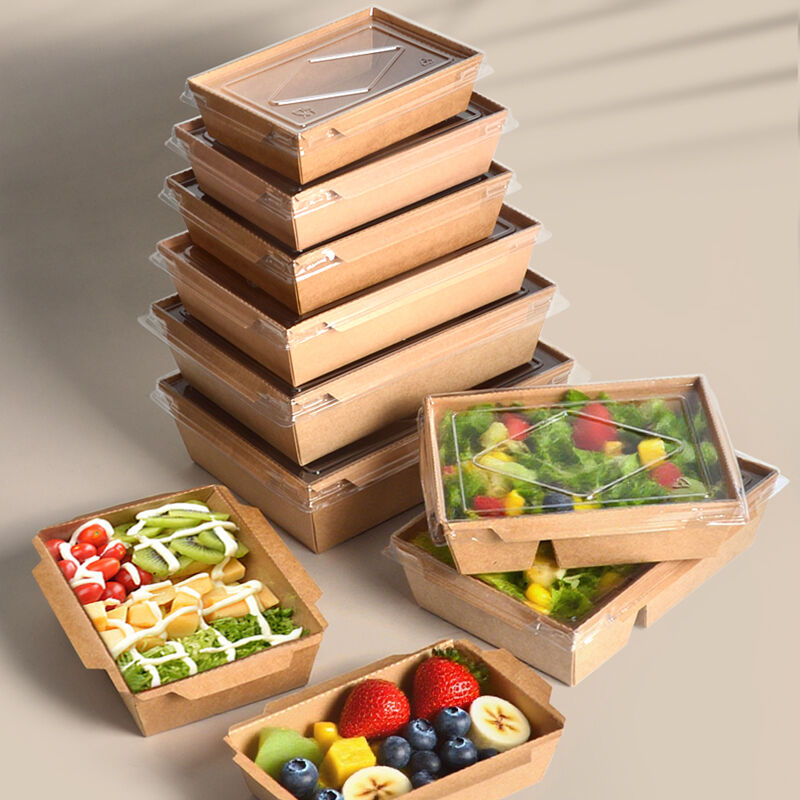
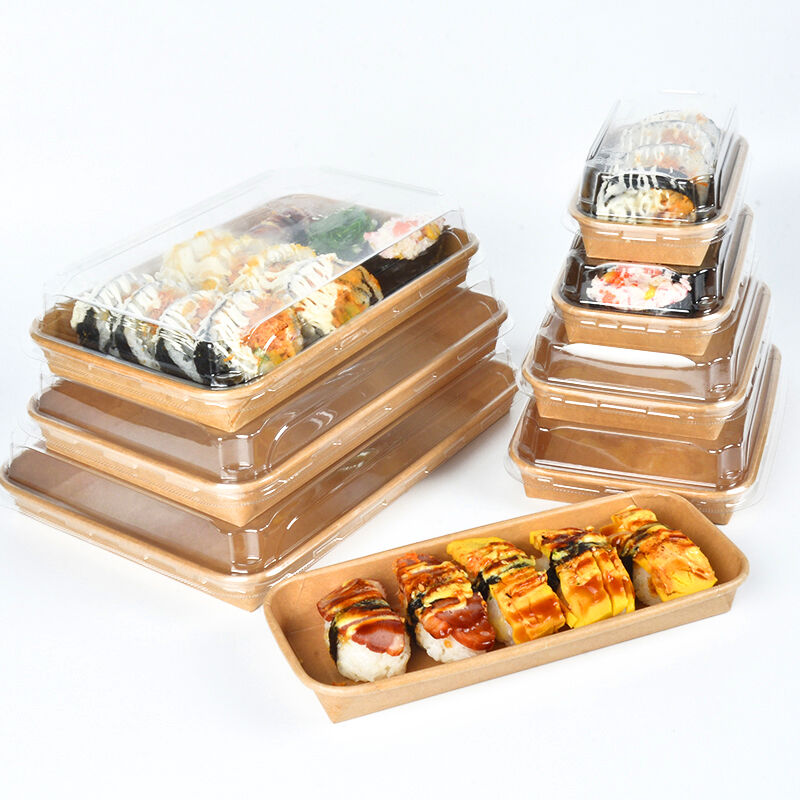
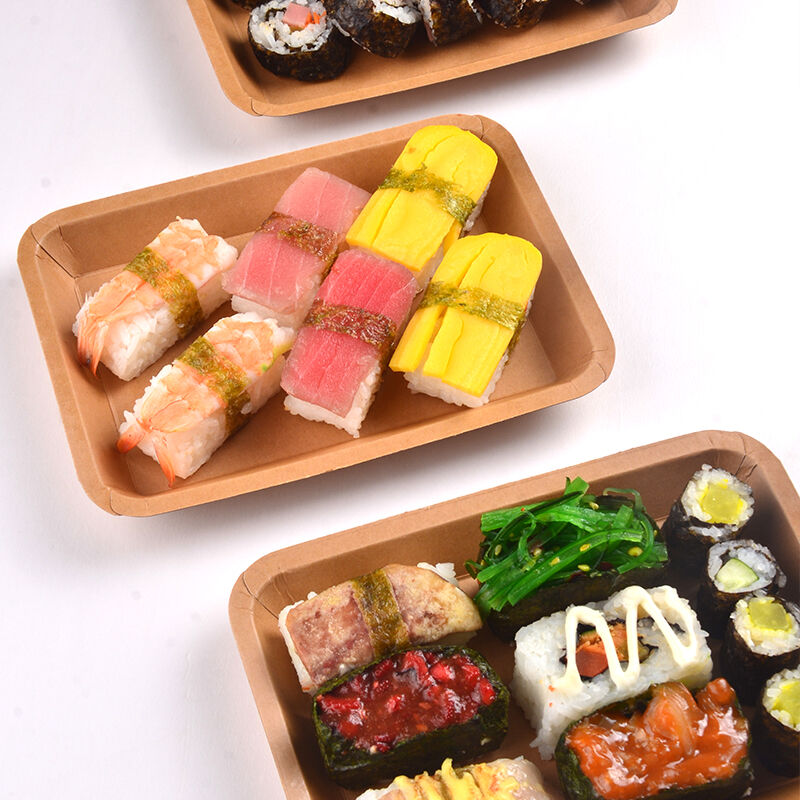
food packaging trays
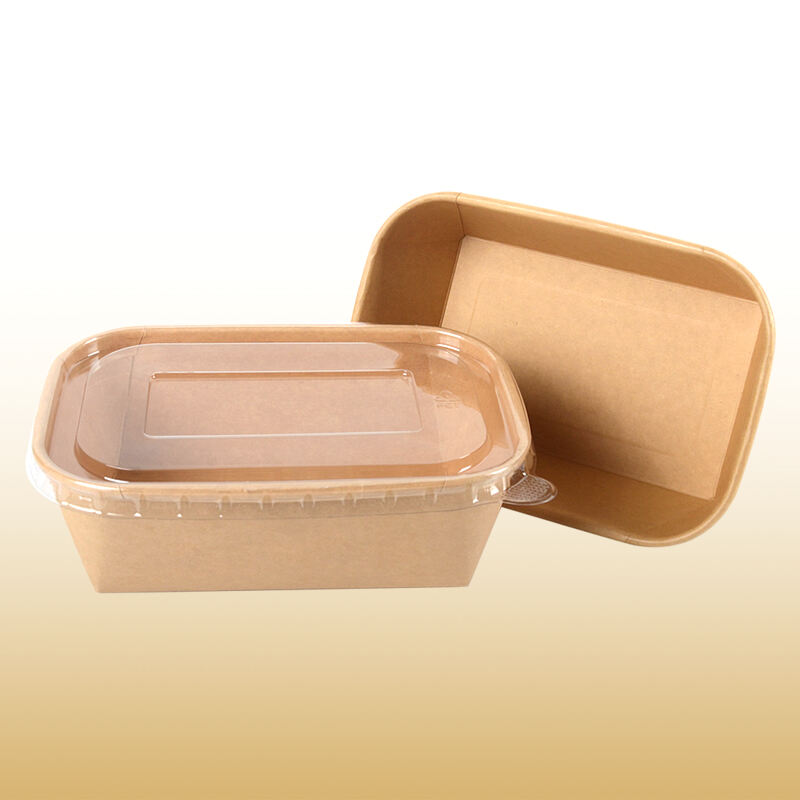
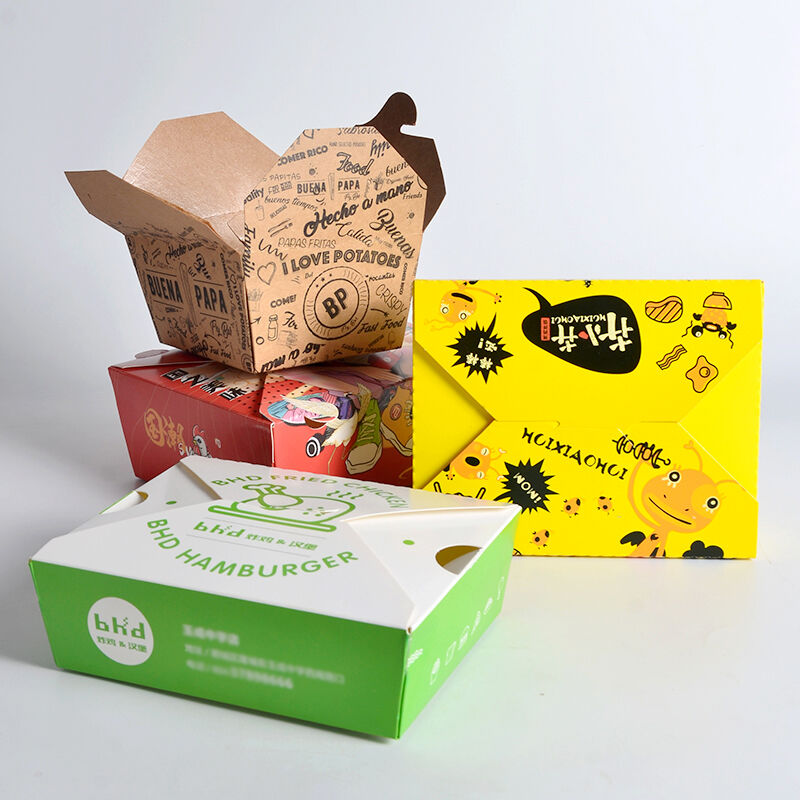
Food packaging trays serve as essential containers designed to protect, preserve, and present food products throughout storage, transportation, and retail display. These versatile packaging solutions are engineered to maintain product freshness while providing convenient handling for both businesses and consumers. Food packaging trays come in various materials including plastic, foam, aluminum, paperboard, and biodegradable options, each selected based on specific food requirements and environmental considerations. The primary functions include creating a protective barrier against contamination, extending shelf life through proper sealing capabilities, and facilitating efficient stacking during distribution. Technological features of modern food packaging trays incorporate advanced materials that offer temperature resistance, moisture control, and gas barrier properties to preserve food quality. Many designs include compartmentalized sections for portion control and product separation, while others feature tamper-evident seals and transparent lids for enhanced food safety and visibility. These trays are widely applied across multiple food sectors including fresh produce, meat and poultry, seafood, bakery items, ready-to-eat meals, and frozen foods. The packaging industry continues to innovate with sustainable materials and smart packaging technologies that incorporate freshness indicators and antimicrobial coatings. Food packaging trays play a crucial role in reducing food waste, maintaining hygiene standards, and meeting regulatory compliance requirements across global markets. Their adaptability to various food types and processing methods makes them indispensable in modern food supply chains.
 EN
EN