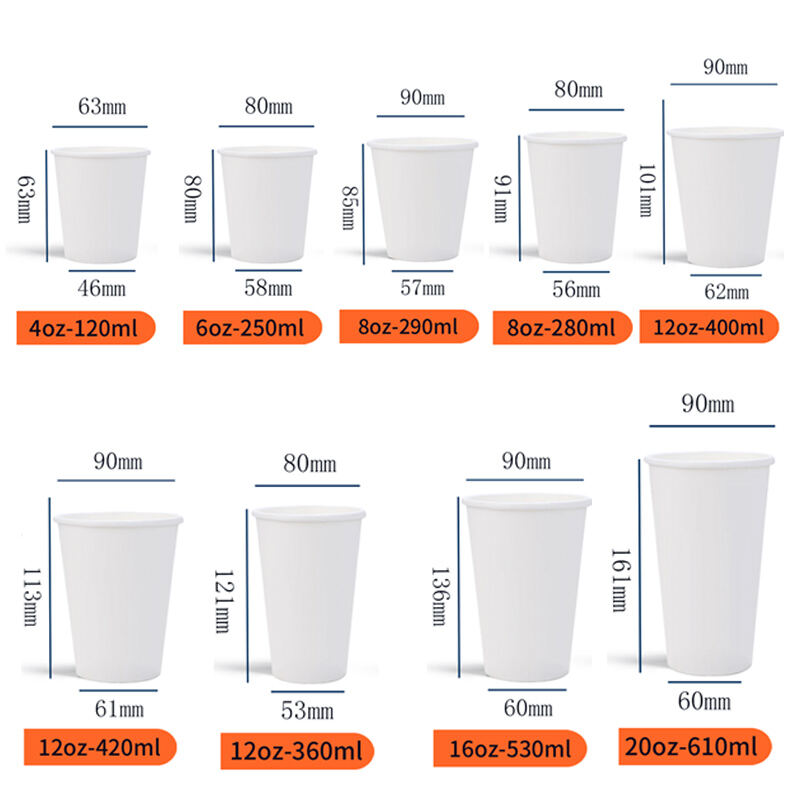
paper coffee cup manufacturers
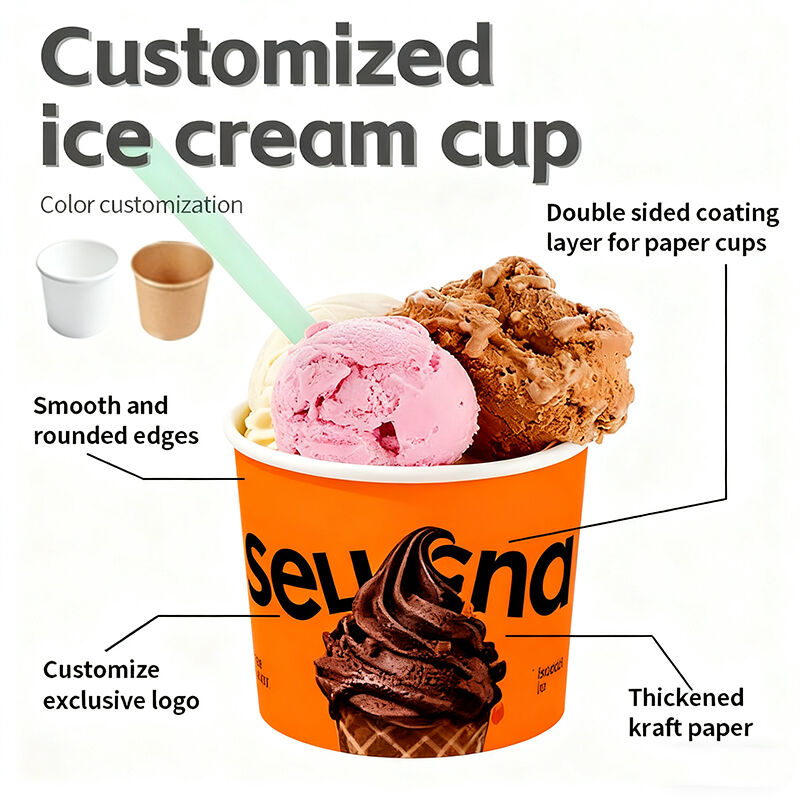
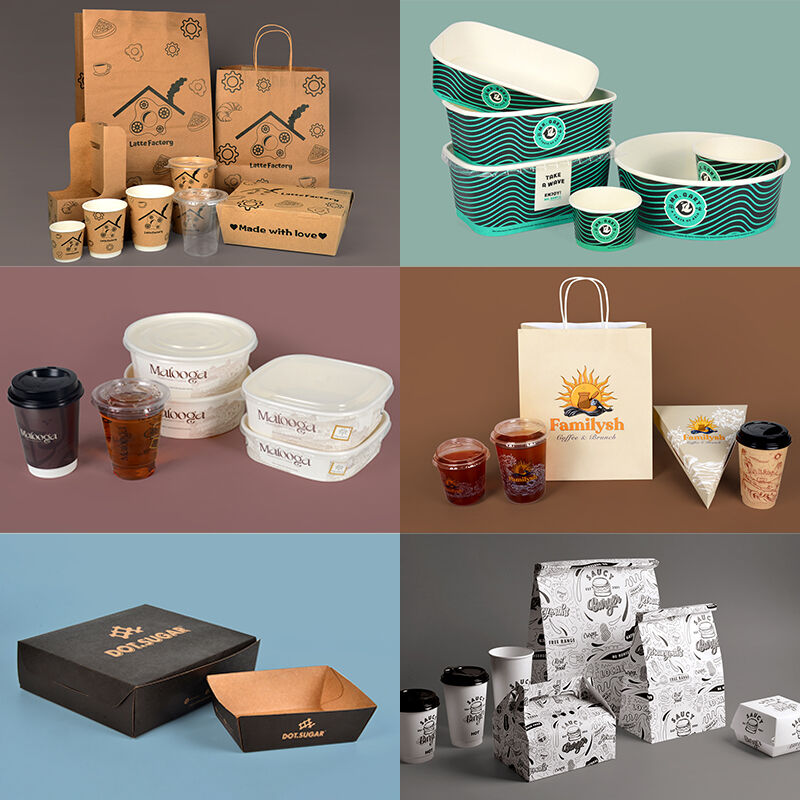
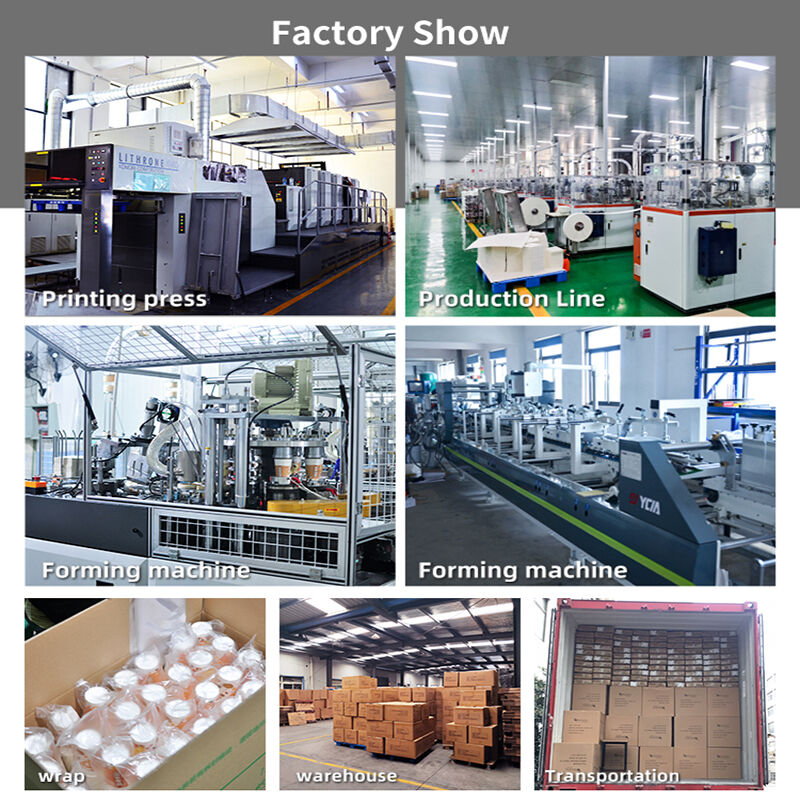
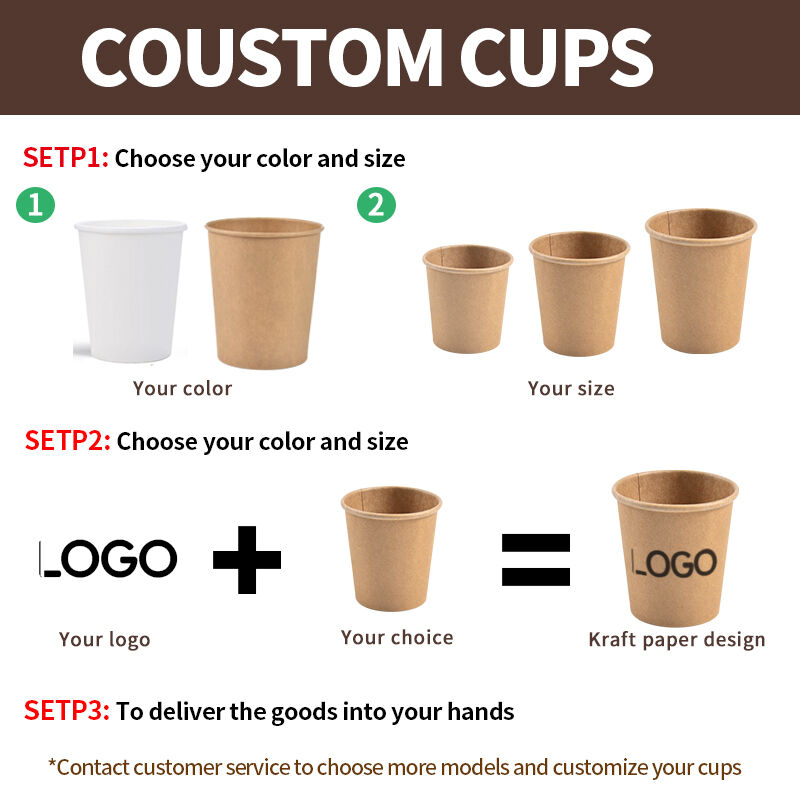
Paper coffee cup manufacturers are specialized companies that design, produce, and supply disposable coffee cups made primarily from paperboard materials. These manufacturers utilize advanced production technologies to create cups that meet the demanding requirements of the beverage industry, including heat resistance, liquid retention, and structural integrity. The main function of paper coffee cup manufacturers is to provide businesses with reliable, cost-effective, and environmentally conscious packaging solutions for hot and cold beverages. They employ sophisticated machinery including cup forming machines, printing equipment, and quality control systems to ensure consistent product output. Paper coffee cup manufacturers typically offer customization options such as branded printing, various size ranges from small espresso cups to large travel mugs, and different coating applications including polyethylene lining or water-based barriers. The technological features include precision die-cutting, high-speed production lines capable of manufacturing thousands of units per hour, and automated quality inspection systems. These manufacturers serve diverse applications across coffee shops, restaurants, convenience stores, corporate offices, educational institutions, and catering services. Modern paper coffee cup manufacturers are increasingly focused on sustainability, developing biodegradable and compostable alternatives to traditional petroleum-based coatings. They also provide complementary products such as lids, sleeves, and stirrers to create complete beverage service solutions for their clients.
 EN
EN