printed food packaging
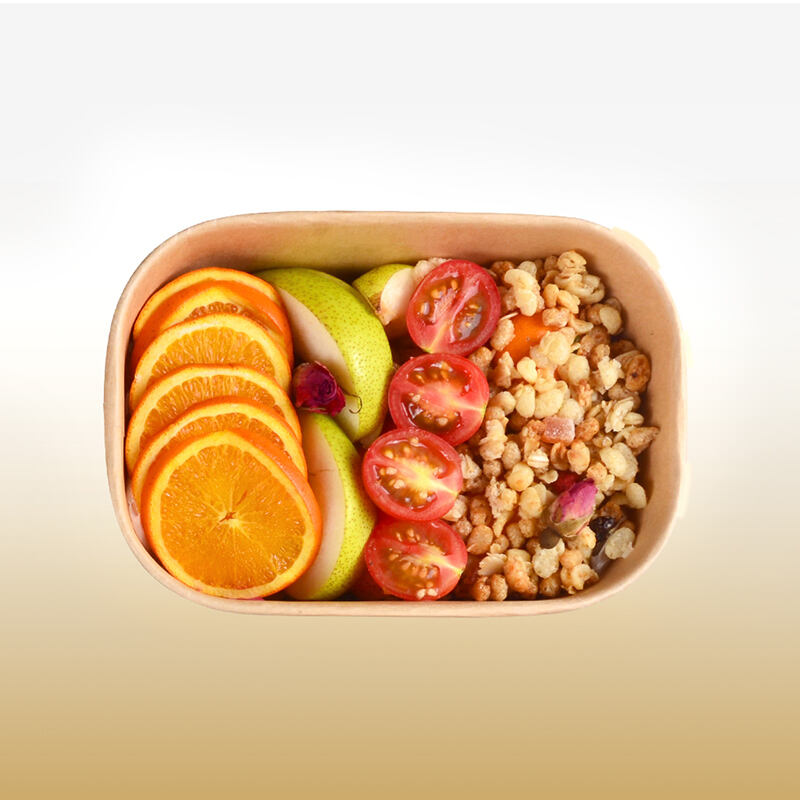
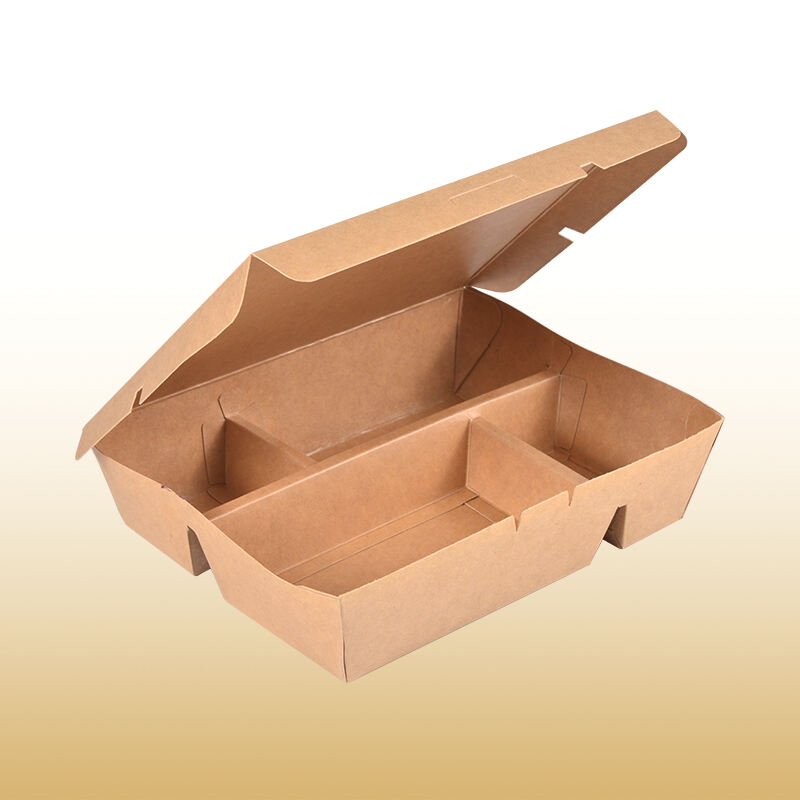
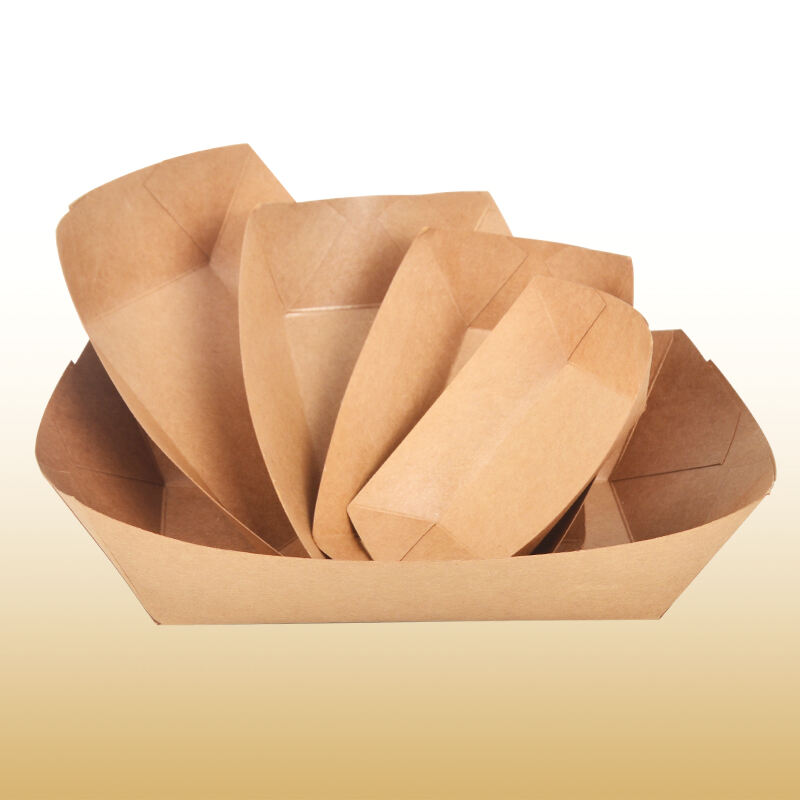
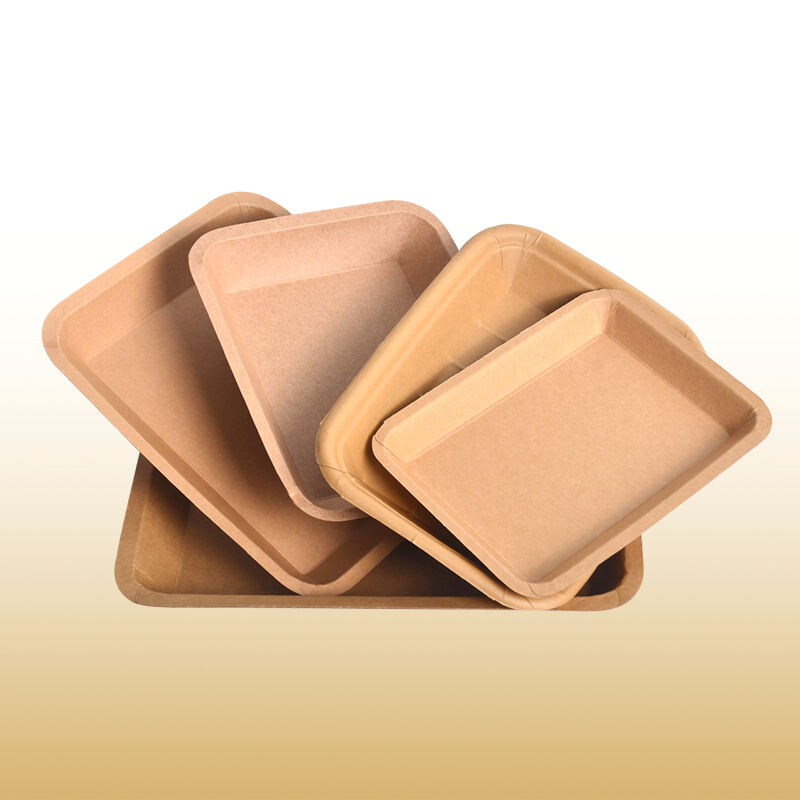
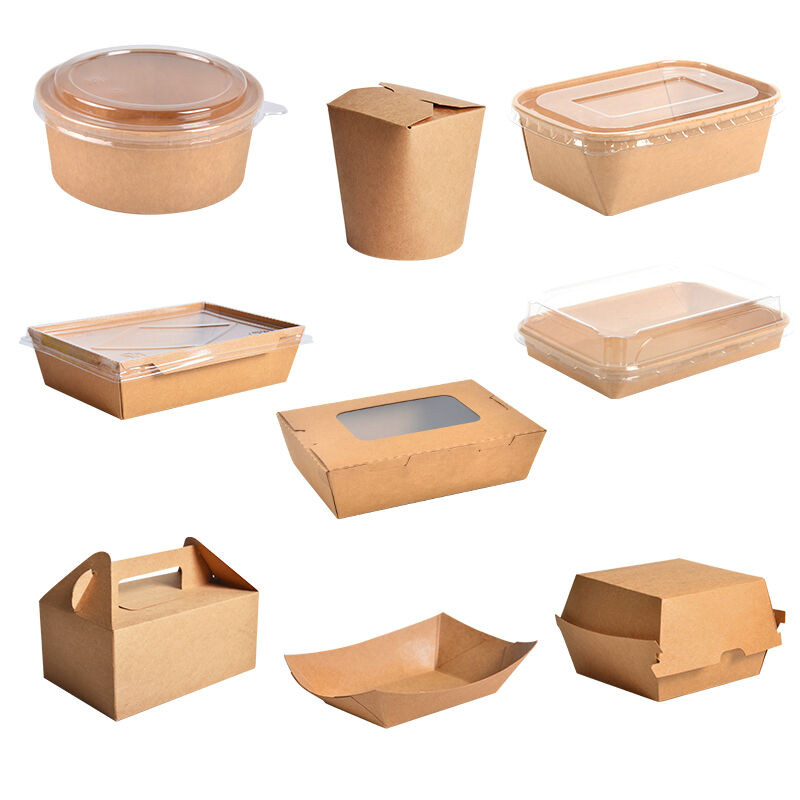
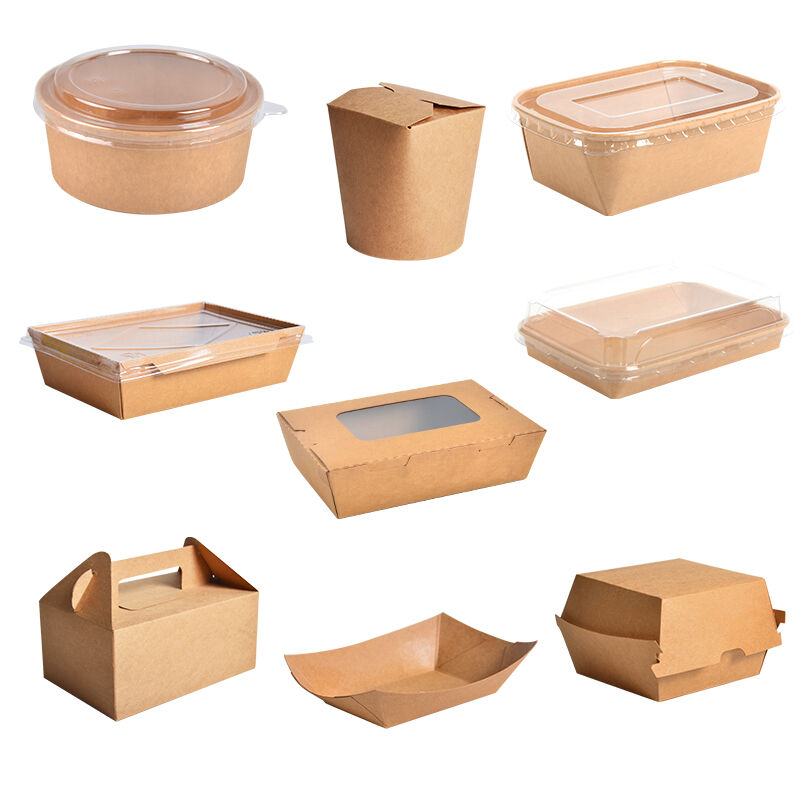
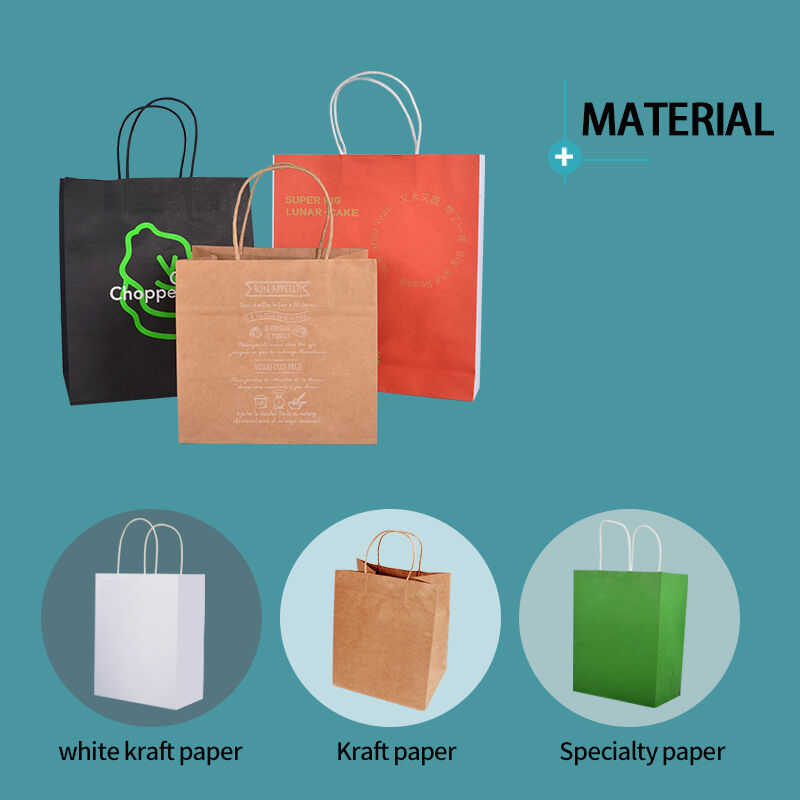
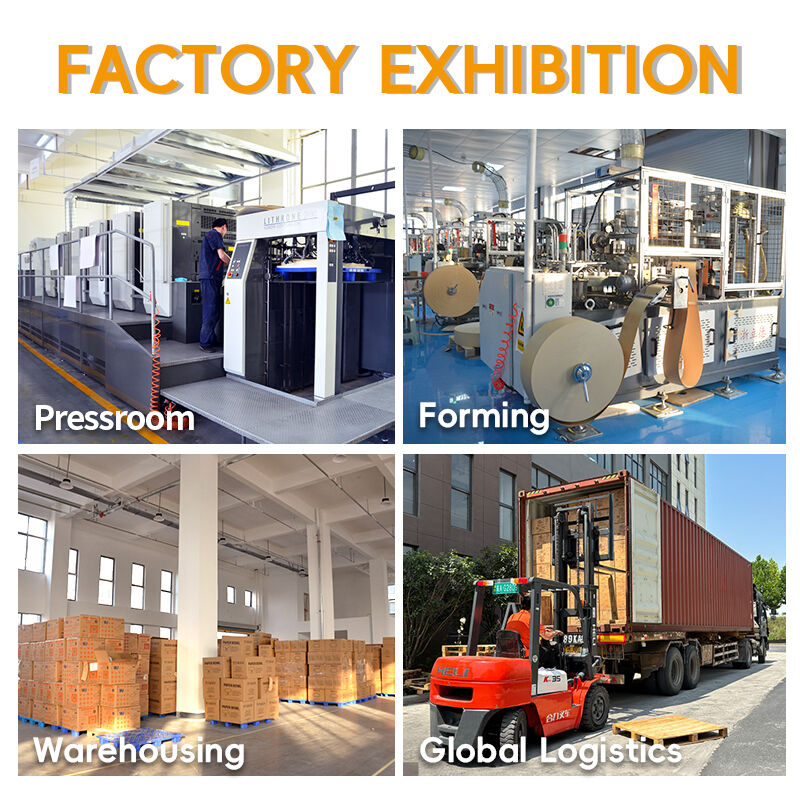
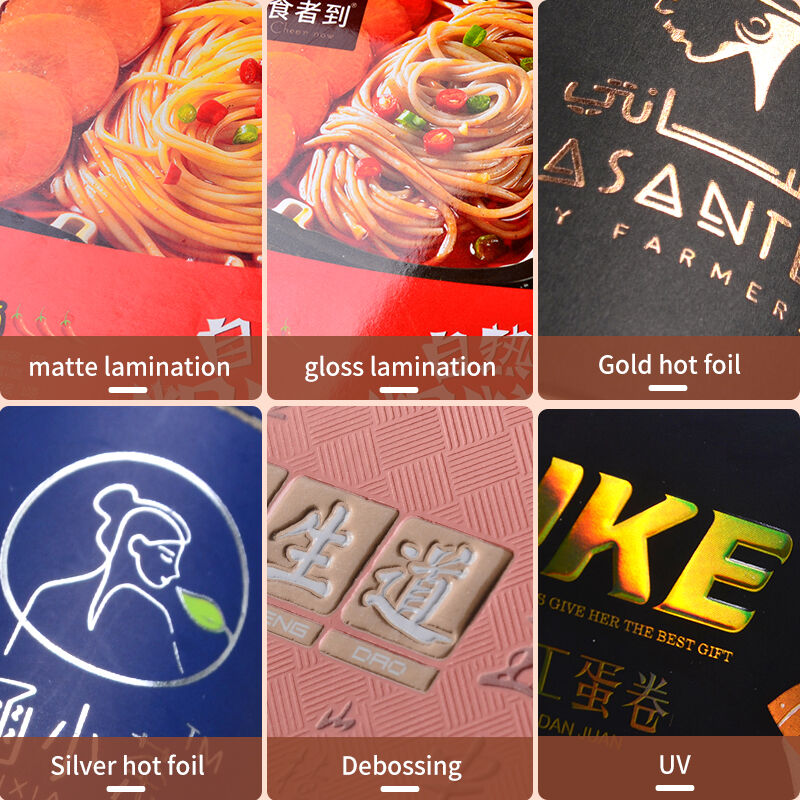
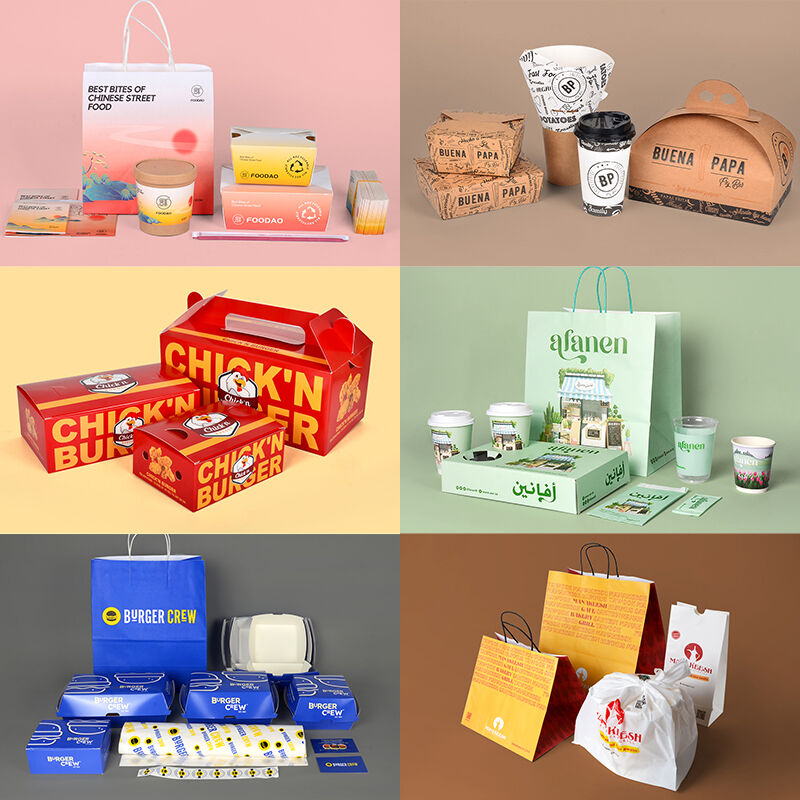
Printed food packaging represents a vital component in modern food distribution and marketing, combining protective functionality with compelling visual communication. This specialized packaging solution involves applying high-quality graphics, product information, branding elements, and regulatory details directly onto various packaging materials through advanced printing technologies. Printed food packaging serves multiple essential functions including product protection, shelf-life extension, consumer information delivery, and brand differentiation in competitive retail environments. The packaging utilizes food-safe inks and materials that comply with international safety standards, ensuring no contamination or migration of harmful substances into food products. Technological features include flexographic printing, digital printing, gravure printing, and offset lithography, each offering distinct advantages for different packaging formats and production volumes. These printing methods enable vibrant color reproduction, sharp text clarity, and consistent quality across large production runs. Applications span the entire food industry spectrum, from fresh produce and bakery items to frozen foods, beverages, snacks, dairy products, and ready-to-eat meals. The versatility of printed food packaging accommodates various material substrates including flexible films, rigid containers, paperboard boxes, and composite materials. Modern printing technologies also support variable data printing for batch coding, traceability information, and promotional messaging. As consumer preferences evolve toward visually appealing and informative packaging, printed food packaging continues to advance with innovations in sustainable materials, enhanced barrier properties, and interactive features like QR codes that bridge physical packaging with digital engagement platforms.
 EN
EN