white paper food bags
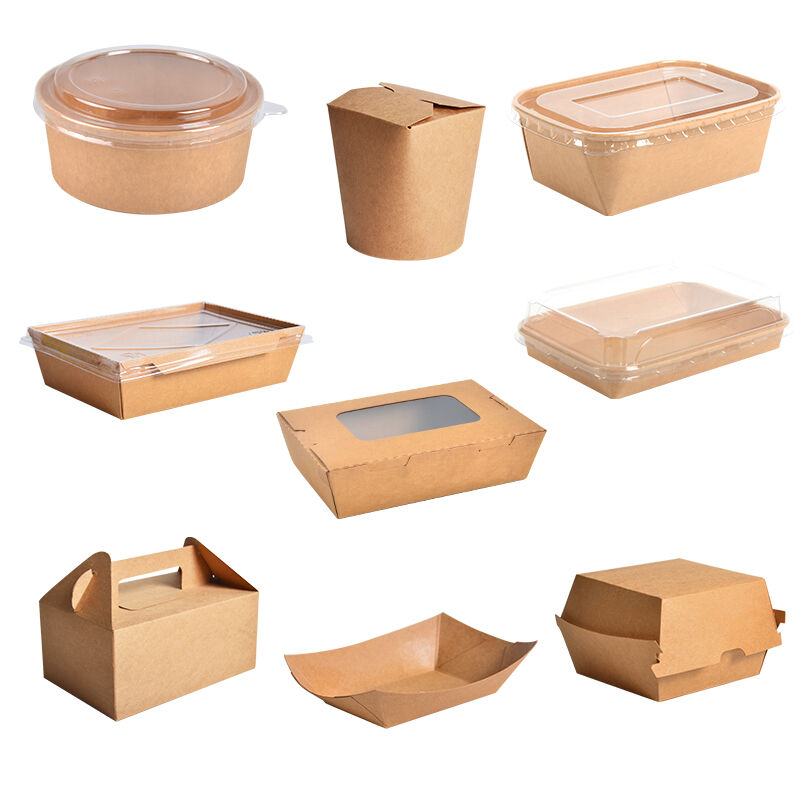
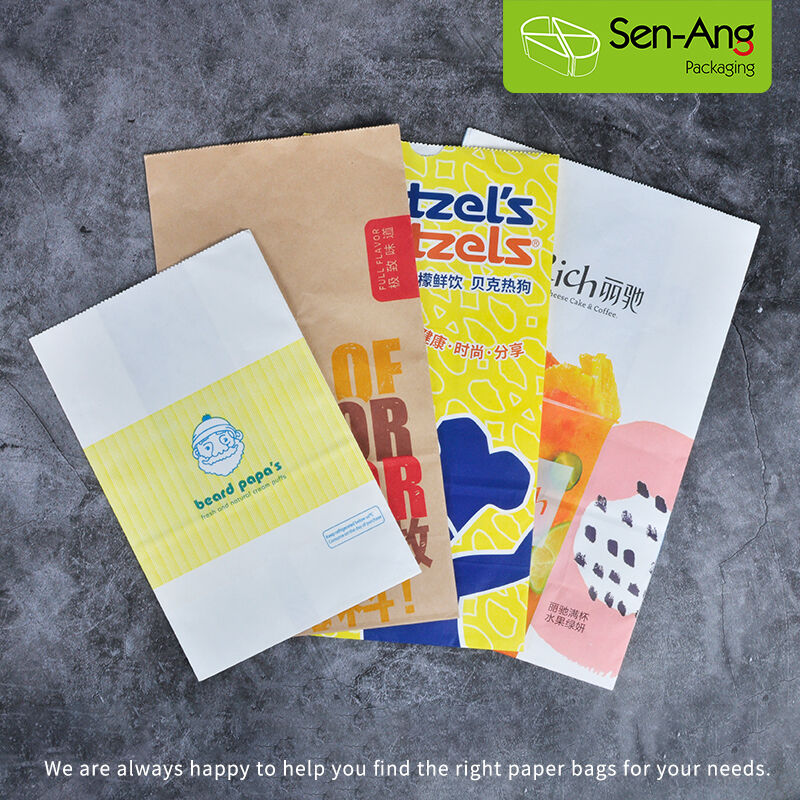
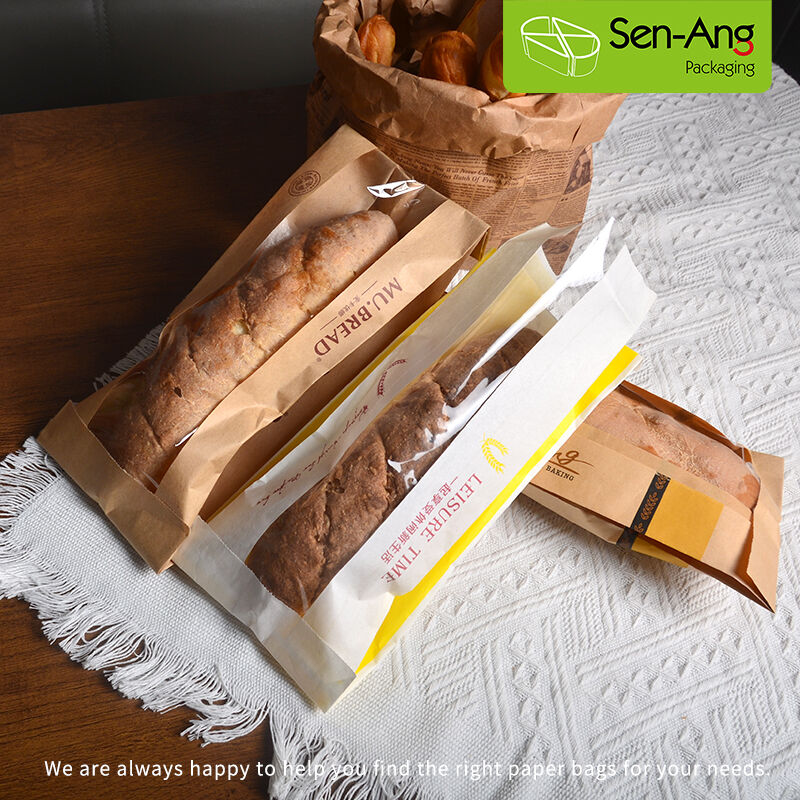
White paper food bags are versatile packaging solutions designed specifically for the food service industry, offering a practical and hygienic way to package, transport, and serve various food items. These bags are manufactured from high-quality paper materials that meet food safety standards, ensuring that contents remain fresh and uncontaminated during storage and delivery. White paper food bags feature a clean, neutral appearance that appeals to customers while providing excellent functionality for businesses ranging from bakeries and restaurants to cafes and food trucks. The primary functions include containing baked goods, sandwiches, pastries, snacks, and takeaway meals while protecting them from external contaminants and maintaining food quality. The technological features of white paper food bags incorporate grease-resistant treatments that prevent oil and moisture from seeping through the paper, ensuring structural integrity even when holding hot or oily foods. The bags are designed with reinforced bottoms and sides to support heavier items without tearing or collapsing. Applications span across multiple food service sectors, including retail bakeries that use them for bread and pastries, quick-service restaurants for takeout orders, catering companies for event food distribution, and specialty food shops for packaged goods. White paper food bags also serve as an eco-conscious alternative to plastic packaging, aligning with growing consumer demand for sustainable solutions. Their versatility makes them suitable for both hot and cold food items, providing reliable performance across diverse culinary applications.
 EN
EN