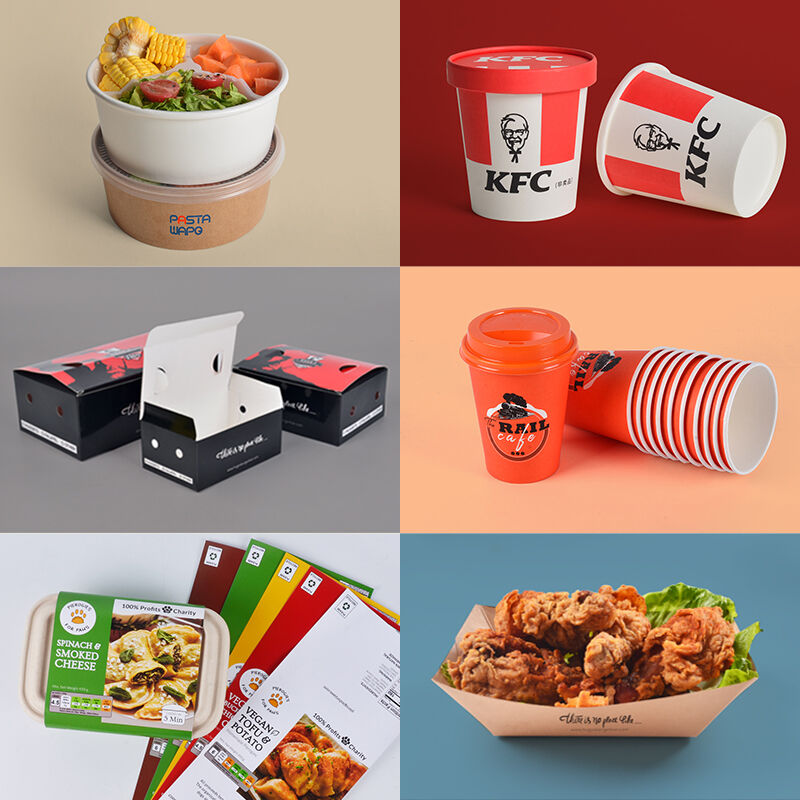
paper takeaway food containers
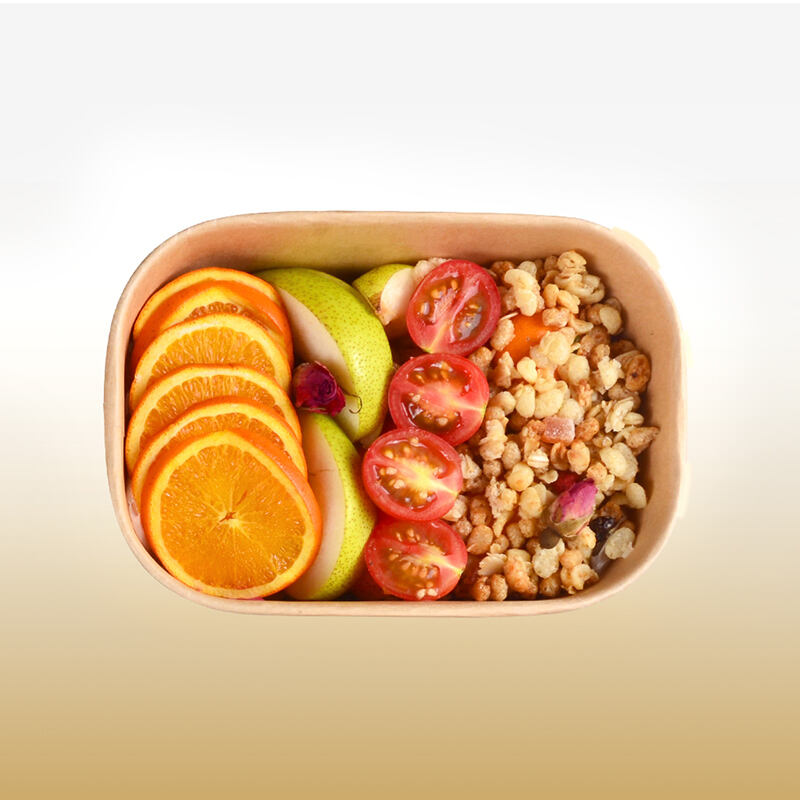
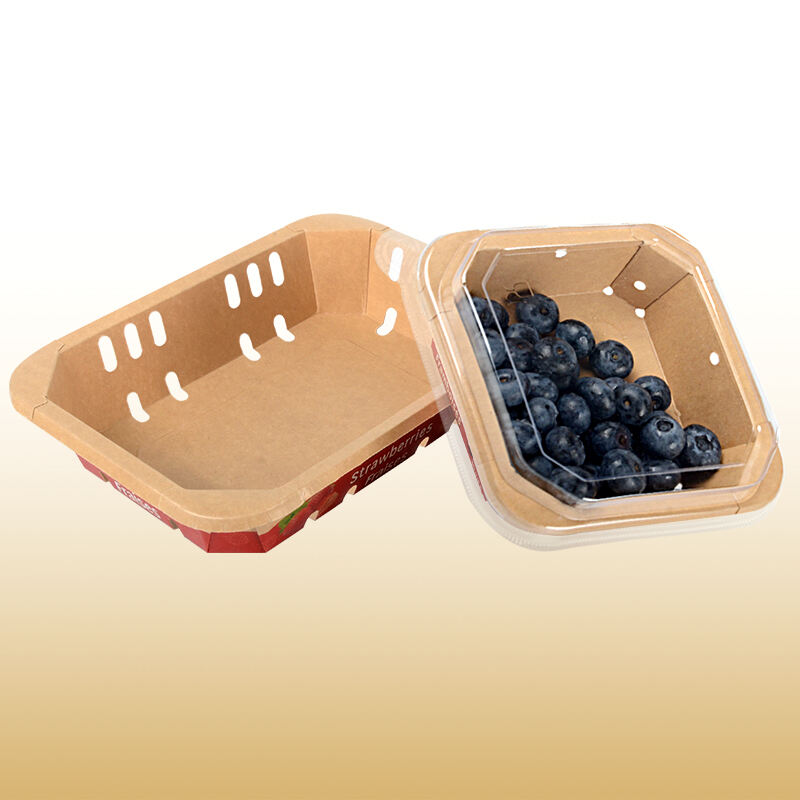
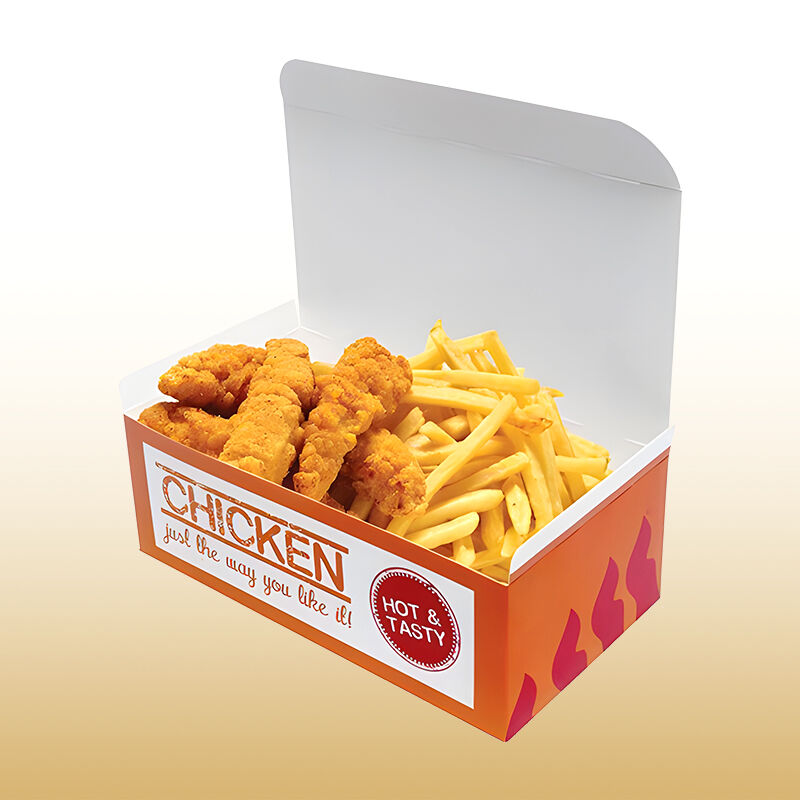
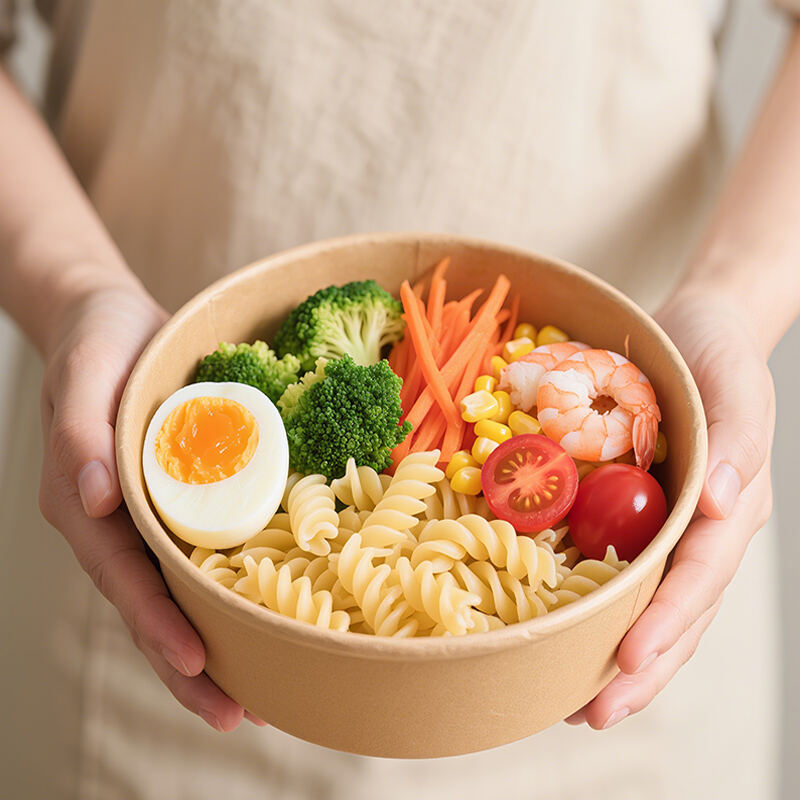
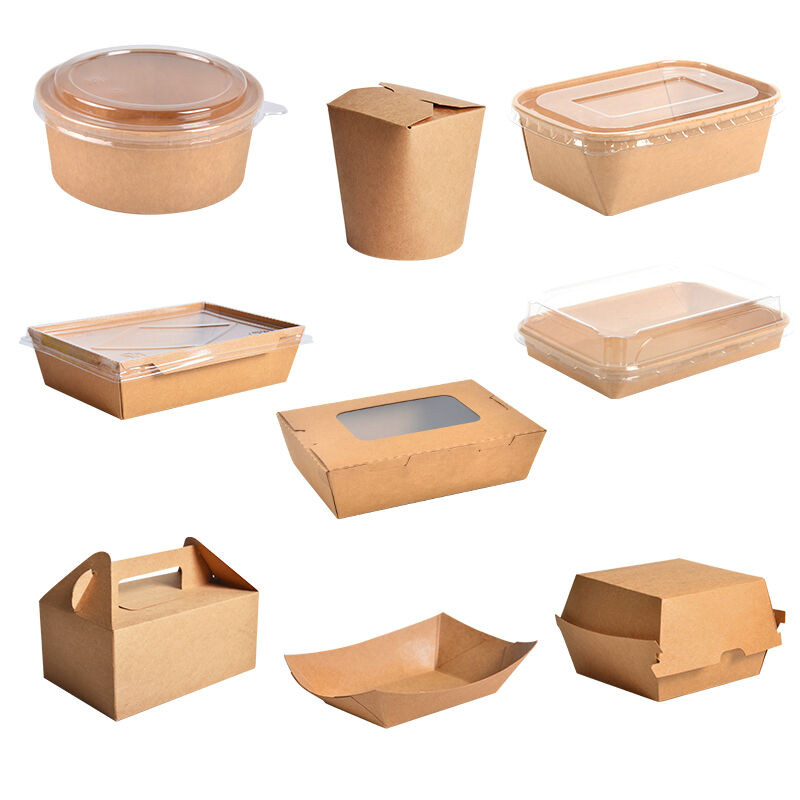
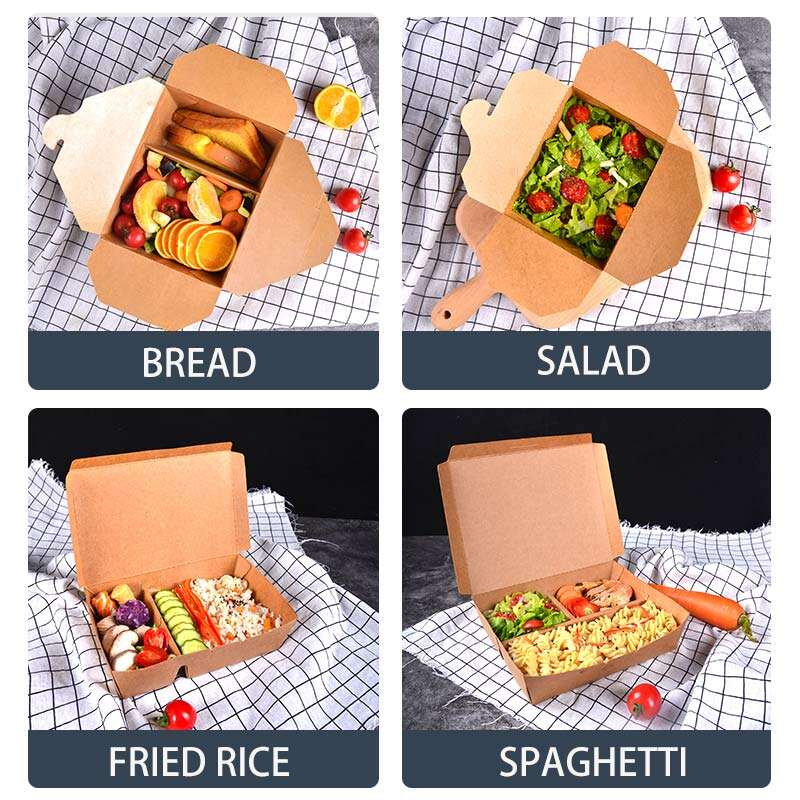
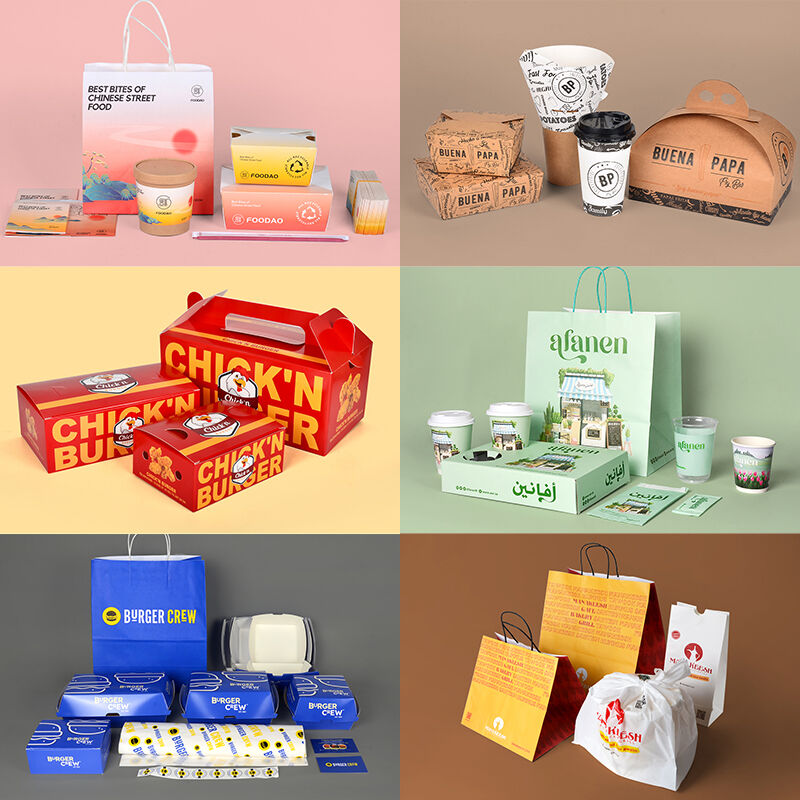
Paper takeaway food containers have become essential packaging solutions in the modern food service industry, designed specifically to transport meals safely from restaurants to consumers. These containers are manufactured from sustainable paperboard materials that offer excellent structural integrity while maintaining environmental responsibility. The main functions include protecting food during transit, preserving temperature for hot or cold dishes, and preventing leaks or spills that could compromise meal quality. Technological features incorporate advanced coating technologies that create moisture barriers without using plastic lining, allowing these containers to handle various food types from soups to salads. Many paper takeaway food containers feature innovative folding designs that eliminate the need for additional adhesives, ensuring food safety standards are met. The applications span across quick-service restaurants, food delivery platforms, catering services, and corporate meal programs. These containers accommodate diverse menu items including entrees, side dishes, desserts, and beverages. Modern manufacturing processes enable customization options such as printing brand logos, nutritional information, and disposal instructions directly onto the container surface. The versatility of paper takeaway food containers makes them suitable for both hot foods requiring heat retention and cold items needing refrigeration compatibility. Their stackable designs optimize storage space in commercial kitchens while their lightweight nature reduces shipping costs for bulk orders. As consumer awareness about environmental impact grows, paper takeaway food containers represent the intersection of functionality, sustainability, and business practicality in food packaging solutions.
 EN
EN