bagasse food container
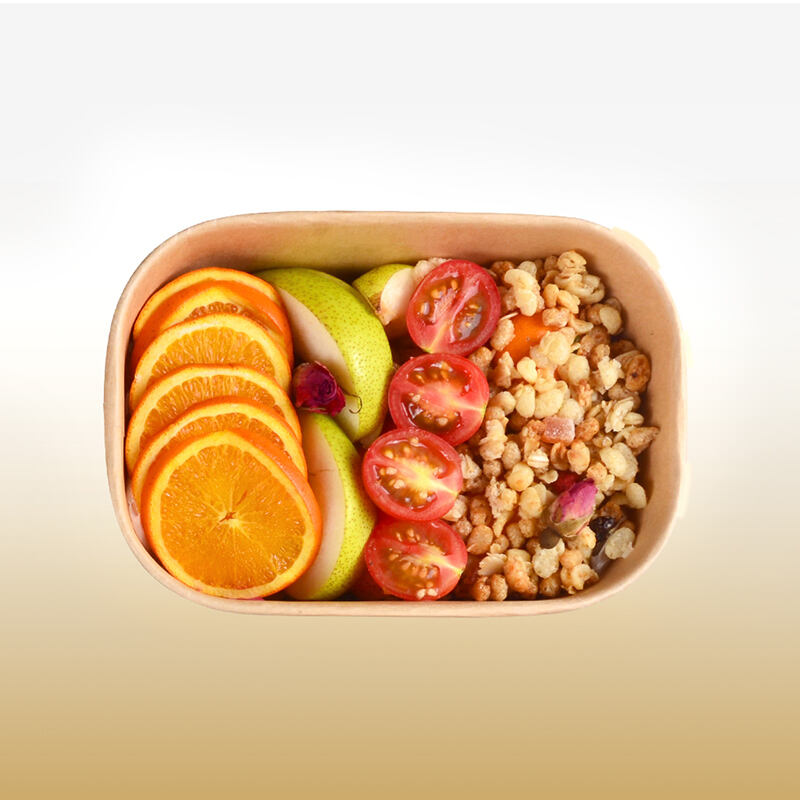
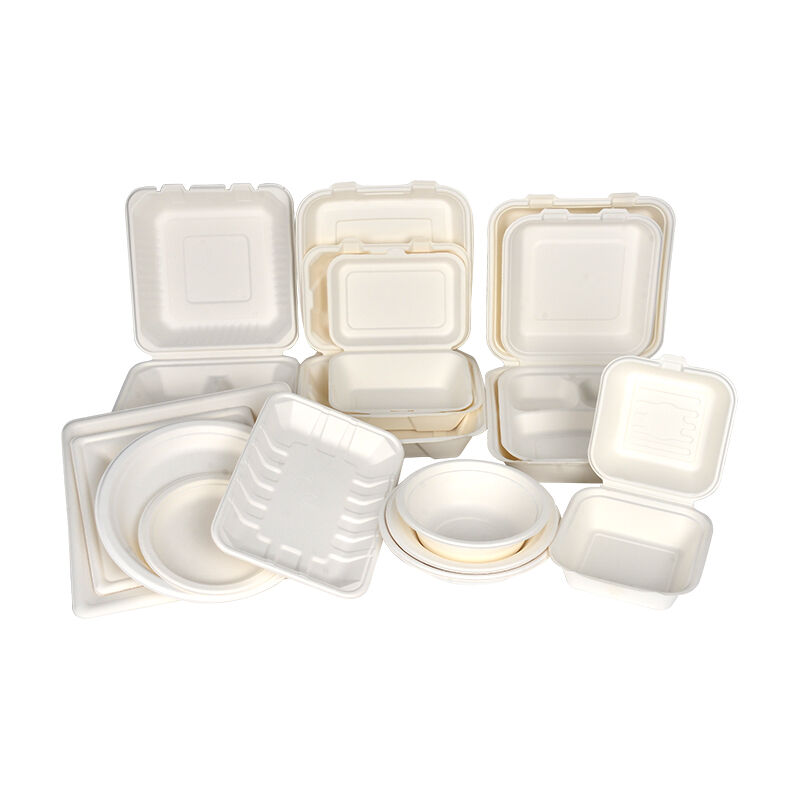
A bagasse food container is an eco-friendly packaging solution crafted from sugarcane fiber, the fibrous residue left after extracting juice from sugarcane stalks. This sustainable alternative to plastic and styrofoam containers has gained significant popularity in the food service industry due to its biodegradable and compostable properties. The bagasse food container serves multiple functions, primarily designed to safely hold hot and cold foods while maintaining temperature and preventing leaks. These containers feature natural insulation properties that keep meals at optimal temperatures during transportation and service. Technologically, manufacturers process bagasse through high-pressure molding techniques that create sturdy, durable containers without chemical additives or harmful coatings. The production process transforms raw sugarcane fiber into various shapes and sizes, including plates, bowls, clamshells, and compartmented trays. Each bagasse food container meets food safety standards and can withstand microwave heating and refrigeration. Applications span across restaurants, catering services, food trucks, corporate cafeterias, and takeout establishments. The versatility of the bagasse food container makes it suitable for serving diverse cuisines, from hot entrees and soups to cold salads and desserts. Environmental consciousness drives adoption as businesses seek to reduce their carbon footprint while maintaining quality food presentation. The natural beige color provides an organic aesthetic that appeals to health-conscious consumers and aligns with sustainable brand values, making the bagasse food container an intelligent choice for modern food service operations.
 EN
EN