Eco-Friendly Sugarcane Takeaway Containers - Biodegradable Food Packaging Solutions

Get a Free Quote

Our representative will contact you soon.
Email
Phone/WhatsApp
Name
Company Name
Message
0/1000

sugarcane takeaway containers

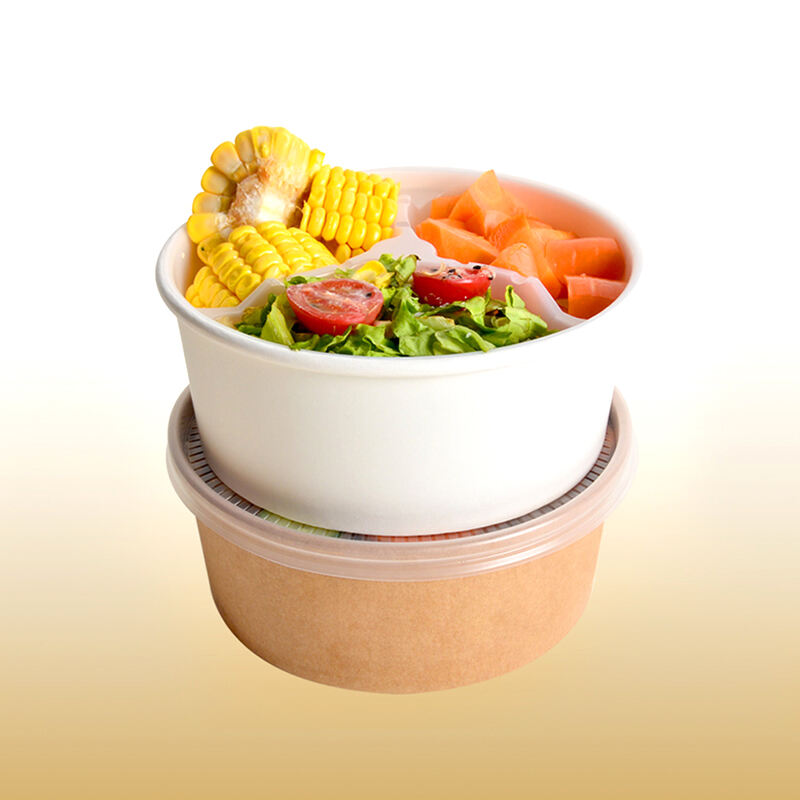
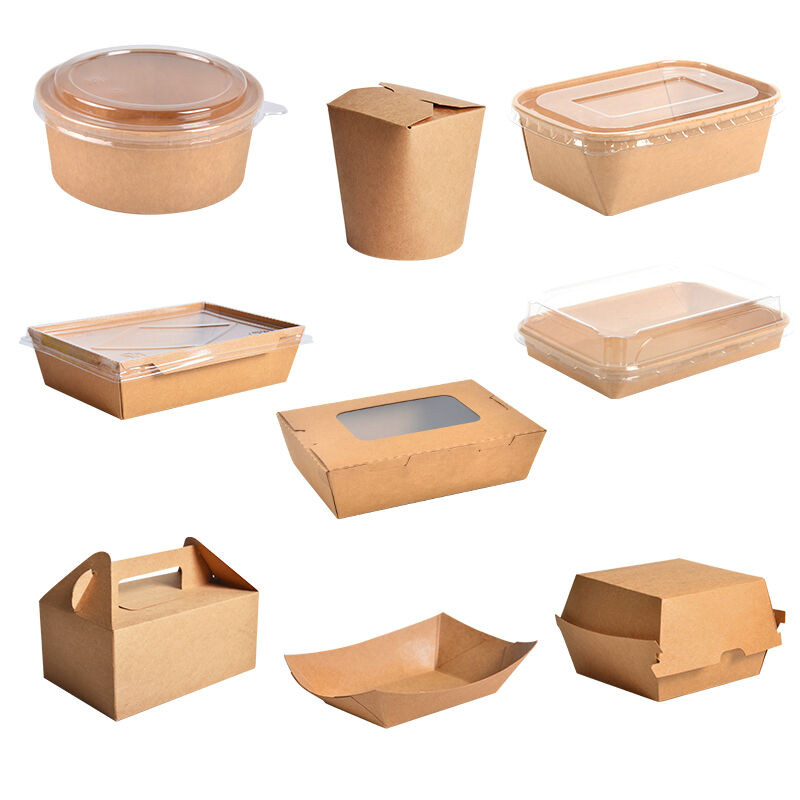
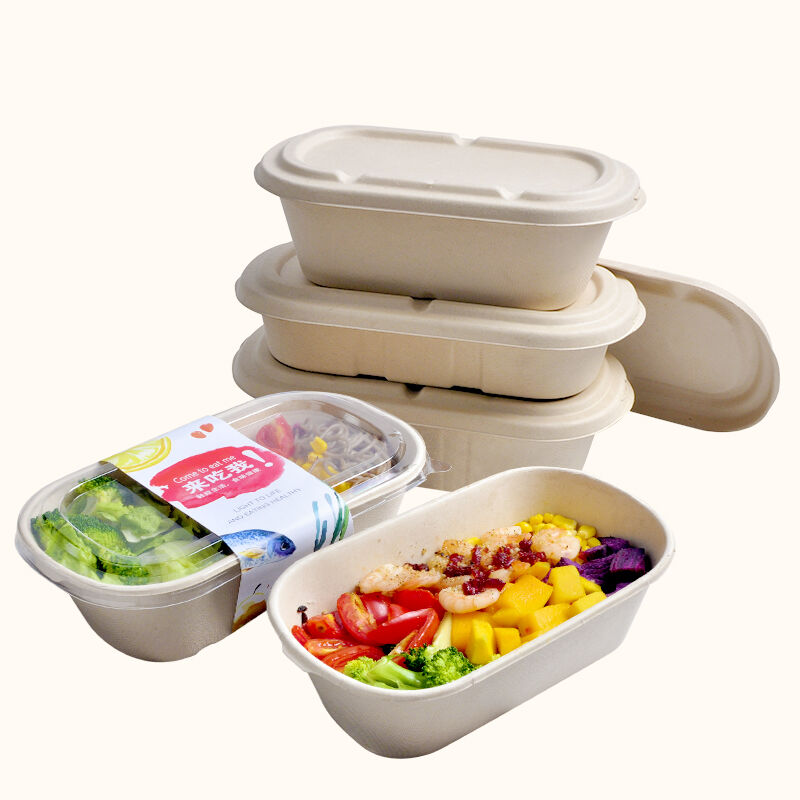
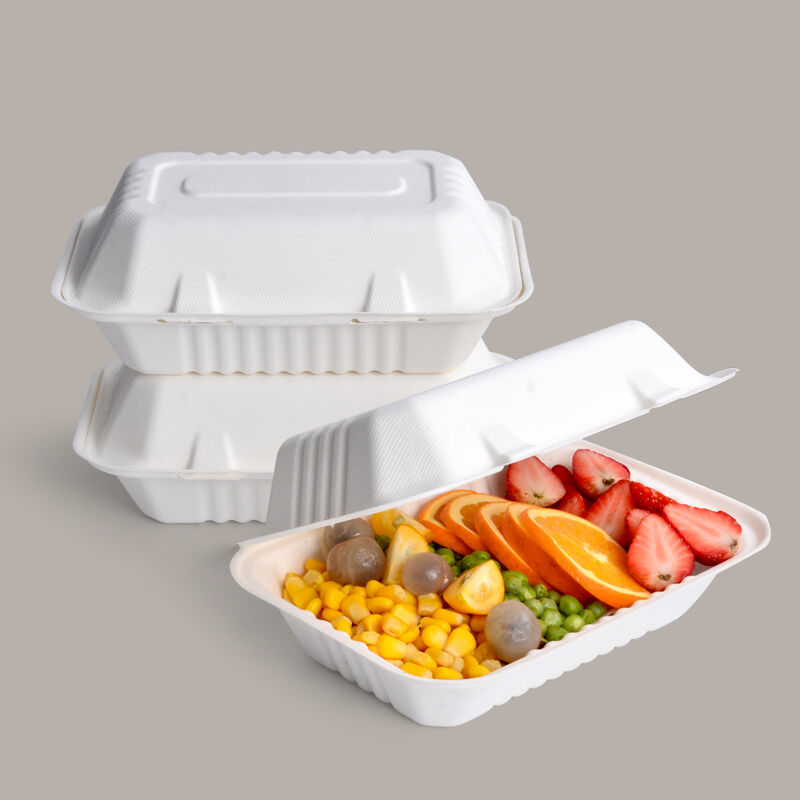
Sugarcane takeaway containers represent a revolutionary advancement in sustainable food packaging technology, offering an eco-friendly alternative to traditional plastic and foam containers. These innovative packaging solutions are manufactured from bagasse, the fibrous residue left after extracting juice from sugarcane stalks. Through specialized molding processes, this natural byproduct is transformed into durable, functional food containers that maintain structural integrity while supporting environmental conservation efforts. The primary functions of sugarcane takeaway containers include secure food storage, temperature retention, and leak-resistant transportation of various meal types. These containers excel in both hot and cold food applications, making them versatile solutions for restaurants, catering services, and food delivery operations. The technological features incorporate advanced fiber bonding techniques that create containers with superior strength-to-weight ratios compared to conventional alternatives. The manufacturing process utilizes high-pressure forming technology that compresses bagasse fibers into precise shapes without requiring harmful chemical additives or synthetic binding agents. This natural compression creates containers with excellent insulation properties, helping maintain food temperatures during transport and storage. Applications span across diverse food service sectors, including quick-service restaurants, fine dining establishments, food trucks, catering companies, and institutional food services. Healthcare facilities, educational institutions, and corporate cafeterias increasingly adopt these containers for their sustainability credentials and functional performance. The containers accommodate various food types, from soups and salads to hot entrees and frozen desserts, demonstrating remarkable versatility in commercial food operations. Advanced design features include stackable configurations for efficient storage, secure closure mechanisms for spill prevention, and microwave-safe properties for convenient reheating. The containers resist grease penetration and maintain structural stability under varying temperature conditions, ensuring reliable performance across different culinary applications.

New Product Recommendations

Sugarcane takeaway containers deliver exceptional environmental benefits that directly address growing sustainability concerns in the food service industry. These containers decompose completely within 60 to 90 days under proper composting conditions, significantly reducing landfill waste compared to plastic alternatives that persist for hundreds of years. Business owners benefit from enhanced brand reputation by demonstrating genuine environmental responsibility to increasingly eco-conscious consumers. The cost-effectiveness of these containers becomes apparent through competitive pricing structures that often match or undercut traditional packaging options while providing superior performance characteristics. Restaurants and food service operators experience improved customer satisfaction as diners appreciate establishments that prioritize environmental stewardship without compromising food quality or presentation. The natural insulation properties of sugarcane fibers help maintain optimal food temperatures longer than many conventional containers, ensuring customers receive meals at intended serving temperatures. This temperature retention capability reduces food waste and enhances the overall dining experience for takeaway and delivery orders. Health-conscious consumers value the non-toxic composition of these containers, which contain no harmful chemicals, plasticizers, or synthetic additives that might leach into food products. The containers demonstrate excellent resistance to grease and moisture, preventing unsightly leaks and maintaining professional presentation standards that reflect positively on food service establishments. Practical handling advantages include lightweight construction that reduces shipping costs and storage space requirements while maintaining structural durability throughout the distribution chain. Kitchen staff appreciate the containers' microwave compatibility, allowing for convenient food reheating without transferring items to alternative dishware. The stackable design optimizes storage efficiency in commercial kitchens where space utilization directly impacts operational productivity. Regulatory compliance benefits emerge as many municipalities implement restrictions on single-use plastics, positioning businesses using sugarcane containers ahead of regulatory curves. Supply chain reliability has improved significantly as sugarcane bagasse represents an abundant agricultural waste stream, ensuring consistent availability without depending on petroleum-based raw materials subject to price volatility. These containers support circular economy principles by transforming agricultural waste into valuable products, creating positive environmental impact while meeting practical business needs.

Practical Tips

What Features Make Eco-Friendly Coffee Cups Ideal for Cafés and Chains

22

Jan

What Features Make Eco-Friendly Coffee Cups Ideal for Cafés and Chains

The global shift toward environmental consciousness has revolutionized the foodservice industry, with eco-friendly coffee cups emerging as a cornerstone of sustainable business practices. Modern cafés and restaurant chains face increasing pres...
View More
How to Choose the Right Fried Chicken Box for Your Restaurant

05

Feb

How to Choose the Right Fried Chicken Box for Your Restaurant

The success of any fried chicken restaurant depends not only on delicious recipes but also on the packaging that preserves food quality and enhances customer experience. A well-designed fried chicken box serves multiple purposes beyond simple contain...
View More
How Does an Eco Paper Bucket Enhance the Customer Dining Experience?

21

Jan

How Does an Eco Paper Bucket Enhance the Customer Dining Experience?

In today's competitive food service industry, restaurants and food vendors are constantly seeking innovative ways to enhance customer satisfaction while maintaining sustainable practices. The eco paper bucket has emerged as a game-changing solution t...
View More
Why Are PLA-Coated Paper Cups the Future of Sustainable Drinking Solutions?

21

Jan

Why Are PLA-Coated Paper Cups the Future of Sustainable Drinking Solutions?

The global shift toward environmentally conscious consumption has revolutionized the food service industry, with businesses and consumers increasingly demanding sustainable alternatives to traditional packaging. Among the most significant development...
View More

Get a Free Quote

Our representative will contact you soon.
Email
Phone/WhatsApp
Name
Company Name
Message
0/1000

sugarcane takeaway containers

Superior Biodegradability and Composting Performance

Superior Biodegradability and Composting Performance

The biodegradability feature of sugarcane takeaway containers represents their most compelling environmental advantage, setting them apart from conventional packaging solutions in the marketplace. These containers achieve complete decomposition within 60 to 90 days when placed in commercial composting facilities, transforming into nutrient-rich soil amendment that supports agricultural productivity. This rapid breakdown occurs because bagasse fibers contain natural cellulose structures that soil microorganisms readily process, unlike synthetic polymers that resist biological degradation. Home composting enthusiasts can successfully decompose these containers in backyard compost bins within four to six months, depending on environmental conditions such as temperature, moisture, and microbial activity levels. The composting process generates no harmful residues or toxic byproducts, ensuring the resulting compost material remains safe for growing edible plants and vegetables. Environmental impact assessments demonstrate that switching to sugarcane takeaway containers can reduce a typical restaurant's packaging-related carbon footprint by 70 to 85 percent compared to traditional plastic alternatives. This dramatic reduction stems from both the renewable source material and the elimination of persistent waste that would otherwise accumulate in landfills for centuries. Marine environments benefit significantly from increased adoption of these containers, as accidental environmental releases break down harmlessly rather than contributing to oceanic plastic pollution that threatens marine ecosystems. The biodegradability advantage extends beyond simple waste reduction to create positive ecological cycles where discarded containers return nutrients to soil systems, supporting sustainable agriculture practices. Municipalities implementing organic waste collection programs specifically accommodate these containers in their composting streams, enabling businesses to participate in circular waste management systems. Scientific testing confirms that even under suboptimal composting conditions, sugarcane containers begin breaking down within weeks, preventing long-term environmental accumulation. This exceptional biodegradability performance helps businesses meet increasingly stringent environmental regulations while appealing to environmentally conscious consumers who prioritize sustainable purchasing decisions.
Outstanding Temperature Resistance and Food Safety

Outstanding Temperature Resistance and Food Safety

Temperature resistance capabilities make sugarcane takeaway containers exceptionally versatile for diverse food service applications, accommodating everything from frozen desserts to steaming hot entrees with equal effectiveness. These containers withstand temperatures ranging from negative 20 degrees Celsius to positive 120 degrees Celsius without structural degradation, warping, or chemical leaching that could compromise food safety. The natural fiber structure creates excellent insulation properties that help maintain desired food temperatures during transport and storage, often outperforming traditional containers in thermal retention testing. Hot foods remain warmer longer while cold items stay chilled more effectively, enhancing customer satisfaction with takeaway and delivery orders. Microwave compatibility represents a significant practical advantage, allowing customers to reheat meals directly in the containers without transferring food to alternative dishware, reducing cleanup requirements and improving convenience. Safety testing confirms that heating sugarcane takeaway containers in microwave ovens produces no harmful emissions or chemical migration into food products, maintaining nutritional integrity and taste quality. The containers resist moisture penetration effectively, preventing soggy conditions that compromise food texture and presentation while protecting against bacterial growth that could pose health risks. Grease resistance properties ensure that oil-rich foods like fried items or saucy dishes remain properly contained without creating messy leaks that damage customer clothing or furniture. Structural integrity remains consistent across temperature fluctuations, eliminating concerns about container failure during transport or storage that could result in food spillage and customer dissatisfaction. Food service operators appreciate the reliability of these containers for both immediate consumption and leftover storage, as they maintain protective properties throughout extended use periods. Scientific analysis demonstrates that sugarcane fibers naturally resist bacterial growth, providing an additional layer of food safety protection beyond simple physical containment. The pH-neutral composition prevents chemical reactions with acidic foods like tomato-based sauces or citrus items that can degrade other container materials and affect taste profiles.
Economic Efficiency and Operational Benefits

Economic Efficiency and Operational Benefits

Economic advantages of sugarcane takeaway containers extend far beyond simple purchase price comparisons to encompass comprehensive operational benefits that improve business profitability and efficiency. Cost analysis reveals that while initial per-unit prices may slightly exceed basic plastic alternatives, the total cost of ownership often favors sugarcane containers when factoring in waste disposal fees, regulatory compliance costs, and potential penalty avoidance. Many municipalities charge premium rates for non-recyclable waste disposal, making biodegradable containers financially advantageous for high-volume food service operations. Storage efficiency improvements result from the stackable design and consistent sizing of sugarcane containers, maximizing warehouse and kitchen storage capacity while minimizing inventory management complexity. Supply chain advantages emerge from the abundance of sugarcane bagasse as a raw material source, providing price stability and availability assurance that petroleum-based alternatives cannot match. Businesses report reduced shipping costs due to the lightweight nature of these containers compared to heavier alternatives like paper or cardboard packaging solutions. Marketing value creation occurs as restaurants and food service providers leverage their use of sustainable packaging to attract environmentally conscious customers willing to pay premium prices for responsible business practices. Insurance benefits may apply as some providers offer reduced premiums for businesses demonstrating environmental responsibility and reduced liability exposure through sustainable practices. Labor efficiency improvements result from the containers' ease of handling, stackability, and elimination of sorting requirements for waste management, reducing staff time dedicated to packaging-related tasks. Inventory management simplifies with standardized sizing and reliable supplier relationships, reducing the complexity and cost of managing multiple packaging types for different menu items. Regulatory preparation advantages position businesses ahead of anticipated plastic packaging restrictions and taxes, avoiding costly last-minute transitions when regulations take effect. Customer retention benefits emerge as studies demonstrate increased loyalty among consumers who perceive businesses as environmentally responsible, leading to repeat purchases and positive word-of-mouth marketing. Quality assurance improvements result from consistent manufacturing standards and reliable performance characteristics that reduce customer complaints and food safety incidents that could damage business reputation and profitability.
Eco-Friendly Sugarcane Takeaway Containers - Biodegradable Food Packaging Solutions

Get a Free Quote

Our representative will contact you soon.
Email
Phone/WhatsApp
Name
Company Name
Message
0/1000