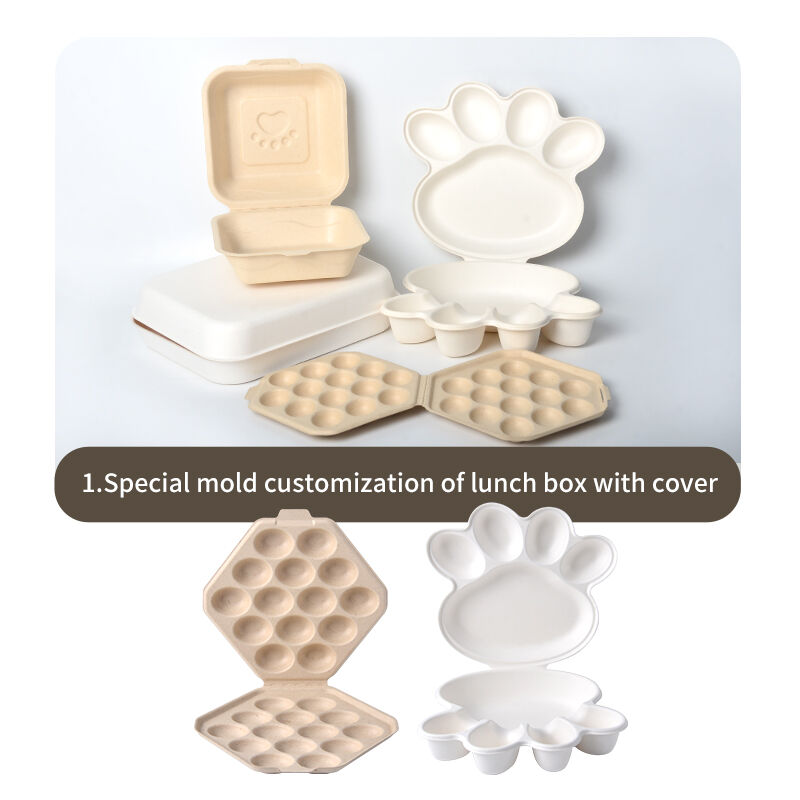
sugar cane bagasse packaging
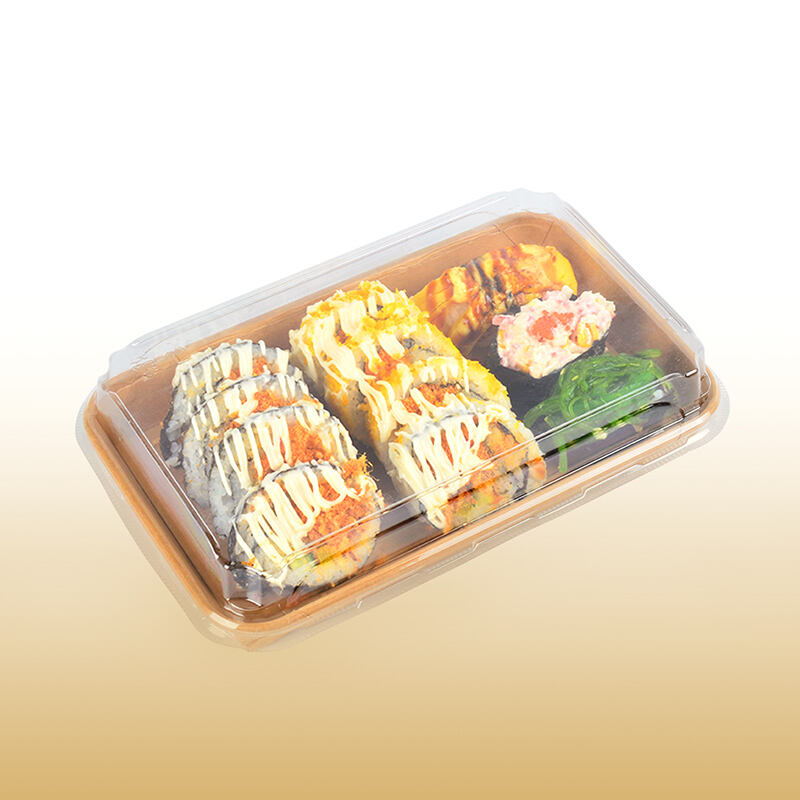
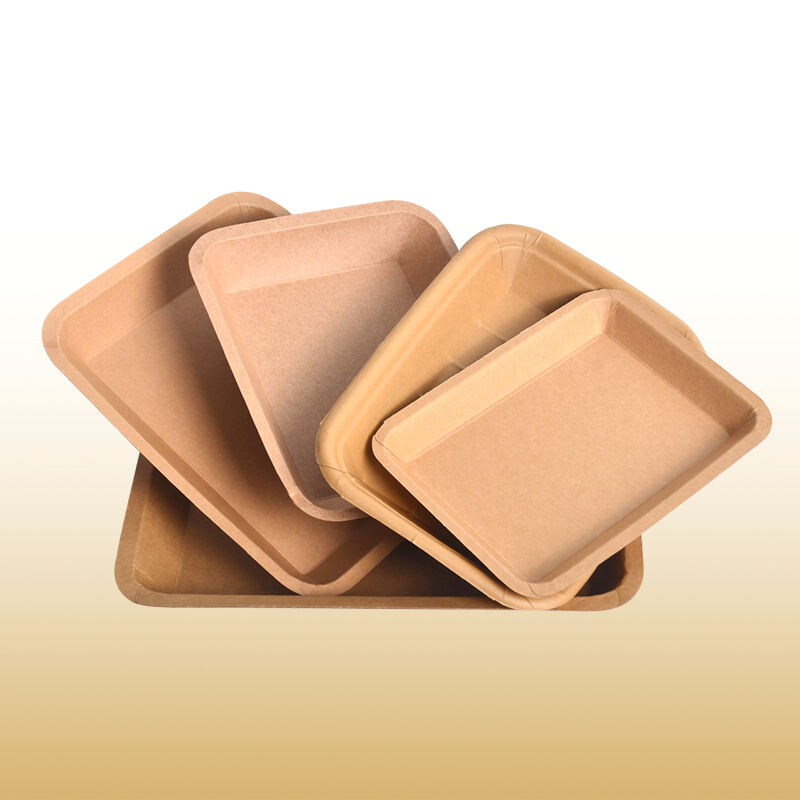
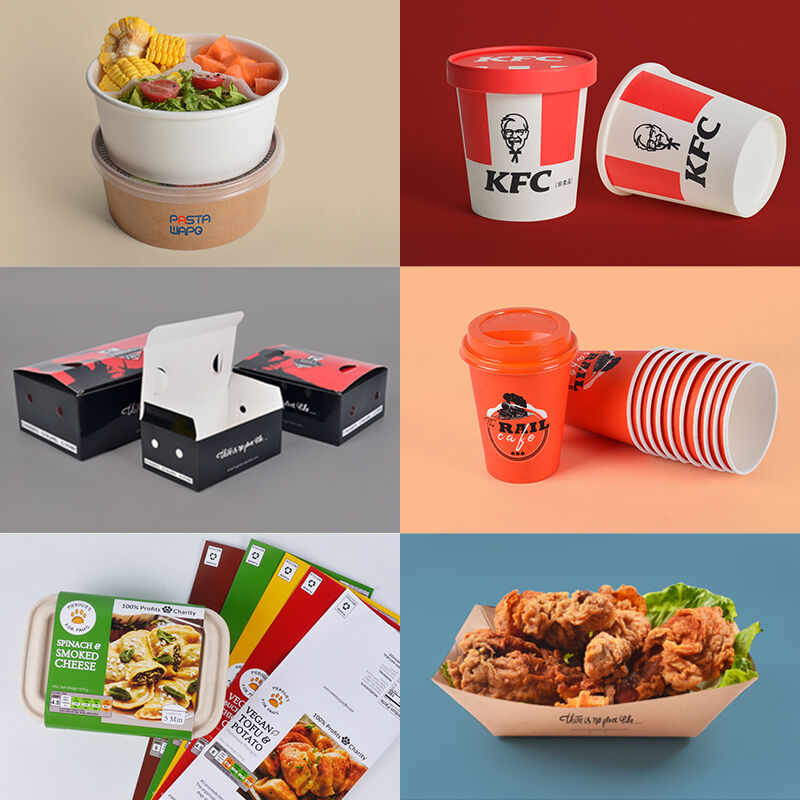
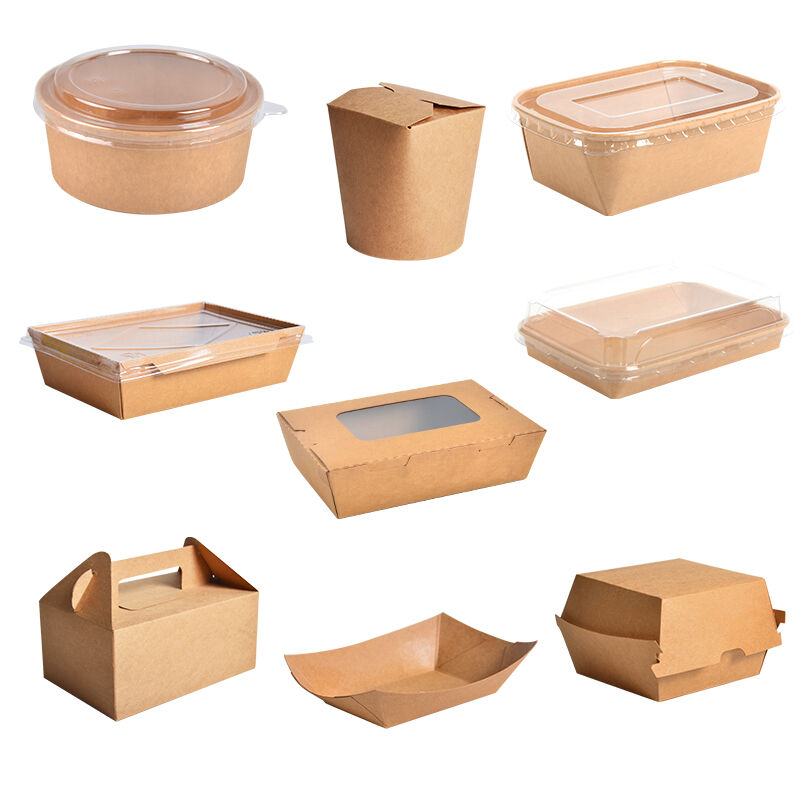
Sugar cane bagasse packaging represents an innovative and sustainable solution derived from the fibrous residue left after extracting juice from sugar cane. This eco-friendly packaging material has emerged as a leading alternative to traditional plastic and styrofoam containers, offering businesses and consumers a practical way to reduce environmental impact. The main function of sugar cane bagasse packaging is to provide sturdy, reliable containment for food products, beverages, and various consumer goods while maintaining biodegradability and compostability. Technologically, this packaging utilizes the natural strength of bagasse fibers, which are processed and molded under high pressure and temperature to create rigid yet lightweight containers. The manufacturing process requires no additional chemicals or bleaching agents, preserving the material's natural properties. Sugar cane bagasse packaging excels in heat resistance, making it microwave-safe and suitable for hot foods up to 200 degrees Fahrenheit. Its applications span across food service industries, including restaurants, catering services, takeout establishments, and retail food packaging. The material's versatility allows manufacturers to produce plates, bowls, clamshell containers, cups, trays, and cutlery. Sugar cane bagasse packaging meets international food safety standards and certifications, ensuring it is safe for direct food contact. As environmental regulations tighten globally and consumer awareness grows, sugar cane bagasse packaging has become an essential component of sustainable business practices, helping organizations demonstrate their commitment to environmental stewardship while maintaining product quality and functionality.
 EN
EN