Sustainable Sugarcane Food Packaging Solutions - Eco-Friendly Biodegradable Containers

Get a Free Quote

Our representative will contact you soon.
Email
Phone/WhatsApp
Name
Company Name
Message
0/1000

sugarcane food packaging

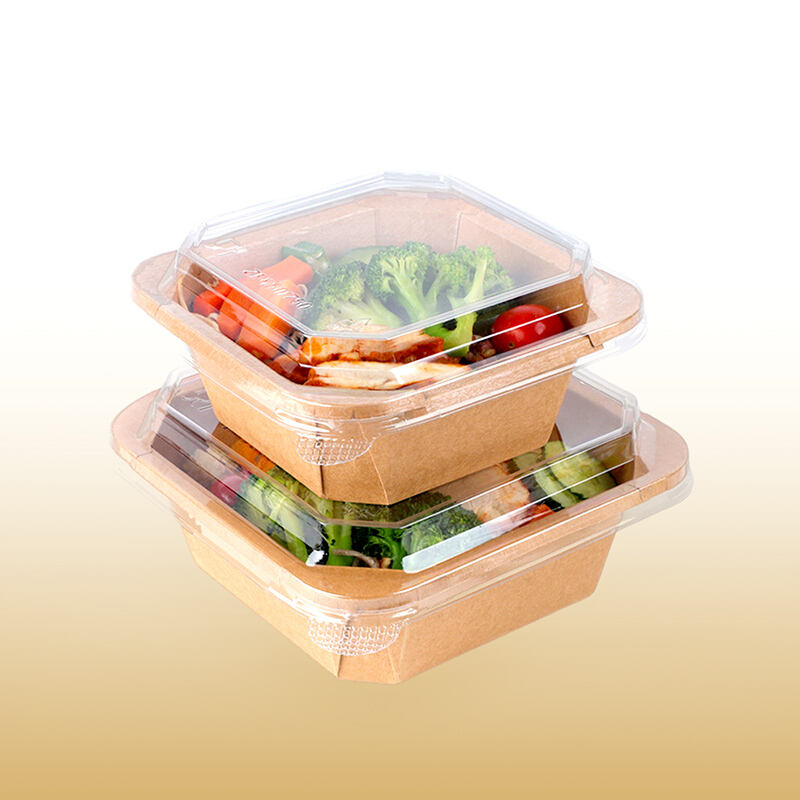
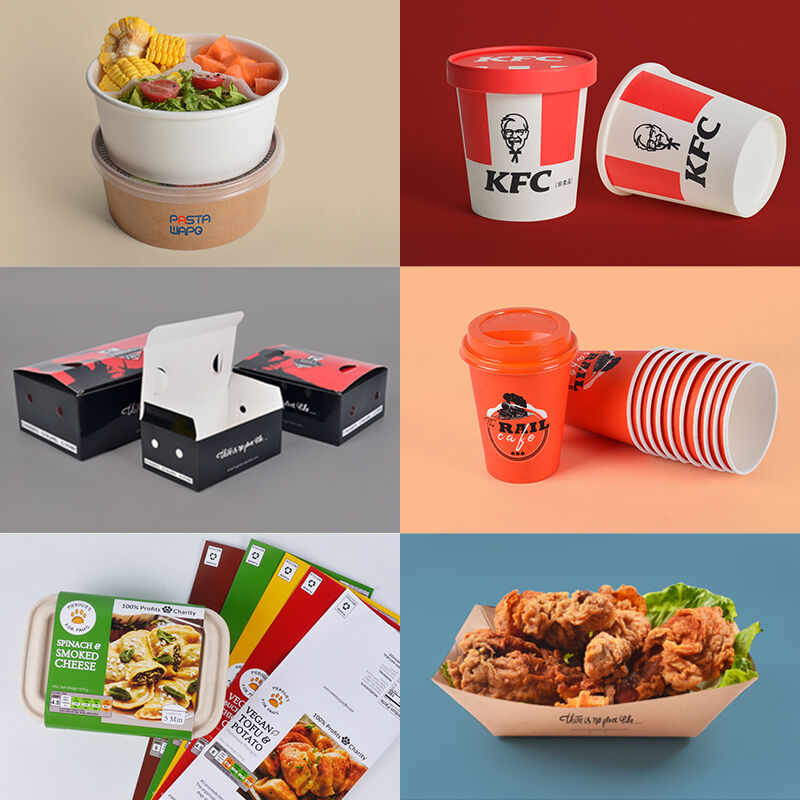
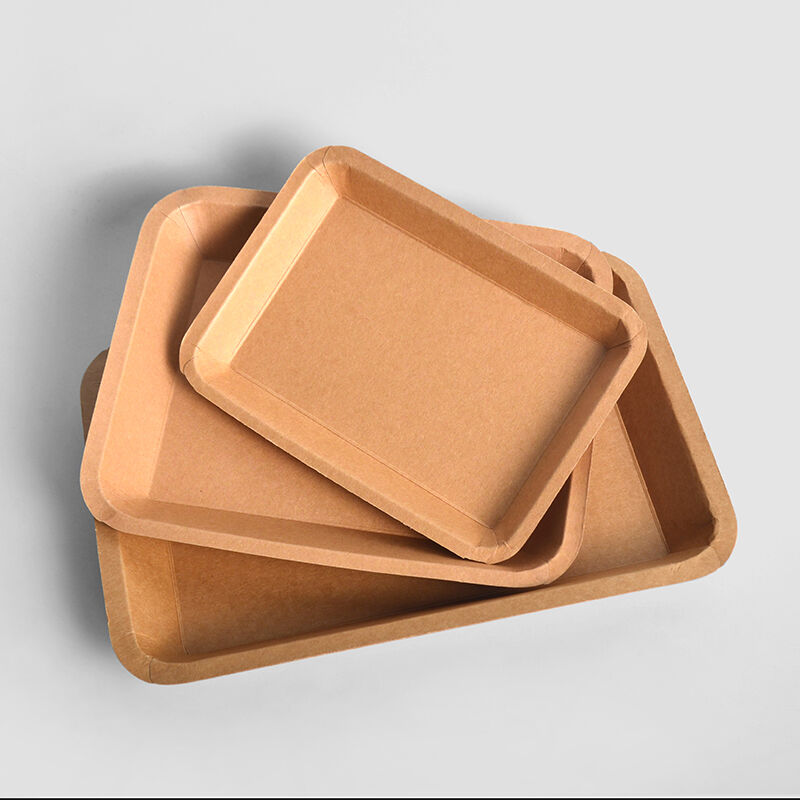
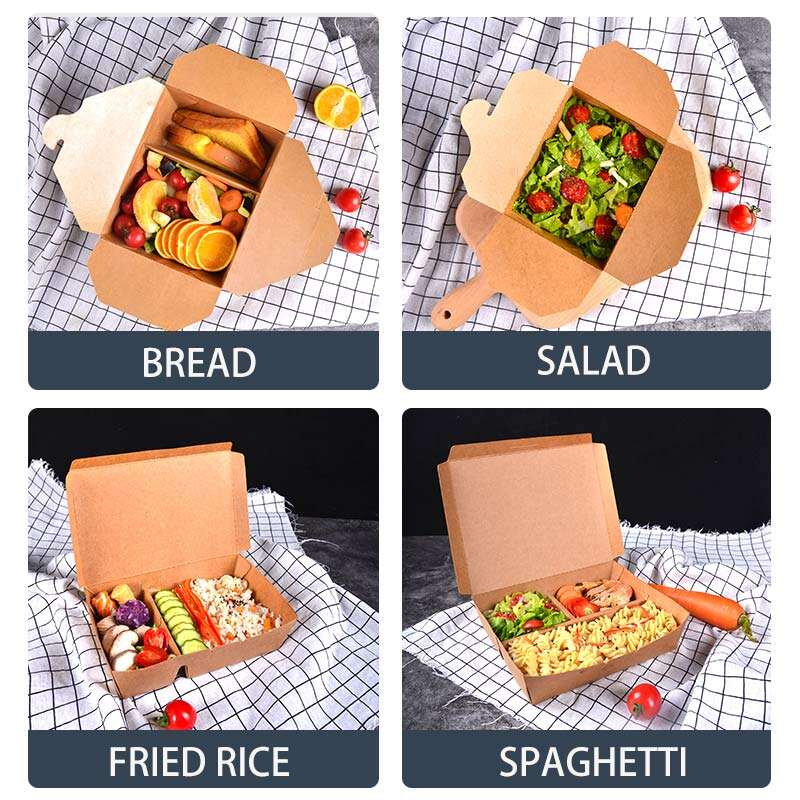
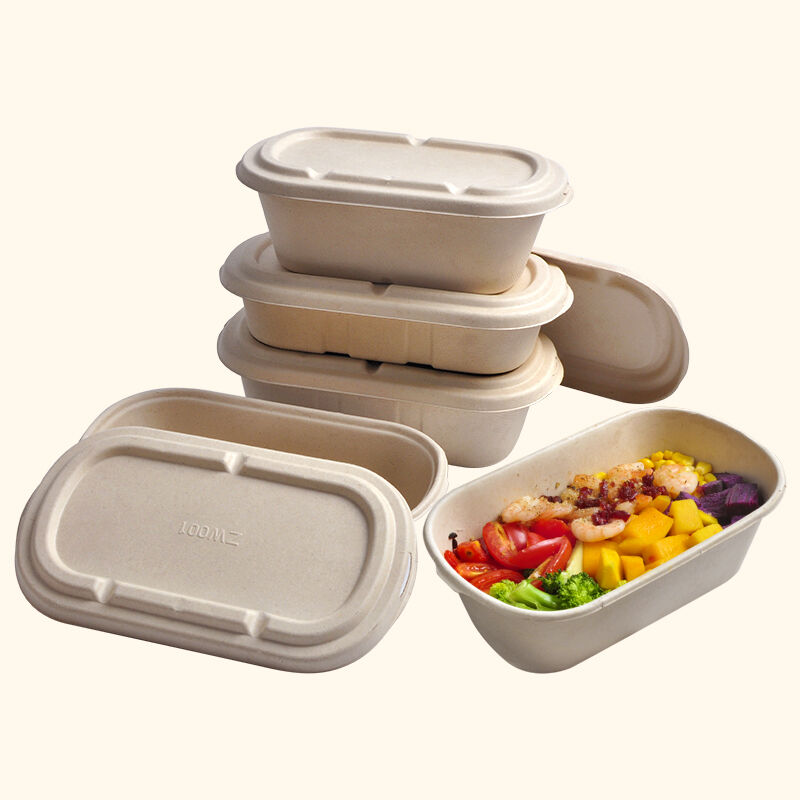
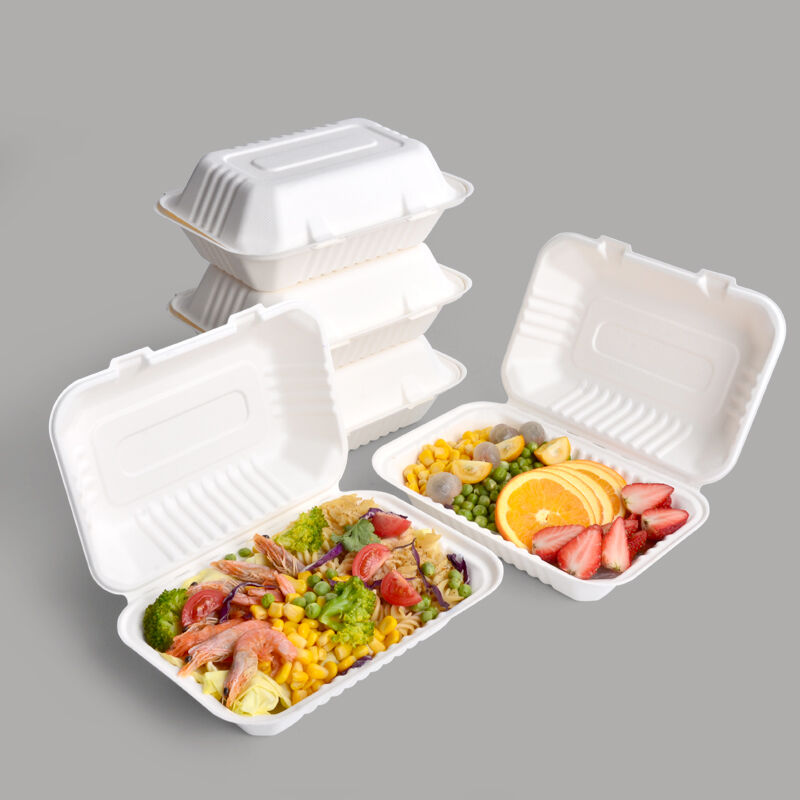
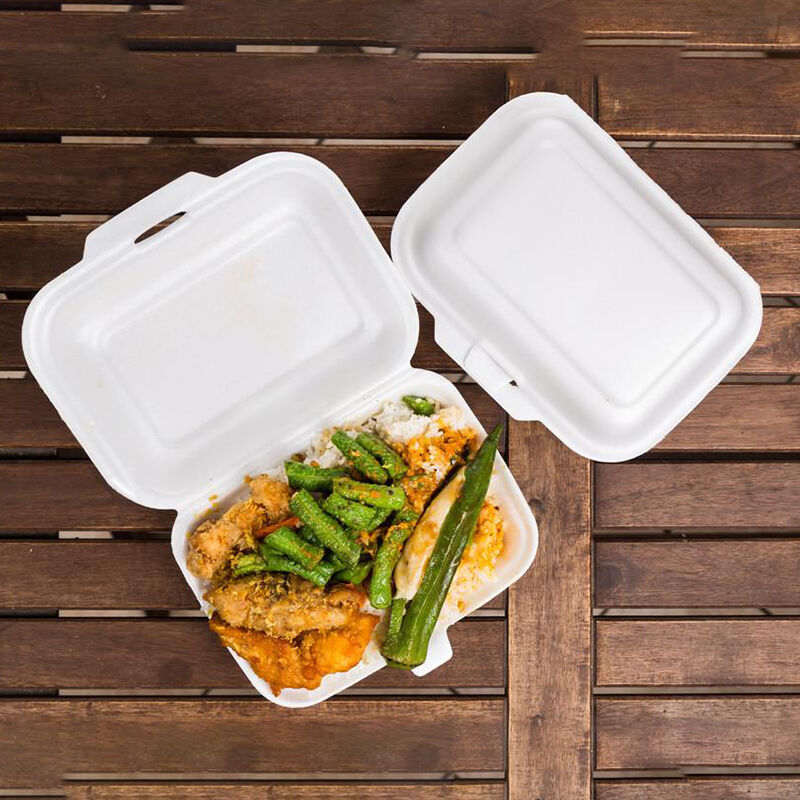
Sugarcane food packaging represents a revolutionary shift in sustainable packaging solutions, utilizing bagasse - the fibrous residue left after extracting juice from sugarcane stalks. This innovative packaging material transforms agricultural waste into functional, biodegradable containers that serve multiple industries worldwide. The primary functions of sugarcane food packaging include protecting food products during storage and transportation, maintaining freshness through moisture resistance, and providing secure containment for various food items ranging from takeaway meals to retail products. Technologically, sugarcane food packaging employs advanced molding processes that compress bagasse fibers under high temperature and pressure, creating sturdy containers without requiring additional chemical adhesives. The manufacturing process incorporates natural binding properties of the sugarcane fibers, resulting in packaging that maintains structural integrity while remaining completely compostable. Key technological features include excellent grease resistance, microwave safety, and freezer compatibility, making these containers versatile for diverse food service applications. The material demonstrates remarkable strength-to-weight ratios, often surpassing traditional plastic alternatives in durability tests. Applications span across restaurant takeaway services, catering companies, food delivery platforms, retail packaging for fresh produce, and institutional food service operations. Major food chains, eco-conscious restaurants, and grocery stores increasingly adopt sugarcane food packaging to meet growing consumer demands for environmentally responsible packaging options. The versatility extends to various container shapes and sizes, including plates, bowls, clamshells, trays, and cups, accommodating different food presentation needs. Manufacturing facilities worldwide have scaled production to meet increasing market demand, with sugarcane food packaging now available in bulk quantities for commercial buyers and smaller portions for individual businesses seeking sustainable packaging alternatives.

New Product Recommendations

Sugarcane food packaging delivers exceptional environmental benefits that directly impact your business reputation and operational costs. Unlike petroleum-based plastics that persist in landfills for centuries, sugarcane food packaging completely decomposes within 60-90 days under commercial composting conditions, significantly reducing your environmental footprint. This rapid biodegradation process eliminates long-term waste management concerns and aligns your business with circular economy principles. Cost-effectiveness emerges as another major advantage, with competitive pricing that often matches or undercuts traditional plastic packaging options. The elimination of waste disposal fees for biodegradable materials can result in substantial long-term savings for high-volume food service operations. Durability surpasses many conventional alternatives, with sugarcane food packaging maintaining structural integrity even when containing hot, greasy, or liquid foods. The natural water resistance prevents leakage and maintains food quality during transport and storage, reducing product loss and customer complaints. Food safety standards are rigorously met, with sugarcane food packaging being FDA-approved for direct food contact and free from harmful chemicals like BPA or phthalates commonly found in plastic containers. Temperature versatility allows safe use in microwaves, freezers, and ovens up to specific temperature ranges, providing customers with convenient heating and storage options. The lightweight nature of sugarcane food packaging reduces shipping costs and carbon emissions during transportation, contributing to overall supply chain efficiency. Consumer appeal increases significantly as environmentally conscious customers actively seek businesses that demonstrate sustainable practices through their packaging choices. Marketing advantages include the ability to prominently display eco-friendly credentials, attracting environmentally aware consumers who are willing to pay premium prices for sustainable options. The natural, clean appearance of sugarcane food packaging enhances food presentation, creating an upscale dining experience that can justify higher menu prices and improve customer satisfaction ratings.

Tips And Tricks

How Does the Strength of Kraft Paper Ensure Bowl Durability?

22

Dec

How Does the Strength of Kraft Paper Ensure Bowl Durability?

The food service industry has witnessed a significant shift toward sustainable packaging solutions, with kraft paper bowls emerging as a leading choice for businesses prioritizing both environmental responsibility and functional performance. Understa...
View More
What Features Make Eco-Friendly Coffee Cups Ideal for Cafés and Chains

22

Jan

What Features Make Eco-Friendly Coffee Cups Ideal for Cafés and Chains

The global shift toward environmental consciousness has revolutionized the foodservice industry, with eco-friendly coffee cups emerging as a cornerstone of sustainable business practices. Modern cafés and restaurant chains face increasing pres...
View More
Why Are PLA-Coated Paper Cups the Future of Sustainable Drinking Solutions?

21

Jan

Why Are PLA-Coated Paper Cups the Future of Sustainable Drinking Solutions?

The global shift toward environmentally conscious consumption has revolutionized the food service industry, with businesses and consumers increasingly demanding sustainable alternatives to traditional packaging. Among the most significant development...
View More
What Factors Affect the Durability of Bagasse Packaging Products?

05

Feb

What Factors Affect the Durability of Bagasse Packaging Products?

The growing demand for sustainable packaging solutions has led manufacturers and businesses to explore innovative alternatives to traditional plastic and styrofoam containers. Bagasse packaging has emerged as a leading eco-friendly option, derived fr...
View More

Get a Free Quote

Our representative will contact you soon.
Email
Phone/WhatsApp
Name
Company Name
Message
0/1000

sugarcane food packaging

Complete Biodegradability and Environmental Impact

Complete Biodegradability and Environmental Impact

The most compelling feature of sugarcane food packaging lies in its complete biodegradability, offering businesses a genuine solution to mounting environmental pressures and regulatory requirements. Unlike conventional plastic packaging that fragments into harmful microplastics, sugarcane food packaging breaks down entirely into organic matter that enriches soil composition. This complete decomposition process occurs within 60-90 days in commercial composting facilities, and within 120-180 days in home composting environments, making it one of the fastest biodegrading packaging materials available. The environmental impact extends beyond waste reduction, as sugarcane food packaging production utilizes agricultural waste that would otherwise be burned or discarded, creating a dual environmental benefit. Manufacturing processes require significantly less energy compared to plastic production, reducing carbon emissions by up to 60 percent throughout the production cycle. Water usage during manufacturing is minimal, and the production process generates no toxic byproducts or harmful emissions, contributing to cleaner air and water systems. For businesses, this translates into meaningful corporate social responsibility achievements that resonate with increasingly environmentally conscious consumers. Companies adopting sugarcane food packaging can quantify their environmental impact reduction, providing concrete data for sustainability reports and marketing campaigns. The packaging supports circular economy principles by transforming waste into useful products, then returning to the environment as beneficial organic matter. Regulatory compliance becomes simplified as governments worldwide implement stricter packaging waste regulations and plastic bans. Businesses using sugarcane food packaging position themselves ahead of regulatory curves, avoiding potential fines and restrictions while gaining competitive advantages in markets where environmental regulations are tightening. The positive environmental impact creates authentic storytelling opportunities for brands, enabling genuine eco-friendly marketing messages that build customer loyalty and attract environmentally conscious consumers willing to pay premium prices for sustainable packaging solutions.
Superior Durability and Functional Performance

Superior Durability and Functional Performance

Sugarcane food packaging delivers exceptional functional performance that meets and often exceeds the demands of modern food service operations, providing reliable protection for diverse food products across various temperature and moisture conditions. The inherent strength of compressed sugarcane fibers creates packaging with remarkable structural integrity, capable of supporting heavy food items without compromising container walls or bottoms. Rigorous testing demonstrates that sugarcane food packaging maintains shape and strength even when containing hot soups, greasy foods, or items with high moisture content, eliminating common issues associated with paper-based alternatives that become soggy or weak. Temperature resistance ranges from freezer storage at minus 40 degrees Fahrenheit to oven heating up to 200 degrees Fahrenheit, providing versatility that accommodates various food preparation and storage needs. The natural grease and oil resistance prevents leakage and staining, ensuring food presentation remains appealing while protecting surfaces from contamination. Microwave compatibility allows customers to reheat meals directly in the container, adding convenience that enhances customer satisfaction and reduces the need for additional dishware. The lightweight design reduces shipping costs and storage space requirements while maintaining protective capabilities that prevent food damage during transport. Stacking stability enables efficient storage and display in restaurants, catering operations, and retail environments, optimizing space utilization and operational efficiency. Moisture barrier properties protect food freshness and prevent condensation buildup that can compromise food quality and presentation. The natural antimicrobial properties of sugarcane fibers provide additional food safety benefits, inhibiting bacterial growth and extending shelf life for certain food products. Customization options include various sizes, shapes, and compartment configurations that accommodate specific food presentation requirements, from single-item containers to multi-compartment meal trays. The consistent quality and performance of sugarcane food packaging ensure reliable operations for high-volume food service businesses, reducing the risk of container failures that can lead to customer dissatisfaction and operational disruptions.
Economic Benefits and Market Positioning Advantages

Economic Benefits and Market Positioning Advantages

Sugarcane food packaging provides substantial economic advantages that directly impact business profitability while simultaneously enhancing market positioning and competitive differentiation in increasingly crowded food service markets. Initial cost comparisons reveal competitive pricing structures that often match traditional plastic packaging costs, with bulk purchasing options providing even greater value for high-volume operations. Long-term financial benefits emerge through reduced waste management expenses, as biodegradable packaging often qualifies for lower disposal fees or eliminates special handling requirements associated with non-recyclable plastic waste. The lightweight nature of sugarcane food packaging reduces transportation costs throughout the supply chain, from manufacturer to distributor to end-user, creating cumulative savings that improve overall operational efficiency. Premium pricing opportunities arise as consumers demonstrate willingness to pay higher prices for products packaged in environmentally responsible materials, with studies showing up to 15 percent price premiums are acceptable for sustainable packaging options. Marketing value amplifies return on investment through authentic sustainability messaging that builds brand loyalty and attracts environmentally conscious consumers, who typically represent higher-value customer segments with greater lifetime value. Regulatory compliance advantages protect businesses from potential fines and restrictions as governments implement stricter packaging regulations, while early adoption provides competitive advantages in markets transitioning toward mandatory sustainable packaging requirements. Corporate sustainability goals become achievable through quantifiable environmental impact reductions, supporting ESG reporting requirements and attracting environmentally focused investors and partners. Employee satisfaction and recruitment benefits emerge as workers increasingly prefer employers demonstrating genuine environmental responsibility, reducing turnover costs and attracting top talent aligned with company values. Customer retention improves as businesses using sugarcane food packaging align with consumer values, creating emotional connections that drive repeat business and positive word-of-mouth marketing. Supply chain partnerships strengthen as sustainable packaging choices align with vendor sustainability requirements, opening access to premium distribution channels and partnership opportunities previously unavailable to businesses using conventional packaging materials.
Sustainable Sugarcane Food Packaging Solutions - Eco-Friendly Biodegradable Containers

Get a Free Quote

Our representative will contact you soon.
Email
Phone/WhatsApp
Name
Company Name
Message
0/1000