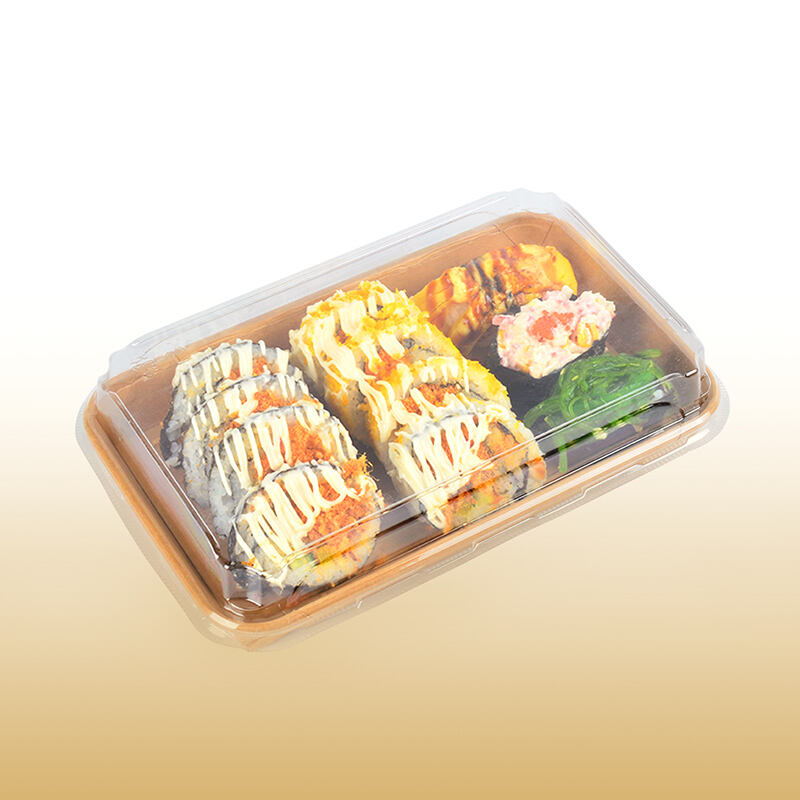
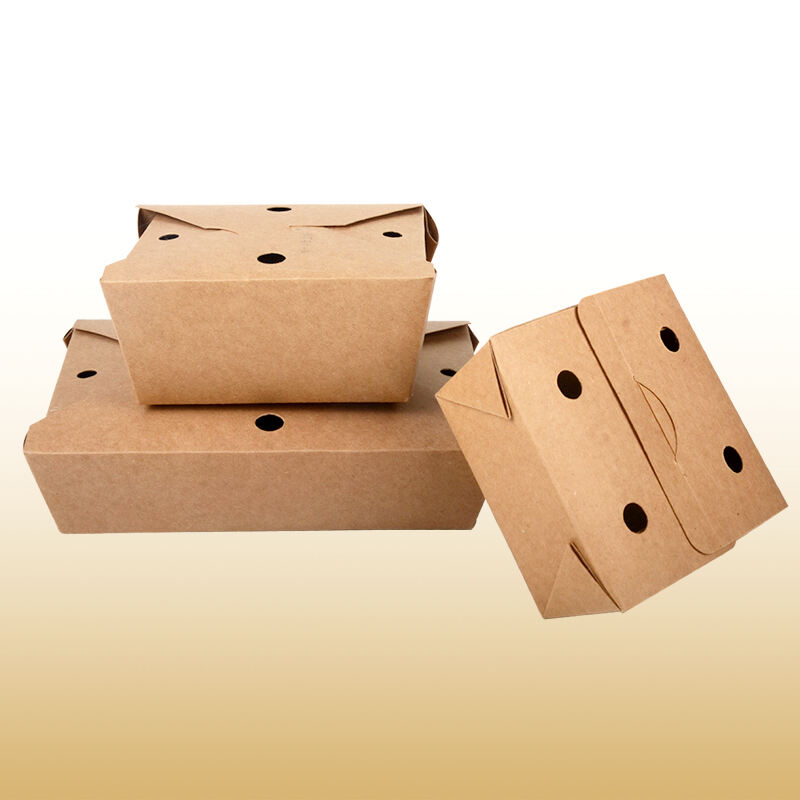
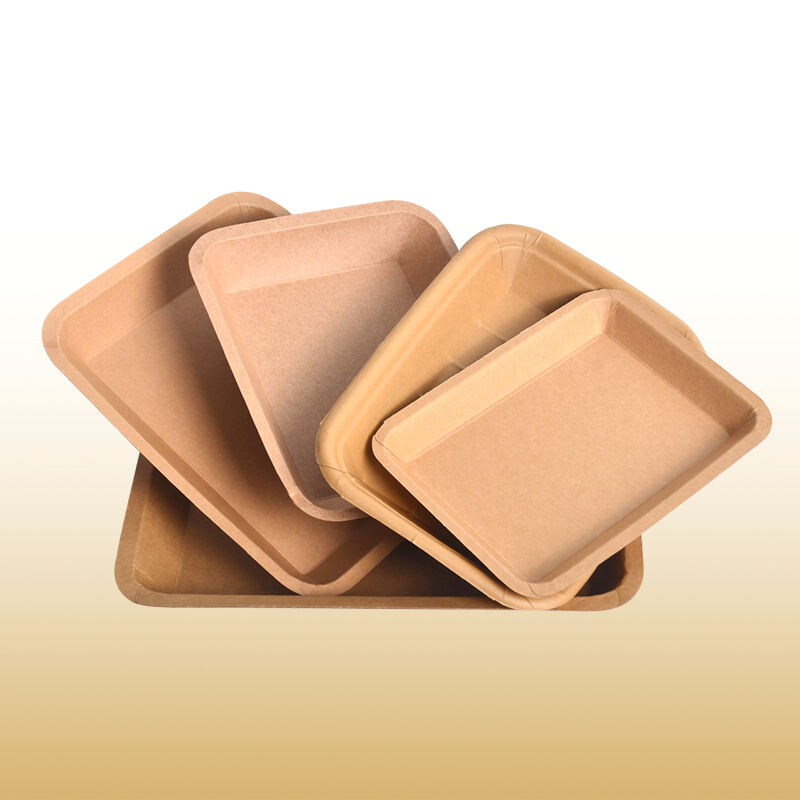
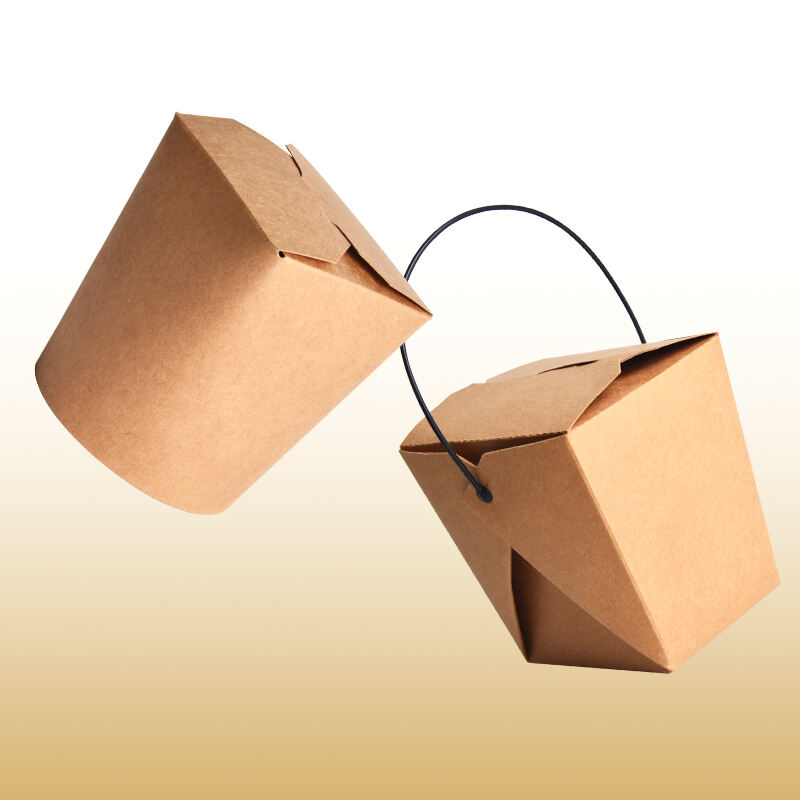
Sustainable Molded Pulp Box Solutions - Eco-Friendly Packaging with Superior Protection

Get a Free Quote

Our representative will contact you soon.
Email
Name
Company Name
Message
0/1000

molded pulp box

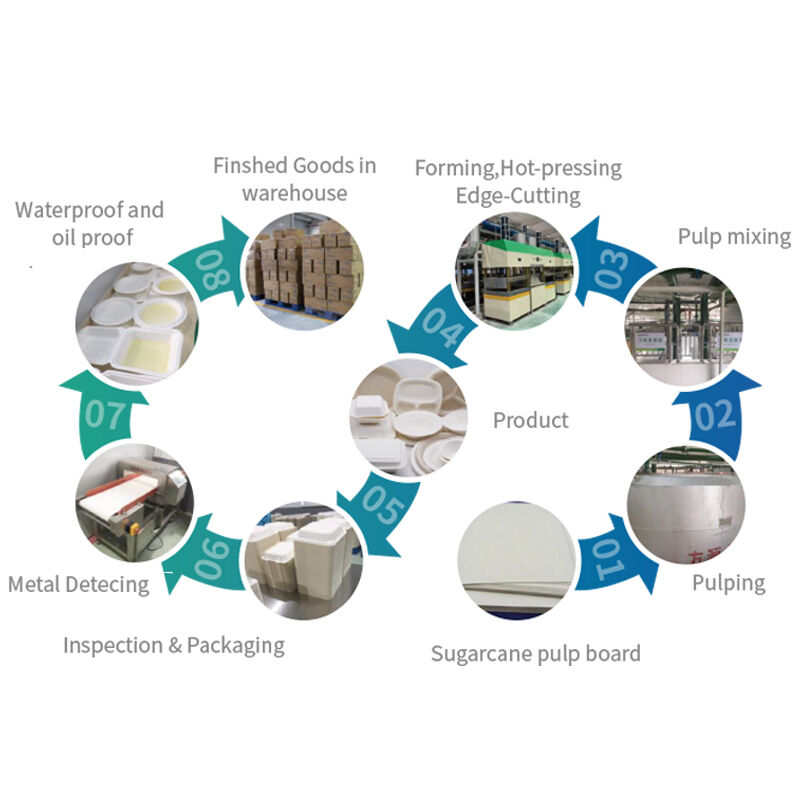
The molded pulp box represents a revolutionary advancement in sustainable packaging solutions, crafted from recycled paper fibers through an innovative wet-forming process. This eco-friendly packaging alternative transforms waste paper materials into durable, functional containers that serve diverse industrial and commercial applications. The molded pulp box manufacturing process involves creating a paper slurry mixture that gets shaped using specialized molds under controlled pressure and temperature conditions. This technique produces lightweight yet sturdy boxes with excellent shock absorption properties and natural moisture resistance. The molded pulp box design incorporates precise dimensional specifications that accommodate various product sizes while maintaining structural integrity during transportation and storage. These containers feature smooth interior surfaces that protect delicate items from scratches and damage, while their exterior texture provides enhanced grip for handling. The molded pulp box construction allows for customizable shapes, depths, and configurations to meet specific packaging requirements across multiple industries. Advanced manufacturing technologies enable the production of molded pulp boxes with consistent quality standards and precise tolerances. The material composition of each molded pulp box includes recycled newspapers, cardboard, and other paper-based materials that undergo thorough cleaning and processing. This sustainable approach reduces landfill waste while creating valuable packaging solutions. The molded pulp box applications span electronics, automotive parts, medical devices, food products, and consumer goods packaging. Each molded pulp box delivers exceptional performance in protecting products during shipping, handling, and storage while maintaining environmental responsibility. The manufacturing process ensures that every molded pulp box meets stringent quality control standards for strength, durability, and dimensional accuracy.

New Product Releases

The molded pulp box offers compelling environmental benefits that resonate with today's sustainability-conscious consumers and businesses. Unlike traditional plastic packaging, each molded pulp box decomposes naturally within months when exposed to moisture and organic conditions, leaving no harmful residues in soil or water systems. This biodegradable characteristic makes the molded pulp box an ideal choice for companies seeking to reduce their environmental footprint and meet corporate sustainability goals. The production process of molded pulp boxes consumes significantly less energy compared to plastic manufacturing, resulting in lower carbon emissions and reduced environmental impact. Cost-effectiveness represents another major advantage of molded pulp box solutions, as the raw materials consist primarily of recycled paper waste that costs substantially less than virgin plastics or metals. Businesses can reduce packaging expenses while maintaining superior product protection, creating a win-win scenario for budget-conscious operations. The molded pulp box design flexibility allows manufacturers to create custom shapes and sizes without expensive tooling modifications, enabling rapid prototyping and product development cycles. Manufacturing efficiency improves dramatically with molded pulp box production, as the wet-forming process requires fewer processing steps compared to plastic injection molding or thermoforming techniques. The lightweight nature of each molded pulp box reduces shipping costs and transportation fuel consumption, providing additional economic benefits throughout the supply chain. Product protection capabilities exceed expectations, as the molded pulp box structure naturally absorbs shock and vibration during handling and transport. The fibrous composition creates countless air pockets that cushion products against impacts while maintaining shape integrity under normal loading conditions. Temperature resistance allows molded pulp boxes to perform reliably across various climate conditions without warping or degradation. Storage efficiency improves with stackable molded pulp box designs that maximize warehouse space utilization while providing easy access for inventory management. The molded pulp box surface accepts printing and labeling without special treatments, enabling brand customization and product identification. Quality consistency remains high throughout production runs, ensuring that each molded pulp box meets exact specifications for fit and function.

Tips And Tricks

What Should Distributors Look for When Sourcing Paper Bowls in Bulk?

26

Nov

What Should Distributors Look for When Sourcing Paper Bowls in Bulk?

The food service industry continues to evolve rapidly, with disposable tableware becoming increasingly essential for restaurants, catering companies, and food delivery services. For distributors seeking to capitalize on this growing market, understan...
View More
How Do High-Quality Paper Bowls Support Sustainable Brand Image?

26

Nov

How Do High-Quality Paper Bowls Support Sustainable Brand Image?

In today's environmentally conscious marketplace, businesses are increasingly recognizing that their choice of packaging and serving materials directly impacts their brand reputation and customer loyalty. Paper bowls have emerged as a pivotal solutio...
View More
What Makes Eco-Friendly Paper Bowls Ideal for Food Packaging Businesses?

26

Nov

What Makes Eco-Friendly Paper Bowls Ideal for Food Packaging Businesses?

The food packaging industry is experiencing a revolutionary shift toward sustainable solutions, with eco-friendly paper bowls emerging as a cornerstone of environmentally responsible business practices. As consumer awareness about environmental impac...
View More
How Can Custom Printed Paper Bowls Help Restaurants Strengthen Branding?

26

Nov

How Can Custom Printed Paper Bowls Help Restaurants Strengthen Branding?

In today's competitive restaurant industry, establishing a memorable brand identity has become essential for long-term success. While many establishments focus on menu innovation and service quality, one often overlooked branding opportunity lies in ...
View More

Get a Free Quote

Our representative will contact you soon.
Email
Name
Company Name
Message
0/1000

molded pulp box

Superior Environmental Sustainability

Superior Environmental Sustainability

The molded pulp box stands as a beacon of environmental responsibility in the packaging industry, offering unmatched sustainability credentials that appeal to eco-conscious businesses and consumers alike. Every molded pulp box begins its lifecycle by giving new purpose to post-consumer waste materials, primarily recycled newspapers, magazines, and cardboard products that would otherwise occupy valuable landfill space. This circular economy approach transforms waste streams into valuable packaging solutions, demonstrating how the molded pulp box contributes to resource conservation and waste reduction initiatives. The manufacturing process of each molded pulp box requires minimal chemical additives, relying instead on natural binding properties of cellulose fibers to create strong, cohesive structures. Unlike plastic packaging that persists in environments for decades or centuries, the molded pulp box completely biodegrades within 60 to 90 days under typical composting conditions. This rapid decomposition timeline means that discarded molded pulp boxes become valuable organic matter that enriches soil rather than polluting ecosystems. Water-based production processes eliminate the need for harmful solvents or volatile organic compounds commonly used in plastic manufacturing, making the molded pulp box production environmentally safe for workers and surrounding communities. The carbon footprint of molded pulp box manufacturing remains significantly lower than alternatives, as the production process operates at relatively low temperatures and pressures compared to plastic molding operations. Renewable energy sources can easily power molded pulp box factories, further reducing greenhouse gas emissions associated with packaging production. End-of-life disposal options for molded pulp boxes include home composting, industrial composting, and recycling back into new paper products, providing multiple pathways for responsible waste management. Forest stewardship considerations favor molded pulp box production, as increased demand for recycled paper content reduces pressure on virgin timber resources while supporting sustainable forestry practices.
Exceptional Product Protection Performance

Exceptional Product Protection Performance

The molded pulp box delivers outstanding protective capabilities that surpass many traditional packaging materials through its unique structural properties and shock-absorbing characteristics. Each molded pulp box features a complex network of interlocked cellulose fibers that create natural cushioning zones throughout the packaging structure, effectively distributing impact forces across wide surface areas rather than concentrating stress at single points. This fiber matrix design enables the molded pulp box to absorb substantial shock loads while maintaining its protective shape, making it ideal for safeguarding fragile electronic components, delicate glassware, and precision instruments during transportation and handling. The molded pulp box construction incorporates varying wall thicknesses that provide targeted protection where products need it most, with thicker sections surrounding vulnerable areas and thinner regions reducing overall weight. Compression resistance testing demonstrates that molded pulp boxes maintain their protective geometry under significant vertical loads, preventing product damage from stacking forces during storage and shipping. The natural moisture-wicking properties of molded pulp box materials help regulate humidity levels within the packaging environment, protecting metal components from corrosion and preventing mold growth on organic products. Temperature stability allows molded pulp boxes to perform consistently across extreme weather conditions, from sub-zero shipping environments to high-temperature storage facilities, without compromising structural integrity or protective performance. Custom molding capabilities enable the creation of precisely fitted molded pulp box interiors that cradle products snugly, eliminating movement and reducing damage risks during transit. The fibrous surface texture of molded pulp boxes provides natural grip and anti-slip properties that prevent products from shifting within the packaging, maintaining optimal positioning throughout the distribution process. Edge protection features built into molded pulp box designs shield product corners and vulnerable protrusions from impact damage, while recessed areas accommodate cables, accessories, and documentation without compromising the protective seal.
Versatile Design and Manufacturing Flexibility

Versatile Design and Manufacturing Flexibility

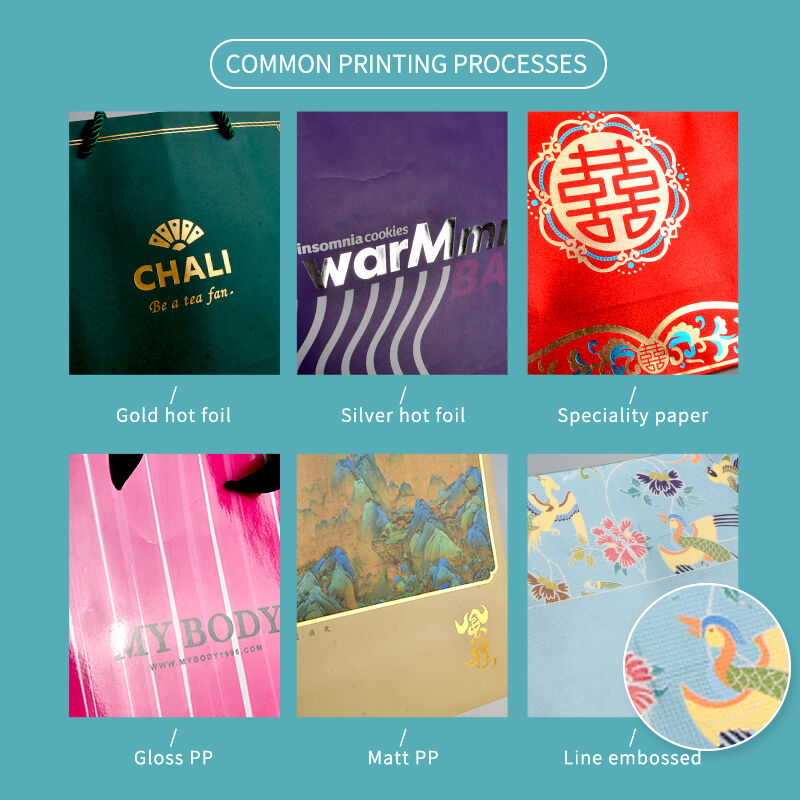
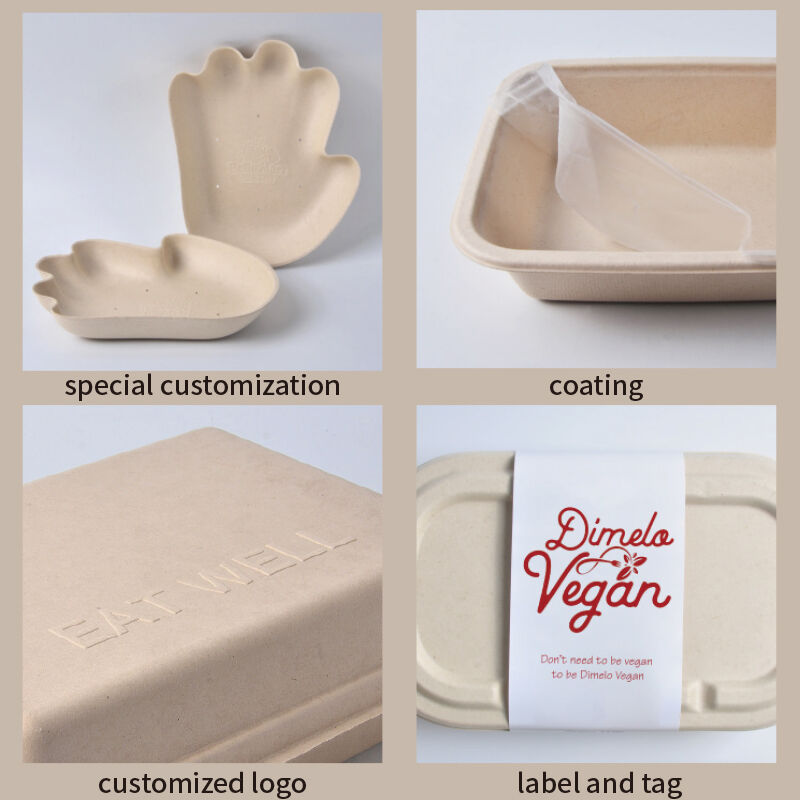
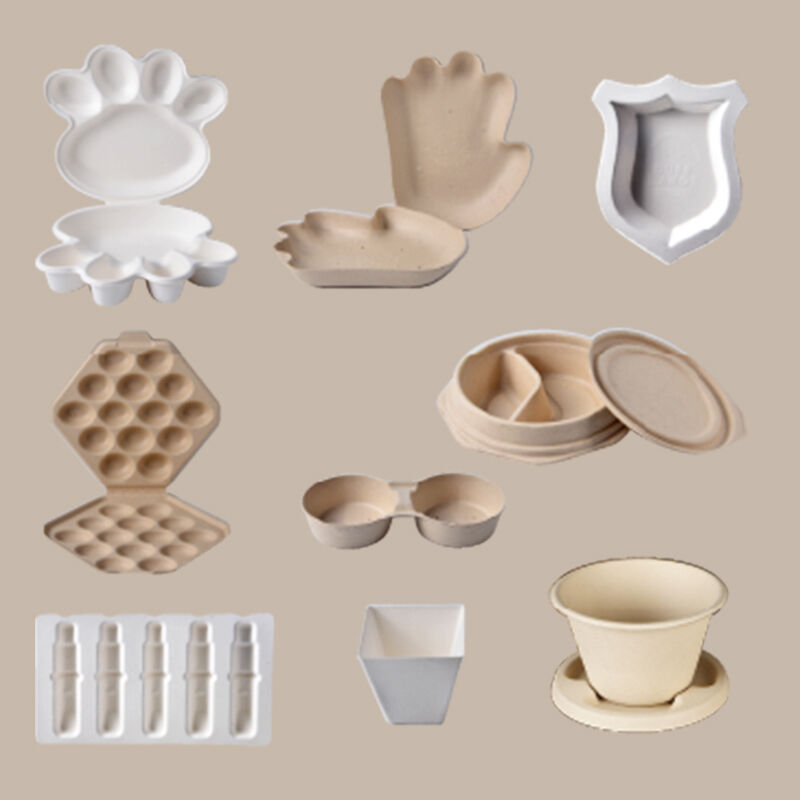
The molded pulp box manufacturing process offers unprecedented design flexibility that enables rapid customization and adaptation to diverse packaging requirements across multiple industries and applications. Unlike rigid plastic molds that require expensive tooling changes for design modifications, molded pulp box production utilizes adaptable forming equipment that accommodates various shapes, sizes, and configurations with minimal setup adjustments. This manufacturing versatility allows businesses to develop custom molded pulp box solutions that perfectly match their product dimensions and protection requirements without significant capital investment or extended lead times. The wet-forming process used in molded pulp box production enables the creation of complex geometries including undercuts, recesses, and interlocking features that would be difficult or impossible to achieve with other packaging materials. Design engineers can incorporate specific functional elements directly into the molded pulp box structure, such as ventilation channels for produce packaging, cable management channels for electronics, or compartmentalized sections for multi-product applications. Color customization options allow molded pulp boxes to incorporate natural pigments and dyes during the manufacturing process, creating branded packaging solutions that align with corporate identity requirements without requiring secondary printing or coating operations. Surface texture variations can be achieved through different mold finishes, enabling molded pulp boxes with smooth presentation surfaces for retail applications or textured grips for industrial handling requirements. Prototype development cycles for molded pulp boxes typically require weeks rather than months, allowing rapid testing and refinement of packaging concepts before full-scale production commitments. Scalability advantages enable molded pulp box manufacturers to efficiently transition from small prototype runs to high-volume production without fundamental process changes, supporting business growth and market expansion initiatives. Integration capabilities allow molded pulp boxes to incorporate additional materials such as foam inserts, plastic windows, or metal fasteners when applications require hybrid solutions that combine sustainable packaging with specialized functionality.
Sustainable Molded Pulp Box Solutions - Eco-Friendly Packaging with Superior Protection

Get a Free Quote

Our representative will contact you soon.
Email
Name
Company Name
Message
0/1000