sugarcane bagasse packaging
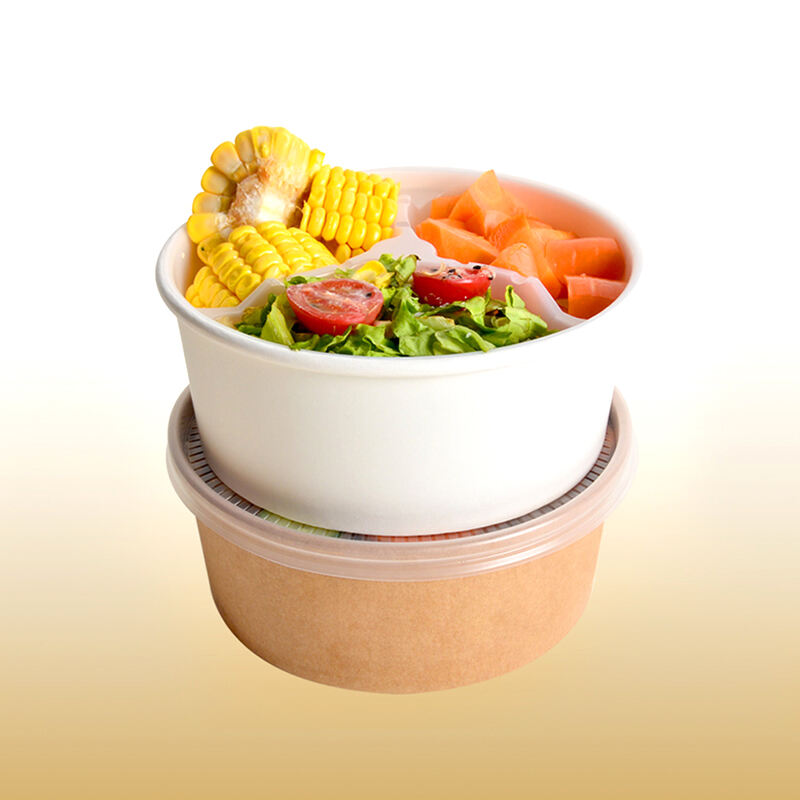
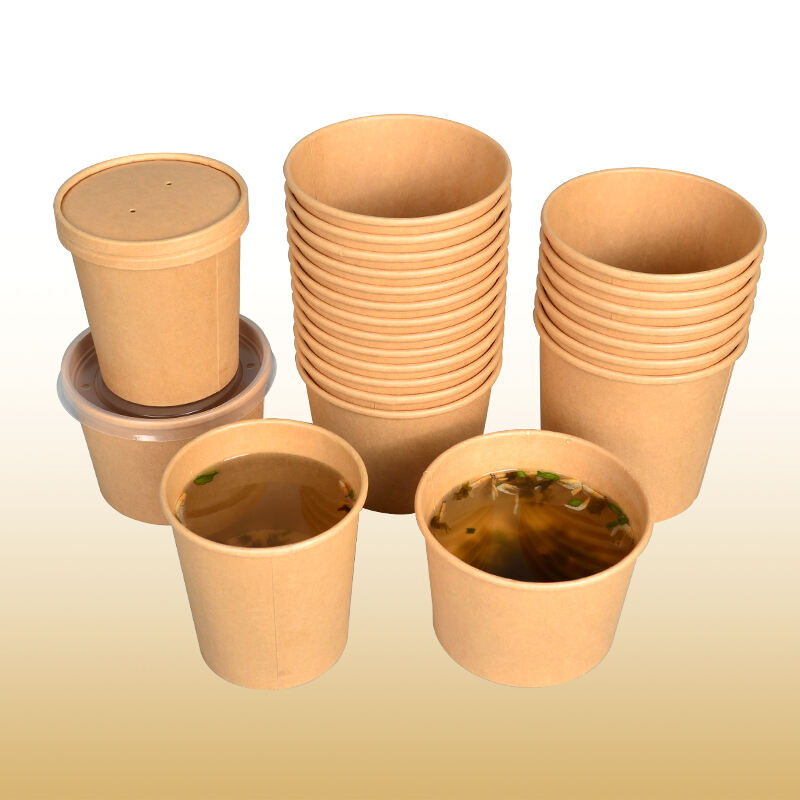
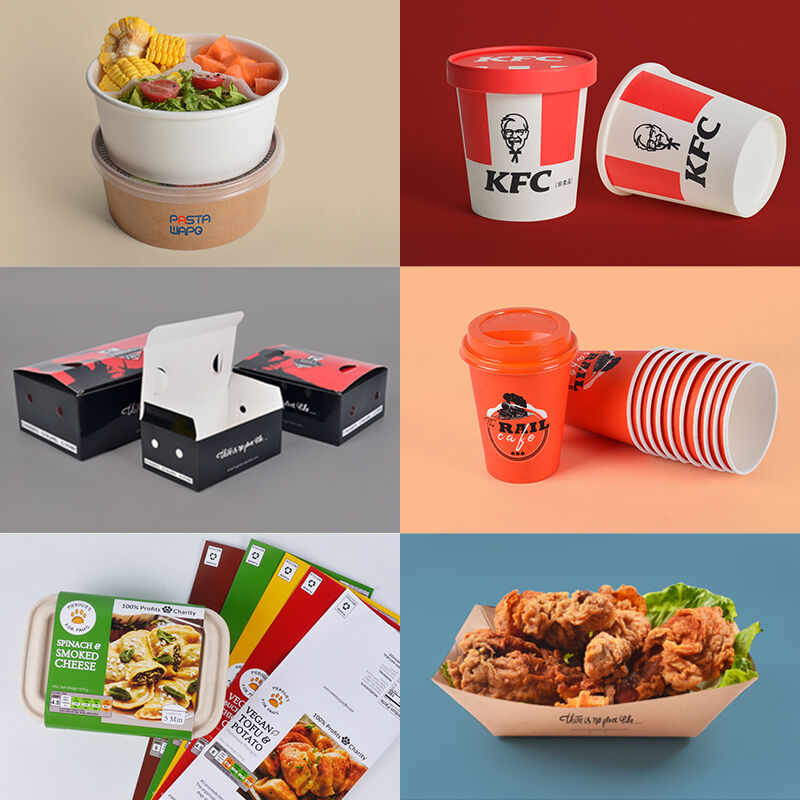
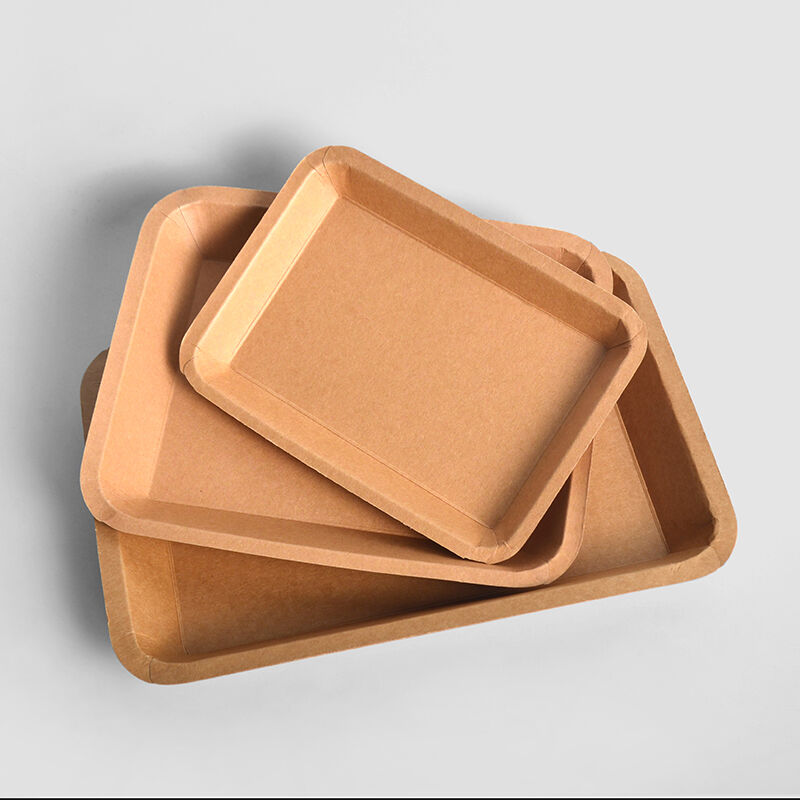
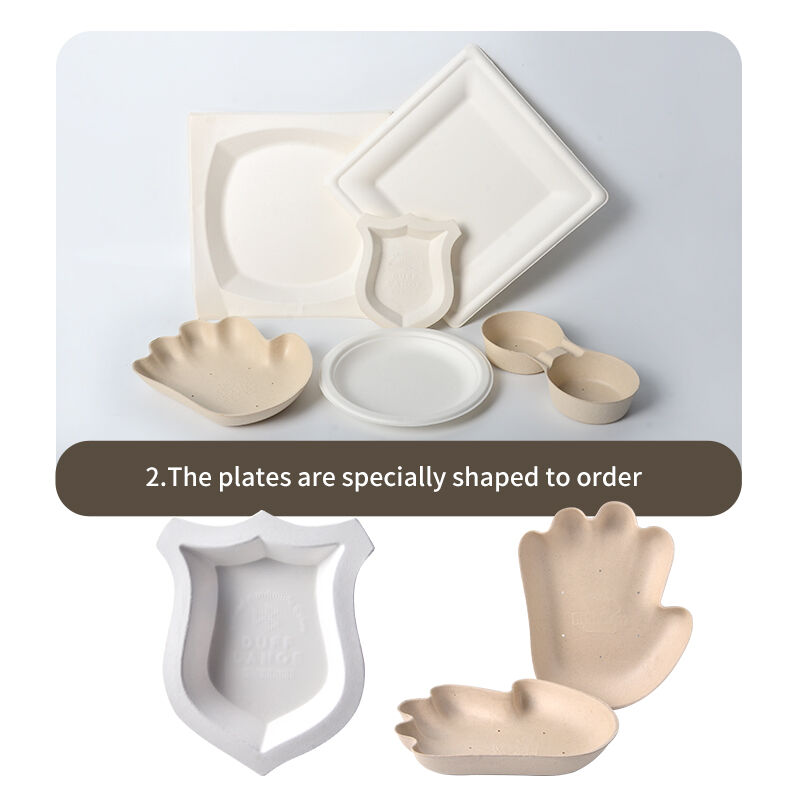
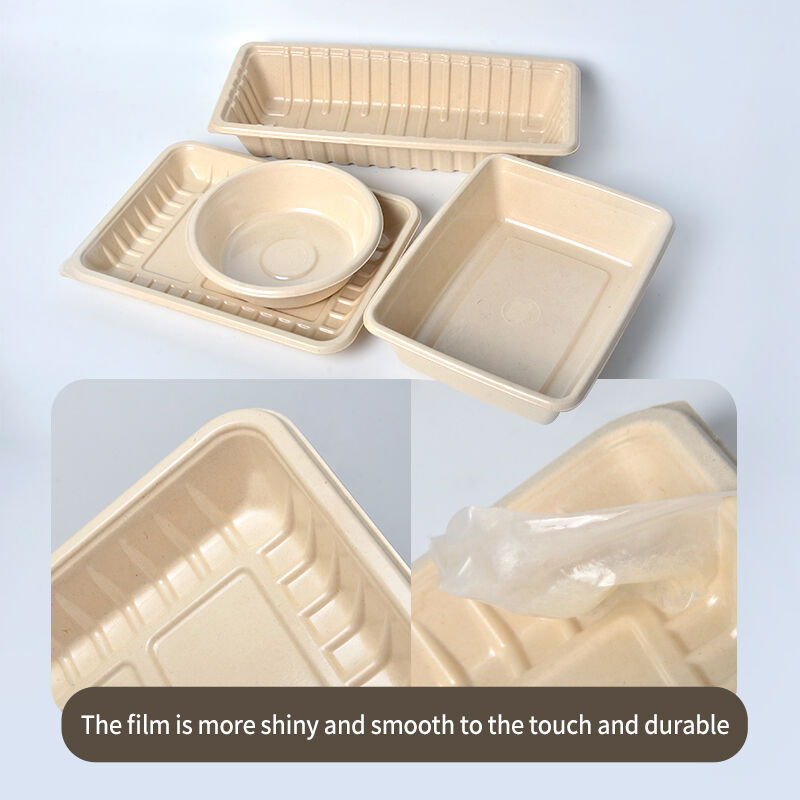
Sugarcane bagasse packaging represents an innovative solution derived from the fibrous residue left after extracting juice from sugarcane stalks. This sustainable packaging material has emerged as a leading alternative to traditional plastic and Styrofoam containers, offering businesses and consumers an eco-friendly option for food service and product packaging needs. Sugarcane bagasse packaging is manufactured through a process that involves pulping, molding, and pressing the natural fibers into various shapes and sizes, creating sturdy containers, plates, bowls, cups, and clamshell boxes. The technological features of this packaging include its ability to withstand both hot and cold temperatures, making it suitable for a wide range of food applications from steaming soups to frozen desserts. The material is naturally grease-resistant and moisture-resistant, eliminating the need for chemical coatings that are common in conventional packaging. Sugarcane bagasse packaging finds applications across multiple sectors, including restaurants, catering services, food trucks, takeout establishments, institutional cafeterias, and retail food packaging. The versatility of this material allows manufacturers to create customized designs that meet specific business requirements while maintaining structural integrity. As a compostable material, sugarcane bagasse packaging breaks down naturally within 60 to 90 days in commercial composting facilities, returning valuable nutrients to the soil and completing a circular economy cycle that benefits both businesses and the environment.
 EN
EN